
 Worksheets
Extra Credit/Zero Replacement Quiz
Total questions: 200
Worksheet time: 17hrs 40mins

Who invented the Periodic Table?
Mendeleev
Bohr
Lewis
Democritus
What happens to the number of shells as you move down a group?
They decrease by 1
They increase by 1
Nothing
What do all elements in the same period have?
same number of shells
same number of electrons
belong in the same family

noble gases



3 subatomic particles that makeup an atom.
Positive, negative, neutral
Positron, Neutral, Electron
Proton. Neutron, Electron
This subatomic particle has a positive charge.
Proton
Neutron
Electron
The subatomic particle holds the atom together.
Proton
Neutron
Electron
Nucleus
The subatomic particles found in the nucleus.
Electron, Neutron
Proton, Neutron
Electron, Proton
Proton, Neutron, Electron
The subatomic particle that identifies the element.
Proton
Positron
Neutron
Electron
The subatomic particle that determines reactivity.
Electron
Proton
Shell
Neutron
A neutron has a _____ charge.
Positive
Negative
Neutral
1/2 charge
A electron has a ______ charge.
No charge
Positive
Neutral
Negative
The atomic number tells you the number of
Neutrons
Protons
Neutrons plus Protons
The atom model that we will use in this class is called ________ model.
Rutherford
Thompson
Bohr
Karen
An isotope has different number of ______.
Neutrons
Protons
Electrons
Nucleus
The building block of everything.
Atoms
Elements
Positive
Biology
A piece of paper contains_______ of atoms.
Hundreds
Tens
Millions


The following piece of glassware is used to ...
measure a precise volume of a liquid
prepare solutions to an accurate volume
hold and mix chemicals without spilling
Which piece of glassware would you use to measure a precise volume of a liquid?


Which of these would be best to hold large amounts of liquid?
Beaker
Boiling tube
Conical flask
Test tube
Sandals are permitted during laboratory experiments.
True
False
Using chipped glassware is permitted during the labs.
True
False

If you do not understand a direction or part of a lab procedure, you should
figure it out as you do the lab
try several methods until something works
ask the instructor before proceeding
skip it and go on to the next part
Ionic bonding occurs between a _________ and a __________.
metal, metal
metal, nonmetal
nonmetal, nonmetal
metallic, sea of electrons
In an ionic bonds electrons are ____________.
transferred
shared
transferred and shared
arrange like a sea of electrons
A covalent bond occurs between a __________ and a __________.
nonmetal, nonmetal
metal. metal
metal, nonmetal
sea of electrons, metallic
In a covalent bond electrons are _____________.
transferred
shared
depends on ionization energy
connect through a sea of electrons
Valence electrons are the electrons in ______________.
the inner shell
the outermost shell
includes all electrons
depends on atom
Valence electrons determine___________.
the reactivity of the atom
the identity of the atom/element
the atomic number of the atom
the charge of the atom in a neutral sphere
In an ionic bond metals will have a _______________ charge.
positive
negative
neutral
protonic
According to the octet rule most elements need _______ valence electrons.
2
8
6
18
Why do all bonds form?
so the number of protons equals the number of electrons
so an atom can become unstable
to fill the outermost energy level
Al+3 + S-2
Cr3+ O2-
dinitrogen pentoxide
N2O5
NO5
N5O2
N2O6
What is an ion?
An atom that gains or loses electrons
Pieces of the atom that are atoms of the same element
An atom that is the sum of the number of protons and neutrons in an element.
The isotope is the change in what number of the nucleus?
Protons
Neutrons
Electrons
Protons and Neutrons
Water melting, freezing, or evaporating is an example of a
physical change
chemical change
physical property
chemical propery
When polyatomic ions bond with other ions the net charge of the ionic compound will be
zero
positive
negative
depends on the bond
There are 4 different types of subshells(orbitals) s,p,d,f
true
false
H2SO4
What is the charge/oxidation number in group 1?
+1
-1
varies due to valence electrons
depends on element
What is the oxidation number/charge for transition metals?
varies
3-12
+3
Why is group 18 unreactive?
the outer shell is full
it has 7 valence electrons
the inner shell contains 2 electrons
they are gases
The largest atom on the periodic table is _____
F
Fr
Og
H
The most electronegative atom on the periodic table______
Fr
F
He
Og
Ionization energy is the energy needed to...
remove an electron
remove a proton
gain an electron
gain a proton
Ionization energy down a group will...
increase because you are not adding energy levels
decrease because you are adding energy levels
stays the same
A chemical change occurs when a piece of wood
splits
cut
chopped
burns
Which of the following is a heterogeneous mixture?
milk
gatorade
hot tea
sand
An element has an atomic number of 76. The number of protons and electrons in a neutral atom of the element are ____.
76
undetermined
38 each
152
From left to right across a period of the periodic table, atomic radius tends to -
increase
decrease
stay the same
depends on acetate
The law of conservation of mass states that_______.
matter can be created into a new substance from random stuff.
matter can not be created nor destroyed only rearranged.
matter will become water that evaporates into the atmosphere.
matter smells like acetate.
Who is buried in Grant's tomb?
Grant
Reid
Lincoln
What school do you take Chemistry?
Tascosa
Harvard
Yale
Princeton
An atom with atomic number 6 would have how many protons
6
12
3
cannot be determined
Which elements have the most similar chemical properties?
boron and carbon
oxygen and sulfur
aluminum and bromine
argon and silicon

This is a correct dot diagram for carbon (C)
true
false
Ionic compounds are formed between ________ and _________.
metals and metals
nonmetals and nonmetals
metals and nonmetals
In ionic compounds electrons are
transferred
shared
lost
no clue
In ionic compounds electrons are
transferred
shared
lost
both shared and exchanged

What happens when two negatively charged ions are pushed together?
they will repel (move apart)
they will be attracted to each other (move together)

What happens when two oppositely charged ions are pushed together?
they will repel (move apart)
they will be attracted to each other (move together)

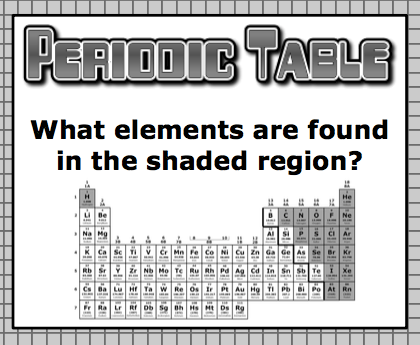
What is the name of the family that is highlighted?
Alkali Metal Family
Halogen Family
Noble Gas Family
Transition Metal Family


Which element has 3 valence electrons?
A
B
E
C


How many valence electrons do the atoms of elements in group 13 have (the Boron Group)?
3
5
8
13

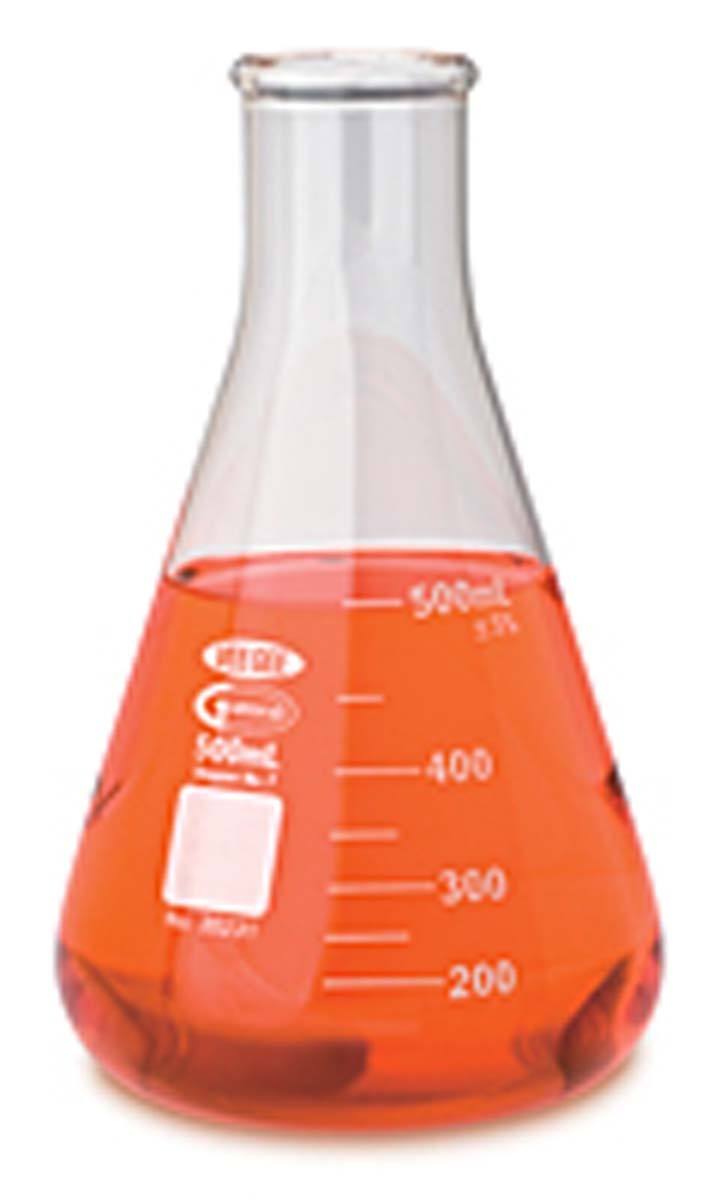
What is used to swirl, mix, or store chemicals?
Beaker
Flask
Test Tube
Graduated Cylinder

All matter is made of what
energy
atoms
electrons
compounds
The positive particles of an atom are
electrons
positrons
neutrons
protons
The central region of an atom where its neutrons and protons are is its
nucleus
electron cloud
core
center
An atom with atomic number 6 would have how many protons
6
12
3
cannot be determined
Particles in an atom that are neutral and have no charge are
negatrons
electrons
neutrons
protons
A particle that moves around the nucleus is a(n)...
Proton
Neutron
Electron
Quark
In the modern periodic table, elements are arranged by:
atomic mass
atomic number
valence electrons
number of isotopes
What particle uniquely identifies an element?
Number of Valence Electrons
Number of Protons
Number of Electrons
Atomic Mass
Electrons are___________
Extremely small even in comparison to protons.
part of the nuclues.
Super Positive, like cheerleaders!
very large
Which group is referred to as Alkali Metals?
3
1
7
17
Name group 1A on the periodic table.
alkali metals
alkaline earth metals
noble gases
noble gases
halogens

Name group 18 on the periodic table.
alkali metals
alkaline earth metals
transition metals
noble gases

Name group 17 on the periodic table.
transition metals
metalloids
halogens
alkali metals

What are the vertical columns on the periodic called?
groups
periods
nonmetals
metals
metalloids
What is the charge (oxidation number) of Magnesium (Mg)?
+2
-2
+4
-4
What is the charge of ( oxidation number) for Flourine (F)?
+1
-1
17
7
All matter is made of what
energy
atoms
electrons
compounds
This subatomic particle holds the atom together
proton
electron
neutron
plasma
Who is buried in Grant's tomb?
Grant
Coach Reid
What class does Coach Reid teach?
Orchestra
Chemistry
Band
When was the war of 1812?
1812
1999
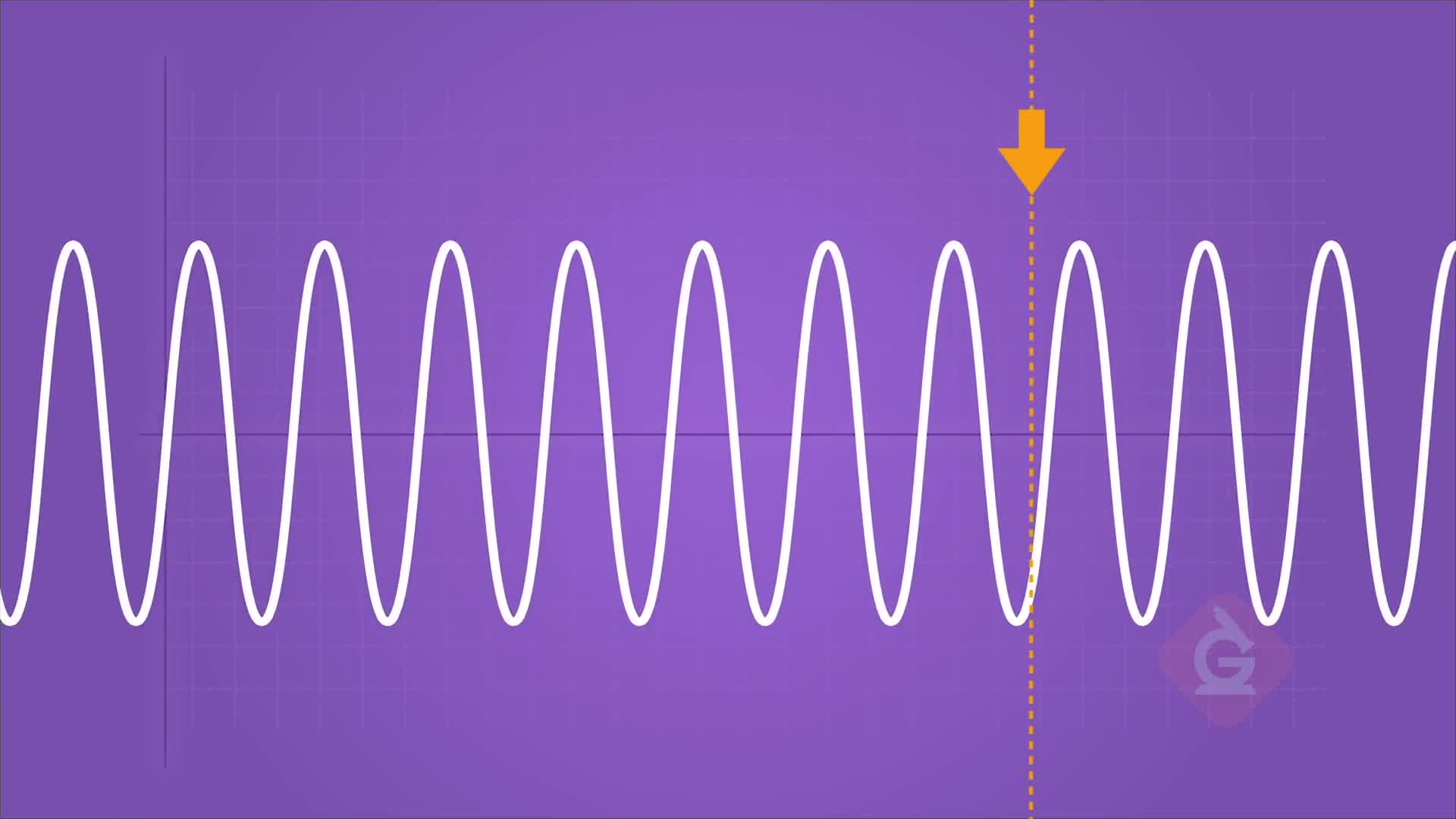
The energy of waves _______ as the wavelength gets shorter, making the waves closer together.
increases
decreases
doesn't change
What charge does an atom have when it GAINS electrons?
Positive
Negative
Neutral
What is a representation of an ion?
Li
Na-22
O-2
What does it change in an ion?
The number of electrons
The number of protons
The number of neutrons
CaC₂(s) + H₂O(l) --> C₂H₂(g) + Ca(OH)₂(aq)
The abbreviation STP stands for______________.
Stoichiometry Temperature Probability
Solid Temperature Practice
Standard Temperature Pressure
Temperature at STP is
0 celsius
100 celsius
0 Kelvin
212 F
Pressure at STP is
1 atmosphere
1 Torr
100 atmosphere
6.02 hexallion
Which atom has the largest atomic radius?
potassium
rubidium
francium
cesium
An atom with atomic number 6 would have how many protons
6
12
3
cannot be determined
In the modern periodic table, elements are arranged by:
atomic mass
atomic number
valence electrons
number of isotopes

Used to describe a molecule that has an unequal distribution of charges (positive and negative)
non polar
element
polar
chemicals
A weak bond formed by the attraction of more positively charged H on one molecule and the more negatively charged O (or N or F) on a different molecule.
ionic
covalent
hydrogen
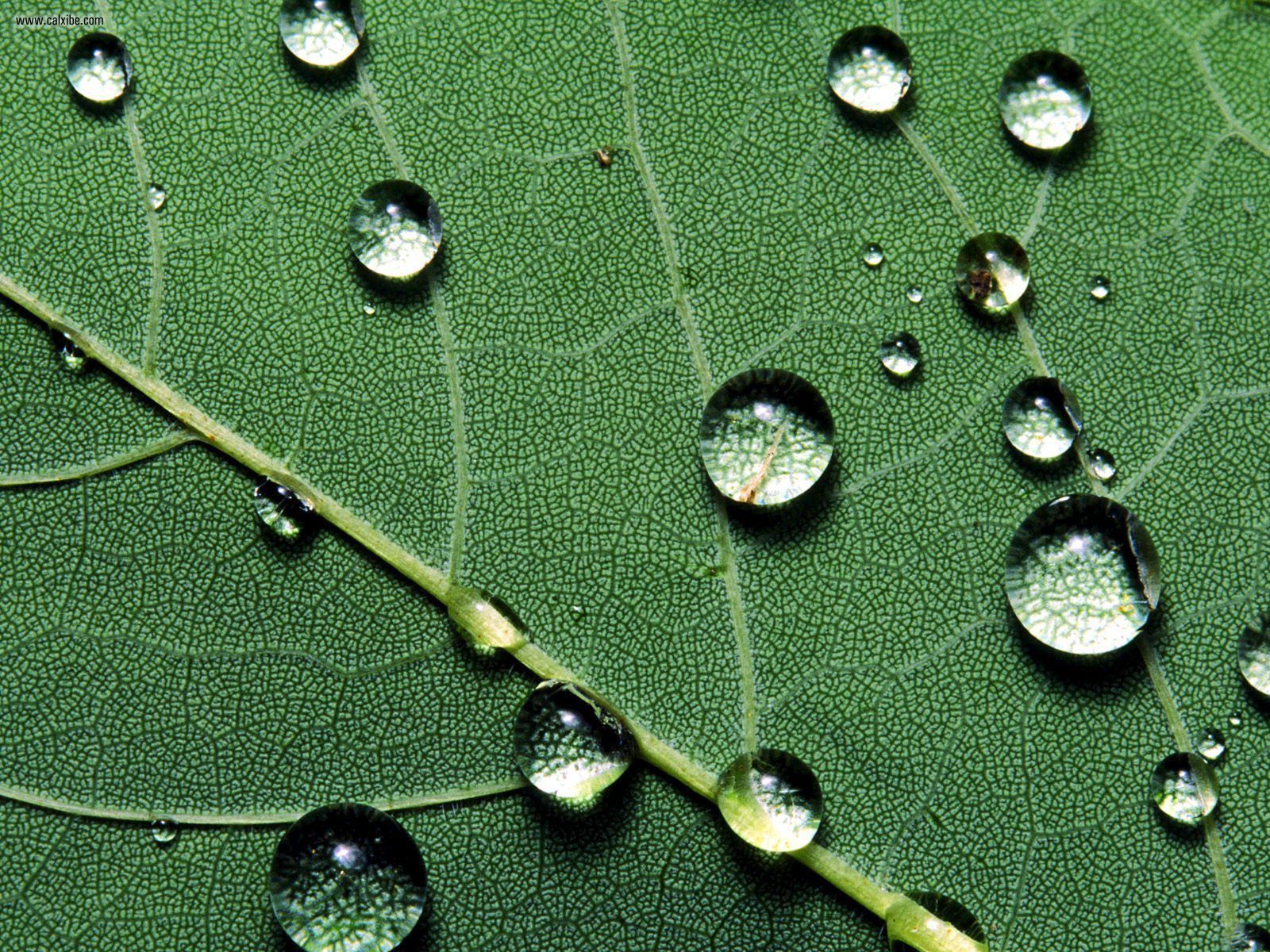
Refer to the picture of water sticking to a leaf; this is occurring because of:
Adhesion
Cohesion
Describe COHESION.
Water molecules attracted to other substances.
Water molecules climbing upwards against the force of gravity.
Water molecules dissolving many substances because of its polarity.
Water molecules attracted to other water molecules.
The amount of heat needed to increase the temperature of a substance by 1 degree Celcius.
surface tension
specific heat
universal solvent
capillary action
The water stays cool when the weather is hot due to the property of:
cohesionn
specific heat
surface tension
adhesion
Which atom has the largest atomic radius?
potassium
rubidium
francium
cesium

