Wayground logo

Free Printable Worksheets

Font size

S
M
L
XL
Worksheets

A&P Final Exam Review

Total questions: 50

Worksheet time: 28mins

Name
Class
Date
1.
The first curve of the spine; thinnest most delicate vertebrae in the spine; function to allow flexibility for the neck, to protect the spinal cord
a)
cervical vertebrae
b)
thoracic vertebrae
c)
lumbar vertebrae
d)
vertebral foramen
2.

The increase in vertebrae size from the neck to the lower back is due to:

a)

supporting more weight in the lower back than in the neck

b)

supporting less weight in the lower back than in the neck

c)

evolution

d)

vertebrae don't increase in size

3.

Five vertebrae that are fused form the _______ ________.

a)

cervical vertebrae

b)

thoracic vertebrae

c)

lumbar vertebrae

d)

sacral vertebrae

4.
How many thoracic vertebra exist in the spinal column? 
a)
15
b)
5
c)
12
d)
7
5.
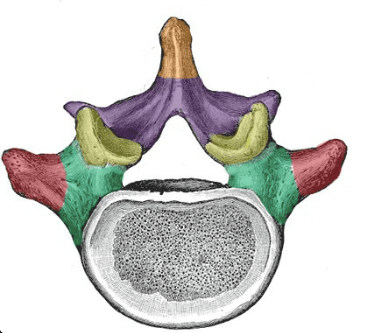
The brown represents 
a)
transverse process
b)
spinous process
c)
foramen 
d)
body 
6.
Thin regions of cartilage between vertebrae that provide cushioning; Outer portion made of fibrocartilage that binds vertebrae together and allows flexibility for movement; soft inner portion acts as shock absorber
a)
spinous process
b)
transverse process
c)
intervertebral disk 
d)
vertebral foramen 
7.
Second cervical vertebra.
a)
Axis
b)
Body
c)
Vertebra prominens
d)
Atlas
8.
What bone is this?
a)
axis
b)
atlas
9.
What bone is this?
a)
axis
b)
atlas
10.
How many true ribs are there?
a)
2
b)
3
c)
7
11.
How many false ribs are there?
a)
2
b)
3
c)
7
12.
How many floating ribs are there?
a)
2
b)
3
c)
7
13.
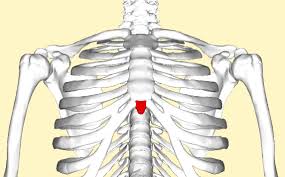
What bone is the name of the bone that is colored?
a)
manubrium
b)
sternum
c)
xiphoid process
14.
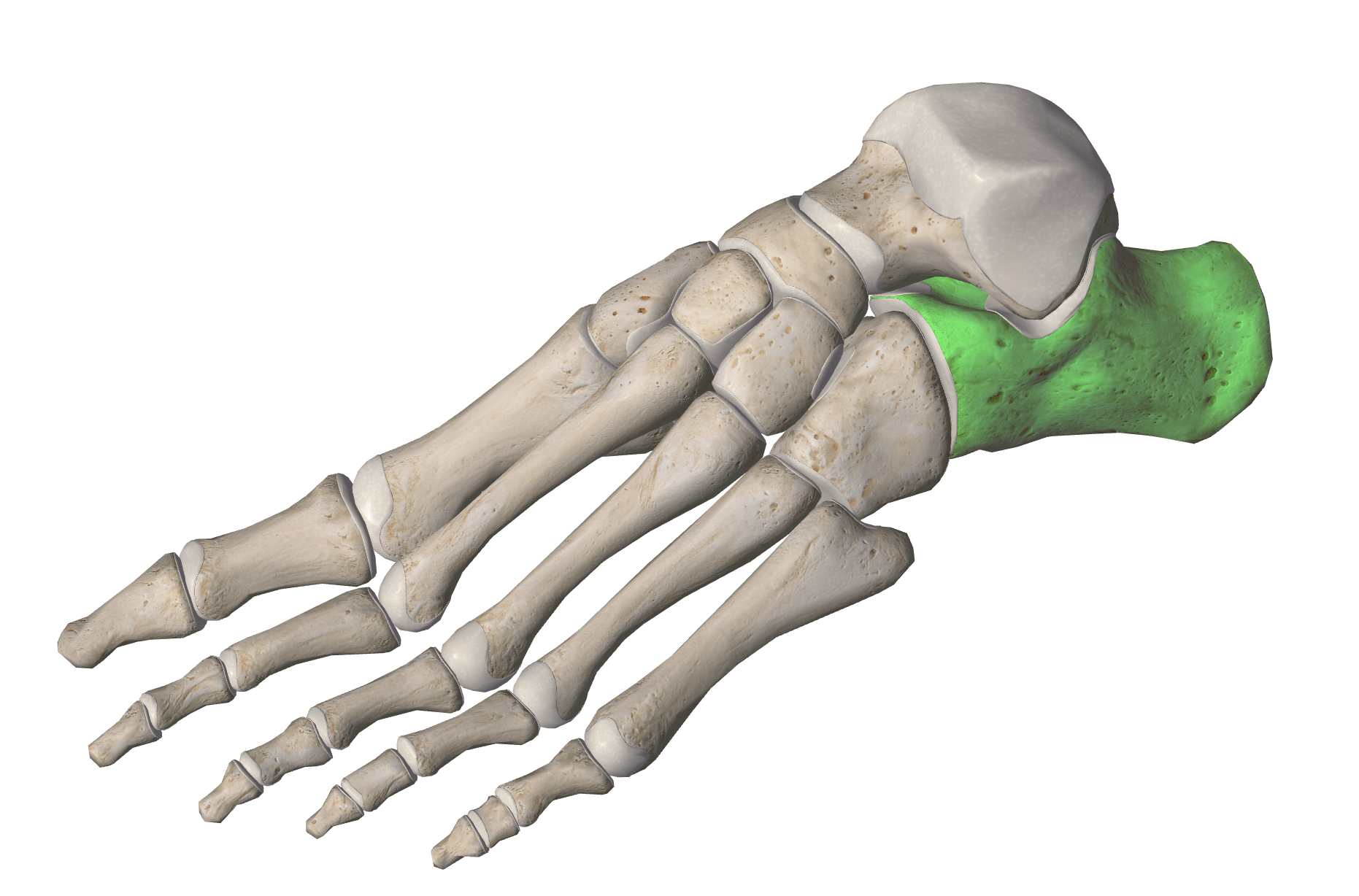
Name the bone shown in green.
a)
Femur
b)
Calcanous
c)
Patella 
d)
Fibula
15.

What bone articulates with the coxal bone at the acetabulum?

a)

Tibia

b)

Fibula

c)

Femur

d)

Humerus

16.

The head of the humerus articulates with the

a)

Tarsals

b)

Acetabulum

c)

Glenoid cavity

d)

Trochlear notch

17.

The anatomical name for the big toe is the

a)

Popliteal

b)

Pollex

c)

Hallux

d)

Patella

18.
How many bones are there in the human body?
a)
208
b)
126
c)
206
d)
80
19.

At what age are nearly all bones completely ossified?

a)

25 years

b)

15 years

c)

5 years

d)

Birth

20.

Identify the structure indicated in the image.

a)

manubrium

b)

body of sternum

c)

xiphoid process

d)

rib cage

e)

sternum

21.

#4

a)

Pisiform

b)

Triquetrum

c)

Hamate

d)

Capitate

22.

#3

a)

Trapezium

b)

Hamate

c)

Capitate

d)

Trapezoid

23.

#7

a)

Lunate

b)

Hamate

c)

Triquetrum

d)

Scaphoid

24.

Which bone is located in your lower leg (shin)?

a)

Tarsals

b)

Tibia

c)

Patella

d)

Phalanges

25.

What is the strongest bone in your body? [hint: It’s located in your upper leg]

a)

Coastal

b)

Femur

c)

Tibia

d)

foot

26.

Which of the following bones is the HEEL of the foot?

a)

Calcaneus

b)

Cuboid

c)

Cuneiform

d)

Talus

27.

This muscle flexes the elbow (7)

a)

triceps

b)

biceps

c)

latissimus dorsi

d)

deltoid

28.

This muscle flexes the trunk (4)

a)

rectus abdominus

b)

pectoralis major

c)

sartorius

d)

trapezius

29.

This muscle adducts the shoulders (8) - helps cross arms over the anterior portion of the body.

a)

Lattisimus dorsi

b)

biceps

c)

external oblique

d)

pectoralis major

30.

This muscle helps to shrug the shoulders (2)

a)

deltoid

b)

sternocleidomastoid

c)

trapezius

d)

biceps

31.

This muscle extends the elbow (6)

a)

triceps

b)

biceps

c)

latissimus dorsi

d)

external oblique

32.
Identify the muscle.
a)
Pectorals
b)
Tricep
c)
Bicep
d)
Quadriceps
33.
Identify the muscle.
a)
Quadriceps
b)
Bicep
c)
Pectorals
d)
Gastrocnemius
34.
Identify the muscle.
a)
Hamstring
b)
Pectorals
c)
Abdominals
d)
Quadriceps
35.
Identify the muscle.
a)
Hamstring
b)
Gastrocnemius
c)
Deltoid
d)
Latissimus Dorsi
36.
Identify the muscle.
a)
Bicep
b)
Tricep
c)
Deltoid
d)
Trapezius
37.
Identify the muscle.
a)
Obliques
b)
Abdominals
c)
Spinal Erector
d)
Hamstrings
38.
Identify the muscle.
a)
Gluteus Maximus
b)
Quadriceps
c)
Hamstrings
d)
Deltoids
39.
Identify the muscle.
a)
Obliques
b)
Trapezius
c)
Gluteus Maximus
d)
Latissimus Dorsi
40.
Identify the muscle.
a)
Biceps
b)
Triceps
c)
Abdominals
d)
Obliques
41.
Identify the muscle.
a)
Obliques
b)
Triceps
c)
Deltoids
d)
Gluteus Maximus
42.
Identify the muscle.
a)
Hamstrings
b)
Gastrocnemius
c)
Abdominals
d)
Pectorals
43.

What is the name of this muscle?

a)

Gracilis

b)

Adductor longus

c)

Adductor magnus

d)

Pectineus

44.

What is the name of this muscle?

a)

Soleus

b)

Tibialis anterior

c)

Tibialis posterior

d)

Extensor digitorum longus

45.

Identify this muscle

a)

deltoid

b)

masseter

c)

brachialis

d)

brachioradialis

46.

Identify the muscle labeled 11

a)

external oblique

b)

rectus abdominus

c)

internal oblique

d)

serratus anterior

47.

Identify the muscle labeled 6

a)

external oblique

b)

transverse abdominus

c)

internal oblique

d)

serratus anterior

48.
Which muscle is #2?
a)
triceps brachii
b)
flexor carpi radialis
c)
extensor carpi radialis
d)
extensor digitorum
49.

Name the highlighted muscle

a)

brachialis

b)

extensor digitorium

c)

brachioradialis

d)

sartorius

50.
Identify the muscle
a)
Sartorius
b)
Biceps femoris
c)
semitendinousus
d)
Gracilis