wayground logo

Free Printable Worksheets

NEW

Font size

S
M
L
XL
Worksheets

Ecology Test Review

Total questions: 61

Worksheet time: 1hrs 14mins

Name
Class
Date
1.
__________ is an organism that only eats plants for energy.
a)
Carnivore
b)
Herbivore
c)
Omnivore
d)
Terivore
2.
__________ is an organism that only eats meat for energy.
a)
Omnivore
b)
Borivore
c)
Herbivore
d)
Carnivore
3.
__________ is an organism that eats BOTH plants and animals for energy.
a)
Omnivore
b)
Darnivore
c)
Carnivore
d)
Herbiovre
4.
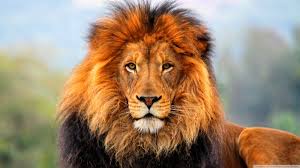
Lions only eat buffalo, antelopes, zebras and crocodiles. They are called __________.
a)
Omnivore
b)
Herbivore
c)
Carnivore
d)
Delivore
5.
Elephants only eat leaves, fruit, nuts and grass. They are called __________.
a)
Omnivore
b)
Fortivore
c)
Herbivore
d)
Carnivore
6.

Which is the primary source of energy for plants?

a)

producer

b)

consumer

c)

decomposer

d)

sun

7.
A consumer that hunts is called:
a)
a producer.
b)
an omnivore.
c)
a predator.
d)
a herbivore.
8.
Grass is considered a ...
a)
consumer
b)
producer
c)
decomposer
d)
composers
9.
The arrows in a food chain or web represents what?
a)
They point to the organism that is being eaten.
b)
It shows how sunlight flows within an ecosystem.
c)
They show what direction the energy is flowing between organisms. 
d)
They represent how water is transferred within a habitat.
10.
What percentage of energy is passed on to each tropic level?
a)
10%
b)
50%
c)
90%
d)
100%
11.
A food web can be broken down into several seperate
a)
food chains
b)
food pyramids
c)
producers
d)
consumers
12.
What are the organisms that break down dead stuff?
a)
Producers
b)
Consumers
c)
Decomposers
d)
Organisms
13.

Birds eat insects off the skin of cows. If the relationship is a type of mutualism, then the organisms that will benefit are

a)

only the cattle

b)

neither the birds or the cattle

c)

both the birds and the cattle

d)

only the birds

14.
Which relationship describes predator/prey
a)
hawks and shrubs
b)
mountain lion and deer
c)
frogs and trees
d)
grasses and crickets
15.
an organism that can produce its own food through photosynthesis
a)
consumer
b)
heterotroph
c)
autotroph
d)
herbivore
16.
Commensalism is
a)
one species benefits, the other is not affected
b)
both species benefit
c)
both species are harmed
d)
one species benefit, the other is harmed
17.
Use the diagram answer the question.
What is a fitting description for this diagram?
a)
A Food Chain
b)
An Ecosystem
c)
A Food Web
d)
Biotic and Abiotic Factors
18.
Use the diagram to answer the question.
The Mayfly is a food source for which 3 organisms?
a)
Frog, Dragon Fly and snake
b)
Frog, trout and dragon fly
c)
Frog, salamander and trout
d)
Frog and phytoplankton
19.
Biome with plants and grasses, but no trees.
a)
grassland
b)
savannah
c)
taiga
d)
tundra
20.
Biome with plants and grasses, but no trees.
a)
grassland
b)
savannah
c)
taiga
d)
tundra
21.
Biome with many scattered shrubs, tall grasses and small trees.
a)
Savannah
b)
Grassland
c)
Desert
d)
Taiga
22.
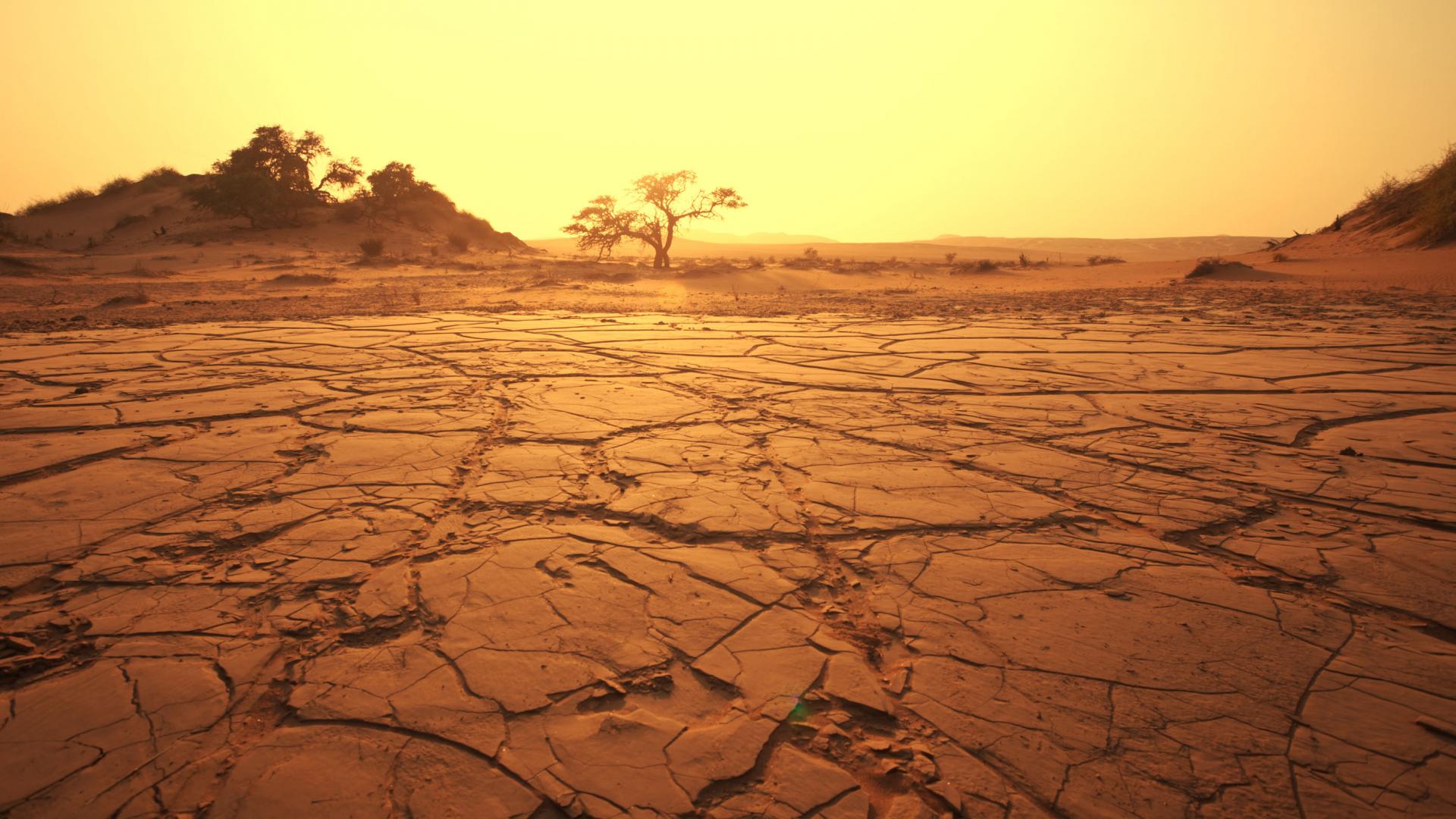
Biome with many different species of cacti and reptiles and very little rainfall.
a)
Desert
b)
Temperate Rainforest
c)
Tropical Rainforest
d)
Tundra
23.
Cold, dry biome where the soil stays frozen the entire year. Very little precipitation.
a)
savannah
b)
taiga
c)
tundra
d)
desert
24.
A group of ecosystems with similar organisms and climates.
a)
desert
b)
deciduous
c)
canopy
d)
Biome
25.
Forest biome with many different trees, mosses and ferns; most trees lose and regrow their leaves each year.
a)
temperate rainforest
b)
biome
c)
savannah
d)
boreal
26.
Northern biome with many coniferous trees; very cold temperatures in the winter months.
a)
Taiga
b)
tundra
c)
desert
d)
temperate rain forest
27.
Type of forest biome near the equator; receives a lot of rain; temperatures are warm all year.
a)
desert
b)
tropical rain forest
c)
arctic
d)
temperate rain forest
28.
Type of tree that loses and regrows leaves each year.
a)
deciduous
b)
coniferous
c)
pine tree
d)
oak tree
29.
Biome with many different species of cacti and reptiles and very little rainfall.
a)
Desert
b)
Temperate Rainforest
c)
Tropical Rainforest
d)
Tundra
30.
Cold, dry biome where the soil stays frozen the entire year. Very little precipitation.
a)
savannah
b)
taiga
c)
tundra
d)
desert
31.
A group of ecosystems with similar organisms and climates.
a)
desert
b)
deciduous
c)
canopy
d)
Biome
32.
Forest biome with many different trees, mosses and ferns; most trees lose and regrow their leaves each year.
a)
temperate rainforest
b)
biome
c)
savannah
d)
boreal
33.
Northern biome with many coniferous trees; very cold temperatures in the winter months.
a)
Taiga
b)
tundra
c)
desert
d)
temperate rain forest
34.
Type of forest biome near the equator; receives a lot of rain; temperatures are warm all year.
a)
desert
b)
tropical rain forest
c)
arctic
d)
temperate rain forest
35.
Type of tree that loses and regrows leaves each year.
a)
deciduous
b)
coniferous
c)
pine tree
d)
oak tree
36.
Plants in this biome are adapted to poor soil, extreme temperatures and less than 25 centimeters of rainfall per year.
a)
Tundra
b)
Taiga
c)
Desert
d)
Grasslands
37.
this biome has rich, fertile soil and much of the crop production in the U.S. is from this biome
a)
Grasslands
b)
Tundra
c)
Desert
d)
Tropical Rainforest
38.
This biome's soil can be described as permafrost
a)
Taiga
b)
Tundra
39.
This biome gets the highest percentage of rain yearly
a)
Taiga
b)
Temperate Deciduous Forest
c)
Tropical Rainforest
d)
Grasslands
40.
Which biome is the driest?
a)
Desert
b)
Tundra
c)
Taiga
d)
Rainforest
41.
Which biome has the most variety of plants and animals?
a)
Temperate Forest
b)
Rainforest
c)
Tundra
d)
Grasslands
42.
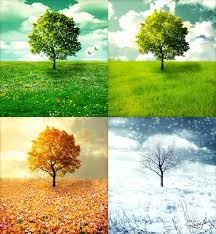
Which biome has 4 seasons?
a)
Taiga
b)
Tundra
c)
Grasslands
d)
Temperate Forest
43.
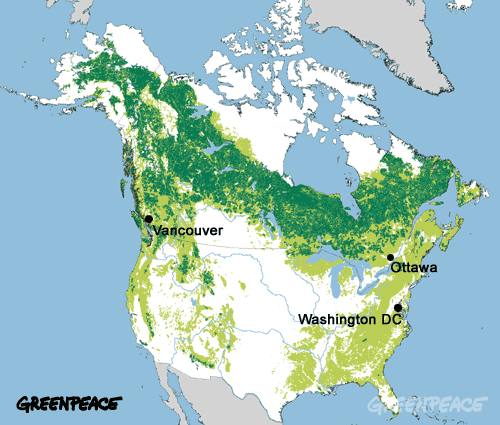
Which biome is Canada in?
a)
Tundra
b)
Taiga
c)
Temperate Forest
d)
Desert
44.

Biotic factors are

a)

Living

b)

nonliving

45.

Abiotic factors

a)

living

b)

nonliving

46.

Water would be an example of:

a)

Biotic

b)

abiotic

47.

For what are the wildcat and the fox competing?

a)

Goat

b)

rabbit

c)

owl

d)

hawk

48.

Do the owl and the bird compete for resources?

a)

Yes, for the grasshopper

b)

Yes for the mice

c)

No they do not compete

49.

A dead squirrel is an abiotic factor because it is not living anymore.

a)

True

b)

False

50.

What abiotic factor would plants compete for?

a)

Food

b)

Sunlight

c)

Parasites

d)

predators

51.

A tick living on a dog

a)

mutualism

b)

commensalism

c)

parasitism

52.

A bird building their nest in a tree.

a)

mutualism

b)

commensalism

c)

parasitism

53.

Bees and a flower

a)

mutualism

b)

commensalism

c)

parasitism

54.

A rhino and a tick bird.

a)

mutualism

b)

commensalism

c)

parasitism

55.
A relationship between two organisms in which one organism benefits and the other is unharmed...
a)
Mutualism 
b)
Competition
c)
Parasitsm 
d)
Commensalism 
56.
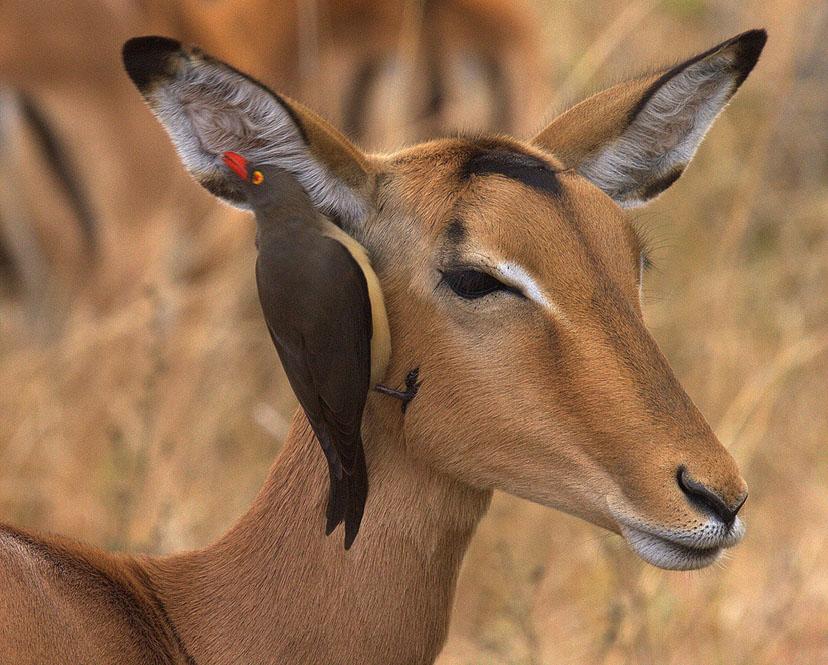
Red-billed oxpeckers are birds that often feed on parasites that infest impala.  This is an example of _______.
a)
commensalism
b)
mutualism
c)
neutralism
d)
competition
57.

Aphids are tiny insects that live on and eat the leaves of plants, removing vital nutrients from the plants.

a)

Predation

b)

Parasitism

c)

Commensalism

d)

Mutualism

58.
a)
Parasitism
b)
Mutualism
c)
Commensalism
d)
Predation
59.

This is any close relationship between any two different species in an ecosystem

a)

symbiosis

b)

parasitism

c)

mutualism

d)

commensalism

60.

Both species benefit

a)

symbiosis

b)

parasitism

c)

mutualism

d)

commensalism

61.

One species benefits, the other is unaffected

a)

symbiosis

b)

parasitism

c)

mutualism

d)

commensalism