
Font size
 Worksheets
Plants
Total questions: 107
Worksheet time: 2hrs 11mins
What is the female reproductive part of a flower called?
anther
pistil
sepal
What does the sepal do?
It is the protective covering of the flower bud.
It is the colored portion that attracts bees.
It produces pollen.
It produces the pistil.
What part of the flower produces eggs?
ovary
petal
anther
stamen
Why are flower petals colored?
They attract different kinds of animals.
The colors attract different pollen.
The colors show which flowers are poisonous to bugs.
They attract seeds.
What does a fleshy fruit protect?
cones
petals
seeds
stamens
What do seeds need to germinate?
warm temperature and water
oxygen and nutrients
water and carbon dioxide
oxygen and carbon dioxide
During which part of the life cycle does the angiosperm embryo sprout?
fertilization
pollination
germination
reproduction


Flower parts in dicots are in multiples of?
4 or 5
7
3
2

NAME THAT ROOT

What is this plant structure called?
Cone
Seed
Flower
Fruit
Which of the following is NOT a group of gymnosperms?
cycads
horsetails
conifers
ginkgoes
Which of these is a gymnosperm?
tulip
apple tree
daffodil
pine tree
A flower producing vascular plant in which the seed is enclosed in a fruit.
Conifer
Gymnosperm
Angiosperm
Fern
What is a gymnosperm?
A plant that produces seed without fruit.
A plant that produces fruit.
A plant that produces flowers.
A plant that has no roots.
Name 2 types of seed plants.
angiosperms and gymnosperms
mosses and liverworts
roses and mosses
liverworts and apple trees
The common name for the organism in the phylum Bryophyta is
horsetail
clubmoss
mosses
fern
The haploid form of the life cycle of a plant, characterized by ‘alternation of generation’ is called
seed
embryo
sporophyte
gametophyte
Most bryophytes are only a few centimetres tall because they lack
vascular tissues
reproductive organs
stems
leaves

The gametophyte produces eggs and sperm
TRUE
FALSE
Eggs and sperm cells are:
haploid
diploid
After the egg cell is fertilized by a sperm cell the resulting zygote cell grows into the sporophyte.
TRUE
FALSE
Algae, and all plants reproduce using:
The alternation of generations
Only asexual reproduction
Only sexual reproduction
Diploid gametes
Sporophytes are:
haploid
diploid
A haploid, multicellular life-cycle stage that gives rise to gametes cells by mitosis is called a ________.
sporophyte
gametophyte
spore
gamete
Leafy gametophyte is present in........
Liverworts
Hornworts
Moss
Riccia
Which of the following statements is false?
Ferns are considered advanced over mosses because ferns have roots.
Ferns are seedless plants.
Ferns lack lignified vascular tissues.
The sporophyte generation of ferns is the dominant phase in their life cycle.
During a Dryopteris sp. life cycle, meiosis take place in the ____________ to produce haploid ____________.
sporophyte,
gemmae
gametophyte,
spores
sporophyte,
spores
gametophyte,
gamete
Which of the following plants does not produce seed?
cycas
fern
pines
Gnetum sp
Which of the following is a not characteristic of Pteridophytes?
Sporophyte generation is dominant
Gametophyte
generation is dominant
Produce
spores
Has true
roots, stems and leaves
Pteridophytes are otherwise called
Nonvascular cryptogams
Vascular plants
Seedless vascular plants
None of these
Photosynthesis occurs in:
Mitochondria
Chloroplasts
Humans
Animals
What are the reactants in Photosynthesis?
Sun, CO2, glucose
glucose and oxygen
sun, carbon dioxide, water
water, glucose
In cellular respiration, carbon starts out in the glucose molecule, but ends up in a(n)
oxygen molecule
water molecule
CO2 molecule
C6H12O2 molecule
In photosynthesis, what kind of molecule does hydrogen start in?
water
oxygen
glucose
carbon dioxide
In what process does ATP get created?
photosynthesis
cellular respiration
radiation
chemical
How do humans get glucose so they can live?
breathe it in
photosynthesis
eat food
drink liquids
Cellular respiration happens
only in plants
only in animals
only in humans and animals
in plants and animals
The products of cellular respiration are
air and water
carbon dioxide, water, and ATP
glucose and carbon dioxide
ATP, glucose, and oxygen
For photosynthesis, a plant needs water, sun, and...
oxygen
carbon dioxide
glucose
mitochondria
For humans to live, we need energy. What is the name of the energy that the body makes in cellular respiration?
sugar
glucose
ATP
fructose
What is a product of photosynthesis AND a reactant for cellular respiration?
oxygen
water
carbon dioxide
Doctor Pepper


Look at the diagram. Which gas would most likely be found in the greatest amount in the bubbles?


Select the correct term for the following definition:
"The water transport system in plants."
Villi
Bronchi
Bolus
Xylem
Xylem tubes are made of...
Dead cells
Living cells
Xylem tubes transport..
Water
Mineral ions
Food substances (e.g. sucrose)
Which process are the xylem tubes part of?
Translocation
Transpiration
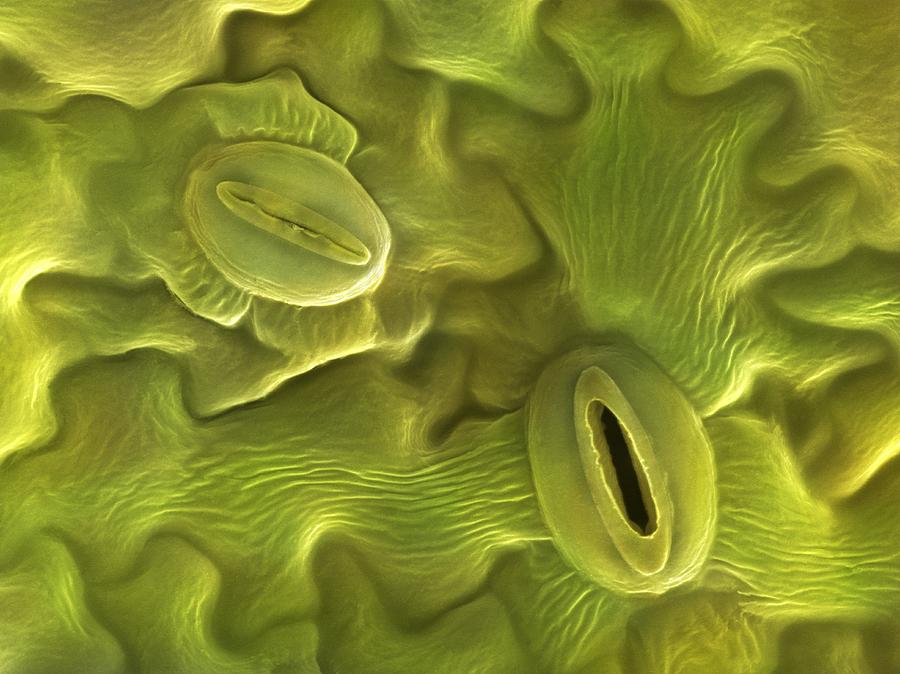

What are the functions of the roots? (Select two answers)
Absorbing Water and Minerals
Attracting Insects
Anchoring the Plant
Performing Photosynthesis
Making Nectar

What is the cell on the right of this image?
A xylem cell
A guard cell
A palisade cell
A root hair cell
What is water used for in the leaves of the plant?
Drinking
Respiration
Photosynthesis
Transport
Which type of plant produces a flower?
angiosperm
gymnosperm
both
All plants
make sugar
have roots
make flowers
have stems
What structure protects the surface of the leaf?
cambium
phloem
cuticle
front
These are tubelike cells that transport water and nutrients
xylem
cambium
veins
vascular tissue
An opening in a leaf that allows gas exchange
guard cell
stoma
chloroplast
cuticle
A frond is a leaf from a
fern
pine tree
moss
An oak tree is an example of a (an)
angiosperm
gymnosperm
Both angiosperms and gymnosperms have leaves, stems, and seeds
true
false
Carbon dioxide is absorbed through the
Stoma
Cuticle
Vessel
Palisade Cells
Chlorophyll is the ___ pigment found in the chloroplast
Blue
Green
Red
Purple
The part of the leaf that enables it to hold water by stopping water from escaping through evaporation
Cuticle
Palisade Cells
Xylem
Epidermis
What is transpiration?
Excess water being released from the aerial parts of plants in the form of water vapor
Excess sugar being released from the leave
The way a plant makes its food
When the plant uses sugar for energy
Transpiration is a part of____________?
Condensation
Sublimation
Evaporation
Precipitation
Select all of the environmental factors that would increase transpiration.
Increased humidity
Increased wind speed
Increased temperature
Decreased surface area
What is a cuticle? Choose 2
A waxy layer of a fatty substance called cutin covering the epidermis
A waxy layer of a fatty substance called cutin covering the dermis
Part of Xylem
A plant cuticle is a protecting film covering the epidermis of leaves

Ginger is a best example of ;
bulb
tuber
seeds
rhizome

What is this plant shown in picture an example of?
Bulb
Tuber
Cutting
Spore
When mosses and ferns reproduce, what do the sporophytes produce?
spores
fronds
sperm cells
egg cells
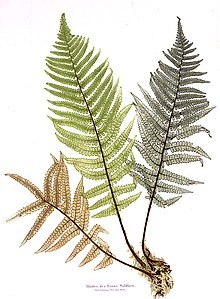
How many fronds can you see on the image?
1
2
3
4
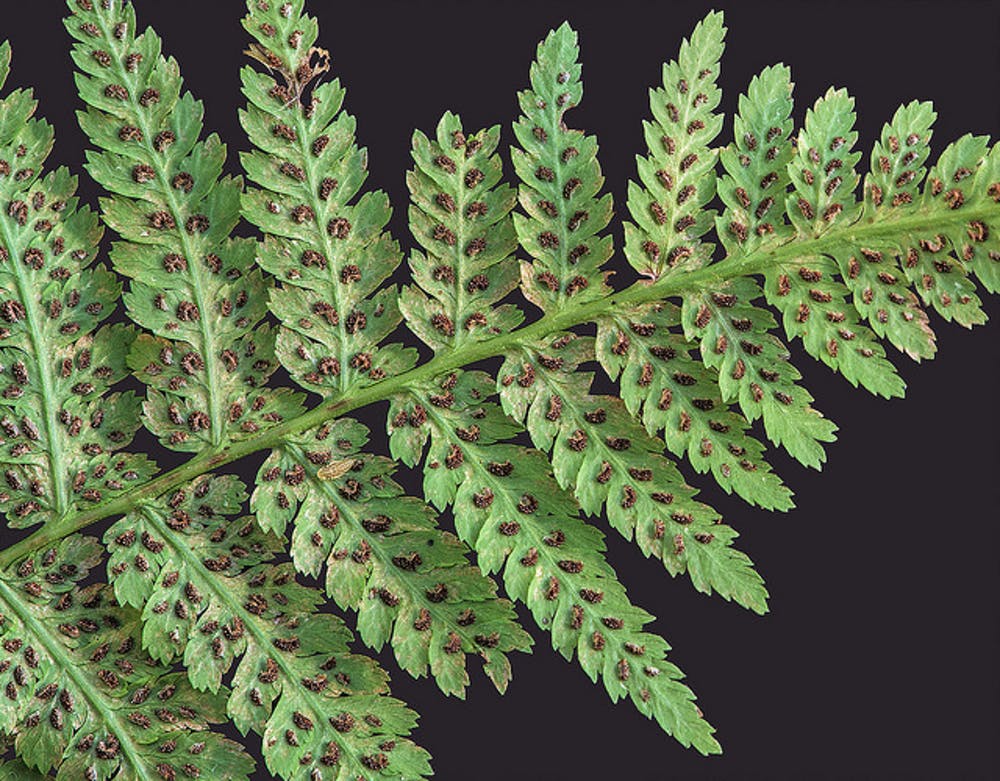
How do we call the brown spots you can see on the underside of the fern frond?
Spore seeds
Sori
Seeds
Calyptras
In the life cycle of a fern, how does a sperm cell get to an egg cell?
through the help of water
through self-pollination
through cross-pollination
through the help of the wind

Identify the image.
Life cycle of a fern
Life cycle of moss
Life cycle of a gymnosperm
Life cycle of an angiosperm

Identify the image.
Life cycle of a fern
Life cycle of moss
Life cycle of an angiosperm
Life cycle of a gymnosperm
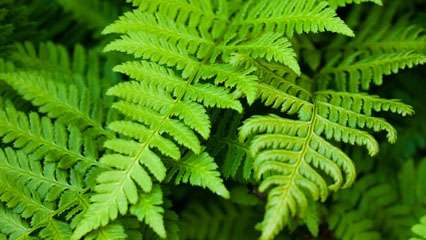
This is a...
member of phylum Bryophyta
member of phylum Pterophyta
member of phylum Coniferophyta
member of phylum Anthophyta
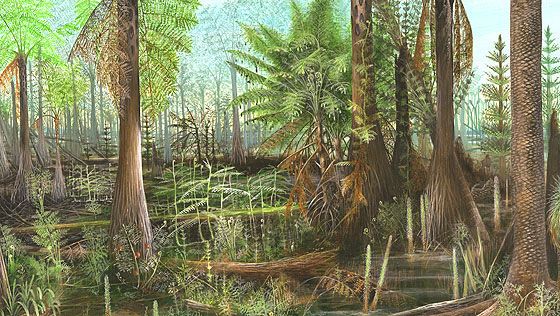
In a first forest like the one on the picture, you could find...
Bryophytes
Pterophytes
Gymnosperms
Angiosperms
The horizontal stem of the fern is called a
rhizoid
fiddlehead
sori
rhizome
Immature ferns that resemble the coiled head of a violin are called
(a)
What plants get water and nutrients from rhizoids?
a. mosses
b. conifers
c. angiosperms
What is the male part of the flower called?
pistil
ovule
style
stamen
What part of flower contains the ovules?
pistil
stamen
ovary
filament
What holds nonvascular plants in place?
rhizoids
cuticle
gymnosperm
What often stores food?
cuticle
cotyledon
gymnosperm
rhizoids
What is a young fern frond called?
fiddlehead
herbaceous
growth rings
What are stems that bend easily?
herbaceous
nonvascular plant
fiddlehead
Plants and ____________ may share a common ancestor.
animals
bryophytes
green algae
fungi
A plant with one seed leaf is called a ______________.
dicot
monocot
stamen

