
 Worksheets
Respiratory and Circulatory System
Total questions: 54
Worksheet time: 46mins
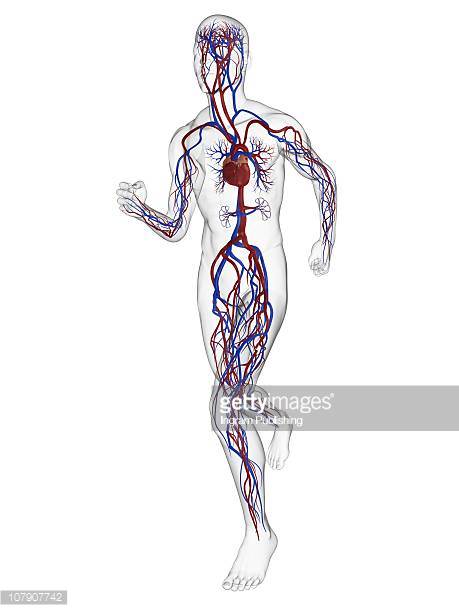
What is the main organ of the circulatory system?
small intestine
bone
lungs
heart

The job of the heart is to . . .
pump blood around the body.
send food to the small intestines.
break down food.
give energy to the body.

How does the heart work?
It pumps blood first to the lungs, back to the heart and then around the rest of the body.
It pumps blood first to the rest of the body, back to the lungs and then to the heart.
It pumps blood around the rest of the body, back to the heart and then to the lungs,

The circulatory system works with the ___________ system to provide our body with oxygen.
respiratory
digestive
muscular
skeletal

Deoxygenated blood means that the blood is low in...
Oxygen
Carbon Dioxide
About how big is the human heart?
the size of your nose
the size of your foot
the size of your fist
the size of your ear
Which of the following is not part of the circulatory system?
veins
heart
stomach
arteries
As the blood reaches the lungs, what is removed from the blood?
oxygen
carbon dioxide
red blood cells
white blood cells
The part of the blood that carries oxygen is called ___________. (Remember we can't live without our blood-line)
red blood cells
white blood cells
What gas do we breath when we exhale?
oxygen
helium
carbon dioxide
hydrogen
What connects the larynx to the lungs?
trachea
pharynx
nasal cavity
diaphragm
You can inhale through your ... (choose all that apply)
nose
skin
ears
mouth
This is a gas our cells need to survive.
helium
carbon dioxide
oxygen
nitrogen
What is the function of the respiratory system?
removes wastes from the body
provide us with oxygen and remove carbon dioxide
breaks down food for nutrients for the body
provides movement for the body
What organ does oxygen begin to enter the blood stream?
nasal cavity
lungs
bronchioles
alveoli
What are the main organs of the respiratory system that allow us to breathe and for gas exchange to happen?
diapragm
lungs
trachea
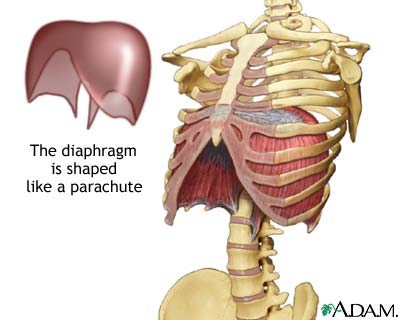
What is function of the dome-shaped diaphragm muscle?
This is where gas exchange happens.
Air passes through the diaphragm on the way to the lungs.
It attaches to the lungs and contracts and relaxes to help in breathing.
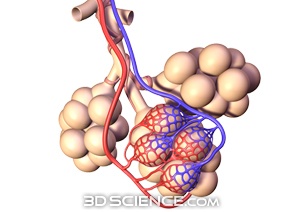
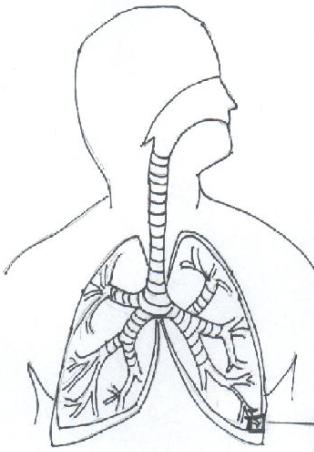
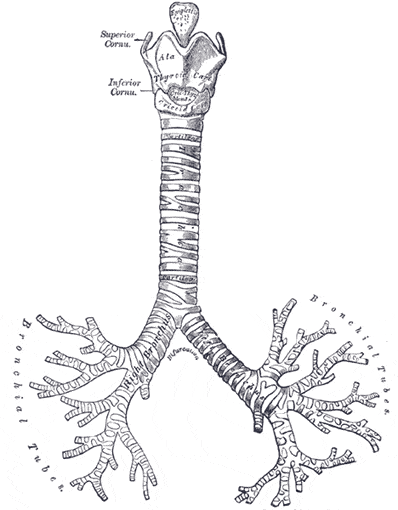
These are the two two main branches from the trachea (one to each lung)
bronchi
alveoli
capillaries
bronchioles

What type of cells carry oxygen in the blood?
red blood cells
white blood cells
When bronchi become smaller they are called........
Bronchioles
Bronchus
Lungs
Alveoli
What allows the lungs to inflate and deflate?
Bronchi
Diaphragm
Alveoli
Cells
Spasms of this muscle causes hiccups
Heart
Lungs
Diaphragm
Alveoli
The heart is made of which of the following types of muscles?
Cardiac muscle
Striated muscle
Smooth muscle
None of the above
Which of the following are chambers of the heart?
Valves
Atrium and ventricle
Arteries and veins
Sinoatrial nerve
Blood clots can cause a heart attack
True
False
The pulmonary artery is the artery that carries the blood to your heart from your lungs.
True
False
How are arteries and veins different?
One is bigger than the other.
The arteries carry more blood than the veins.
The arteries carry blood away from the heart while veins carry blood to the heart.
The veins carry blood away from the heart while arteries carry blood to the heart.
Which chamber in the heart collects oxygen poor blood?
Right Atrium
Right Ventricle
Left Atrium
Left Ventricle
Which chamber in the heart collects oxygen poor blood?
Right Atrium
Right Ventricle
Left Atrium
Left Ventricle
Which chamber in the heart collects oxygen rich blood?
Right Atrium
Left Ventricle
Left Atrium
Right Ventricle
Which chamber in the heart pumps oxygen poor blood to the pulmonary artery?
Right Ventricle
Left Ventricle
Aorta
Right Atrium
Which chamber of the heart pumps oxygen rich blood to the aorta?
Pulmonary Artery
Left Atrium
Left Ventricle
Right Ventricle
What is the main artery in our body carrying oxygen rich blood?
Aorta
Pulmonary
What artery carries oxygen rich blood to the lungs to pick up oxygen?
Aorta
Pulmonary
What organ in the lungs puts oxygen into the blood?
Bronchioles
Bronchi Yubes
Diaphragm
Alveoli
How does the heart muscle move the blood between your heart, lungs and the rest of the body?
Magic
Diaphragm muscle pushes the blood around your body
Muscle contractions and relaxations
Who knows, ask a scientist
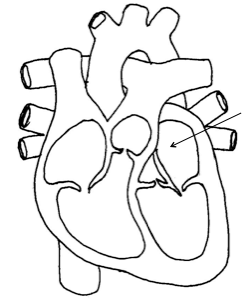

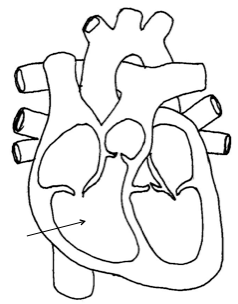

R.artrium
L.artrium
left atrium
right atrium
Left ventricle
Right ventricle
what is the part as labeled num 1
aorta
lung
hart



