
 Worksheets
TIA Review Quizz
Total questions: 40
Worksheet time: 29mins
What type of economy did the New England region have?
cash crop plantations
staple crop farms
ocean-based (fishing, shipbuilding)
fur trapping
What was the geography like in the New England region?
long growing seasons
rocky soil and thick forests
hot and humid
Plantations
Which party would believe this statement : "A strong central government would becoming just like a king, taking away people's individual rights"
Federalists
Anti-Federalists
Which party would believe this statement : "A strong central government is essential to the survival of our nation"
Federalists
Anti-Federalists
Wanted the ratification of the Constitution
Federalists
Anti-Federalist
Opposed the ratification of the Constitution
Federalists
Anti-Federalist
How did the invention of the cotton gin contribute to the expansion of the plantation system?
by reducing the number of slaves needed for growing cotton
by increasing the time needed to cultivate cotton
by increasing the profitability of slavery
by reducing the demand for raw cotton
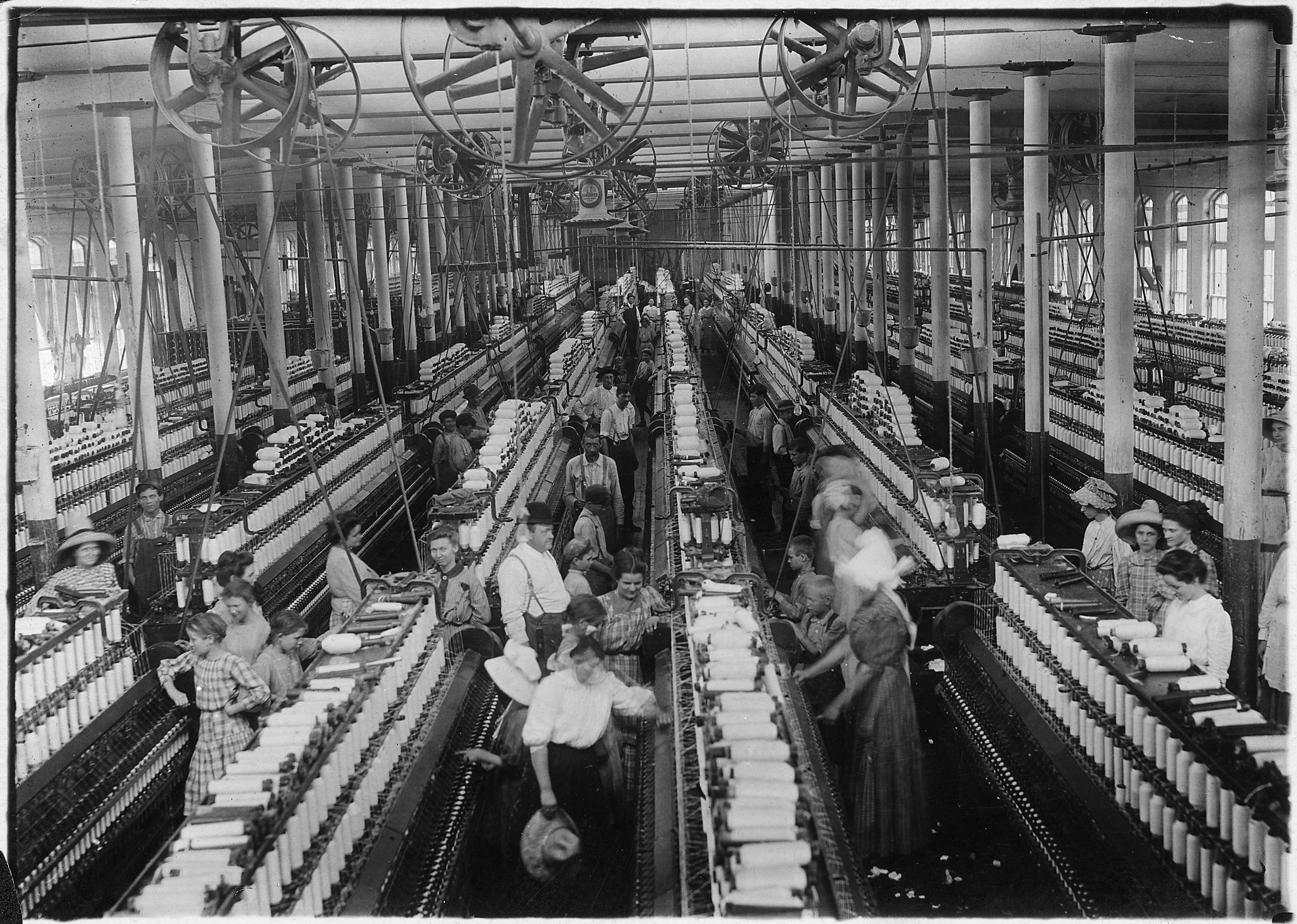
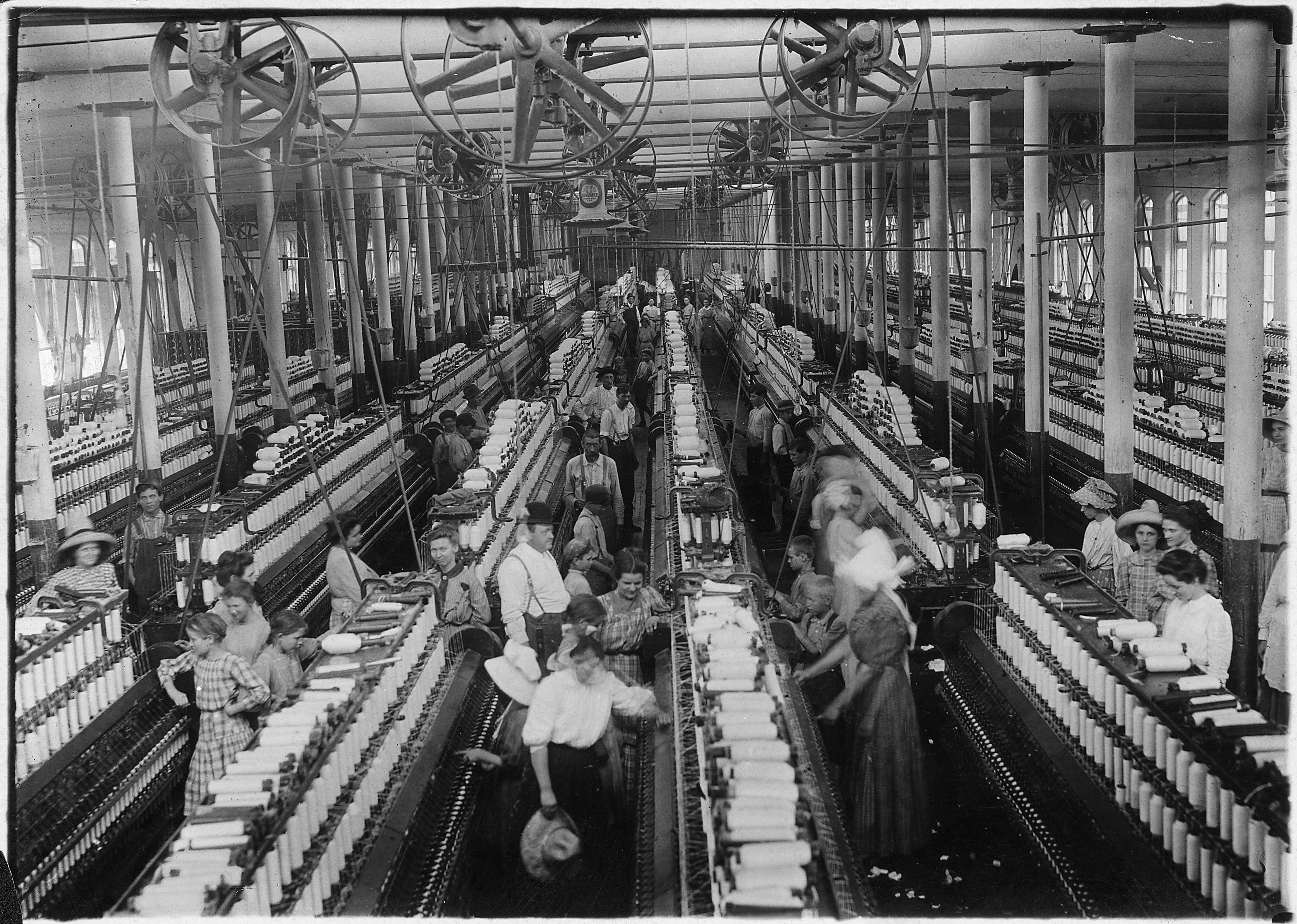

How did the US economy change after the War of 1812?
Manufacturing increased because of the interruption of trade with Britain
Agriculture increased because of the Embargo Act of 1807
Plantation farming increased because there were more slaves
Imports of materials increased because of the British sale of goods
Which are effects of the War of 1812?
US Manufacturing growing, Increased American Patriotism (Nationalism), and weakened Native American resistance
Impressment of US citizens and interference with American shipping
Impressment of sailors and US manufacturing growth
The Embargo Act of 1815 after the British burned the White House
A form of government where voters choose representatives to exercise the power voters give to them, on their behalf.
Individual Rights
Popular Sovereignty
Bill of Rights
Republicanism
Closely connected to the Separation of Powers, this principle was created by the Founding Fathers to ensure that three branches of government, the legislative, executive, and judicial, would be able to limit the power of the other branches.
Limited Government
Separation of Powers
Checks and Balances
Federalism
This principle was established to share powers between the federal and state governments.
Limited Government
Separation of Powers
Checks and Balances
Federalism
What is Judicial Review?
The courts can review laws and declare them unconstitutional
Judges have a review system for some court cases
The courts have the ability to reverse a decision
Violent protest involving name calling
and snowballs and the death of five colonists.
Proclamation of 1763
Boston Tea Party
Boston Massacre
Intolerable Acts
To protest the increased price on tea, rebellious colonists held a “party”, dumping tea into the harbor.
Boston Massacre
Townshend Act
Boston Tea Party
Intolerable Act
Prohibited colonists from settling on land west of the Appalachian Mountains.
Proclamation of 1763
Townshend Acts
French and Indian War
Intolerable Acts
The best definition for DIVERSITY:
variety/range of different things
willingness to tolerate something
far away from other places
the study of how people choose to use their resources
Colonist didn't like the Tea Act because....
It created a British enforced monopoly (complete control) in that limited their choices and they had to get their tea from England
It created a tax on paper goods that made it completely unaffordable
It allowed more troops into Boston
1. Which of the following was a major reason for the issuance of the Monroe Doctrine?
discourage United States trade with Latin America
defend the Panama Canal from Great Britain
prevent further European colonization in the Americas
provide economic aid to Latin American nations
The belief that the United States was destined to stretch all the way across the continent of North America from coast to coast?
Manifest Destiny
Bill of Rights
Mexican-American War
Gold Rush

Alexander Hamilton held which public office during Washington's administration?
Hamilton was a member of this original American political party and became it's leader...
The Anti-Federalists
The Federalists
The Democratic Republicans
The Whigs

