wayground logo

Free Printable Worksheets

Font size

S
M
L
XL
Worksheets

Ecology Review 2024

Total questions: 44

Worksheet time: 22mins

Name
Class
Date
1.
What does every food chain start with? (Even if it's not drawn or written there!)
a)
producers
b)
sun
c)
consumer
d)
decomposers
2.
An organism that needs to eat other organisms to obtain energy is known as a:
a)
Autotroph
b)
Producer
c)
Consumer
d)
Mutualist
3.
Consumer that eats plants
a)
heterotroph
b)
herbivore
c)
producer
d)
community
4.
What does a food web represent?
a)
All connections of energy flow throughout all organisms in a habitat.
b)
The specific ways that mutualism is carried out.
c)
A single pathway or energy flow between organisms. 
d)
How carnivores get their food. 
5.
The rabbit in this food web would be considered a:
a)
Decomposer
b)
Producer
c)
Secondary Consumer
d)
Primary Consumer
6.
Where an organism lives
a)
habitat
b)
niche 
c)
heterotrogh
d)
biosphere
7.
The image provided is an example of a(n):
a)
Carnivore
b)
Herbivore
c)
Producer
d)
Autotroph
8.
The nonliving aspects of an ecosystem.
a)
Abiotic factors
b)
Biotic factors
9.

All the living as well as all of the nonliving aspects of the environment.

a)
Population
b)
Community
c)
Habitat
d)
Ecosystem
10.

 Plants that convert energy from the sun are called the?

a)

decomposers

b)

primary consumers

c)

secondary consumers

d)

producers

11.
Members of a species in a defined area
a)
Ecosystem
b)
community
c)
biodiversity
d)
population
12.
Organisms that obtains its energy from abiotic sources, such as sunlight or inorganic chemicals
a)
Autotroph
b)
Heterotroph
c)
Omnivore
d)
Carnivore
13.
An area where an organism finds food, shelter and water in a specific arrangement
a)
niche
b)
biosphere
c)
biome
d)
habitat
14.
The study of how living things interact with one another and with their environment.
a)
Biology
b)
Lithology
c)
Ecology
d)
Farmacology
15.

The _______ is the main source of energy for all living things.

a)

sun

b)

son

c)

battery

d)

fuel

16.

Plants are called _____________ as they make their own food.

a)

consumers

b)

producers

c)

decomposers

d)

conductors

17.

A diagram that shows one energy transfer from one organism to another.

a)
Carrying Capacity
b)
Producer
c)
Food Chain
d)
Balance of Nature
18.

A diagram that shows how all the food chains are connected in an ecosystem?

a)
Producer
b)
Limiting Factor
c)
Consumer
d)
Food Web
19.

Organism that eats other organisms to get energy are called?

a)
Producer
b)
Consumer
c)
Plant
d)
Food chain
20.
A parrot eats fruit, seeds, and insects.  Which of the following terms best describes a parrot?
a)
Herbivore
b)
Carnivore
c)
Producer
d)
Omnivore
21.

The arrow in a food chain and food web shows?

a)

how energy tops in an ecosystem

b)

how energy flows in an ecosystem

c)

the amount of heat transferred

d)

nothing

22.

Which of the following animals is a predator?

a)

Rabbit

b)

Deer

c)

Lion

d)

Grasshopper

23.

What happens if a species in a food chain goes extinct?

a)

It has no effect on the food chain

b)

It can disrupt the food chain and affect other species

c)

More food for the remaining species

d)

The food chain becomes stronger

24.

Which of the following is a decomposer?

a)

Wolf

b)

Mushroom

c)

Shark

d)

Eagle

25.

Bears eat berries and salmon. Bears are ...

a)

producers

b)

carnivores

c)

omnivores

26.

Look at the food chain. How do foxes get energy?

a)

from eating rabbits

b)

from eating grass

c)

from the sun

d)

from eating other foxes

27.
Which organism is a producer?
a)
deer
b)
trees
c)
birds
d)
worms
28.

One arctic food chain consists of polar bears, fish, seaweed, and seals. Which sequence demonstrates the correct flow of energy between these organisms?

a)

fish → seaweed → polar bears → seals

b)

polar bears → fish → seals → seaweed

c)

seaweed → fish → seals → polar bears

d)

seals → seaweed → fish → polar bears

29.
What is this called?
a)
Food Web
b)
Food Chain
c)
Abiotic Factors
30.
When writing an example of a food chain, you start by writing the smallest organism (with the most energy) ...
a)
all the way to the right
b)
all the way to the left
c)
in the middle
d)
the order doesn't matter
31.
The organism that eats the secondary consumer is called the
a)
primary consumer
b)
tertiary consumer
c)
secondary consumer
d)
producer
32.

What is a trophic level in a food chain?

a)

A measure of the amount of heat energy in an ecosystem.

b)

The sequence of events during photosynthesis.

c)

The position an organism occupies in the food chain.

d)

A classification system for water bodies.

33.

Which statement is an example of how carbon moves through a food chain as part of the carbon cycle?

a)

Producers release carbon dioxide, and consumers take it in.

b)

Producers take in carbon dioxide, and consumers release it.

c)

Producers take in carbon from the soil, and they release it when they decompose.

d)

Producers release carbon into the soil, and consumers take it in from the soil.

34.
Which organism in figure 1 contains the most available energy?
a)
plants
b)
mountain lions
c)
hawks
d)
none of the above
35.
In the energy pyramid below, which organism has the least amount of energy available?
a)
Producers
b)
Herbivores
c)
Carnivores
d)
Top Predator
36.
What is a trophic level?
a)
Each level represented within a food chain or web.
b)
Levels of ecosystems that the world is divided into.
c)
Different levels of nutrients present within an organism.
d)
The levels of sunlight an autotroph needs to survive. 
37.
An energy pyramid represents what?
a)
How much sunlight is available for the ecosystem to use. 
b)
How much energy a particular organism needs. 
c)
How much energy is needed to build a pyramid. 
d)
The amount of energy available to the next 'feeder' in a food web.
38.

Which trophic level has the least amount of energy?

a)

1

b)

2

c)

3

d)

4

39.

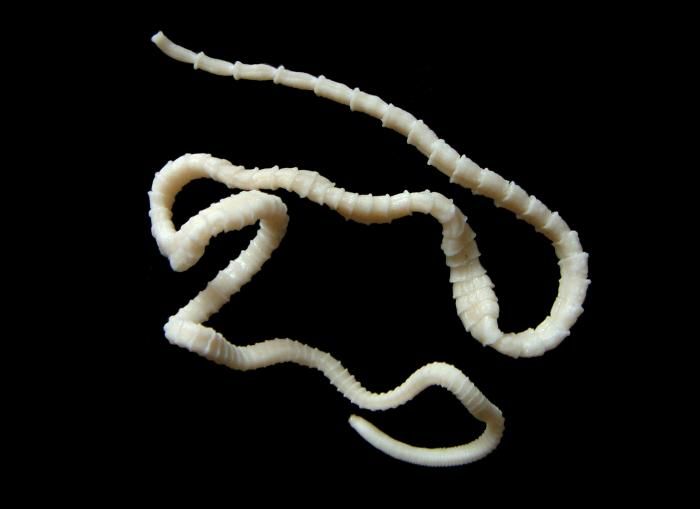
A tapeworm lives in the intestines of animals. It harms the animal it lives in. That means the tapeworm is a (a)   and the animal is its ​ (b)  

Choose from the below words
parasite
host
40.
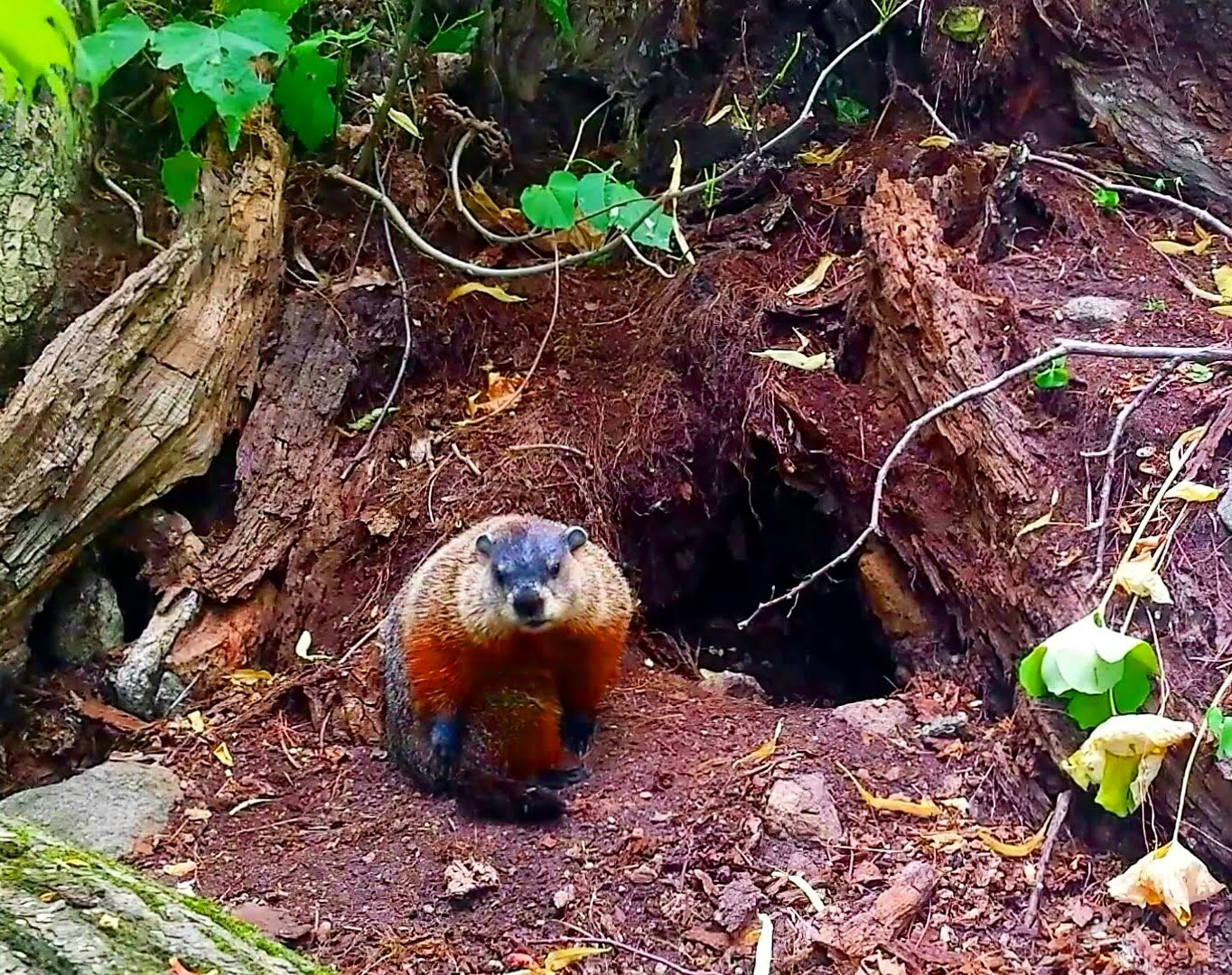
What type of symbiosis?  Skunks often live in burrows that have been dug and abandoned by woodchucks.  
a)
commensalism
b)
mutualism
c)
parasitism
d)
predation
41.

Aphids are tiny insects that live on and eat the leaves of plants, removing vital nutrients from the plants.

a)

Predation

b)

Parasitism

c)

Commensalism

d)

Mutualism

42.
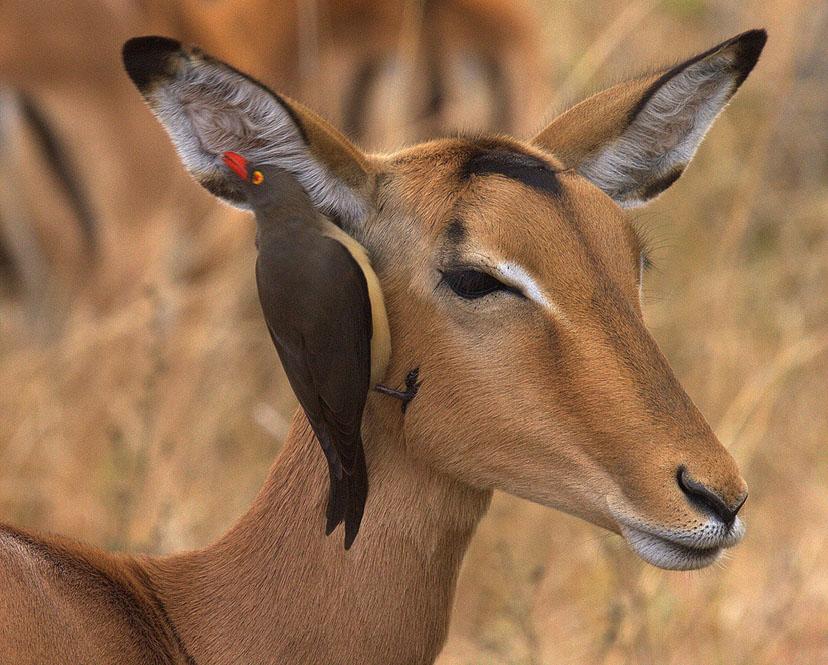
Red-billed oxpeckers are birds that often feed on parasites that infest impala.  This is an example of _______.
a)
commensalism
b)
mutualism
c)
neutralism
d)
competition
43.

Match these terms

a)
Mutualism 
1.

both organisms benefit

b)
Parasitsm 
2.

one organism harms the other

c)
Commensalism 
3.

one benefits; the other doesn't care

44.

Clown fish live among anemones, acting as a lure for the sea anemone's prey. The clown fish get protection and shelter from the anemone. This is an example of which type of symbiosis?

a)

Commensalism

b)

Mutualism

c)

Parasitism