
 Worksheets
Organisation Plants & Animals Yr9 Calday
Total questions: 65
Worksheet time: 53mins


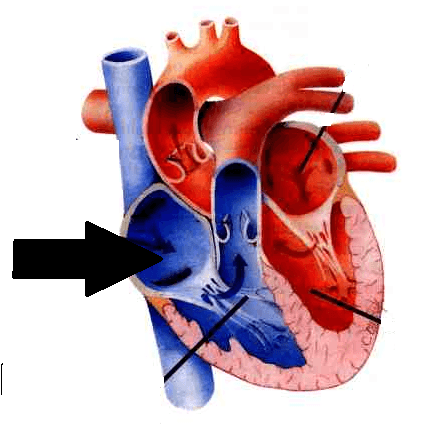
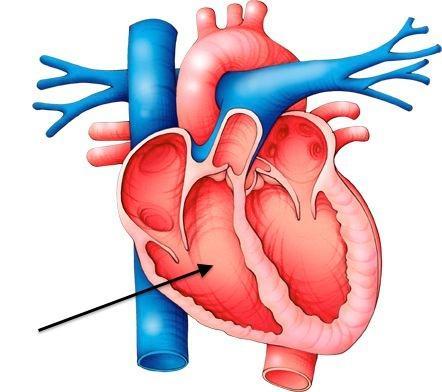
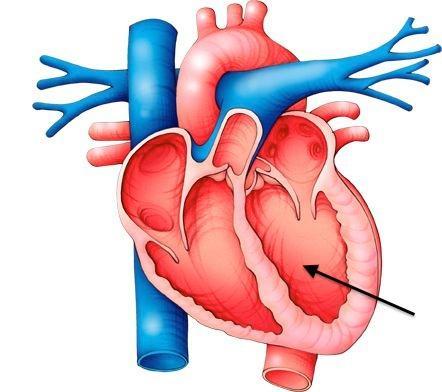
Which of the following are chambers of the heart?
Valves
Atrium and ventricle
Arteries and veins
Sinoatrial nerve
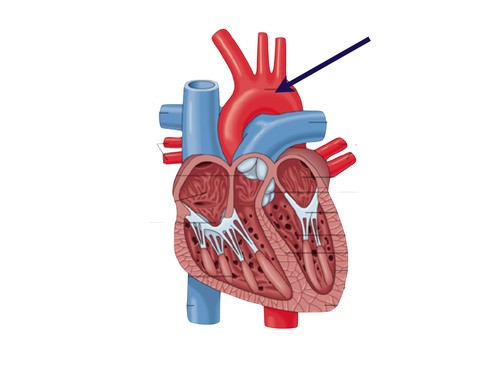
The pulmonary artery is the artery that carries the blood to your heart from your lungs.
True
False
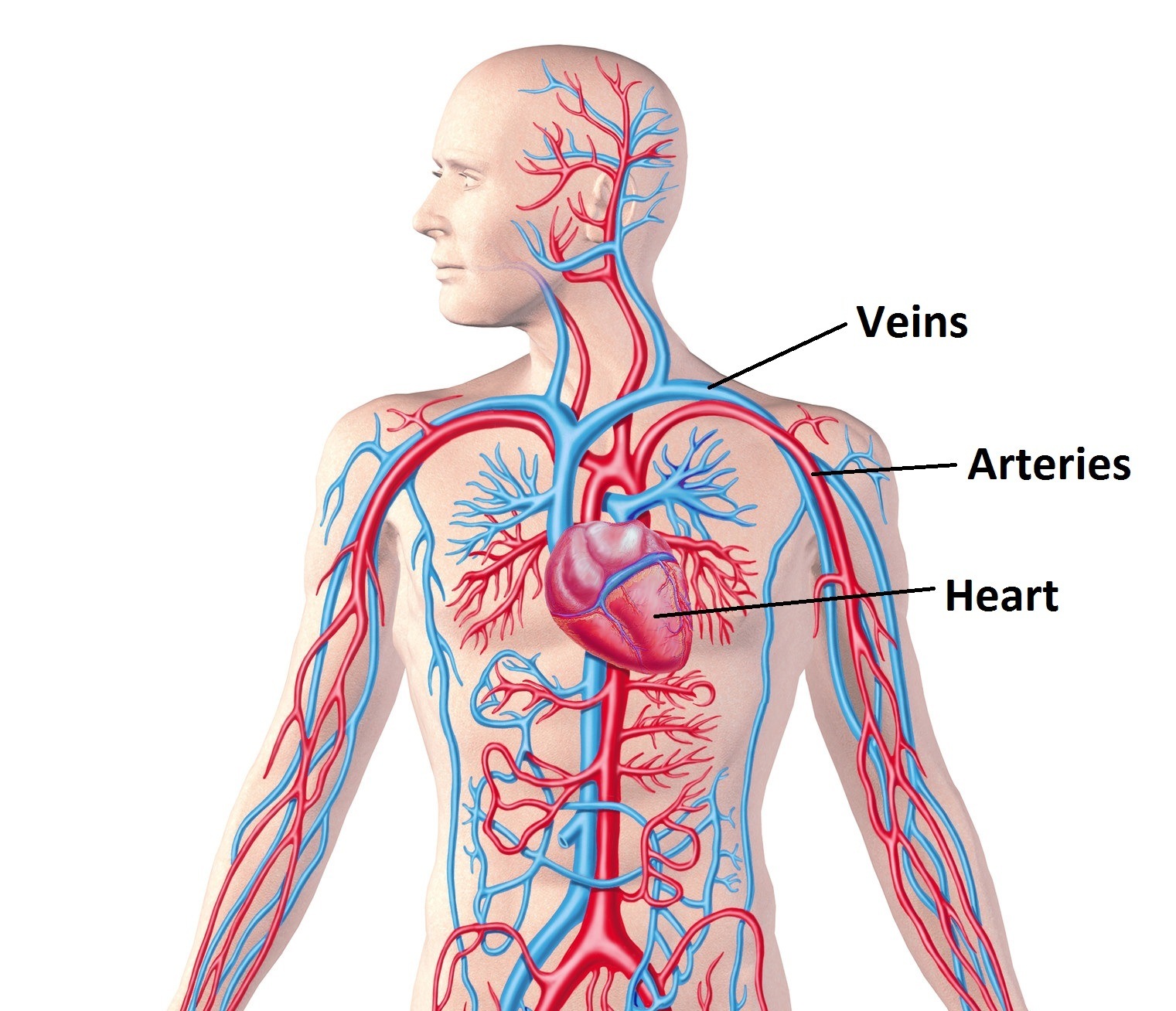
Which system allows blood to circulate throughout the body to transport oxygen and nutrients to all the cells and tissues?
Nervous
Respiratory
Circulatory
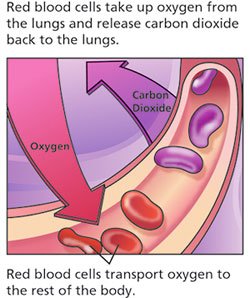
These cells, in the blood, carry oxygen and give the blood its color.
white blood cells
plasma
platelets
red blood cells
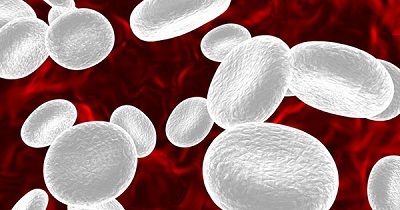
The cells in the blood that help fight germs like bacteria and viruses
red blood cells
platelets
white blood cells
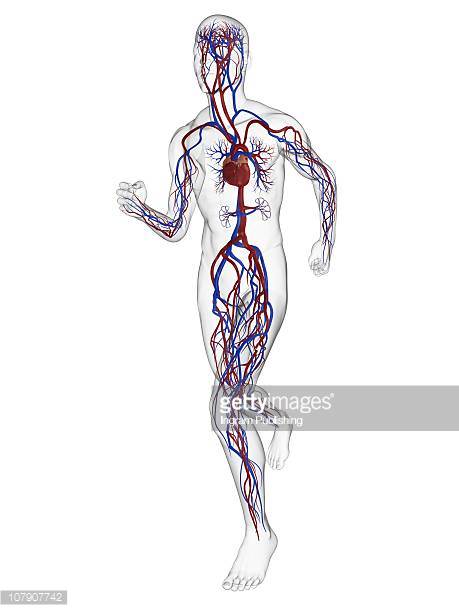
What is the main organ of the circulatory system?
small intestine
bone
lungs
heart
Human blood vessels are
artries, capillaries, and atria
ventricles, atria and pulmonary veins
capillaries, artries, and veins
veins, artries, and aorta
The blood vessel that has valves at intervals...
capillary
artery
vein
none of the above

tiny sacs of lung tissue specialized for the movement of gases between air and blood.
lungs
bronchi
alveoli
diaphragm
tiny, hairlike projections in the airway that move in a wavelike manner.
alveoli
cilia
trachea
lungs
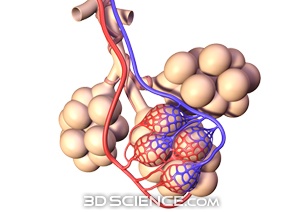
What is the site of gas exchange?
alveoli
nose
lung
bronchi
The two narrower tubes branching from the trachea that leads into the lungs
nose
bronchi
lungs
alveoli
The large muscle that contracts and relaxes and moves air in and out of the lungs.
epiglottis
alveoli
diaphragm
trachea
The air tubes in your lungs branch off into smaller, narrower tubes called
bronchioles
trachea
larynx
cilia
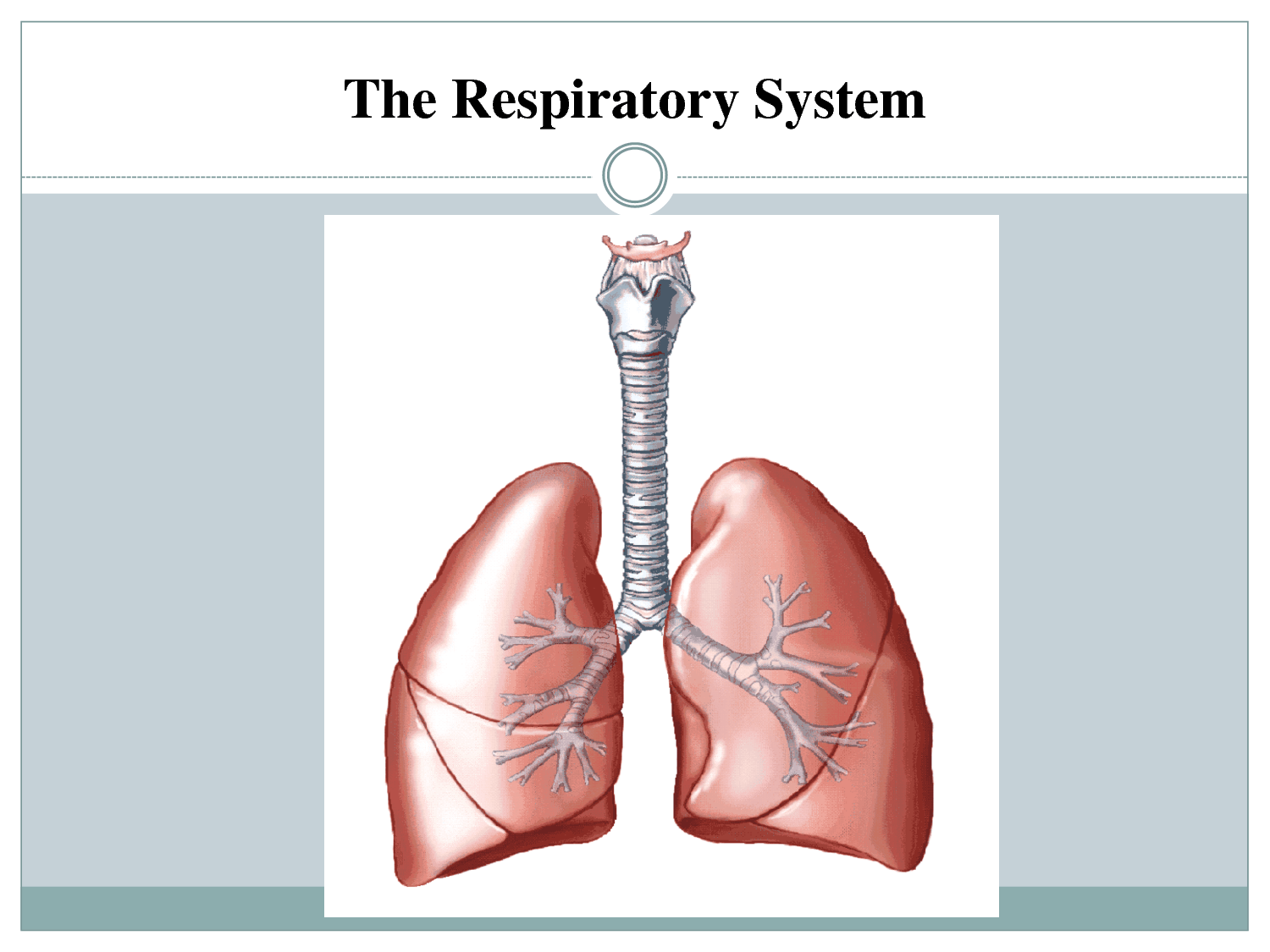
What is the meaning of coronary heart disease (CHD)?
A disease of the damage septum in heart
A disease when you eat a lot of unhealthy food
A disease when your coronary arteries become narrower because the plaque buildup
A disease when you become lazy to do exercise

If fatty deposits form inside the coronary artery, the artery becomes
wider
narrower

What is this
statin treatment
stent treatment
Statins are drugs that
reduce blood cholesterol
dissolve the fat inside arteries
Statins lower blood cholesterol which
increases the amount of cardiac muscle in the heart
slows down the rate of fatty deposits inside arteries
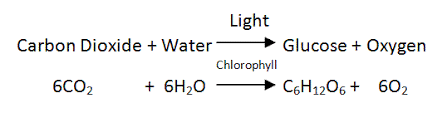
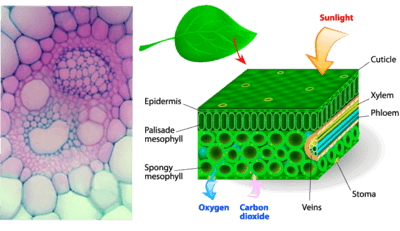
Recall that the movement of food in the phloem is called.
Translocation
Transpiration stream
Evaporation
Respiration
Which of the statement is true?
sinks: places where sugar is made
sinks: places where water is made
sinks: places where sugar is delivered to
sinks: places where water is delivered to
Translocation is the
transport of water in the xylem
transport of water in the phloem
transport of sugar in the xylem
transport of sugar in the phloem
Active transport is the movement of substances
from an area of lower concentration to higher concentration
from an area of lower concentration to lower concentration
from an area of higher concentration to lower concentration
from an area of higher concentration to higher concentration
Diffusion is the movement of substances
from an area of lower concentration to higher concentration
from an area of lower concentration to lower concentration
from an area of higher concentration to lower concentration
from an area of higher concentration to higher concentration
How is sugar transported in the plant?
though diffusion which requires energy
through active transport which requires energy
though diffusion which does not require energy
though active transport which does not require energy
What is transpiration?
Excess water being released from the aerial parts of plants in the form of water vapor
Excess sugar being released from the leave
The way a plant makes its food
When the plant uses sugar for energy
Transpiration is a part of____________?
Condensation
Sublimation
Evaporation
Precipitation
Water transported from stems to leaves through what?
xylem
phloem
stems
roots
Select all of the environmental factors that would increase transpiration.
Increased humidity
Increased wind speed
Increased temperature
Decreased surface area
Which is true?
99% of water taken by the plant evaporates through transpiration
9% of water taken by the plant evaporates through transpiration
Evaporation through transpiration accounts only for 1% of all the water the plant takes in
Evaporation through transpiration is minuscule
Adaptation to reduce transpiration
Broader leaves
absence of cuticle
More stomata
Narrow leaves
Water molecules pull each other up the xylem due to ______________.
capillary action
root pressure
osmosis
active transport
Which of the following indicates the pathway of water through a plant?
root hair cell --> xylem --> Mesophyll --> substomatal space --> stomata
substomatal space -- > stomata --> root hair cell --> xylem --> Mesophyll
xylem --> stomata --> root hair cell --> Mesophyll --> Substomatal space
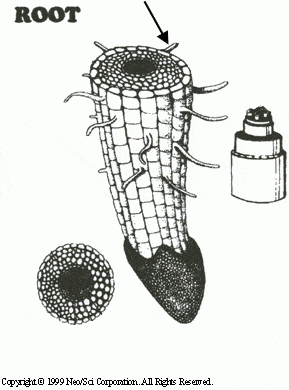
What is the name of the part of the root that allows water and minerals enter?
root hairs
epidermis
phloem
phyla
The plant tissue that carries food DOWNWARD from the leaves to the rest of the plant is the ....
phloem
stomata
chlorophyll
xylem

