wayground logo

Free Printable Worksheets

NEW

Font size

S
M
L
XL
Worksheets

Unit #2 EOC Review

Total questions: 60

Worksheet time: 55mins
Name
Class
Date
1.
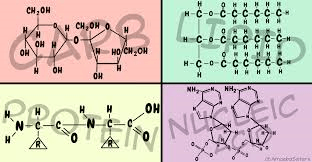
What biomolecule do enzymes belong to? 
a)
Carbohydrate
b)
Lipid
c)
Nucleic Acid
d)
Protein
2.
Which biomolecule is found in pasta and bread?
a)
Lipid
b)
Protein
c)
Nucleic Acid
d)
Carbohydrate
3.
Which biomolecule is found in fats, oils, and waxes and is a source of long-term energy
a)
Proteins
b)
Nucleic Acid
c)
Lipids
d)
Carbohydrate
4.
Which biomolecule is a main source of quick energy?
a)
Nucleic Acid
b)
Protein
c)
Lipid
d)
Carbohydrate
5.
What is the function of a nucleic acid?
a)
Stores genetic information
b)
Stores energy
c)
Quick source of energy
d)
Builds structures
6.
Carbon, Hydrogen, Oxygen and Nitrogen are elements in what biomolecule?
a)
Carbohydrate
b)
Lipid
c)
Protein
d)
Nucleic acid
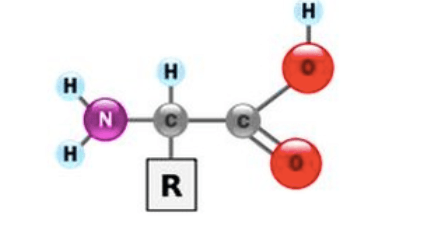
7.
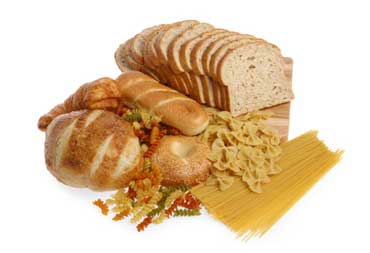
Which biomolecule is this a picture of?
a)
Protein
b)
Nucleic Acid
c)
Lipid
d)
Carbohydrate
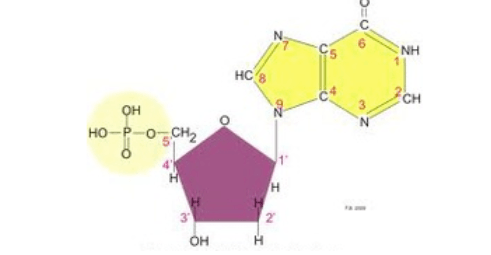
8.
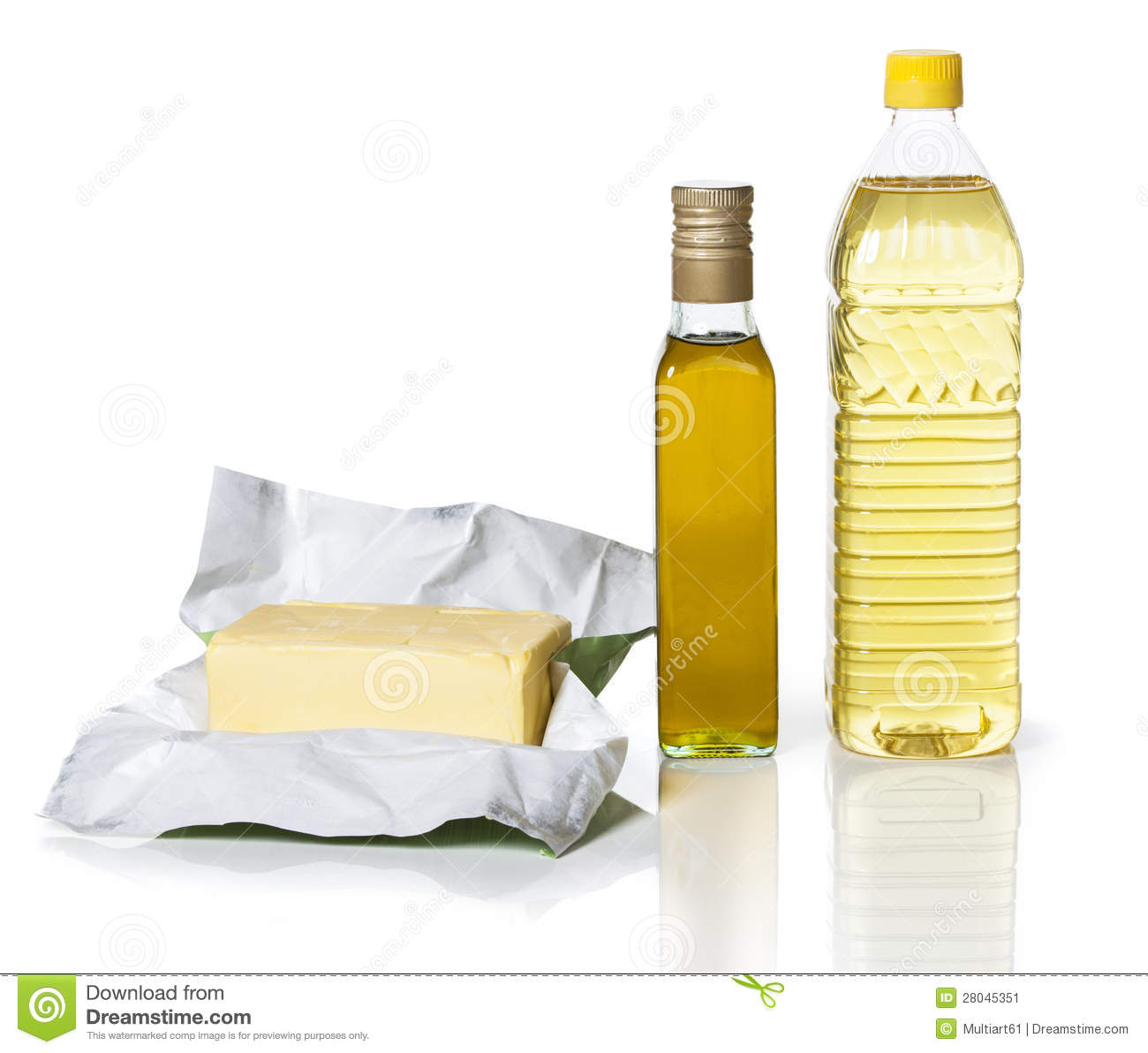
Which biomolecule is this a picture of?
a)
Protein
b)
Nucleic Acid
c)
Lipid
d)
Carbohydrate
9.
What elements are common to all 4 biomolecules?
a)
Carbon, hydrogen, nitrogen
b)
Carbon, Nitrogen, Phosphorus
c)
Carbon, Hydrogen, Oxygen
d)
Carbon, Hydrogen, Phosphorus
10.
A monomer is ...
a)
a single atom
b)
a building block for polymers
c)
a single element
d)
is an inorganic molecule
11.
What is the purpose  of an enzyme?
a)
give permission for the reaction
b)
raise activation energy
c)
speed up reactions
d)
control how many reactions occur
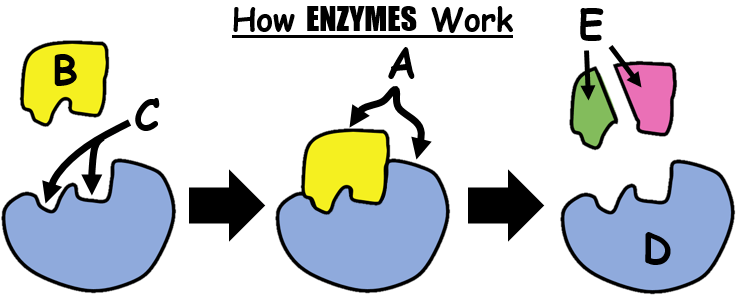
12.
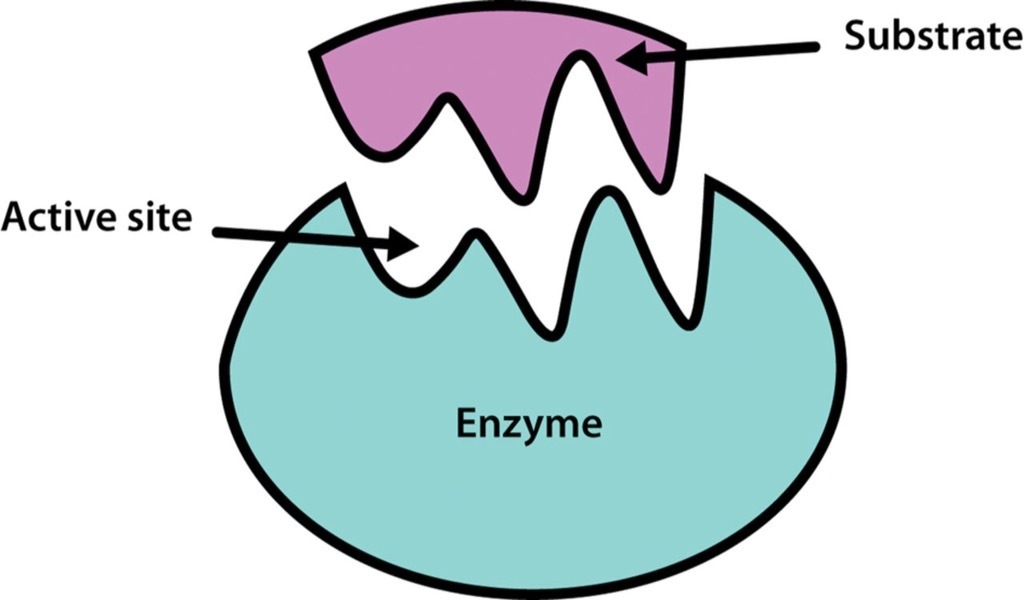
Letter D...
a)
active site
b)
enzyme
c)
substrate
d)
products
13.
Which is not one of the 6 characteristics of all living things?
a)
Needs oxygen 
b)
Grows and Develops
c)
Reproduces
d)
Made of Cells
14.
Why do scientists classify viruses as non-living?
a)
They DO respond to a stimulus
b)
They need a host's energy because they do not have their own energy 
c)
They produce wastes
d)
They are really small 
15.
What is the first step of the virus reproduction cycle?
a)
The viruses genetic material (DNA) starts to take over the functions of the cell
b)
The host cell bursts open, releasing the new viruses
c)
The virus injects its genetic material into the cell
d)
A virus attaches to the surface of a host cell
16.
What is the last step in the viral reproduction cycle?
a)
A virus attaches to the surface of a host cell
b)
The proteins and genetic material start to assemble in the cell
c)
The host cell bursts open, releasing the new viruses
d)
The virus injects its genetic material into the cell
17.
Which is bigger, a bacteria or a virus?
a)
Bacteria
b)
Virus
18.
Which of the following helps prevent the spread of infectious diseases?
a)
Surgery
b)
Medication
c)
Vaccines
19.
Which can be treated with antibiotics?
a)
Virus
b)
Bacteria
c)
Mutagen
d)
Parasite
20.
Bacteria are prokaryotes which means they
a)
have a nucleus on their capsule
b)
do not contain a nucleus
c)
can live in environments with and without oxygen
21.
The outer covering of a bacteria cell is called the
a)
flagella
b)
cytoplasm
c)
cell wall 
22.
Which organism can survive either with or without oxygen?
a)
heterotrophs
b)
autotrophs
c)
obligate anaerobe
d)
facultative anaerobe
23.
A structure that can help bacteria survive harsh conditions.
a)
capsids
b)
endospores
c)
pili
d)
DNA
24.
Bacteria exchange genetic information during 
a)
asexual reproduction
b)
binary fission
c)
conjugation
d)
photosynthesis
25.
The bacteria seen in the picture is
a)
bacillus
b)
coccus
c)
spirilla
26.
Photoheterotrophs will use 
a)
oxygen or carbon dioxide for energy
b)
nitrogen or peptidoglycan for energy
c)
Organic compounds or light
d)
Chemicals or light
27.
The bacteria seen in the picture is
a)
cocci
b)
bacillus
c)
spirilla
28.
Why are superbugs difficult to control?
a)
They are difficult to transmit from one person to another
b)
They have mild symptoms that often go unreported
c)
They occur in remote regions of the world
d)
They are resistant to antibiotics.
29.
The bacteria seen in the picture is
a)
bacillus
b)
cocci
c)
spirilla
30.
During an experiment a scientist observed prokaryotes that lived near volcanic vents deep in the ocean.  The scientist must likely observed
a)
photoautotrophs
b)
chemoautotrophs 
c)
heterotrophs
d)
photoheterotrophs
31.
The ecological roles filled by prokaryotes include all of the following except
a)
decomposers
b)
producers
c)
scavengers
d)
nitrogen fixers
32.

What do you need to be able to see bacteria?

a)

Microscope

b)

Telescope

c)

Sunglasses

d)

3D Glasses

33.

Where are bacteria located?

a)

No where.

b)

Every where!

c)

Only in the restroom.

d)

On my hands only.

34.

Are there more helpful or harmful bacteria in the world?

a)

Harmful

b)

Helpful

35.
In this diagram the bacteria can move using it's ___________.
a)
psuedopod
b)
DNA
c)
flagella
d)
medusa hair
36.

Eubacteria are part of ___________ domain and Archeabacteria are in ___________ domain.

a)

archea , archea

b)

bacteria, archea

c)

archea, bacteria

d)

monera

37.
Bacteria can help plants by trapping nitrogen in the soil through....
a)
conjugation
b)
sterilization
c)
nitrogen fixation
d)
decomposition
38.
What organelle surrounds and supports plant cells?

a)
Cell Membrane
b)
Cell Wall
c)
Nucleus
d)
Golgi Complex
39.
In what organelle does the food making process in plants take place?

a)
Endoplasmic Reticulum
b)
Vacuole
c)
Chloroplasts
d)
Mitochondria
40.
In what organelle is the genetic material found inside?
 
a)
Endoplasmic Reticulum
b)
Golgi Complex
c)
Nucleolus
d)
Nucleus
41.
What organelle is called the "powerhouse" of a cell?

a)
Endoplasmic Reticulum
b)
Nucleus
c)
Mitochondria
d)
Nucleolus
42.
What organelle helps with cell digestion?
a)
Lysosomes
b)
Ribosomes
c)
Golgi Complex
d)
ER
43.
What is the gel-like substance inside of cells called?

a)
photoplasm
b)
photosynthesis
c)
cytoskeleton
d)
cytoplasm
44.
What organelle stores waste and water in both plant and animal cells?
a)
Lysosomes
b)
Golgi Complex
c)
Vacuoles
d)
Endoplasmic Reticulum
45.
What organelle is considered to be the “gatekeeper” for plant and animal cells?

a)
Cell Wall
b)
Cytoplasm
c)
Nucleous
d)
Cell Membrane
46.
What is the difference between rough and smooth ER?
a)
There is no difference.
b)
Plants have rough ER, animals have smooth ER.
c)
What type of injuries the Doctors treat.
d)
Rough has ribosomes, smooth does not.
47.
Which 2 organelles are in plants and animals?
a)
cell wall and cytoplasm
b)
nucleaus and plastids
c)
cell membrane and cytoplasm
d)
cell membrane and chlorophast
48.
I am a protein packaging and shipping machine! Who am I?
a)
vacuole
b)
ribosome
c)
endoplasmic reticulum
d)
golgi apparatus
49.

What is the function of the cell membrane?

a)

Produces ATP

b)

Produces proteins and lipids

c)

Keep the organelles in place

d)

Control what enters and leaves the cell

50.
What is the function of the ribosomes?
a)
Transport proteins
b)
Make proteins
c)
Package and ship proteins
d)
Store water, food, and wastes
51.
What is the function of chloroplasts?
a)
Helps plants make food from the sun
b)
Protects plant cells
c)
Store food and water
d)
Make energy for the cell
52.
I am very present in muscles in order to provide massive amounts of ATP for movement and exercise. Who am I?
a)
Nucleus
b)
ER
c)
Mitochondria
d)
Ribosomes
53.

This term means to alter a protein's or enzyme's shape using heat or pH changes.

a)

deactivate

b)

decode

c)

devolve

d)

denature

54.

Each enzyme only has 1 substrate that will fit its active site. What is this called?

a)

reusable

b)

catalyst

c)

specificity

d)

fragile

55.
What 3 letters do enzymes typically end in?
a)
-ose
b)
-ase
c)
-ese
d)
-tic
56.
After the enzyme and substrate bind together and perform the reaction, what does the substrate become?
a)
a substrate
b)
an enzyme
c)
a product
d)
an active site
57.
Enzymes provide a site where reactants called substrates can be brought together in an enzyme-catalyzed reaction. The site is called the
a)
enzyme substrate complex.
b)
reaction site.
c)
active site.
d)
lock and key.
58.
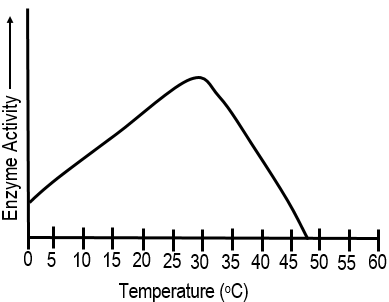
Based on the graph, what is the optimal temperature for this enzyme? 
a)
15oC
b)
40oC
c)
30oC
d)
35oC
59.
An enzyme speeds up a chemical reaction in the cell but can only be used once.  True or False? 
a)
true
b)
false
60.
Chemical reactions always involve
a)
the breaking of bonds in reactants.
b)
the formation of new bonds in products.
c)
the breaking of bonds in reactants and the formation of new bonds in products.
d)
enzymes.