
 Worksheets
Life Science Semester 2 Review
Total questions: 66
Worksheet time: 50mins

What is the name of this metric tool?
Triple Beam Balance
Graduated Cylinder
Massometer

Find the mass.
550.4 g
559.4 g
550.6 g

What is the value on the balance?
480.5 g
840.05 g
408 g
What is the FIRST thing you should do when measuring on a triple beam balance?
Move the heaviest rider to the right until it tips past 0
Move all the riders/counterweights to the right
Put your object on the triple beam
Read the mass

What is the graph all about?
Weekly Income of a School
Weekly Income of a Canteen
Weekly Income of a Store
Weekly Income of Workers

Which category has the least number of persons who were vaccinated?
A4
A3
A2
A1
Top or front end of an organism
anterior
posterior
dorsal
ventral
Hind or tail end of an organism
anterior
posterior
dorsal
ventral
Back surface or the darker side of an organism
anterior
posterior
dorsal
ventral
Front surface or the lighter, belly side.
anterior
posterior
dorsal
ventral
What is the biggest function of the muscular system?
to help digest food
to help us move
to help us breathe
to help us remove waste
What is the biggest function of the respiratory system?
to pump blood
to help us digest food
to take in oxygen and release carbon dioxide
to help us fight disease and infection
Which of the following statements describes the function of the heart?
The heart produces white and red blood cells.
The heart controls the nervous system.
The heart makes oxygen and carbon dioxide.
The heart pumps blood throughout the body.
Which system in the human body functions primarily to supply the blood with oxygen and remove carbon dioxide?
excretory
immune
respiratory
cardiovascular
How does the respiratory system depend on the circulatory system in order to function?
The circulatory system brings waste gases to the lungs and exchanges them for oxygen.
The circulatory system provides structural support and protection to the respiratory system.
The circulatory system pushes gases out of the body through the mouth and nose.
The circulatory system sends messages to the lungs so that one can breathe in and out.
Which two systems are responsible for voluntary movement?
circulatory and excretory
digestive and circulatory
skeletal and muscular
skeletal and circulatory
What is the most important function of the digestive system?
Gas exchange
Break down food
Voluntary movement
Fight bacteria and disease
The place where two bones meet is called a ___________. They work with your muscles to help you move.
tendon
joint
blood vessel
ligament
This is at the end of a bone, cushions/tough
cartilage
tendon
ligament
This attaches bone to muscle.
cartilage
tendon
ligament
This attaches bone to bone
cartilage
tendon
ligament
The part of the bone that makes red blood cells.
cartilage
tendon
ligament
bone marrow
Which of the following uses voluntary muscles?
Digestion
Heart breathing
Raising your hand
Sneezing
Muscles that you have no control over are called ___________ muscles.
Involuntary
Voluntary
Evolutionary
Revolutionary
Muscles that you can control are called ___________ muscles.
Involuntary
Voluntary
Evolutionary
Revolutionary
What are the three types of muscle tissues?
Skeletal, Red, White
Cardiac, Smooth, Skeletal
Red, White, Blue
Cardiac, Skeletal, Red
This muscle is found in the heart and never gets tired.
Cardiac
Smooth
Skeletal
Strong
Muscles usually work in __________ .
sets of 5
pairs
sets of 4
sets of 3
How does exercise help your circulatory system?
makes bones strong
lifting weights makes skeletal muscles strong
it wont help because it will keep you up at night
heart muscle will be strong and better pump blood

How does the heart work?
It pumps blood first to the lungs, back to the heart and then around the rest of the body.
It pumps blood first to the rest of the body, back to the lungs and then to the heart.
It pumps blood around the rest of the body, back to the heart and then to the lungs,
Deoxygenated blood means that the blood is low in...
Oxygen
Carbon Dioxide
As the blood reaches the lungs, what is removed from the blood?
oxygen
carbon dioxide
red blood cells
white blood cells
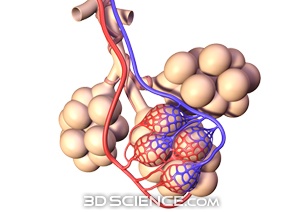
Flap of tissue that covers the opening to the windpipe during swallowing
Pharynx
Trachea
Epiglottis
bronchioles
The main organs of the respiratory system
heart
lungs
esophagus
trachea


Which organ breaks down food mechanically and chemically and is labeled number 3 in the diagram?
Liver
Pancreas
Gall Bladder
Stomach
What is a neuron?
a bone in your spinal cord
a blood vessel in your brain
a nerve cell
a stroke
Select the three main parts of the brain.
cerebellum
spinal cord
brain stem
cerebrum
liquid
Which part of the brain helps your muscles work together?
cerebrum
cerebellum
brain stem
medulla
The body's automatic actions like breathing, coughing, and beating of your heart are controlled by the ______________.
cerebrum
cerebellum
spinal cord
Brain Stem

Look at the diagram of the food web. The arrows means “eaten by.”
What will happen if the number of snakes goes down?
The owl will eat the grass
The number of frogs will go down
The hawk and owl will have less food
The number of mice and grasshoppers will go up.
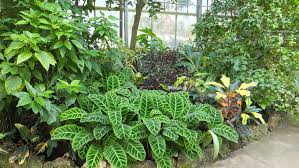

An ecosystem thrives with biotic and abiotic components. An example of an abiotic part of an ecosystem is ______________.
Bacteria
Fungus
Water
Decaying plants

Where does the food chain START?
with consumers that eat grass
with the sun giving energy to producers
with the sun giving energy to consumers
with consumers eating other consumers
An oak tree is a/an...
Producer
Primary Consumer
Secondary Consumer
Decomposer
Which symbiotic relationship is when one organism benefits and the other is not impacted (positively or negatively)?
Predation
Mutualism
Commensalism
Parasitism


