
Font size
 Worksheets
Heart to Heart
Total questions: 30
Worksheet time: 30mins
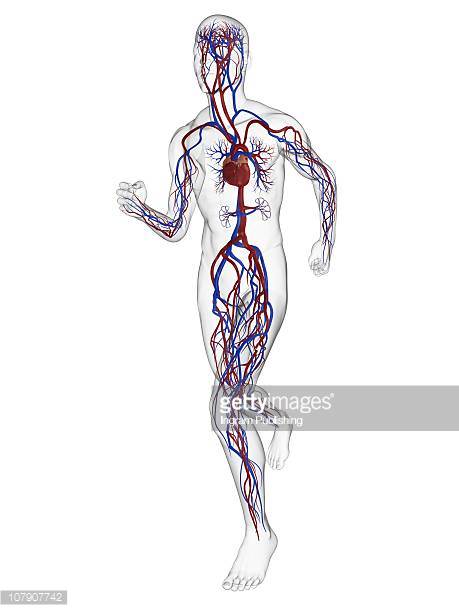
What is the main organ of the circulatory system?
small intestine
bone
lungs
heart

The job of the heart is to . . .
pump blood around the body.
send food to the small intestines.
break down food.
give energy to the body.

The circulatory system works with the ___________ system to provide our body with oxygen.
respiratory
digestive
muscular
skeletal

Which of the following is not part of the circulatory system?
veins
heart
stomach
arteries
As the blood reaches the lungs, what is removed from the blood?
oxygen
carbon dioxide
red blood cells
white blood cells
The part of the blood that carries oxygen is called ___________. (Remember we can't live without our blood-line)
red blood cells
white blood cells


Arteries are...
blood vessels responsible for carrying oxygen-rich blood away from the heart to the body.
blood vessels that carry blood low in oxygen from the body back to the heart for reoxygenation.

Veins are...
two of the body's main type of blood vessels.
blood vessels that carry blood low in oxygen from the body back to the heart for reoxygenation.

The heart is divided in...
three atriums and two ventricles.
right and left atriums and ventricules.
pulmonary veins and aorts.
Blood vessels that carry blood away from the heart.
Veins
Capillaries
Arteries

Blood vessels that carry blood to the heart.
Veins
Arteries
Capillaries
The smallest blood vessels that ensure oxygen and nutrients are delivered to the body's cells.
Capillaries
Arteries
Veins
This occurs when blood flow to part of the heart is blocked.
Heart attack
Atherosclerosis
Arrhythmia

How many chambers of the heart are there?
25
4
2
3
The system that makes red blood cells.
nervous
circulatory
respiratory
skeletal
The system that sends electrical signals to the heart that tell it to beat.
respiratory
lymphatic
nervous
digestive
About how big is the human heart?
the size of your nose
the size of your foot
the size of your fist
the size of your ear

Choose the 3 TRUE statements about the circulatory system
The circulatory system and the respiratory system work together to deliver oxygen to all of the cells and tissues in the body.
The circulatory system and the respiratory system work together to remove CO2 and other waste products from cells and tissues in the body.
The circulatory system, respiratory system, and excretory system all work together to remove waste products from the body.
The circulatory system is a special system that does not work with other systems of the body.
Your heart rate, or pulse, is the number of times your heart beats per ______.
hour
second
minute
day
To carry something from one place to another
Stop
Cell
Pause
How do the respiratory and circulatory systems work together to maintain homeostasis?
The respiratory system supplies oxygen to the circulatory system, which then delivers it to the body.
The circulatory system provides carbon dioxide to the respiratory system for oxygenation.
The respiratory system cools the blood, while the circulatory system warms the air.
The circulatory system filters the air, while the respiratory system pumps blood.
What TINY blood vessels are throughout the body and are so small the blood can only travel through these tubes in a single file line?
capillaries
veins
phloem
atrium
Which carries oxygen-rich blood away from the heart?
Arteries
Veins
Capillaries
Marrow
Which carries oxygen-poor blood back to the heart?
Arteries
Veins
Capillaries
Platelets

