
 Worksheets
7th Grade Final Assessment
Total questions: 211
Worksheet time: 7hrs 2mins


Responding to change helps an organism to survive. Which are a response to change in an environment? There are two correct choices.
A cell reproduces asexually.
You get hot and sweat.
A cell only grows in a certain environment.
Hummingbirds migrate to the south for the winter.
Which one of these IS one of the characteristics of living things?
All living things have are made of basic building blocks called cells
All living things have nuclei.
All living things are prokaryotes.
All living things are eukaryotes.
What is the name given for an organism that CAN make its own food?
Heterotroph
Autotroph
Unicellular
Mulitcellular
What is the name given for an organism that CANNOT make its own food?
Heterotroph
Autotroph
Unicellular
Mulitcellular
This is a type of experiment where all things are the same except for one variable that is changed
Variable experiment
Manipulated experiment
Controlled experiment
Scientific method
These are the four basic needs of all living things
Food, Water, Movement, Oxygen
Water, Food, Sun, Carbon Dioxide
Food, Living space, Water, Homeostasis
Food, Living space, Sun, Carbon Dioxide
What is another name for a living thing?
Cell
Autotroph
Heterotroph
Organism
This is the name of the basic building blocks that make up all living things
Organism
Cell
Autotroph
Heterotroph
Choose all the objects that are non-living things.


What is biotic mean?
Living
Nonliving
Unicellular
Multicellular
This is the process of grouping things according to similariteis
Biotic
Abiotic
Classification
Species
This is the two part naming system
Classification
Binomial Nomenclature
Genus
Species
The process by which a species changes over time
Classification
Cellular Organization
Evolution
Growth
The idea that living things can come from nonliving things
Evolution
Spontaneous Generation
Reproduction
Homeostasis
These are the 8 levels of classification in order
Domain, Kingdom, Genus, Class, Species, Order, Family, Phylum
Kingdom, Phylum, Class, Order, Genus, Family, Species, Domain
Domain, Kingdom, Phylum, Class, Order, Family, Genus, Species
Domain, Kingdom, Phylum, Order, Class, Family, Species, Genus
These are the three Domains of Life
Bacteria, Archaea, Eukarya
Eukarya, Prokarya, Bacteria
Protists, Plants, Animals
Fungi, Prokarya, Protists
What do you need to be able to see bacteria?
Microscope
Telescope
Sunglasses
3D Glasses
Where are bacteria located?
No where.
Every where!
Only in the restroom.
On my hands only.
What shape is bacteria?
Round (spherical)
Straight (rod-like)
Twisted (spiral)
All of these
The region inside the cell membrane of a bacteria cell that is a gel-like substance that contains the DNA of the bacteria is called the
bacteria
endospore
cytoplasm
decomposers
Tiny single-celled organisms that live almost everywhere
ribosomes
cytoplasm
bacteria
virus
Bacteria are prokaryotes, meaning they ________.
lack a nucleus
are very large
contain no DNA
have a cytoplasm
All viruses are different, but what are two parts that a virus must have?
Genetic Information (DNA or RNA)
a lipid membrane
a nucleus
a protein coat

Which of these statements is true?
A virus is unicellular, it has only one cell.
A virus may sometimes be multicellular, have many cells.
A virus has no cells

What is the name of this virus
Capsule
Helical
Bacteriophage
Hexbug
A viruses are considered
Living
Non-living
When a virus attaches to a host, what does it inject into the host
protein coat
Capsid
DNA/ RNA
Envelope
Viruses require a host cell to
Breathe and eat
Replicate
Move and sleep
Make protein and carbohydrates
What is the main way to fight or destroy bacteria?
Vaccines
Antibiotics
Antivirals
Homeopathic
When a virus enters a cell and it immediately makes copies of itself this is called _______________________________.
remediation
replica
replication
As a virus changes over time, it can affect different systems within the organism. Variants like Delta and Omicron in Covid-19 are an example of this. This change of the virus is called a _______________.
mutation
melanin
metaphysics
Viruses can affect which types of organisms? SELECT ALL
plants
animals
bacteria
bricks
What is used to prevent serious illness with a virus and sometimes even "cure" a virus?
antirbiotic
Rest
Vaccine
Viruses have no cure
What is a host?
An organism that eats another organism
An organism or a cell that the virus needs to reproduce in
Something that causes harm to the cell
The person that greats you at a resturant
Antibiotics work to cure viruses?
True
False
What do we call Bacteria that have mutated over time that can be difficult to treat with antibiotics?
Viruses
Bacteriophages
Superbugs
Superviruses
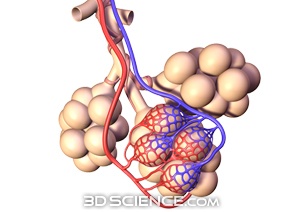
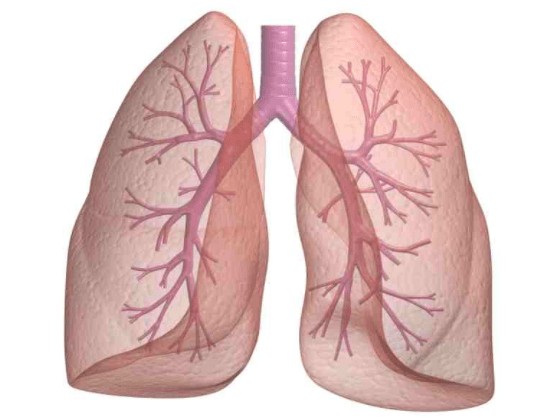
When we breathe in, oxygen goes into our lungs. The Lungs are part of the:
Muscular System
Respiratory System
Circulatory System
Digestive System
When you walk, muscles in your legs contract and relax. This is a great example of the ____ system in action.
muscular system
circulatory system
execratory system
nervous system
Which of the following is carried by a red blood cell throughout the body?
Glucose
Carbon Dioxide
Oxygen
Both Carbon Dioxide AND Oxygen
Where in the body is oxygen picked up and carbon dioxide dropped off?
The tongue (located in the mouth)
The lungs (located in the chest)
The small intestine (located in the abdomen)
A muscle (located in the leg)
Which of the following substance does a muscle cell need in order to function?
Glucose
Oxygen
Carbon dioxide
Both glucose and oxygen only
Which of the following is true about our body's system?
The skeletal system sends messages to the body
The digestive system helps carbon dioxide leave the body through the lungs
Blood cells are part of the nervous system
The digestive system helps break down food into energy
The organ is responsible for pumping blood throughout your body.
The Brain
The Spine
The Heart
The Lungs
The average size of an adult heart is about the size of a:
fist
foot
grapefruit
kidney bean
What is glucose?
food/ nutrient that cells need to live
carbon dioxide gas that is removed
a cell that picks up oxygen
none of the above

What is responsible for delivering oxygen and removing carbon dioxide from the body?
cell nucleus
excretory system
nervous tissue
respiratory system

The circulatory system uses _________ to deliver oxygen and nutrients to the whole body.
blood cells and blood vessels
lungs and nose
blood vessels
brain and spinal cord

In multicellular organisms, tissues are comprised of _______.
organs
systems
cells
blood

When tissues come together, they form ___________.
cells
atoms
organs
systems

Which of the following body systems work together for support, protection, and movement?
respiratory and cardiovascular
skeletal and muscular
skeletal and integumentary
digestive and respiratory
Which of the following shows the levels of organization of an organism from Smallest to Largest.
cells-tissues-systems-organs
organs-cells-systems-tissues
systems-organs-tissues-cells
cells-tissues-organs-systems

Your skin and hair are parts of your ___________
endocrine system
excretory system
immune system
integumentary system

About how many bones are in the human body?
108
206
300
509
These carry blood away from the heart.
arteries
nerves
veins
capillaries
This system receives information from inside and outside the body and controls the body's responses.
Digestive System
Circulatory System
Nervous System
Endocrine System
These type of muscles are attached to your bones.
skeletal
cardiac
smooth
nervous
This body systems involves white and red blood cells and transporting things through the body
Circulatory System
Respiratory System
Digestive System
Endocrine System
This body systems involves the lungs, gas exchange and breathing
Circulatory System
Respiratory System
Digestive System
Endocrine System
This body systems involves nutrient absorption, breaking down of food and enzymes.
Circulatory System
Respiratory System
Digestive System
Endocrine System
This system allows quick response to changes in the environment
Circulatory System
Endocrine System
Immune System
Nervous System
Which two systems are involved in smelling food and salivating?
Nervous and Digestive
Endocrine and Reproductive
Skeletal and Muscular
Integumentary and Immune

All levels of organization are found within the human body. This diagram represents what level of organization?
cell
organ
organism
organ system

In which kind of tissue would you find brain cells?
connective
epithelial
muscle
nervous

The process by which your body breaks down food into small nutrients is the function of what system?
circulatory system
muscular system
digestive system
respiratory system
The ______ system helps you move, protects your organs, gives support to the body, and makes red blood cells.
skeletal system
muscular system
digestive system
respiratory system
The ________ system works with the skeletal system to help you move and provides shape and warmth.
skeletal
integumentary
muscular
digestive
The _____ system's function is to break down food into molecules that the body (cells) can use for energy.
muscular
digestive
respiratory
endocrine
The _____ system is a transport system, carrying oxygen, carbon dioxide, and wastes to and away from cells using the heart and blood.
endocrine
circulatory
respiratory
excretory
The _____ system's function is to break down food into molecules that the body (cells) can use for energy.
muscular
digestive
respiratory
endocrine


A fish has a Gy genotype, what will its phenotype be?

In the punnett square below, what belongs in the missing square


Tt
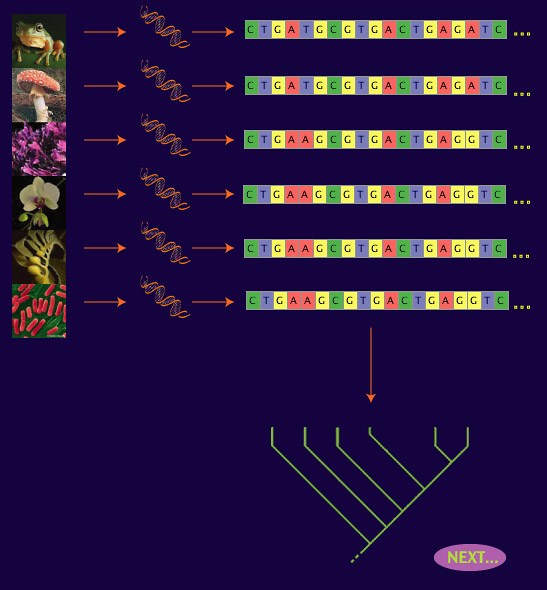
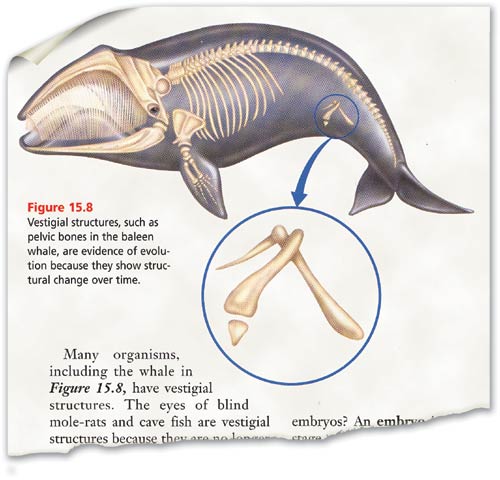
What is the term for a feature that allows an organism to survive better in its environemtn?
variation
adaptation
homologous structure
vestigial structure
have the ability to interbreed.

Images of the embryo and adult stages of three different organisms are shown.
Which of the following is the best conclusion that can be drawn from this evidence?
Having similar embryos indicates that these organisms eat the same types of food.
Having similar embryos indicates that these organisms live in a similar environment.
Having similar embryos indicates that these organisms share a recent common ancestor.
Having similar embryos indicates that a certain protein controls how many legs the adult organisms will have.
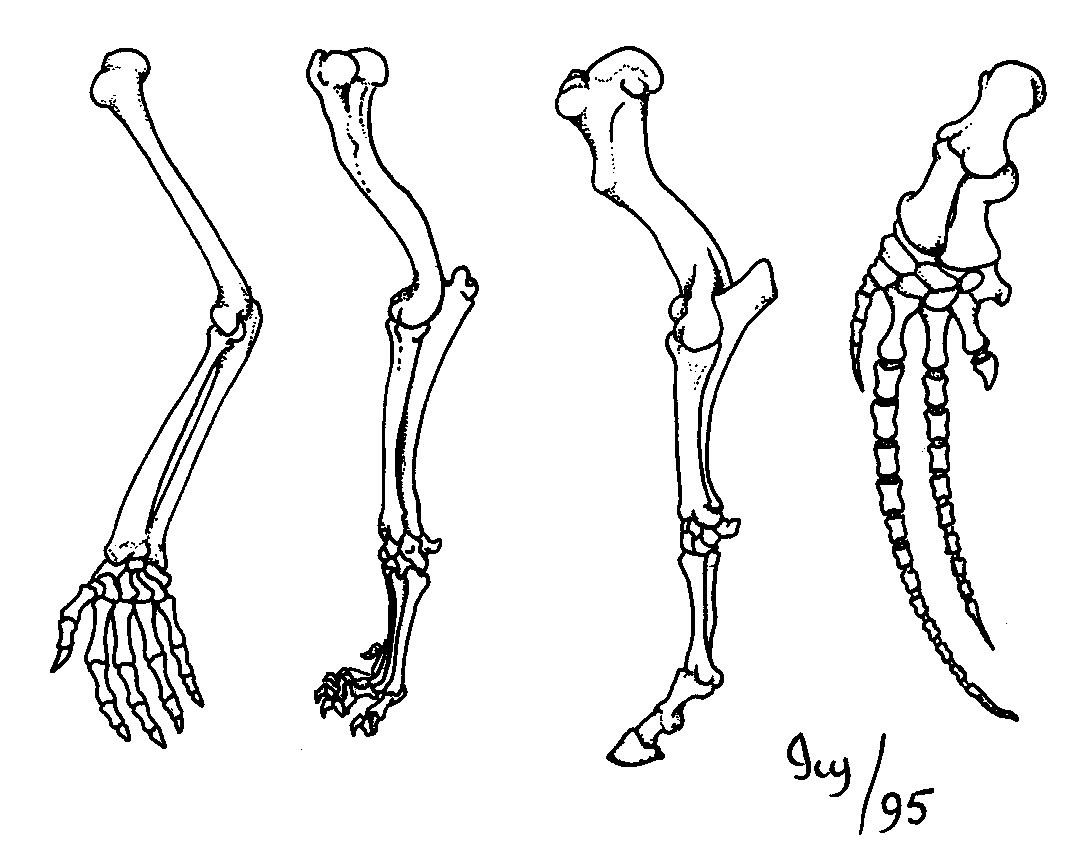
Researchers discovered that the legs of birds are homologous to the feet of reptiles. Which claim is BEST supported by this fact?
Birds do not require legs
Birds and reptiles have a common ancestor
They randomly developed the same structures
Selection pressures have acted on birds, but not on reptiles
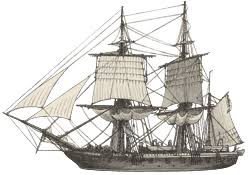
What was the name of Darwin's boat?
Indefatiguable
Bugle
Sloop John B
Beagle

Which trait below wouldn't help the species survive?
Eye Color
Long Legs
Large Size
Heightened Senses



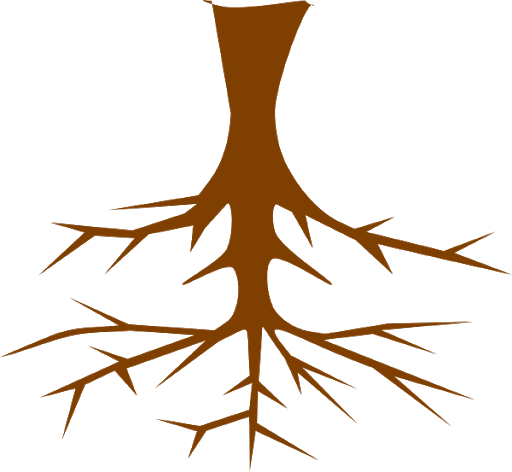
The part of the plant that absorbs water is _________.
Roots
Flowers
Stem
Leaves
What do the leaves of a plant do?
They make the food for the plant.
They take in the water from the ground.
They transport water to the other parts of the plants
They support the plant upright.
Which part of the plant absorbs water and nutrients?


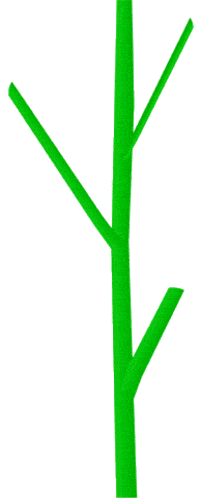
Which part of plant uses sunlight to make food?


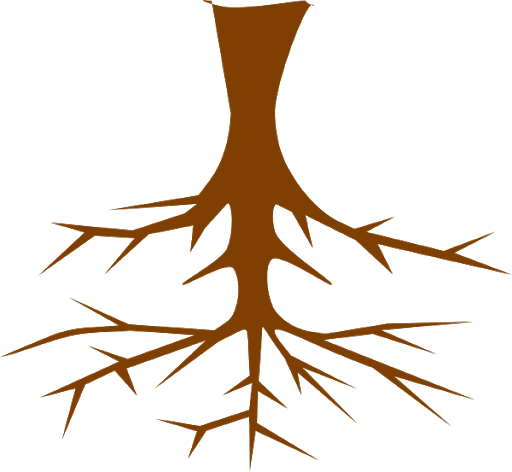
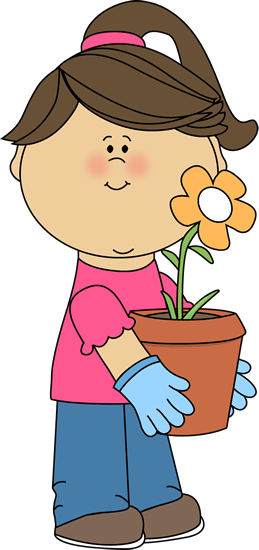
Zareena is given a plant. She wants it to grow. Where should Zareena put it?
in a dark cupboard
under the stairs
in a sunny window
under a bucket
This part of the plant holds the plant in the ground and gets water and nutrients from the soil.
stem
leaves
flower
roots
The ___________ absorb sunlight to help make food for the plant.
seed
stem
roots
leaves
Plants are __________
non-living
living


Protection of soil from being carried away by running water or blowing winds
Soil Erosion
Soil Conservation

Rose plant has _________ root.
Tap
Fibrous
Cutting down of trees is called ___________
Afforestation
Deforestation

A plant makes its own food in the...
roots
stem
leaves

what is the name of the process by which a plant makes its own food?
photosynthesis
nutrition
reproduction
germination

Plants need water, sunlight and soil?
True
False, they need minerals and air too.

Plants breath in CO2 (carbondioxide) to make the photosynthesis
True
False

Plants can be classified according to their stem, there are 2 types
Woody plants and Herbaceous
trank plants and Herbaceous
Woody plants and plataceous

What type of stem is this?
Hard
Herbaceous
Complex
Woody
I don't know

What type of stem is this?
Flexible
Herbaceous
Rigid
Woody
I don't know

What type of stem is this?
Brown
Herbaceous
Complex
Woody
I don't know

What type of Stem is this?
Green
Herbaceous
Simple
Woody
I don't know

How old is this tree?
24 Years old
92 seasons
12 years
37 saturn years
I don't know

NAME THAT ROOT
Fibrous
Woody
Tangle
Tap
I don't know

NAME THAT ROOT
Fibrous
Woody
Tangle
Tap
I don't know

NAME THAT ROOT
Fibrous
Woody
Tangle
Tap
I don't know

NAME THAT ROOT
Fibrous
Woody
Tangle
Tap
I don't know

NAME THAT ROOT
Fibrous
Woody
Tangle
Tap
I don't know
Which of the following are reactants (what the plant needs to start the process) of photosynthesis?
CO2 and H2O
O2
H2O and Glucose
None of the above
Xylem carries-
water up from the roots
water down from the leaves
Glucose from the roots
Glucose down the stem
Phloem carries-
Glucose (food) all around the plant
Glucose to the roots only
Water all around the plant
Water up from the roots
Where is the main site of photosynthesis on a plant?
Stem
Leaves
Petals
Pollen
What are the end products of photosynthesis?
Carbon Dioxide and Water
Glucose and Carbon Dioxide
Oxygen and Glucose
Water and Glucose
What is the female reproductive part of a flower called?
anther
pistil
sepal
What part of the flower produces eggs?
ovary
petal
anther
stamen
Why are flower petals colored?
They attract different kinds of animals.
The colors attract different pollen.
The colors show which flowers are poisonous to bugs.
They attract seeds.
What does a fleshy fruit protect?
cones
petals
seeds
stamens
Where do the seeds of a gymnosperm come from?
fruit
flowers
spores
cones
Female cones produce________.
spores
cones
pollen
eggs

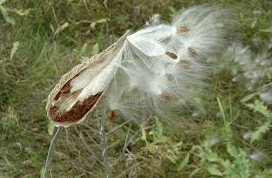
Birds and insects
Which of the following statements best describes PHLOEM'S function in the plant?
Which of the following statements best describes XYLEM'S function in the plant?
This is another name for a living thing
Spontaneous Generation
Eukaryotic
Organism
Prokaryotic
This is the name for a microscope with just one lens
Magnifying glass
Telescope
Simple Microscope
Compound Microscope
This is the name for a microscope with MORE THAN one lens
Magnifying glass
Telescope
Simple Microscope
Compound Microscope


This organelle collects, modifies, packages, and distributes molecules for the cell.
Mitochondria
Nucleus
Ribosome
Golgi Apparatus (body)

This organelle is a lipid (fatty) layer that separates the cell from its surroundings. It allows some materials to pass through while stopping other materials from passing
Cell Membrane
Cytoskeleton
Endoplasmic Reticulum
Vacuole

The outer layer of a plant cell that contains cellulose and gives structure and support to the cell.
Cell Wall
Golgi Apparatus
Cytoskeleton
Lysosome


A light microscope that has MORE THAN ONE LENS, the ocular (eye piece lens) and objective lens, is called a _______________.
compound microscope
microscope
electrical microscope
telescope


Eyepiece = 10X
Objective lens = 55X


Lenses consist of low 4X, medium 10X, and high 100X to magnify
Eyepiece
Ocular Lens
Objective Lenses
Illuminators


