Wayground logo

Free Printable Worksheets

Font size

S
M
L
XL
Worksheets

Micro

Total questions: 56

Worksheet time: 52mins

Name
Class
Date
1.
A tiny, nonliving particle that invades and then reproduces inside a living cell.
a)
Bacteria
b)
Virus
c)
Protist
d)
Fungi
2.
A preparation of weakened or killed pathogens.
a)
Bacteria
b)
Antibiotic Resistance
c)
Vaccine
d)
Capsid
3.
A eukaryotic organism that cannot be classified as an animal, plant, or fungus.
a)
Protist
b)
Virus
c)
Bacteria
d)
Capsid
4.
The ability of a population of bacteria to survive the lethal effects of an antibiotic.
a)
Vaccine
b)
Lysogenic Cycle
c)
Antibiotic Resistance
d)
Capsid
5.
A large group of one-celled organisms that sometimes cause disease .
a)
Virus
b)
Protist
c)
Fungi
d)
Bacteria
6.
Outer protein coat of a virus.
a)
Envelope
b)
Capsid
c)
Cell Wall 
d)
Chitin
7.
Outer layer covering the capsid of many kinds of viruses. 
a)
Cell Wall
b)
Capsid
c)
Envelope
d)
Chitin
8.
The variable that is measured in an experiment.
a)
Independent Variable
b)
Dependent Variable
9.
The variable that is changed in an experiment.
a)
Independent Variable
b)
Dependent Variable
10.
Cycle of viral infection; results in replication of virus and cell destruction.
a)
Lytic Cycle
b)
Lysogenic Cycle
c)
Calvin Cycle 
d)
Denitrification
11.
Cycle in which a viral genome replicates as a provirus without destroying the host cell.
a)
Lytic Cycle
b)
Lysogenic Cycle
c)
Calvin Cycle
d)
Denitrification
12.
A process of converting nitrate into atmospheric nitrogen, facilitated by microbes.
a)
Kreb's Cycle
b)
Denitrification
c)
Lytic Cycle
d)
Lysogenic Cycle
13.
Eubacteria have cell walls, they are made of:
a)
Chitin
b)
Cellulose
c)
Peptidoglycan
d)
Capsids
14.
This organism has cell walls made of chitin.
a)
Virus
b)
Fungi
c)
Eubacteria
d)
Archaebacteria
15.
Acellular is a way to describe the following:
a)
Bacteria
b)
Protist
c)
Fungi 
d)
Virus
16.
What is the name of a virus that infects bacteria?
a)
Prions
b)
Bacteriophage
c)
Retrovirus
d)
Viroids
17.
 Viruses can reproduce (replicate) on a surface (ex: table, chair, etc.)
a)
True
b)
False
18.
Viruses are considered living organisms. 
a)
True
b)
False
19.
Viruses are highly specific to the host cells that they can infect.
a)
True
b)
False
20.
Antibiotics can be used to treat a viral infection.
a)
True
b)
False
21.

What is an infectious disease?

a)

A disease that can be spread from person to person

b)

A disease that cannot be spread from person to person

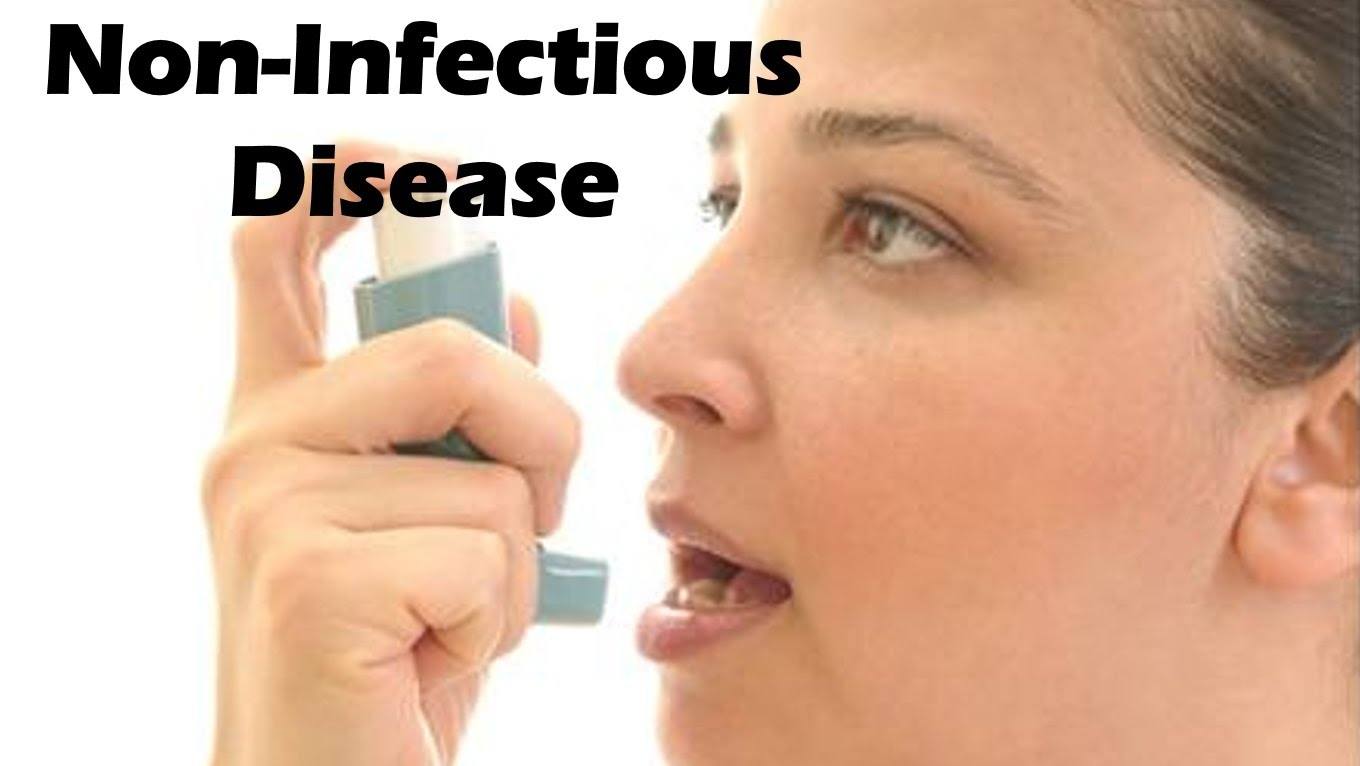
22.
Heredity, and environment contribute to which type of diseases.....
a)
infectious
b)
flu
c)
contagious
d)
noninfectious
23.
A protein made by white blood cells to fight a specific pathogen.
a)
Antibody
b)
Antivirus
c)
Allegra
d)
Allotment
24.
A disease that can be passed from one person to another through pathogens.
a)
Communicable disease
b)
Noncommunicable disease
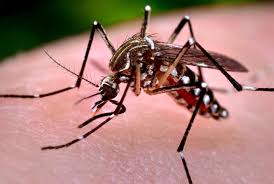
25.

Which of the following is an effective method of preventing infection by Malaria?

a)

Use pesticides to kill the mosquito (vector)

b)

Quarantine the mosquitos that carry the parasite

c)

Provide condoms to prevent transmission of parasite during sex

d)

Drink plenty of water

26.

A pathogen is another word for

a)

bacteria

b)

germs

c)

virus

d)

antibodies

27.

An ____________________ disease can also be called a communicable disease

a)

infectious

b)

noninfectious

c)

asthma

d)

deadly

28.

Fatigue means tiredness

a)

True

b)

False

29.
What is the job of the immune system?
a)
To protect your body from drugs and medicine
b)
To protect your body from air and water
c)
To protect your body from pathogens
d)
To protect your body from itself
30.
True or False?
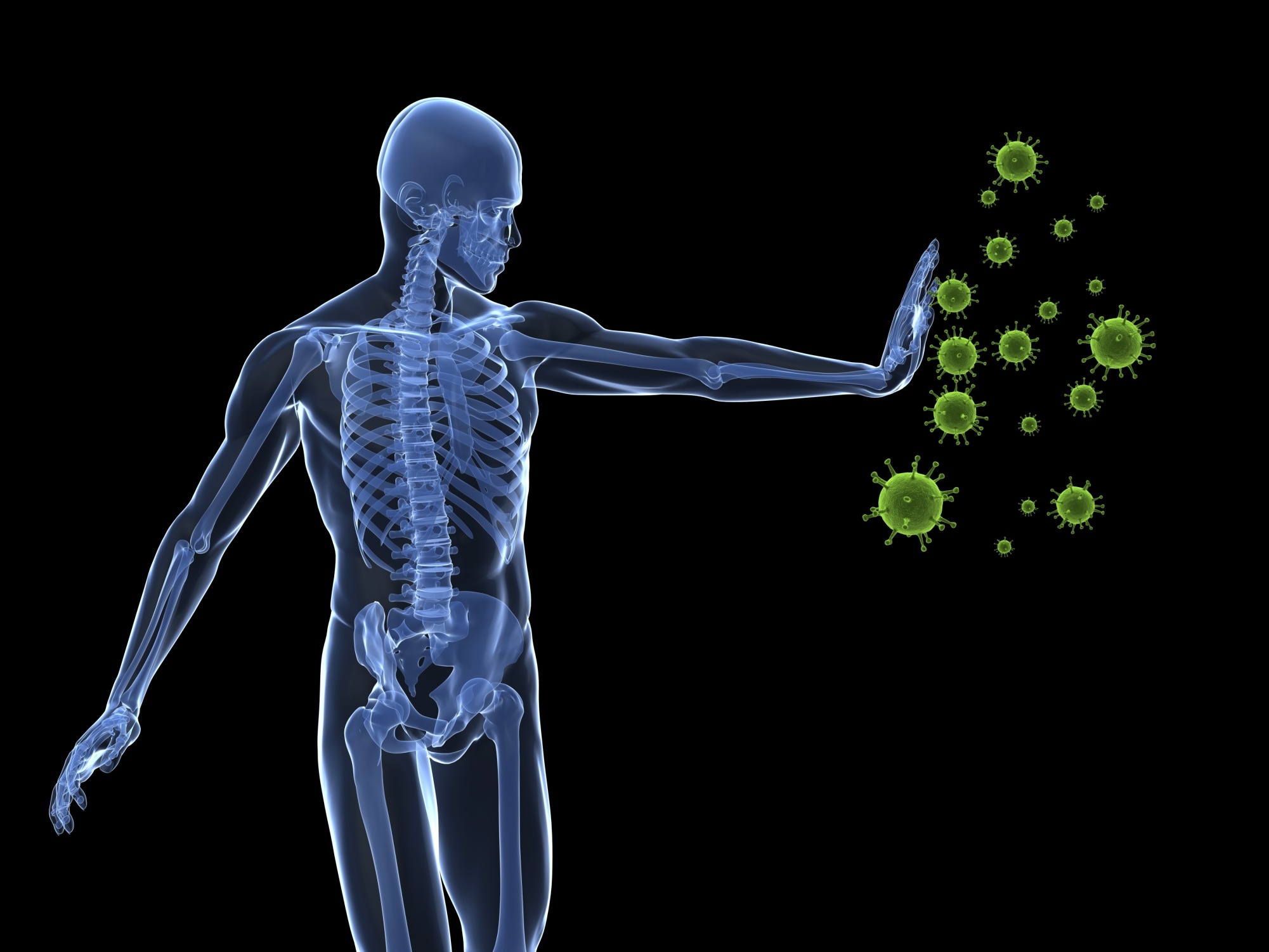
The immune system is made up of a network of cells, tissue, and organs that work together to protect the body
a)
True
b)
False
31.
What is one of the ways that antibiotics work? 
a)
They can stop bacteria from reproducing
b)
They can stop viruses from reproducing
c)
They stop toxins from poisoning the tissues of hosts
d)
They engulf the pathogens
32.
What sort of pathogen causes influenza (flu)?
a)
A bacterium
b)
A virus
c)
A fungus
d)
A protist
33.
What is one MAJOR organ of the Immune System?
a)
Spinal Cord
b)
Brain
c)
Skin
d)
Heart
34.
Bacteria can only be spread through coughing
a)
False
b)
True
35.
What is one way a pathogen can enter the body?
a)
Nose
b)
Mouth
c)
Broken Skin
d)
All of the Aove
36.
What viral diseases are transmitted by a mosquitoes bite.
a)
HIV
b)
Malaria
c)
Pneumonia
d)
Rabies
37.
What its the definition of a prevention?
a)
anything that make me sick.
b)
changes of sign our body give us about something wrong
c)
medications 
d)
measures that we can take to avoid get sick.
38.
What its the best way to avoid any disease.
a)
visit doctor frequently
b)
take medicine
c)
prevention
d)
be alone
39.

Can pathogens survive outside a person's body?

a)

Yes

b)

No

40.
Which disease is a non-infectious disease?
a)
Diabetes
b)
Influenza
c)
AIDS
d)
Chickenpox
41.

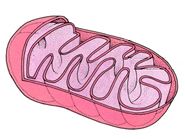
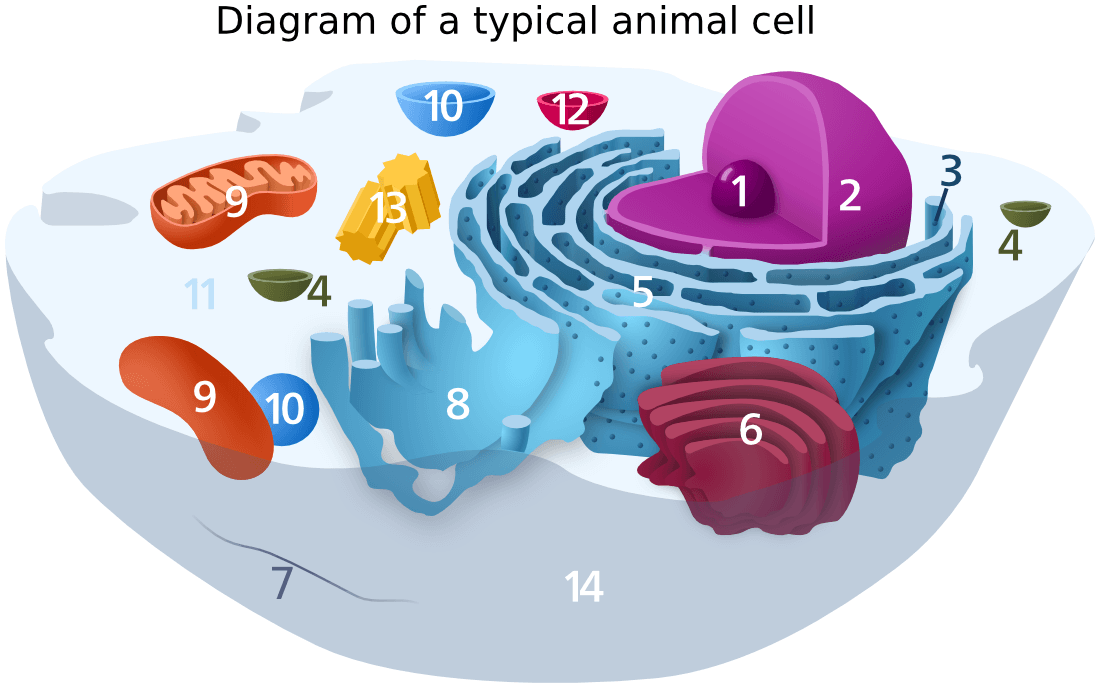
What is the name of the structure shown in the diagram where all power for the cell comes from?

a)

Chloroplast

b)

Mitochondrion

c)

Nucleus

d)

Vacuole

42.

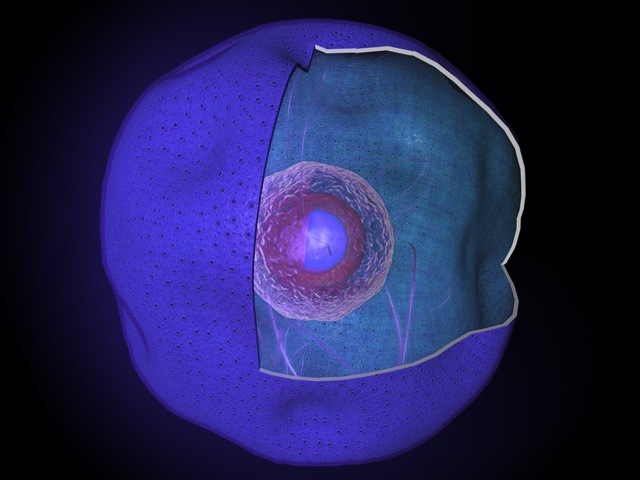
I am the outer most layer of an animal and plant cell. What am I?

a)

cell wall

b)

nucleus

c)

cell membrane

d)

cell skin

43.
Which part of the cell is often called "the brain of the cell"?
a)
nuclear membrane
b)
endoplasmic reticulum
c)
nucleus
d)
mitochondria
44.
Which organelle belongs in plant cells only?
a)
Cell Membrane
b)
Mitochondrion
c)
Chloroplast
d)
Nucleus
45.
Plants and animal cells both have a nucleus.
a)
True
b)
False
46.

Animal cells have chloroplasts

a)

false

b)

true

47.
All living things are made up of...
a)
cells
b)
cell tissues
c)
organ
d)
organ systems
48.

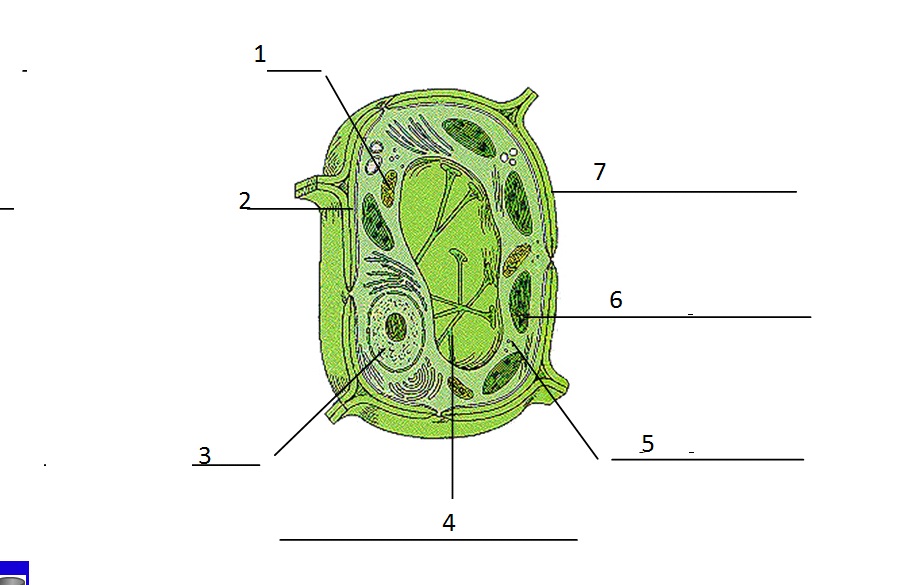
What is number 1?

a)

mitochondrion

b)

cell membrane

c)

nucleus

d)

vacuole

49.

What is number 2?

a)

mitochondrion

b)

cell membrane

c)

nucleus

d)

vacuole

50.

What is number 3?

a)

mitochondria

b)

cell membrane

c)

nucleus

d)

vacuole

51.

What is number 4?

a)

mitochondria

b)

cell membrane

c)

nucleus

d)

vacuole

52.

What is number 7?

a)

chloroplast

b)

cell wall

c)

cytoplasm

d)

vacuole

53.

This cell is a

a)

animal cell

b)

plant cell

c)

bacterial cell

54.

#6

a)

cell membrane

b)

mitochondria

c)

Golgi

55.

#6

a)

cell membrane

b)

mitochondria

c)

Golgi

56.

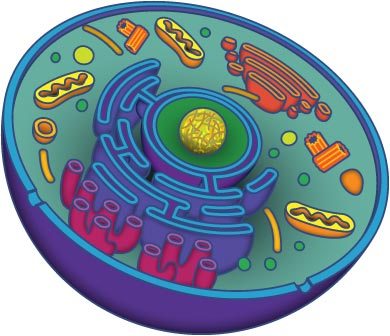
This cell is a(n)_________cell.

a)

animal

b)

plant