Worksheets
Final Test - Biology Grade 5
Total questions: 60
Worksheet time: 47mins
Organisms which prepare food for themselves using simple naturally available raw materials are referred to as
(a) heterotrophs
(b) autotrophs
(c) parasites
(d) saprophytes
Organisms other than plants which contain Chlorophyll are
Algae
Protozoa
Virus
Fungi
In Non-Green Plants And Animals, Their Mode Of Nutrition Is
Saprophytic
Parasitic
Heterotrophic
Autotrophic
Organisms that consume decaying organic matter. They are otherwise known as decomposers.
Autotroph
Herbivore
Carnivore
Saprotroph
What happens during aerobic respiration?
Oxygen is produced.
Glucose is produced.
Lactic acid and oxygen are produced.
ATP, water and carbon dioxide are produced.
Cellular respiration is the process that our cells use to ….
convert sugar (glucose) into energy (ATP)
break food down into smaller molecules (sugars)
makes acid
breathe
Aerobic respiration and photosynthesis are both...
ways to make glucose.
processes that happen in the chloroplasts.
important processes that happen in cells.
products of digestion.
Where does the process of cellular respiration mostly happen?
in the mitochondria
in the nucleus
in the chloroplasts
in the ribosome
Homeostasis for living organisms means...
external environment stays the same when internal changes
water diffuses through membrane by osmosis
concentrations move from high to low
internal environment stays the same when external changes
When you are cold, you shiver and your blood vessels contract, which warms you up. When you are hot, you sweat and your blood vessels expand, which cools you down.
False
True
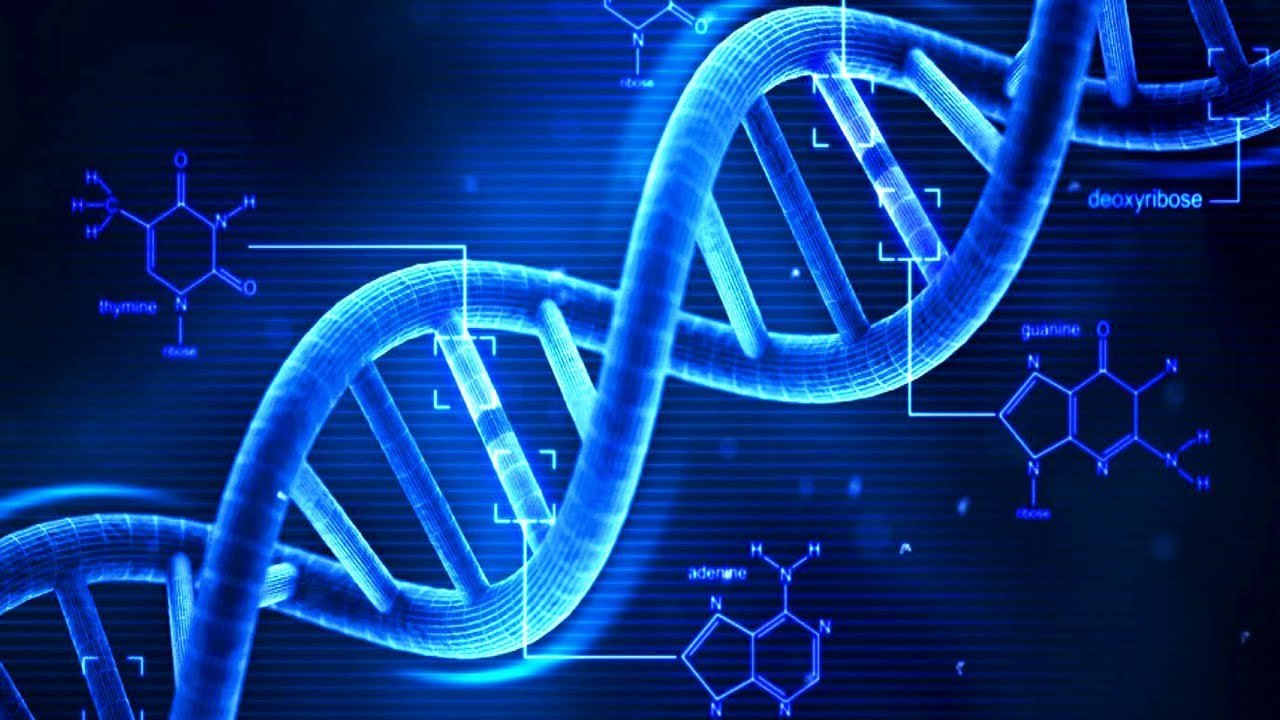

What is the definition of an allele?
An allele is a variety of a gene.
An allele is the genetic makeup of an organism
An allele is another word for a gene.
In cats, the allele for stripes (S) is dominant over the allele for no stripes (s). Two heterozygous cats are bred. If the female cat has a litter of 8, predict how many kittens will have no stripes.
2
6
4
8
A ______________is the basic unit of
inheritance which consists of a DNA segment located on a specific locus of a chromosome.
allele
trait
gene
phenotype
What is the phenotype of the offsprings in F1 generation in a monohybrid cross between RR X rr?
100% are Rr
100% are RR
100% are rr
75% are Rr and 25% are rr
_______________ is the observable characteristic of
an organism. For example, height.
genotype
phenotype
____________is the genetic composition of an
organism that cannot be seen.
genotype
phenotype
_________________refers to
individual which carries two identical alleles for
a trait. Self-cross always produces offsprings with the same characteristics in every generation.
hybrid
purebreed
_______________ refers
to the first generation of
two individuals which are
mated to predict or analyse
genotypes of their offsprings
parental generation
offspring generation
filial generation
What are the four bases of DNA?
ATGC
ATDC
GCAS
DNAB
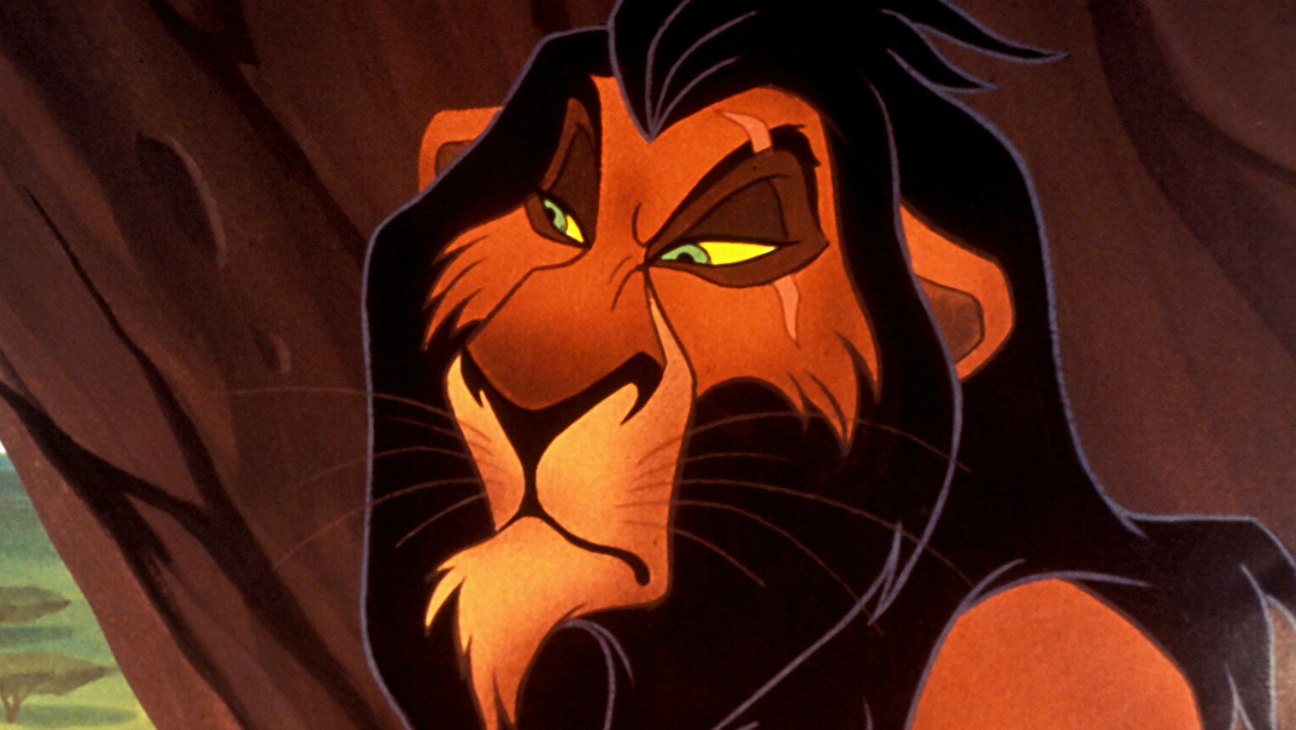
Why does Scar have a scar but his brother Mufasa does not?
Mufasa did not inherit it
The scar gene skipped a generation
The scar is an environmental trait
Mufasa is not his brother

During which stage of a butterfly's life cycle is classified as a pupa?
M
N
O
P

What characteristic do all of the animals pictured above have in common?
They are all classified as insects.
They all come from the same habitat.
They enter the pupa stage of development in their life cycle.
They undergo metamorphosis at some point in their life cycle.

The Arctic Fox is a species of fox that lives throughout the Arctic tundra of the Northern Hemisphere. Eating mostly Lemmings (small rodents), the Arctic Fox uses its extremely sensitive hearing to hunt its prey, even when it is hiding under the snow. When it is winter the Arctic Fox's coat is white to blend in with its snow-covered surroundings. In the summer, the coat changes to brown.
Which of the following characteristics of the Arctic Fox is influenced by its environment?
Arctic Foxes hunt Lemmings.
Arctic Foxes live in tundra habitats.
Arctic Foxes have very sensitive hearing.
Arctic Foxes change color with the seasons.
Leaf shape, type of fruit, and the flower color are all examples of plant characteristics that are _______________.
a part of the plant´s life cycle.
sources of food for animals.
inherited from the parent plant.
influenced by the environoment.

Which of the following adaptations best explains how pine trees are able to prevent water loss or damage from freezing temperatures?
Pine trees have thick bark
Pine cones produce seeds.
Pine tree roots go deep underground.
Pine needs are thin and have a wax coating.

Emperor Penguins are flightless, warm-blooded birds that live in the southern hemisphere, exclusively on the continent of Antarctica. They live in their entire lives either on the ice of Antarctica or in the frigid ocean waters below the Antarctic Circle. They have waterproof feather, streamlined bodies, and a large amount of stored body fat. They have sleek feathers and strong, aerodynamic wings.
What is the best explanation for why the Emperor Penguin has sleek feathers and strong wings even though they cannot fly?
The wings are used to circulate blood so that they penguins do no overheat.
The wings are used as flippers and help the penguins swim through the water.
The wings are left over from a time in the prehistoric past when penguins could fly.
The wings are used to help the penguins maintain balance as they walk across ice.
Red-eyed tree frogs live in the hot, humid forests of Central America. They have bright, red eyes and green skin with patches of blue on the undersides of their legs. When a full adult, the tree frogs leave the ponds where they lived as tadpoles, and spend their lives in the trees of their forest habitat. Their diet consists primarily of insects.
Which of the following best explains why the red-eyed tree frog has green skin?
The green skin can be seen by other frogs and helps the frog attract a mate.
The green skin helps attracts insects to the leaves where the frog can eat them.
The green skin absorbs less sunlight, preventing the frogś skin from drying out.
The green skin serves as camouflage, allowing the frog to bled in with the green leaves.

This is any variation that makes an organism better suited to its environment.
Evolution
Graduation
Species
Adaptation


How do adaptations help animals?
To escape animals
to hunt for food
to survive in their habitats
All of these are correct

Plants with spines and waxy leaves are well suited for life in which environment?
Desert
Temperate forest
Grassland
Tropical Rainfroest

Which of the following is an inherited trait?
swimming
eye color
skateboarding
callused fingers


How many stages are in an incomplete life cycle?
1
2
3
4

Complete or Incomplete Metamorphosis?
Complete because it has 3 stages
Complete because it has 4 stages
Incomplete because it has 3 stages
Incomplete because it has 4 stages