wayground logo

Free Printable Worksheets

Font size

S
M
L
XL
Worksheets

living environment biology regents review

Total questions: 167

Worksheet time: 2hrs 1mins

Name
Class
Date
1.
This is the "brain" of what controls all the activities of the cells.
a)
Mitochondria
b)
Cell membrane
c)
nucleus
d)
nucleus membrane
2.
Which organelle provides storage of food, water, and nutrients?
a)
Cell membrane
b)
mitochondria
c)
Vacuole
d)
Vacuume
3.
What is a group of organs working together is called?
a)
Tissue system
b)
organ system
c)
An organism
d)
cell system
4.
Which level of organization is in order from smallest to largest?
a)
Cells, organs, tissues,organ systems
b)
Tissues, cells, organ systems, organs
c)
Organ system, organs, tissues, cells
d)
cells, tissues,organs, organ systems
5.
I produce the energy a cell needs.  I am a mighty power house.  Who am I?
a)
Mitochondria
b)
Nucleus
c)
Lysosome
d)
Cell Membrane
6.
Plant cells have these but animal cells do not. 
a)
Nucleus and cell mem
b)
cell membrane and cell wa
c)
chloroplast and cell wall
d)
Chloroplasts and mitochondria
7.
What is the gel like substance that holds organelles in cells?
a)
Cytoplasm
b)
Chloroplast
c)
Nucleus
d)
Mitochondria
8.

The buildup of waste products in muscle cells that are active might cause

a)

Digestion

b)

Increased fatigue

c)

Decreased heart rate

d)

Blood loss

9.

Which body system brings in oxygen into your body?

a)

immune

b)

digestive

c)

respiratory

d)

circulatory

10.

Which two body systems work together to remove wastes produced by exercising from cells?

a)

Immune and Endocrine

b)

Digestive and Skeletal

c)

Respiratory and Circulatory

d)

Circulatory and Digestive

11.

When you breathe, your lungs take in ___ and remove ___.

a)

oxygen, carbon dioxide

b)

carbon dioxide, air

c)

carbon dioxide, waste

d)

gases, water

12.

Which is true about hypothesis?

a)

A. It may reject or accepts your prediction.

b)

B. It is an educated guess or possible answer to the question.

c)

C. It summarizes the result on the experiment.

d)

D. It is the final answer to the question.

13.

Which is the second step in scientific method?

a)

A. Making a conclusion

b)

B. Identifying the problem

c)

C. Formulating hypothesis

d)

D. Do background research

14.

Maria wants to know if tomato seed grows faster than a monggo seed. She then ask her father, which is a farmer about her question. Which steps of scientific method does Maria performs?

a)

A. Identify the problem and make a conclusion.

b)

B. Identify the problem and make a hypothesis.

c)

C. Identify the problem and conduct an experiment.

d)

D. Identify the problem and do background research.

15.

The scientific method starts when you ___________ about something that you observe.

a)

A. ask a question

b)

B. do background research

c)

C. construct hypothesis

d)

D. construct a conclusion

16.

What are you going to do to test the hypothesis?

a)

A. Do background research

b)

B. Do an experiment

c)

C. Construct a conclusion

d)

D. Both A and C are correct

17.

Which is the third step in scientific method?

a)

A. Make a hypothesis

b)

B. Do background research

c)

C. Construct a conclusion

d)

D. Ask a question

18.

It is also known as manipulating variable. The condition you change during the investigation.

a)

A. Control variable

b)

B. Dependent variable

c)

C. Independent variable

d)

D. Responding variable

19.

In 1927, the geneticist Hermann Muller exposed flies to ultraviolet light. He found that the flies’ offspring displayed many mutations. He concluded that the ultraviolet rays caused chromosome breakage, which caused the mutations?


What is his independent variable?

a)

Chromosomes

b)

Ultraviolet light

c)

Mutations

d)

Flies

20.

In 1927, the geneticist Hermann Muller exposed flies to ultraviolet light. He found that the flies’ offspring displayed many mutations. He concluded that the ultraviolet rays caused chromosome breakage, which caused the mutations.


What is the dependent variable?

a)

Ultraviolet

b)

Flies

c)

Mutations

d)

Not enough information given

21.
Water is classified as an inorganic compound because it
a)
does not contain carbon
b)
does not contain nitrogen
c)
contains hydrogen
d)
contains oxygen
22.
Which statement describes all enzymes?
a)
They control the transport of materials.
b)
They provide energy for chemical reactions.
c)
They affect the rate of chemical reactions.
d)
They absorb oxygen from the environment.
23.
Pepsin works best in which type of environment?
a)
acidic only
b)
basic only
c)
neutral
d)
sometimes acidic, sometimes basic
24.
The distortion (change in shape) of enzyme molecules which occurs at high temperatures is known as
a)
synthesis
b)
specificity
c)
replication
d)
denaturation
25.
An energy-rich organic compound needed by organisms is
a)
water
b)
salt
c)
oxygen
d)
glucose
26.
Two examples of carbohydrates are
a)
fatty acids and glycerol
b)
fats and waxes
c)
sugars and starches
d)
amino acids and alcohol
27.
The basic building blocks of a protein are
a)
glucose molecules
b)
amino acids
c)
hormones
d)
fats
28.
Vegetable oils, such as corn oil, belong to which general class of organic substances?
a)
lipids
b)
proteins
c)
carbohydrates
d)
salts
29.
Organic compounds are always based on what two elements?
a)
hydrogen and oxygen
b)
nitrogen and oxygen
c)
hydrogen and carbon
d)
nitrogen and carbon
30.
The four organic compounds found in living things are?
a)
Carbohydrates, Lipids, Nucleic Acids, and Oxygen
b)
Carbohydrates, Lipids, Proteins, and Carbon
c)
Carbohydrates, Lipids, Proteins, Nucleic Acids
d)
Carbon, Lipids, Proteins, Nucleic Acids
31.
Oils are examples of this type of organic compound...
a)
Carbohydrate (Sugars)
b)
Lipid (Fats)
c)
Protein
d)
Nucleic Acid
32.
This is an example of 
a)
Lipid 
b)
Carbohydrate 
c)
Protein
d)
Nucleic Acid
33.
What is an Enzyme?
a)
energy needed to get a reaction started
b)
large compound formed from combinations of many monomers
c)
proteins that act as biological catalyst to speed up reactions
34.
Which compound below is Organic?
a)
C6H12O6
b)
CO₂
c)
NH3
d)
O2
35.
In a molecule of DNA the sub-units are called
a)
nucleotides
b)
simple sugars
c)
lipids
d)
proteins
36.
Which are INORGANIC substances?
a)
Lipid and Salt (NaCl)
b)
Nitrogen and Carbohydrate
c)
Water and Salt (NaCl)
d)
Water and Lipid
37.
Proteins are made by...
a)
Ribosomes
b)
Nucleus
c)
Cytoplasm
d)
Mitochondria
38.
The equation for photosynthesis is
a)
oxygen + water --> glucose + carbon dioxide
b)
oxygen + glucose --> carbon dioxide + water
c)
carbon dioxide + water --> glucose + oxygen
d)
carbon dioxide + glucose --> oxygen + water
39.

Which two substances are needed for photosynthesis?

a)

Carbon dioxide

b)

Oxygen

c)

Water

d)

Glucose

40.

Which of the following is not normally a factor that limits the rate of photosynthesis?

a)

temperature

b)

oxygen concentration

c)

carbon dioxide concentration

d)

light intensity

41.

Which component of the blood makes antibodies?

a)

red blood cells

b)

white blood cells

c)

plasma

d)

platelets

42.

When proteins are broken down with enzymes, the products are

a)

glucose

b)

fatty acids

c)

amino acids

d)

nucleic acids

43.
Which is NOT a function of the circulatory system?
a)
deliver O2 and nutrients to cells
b)
remove CO2 and wastes from cells
c)
break down carbohydrates into glucose
d)
transport other materials through body
44.
We inhale to gain oxygen while we exhale to excrete _________________.
a)
Lithium 
b)
Carbon Dioxide 
c)
Oxygen
d)
Glucose
45.
Which type of blood helps carry our oxygen.
a)
atria
b)
white blood cells
c)
red blood cells
d)
platelets
46.
How do the circulatory system and the respiratory system work together? 
a)
Respiratory takes in oxygen while circulatory transports it throughout the body. 
b)
Respiratory digests food, while circulatory takes it throughout the body.
c)
Respiratory breaths air and the circulatory system digests it. 
d)
Circulatory takes in oxygen while respiratory transports it throughout the body
47.
How do the circulatory system and the digestive system work together? 
a)
digestive breaks down food while circulatory transports it throughout the body. 
b)
digestive takes in oxygen, while circulatory takes it throughout the body.
c)
digestive moves food and the circulatory system digests it. 
d)
Circulatory takes in oxygen while digestive transports it throughout the body
48.
The digestive process starts in the _______________.
a)
Stomach
b)
Intestine
c)
Mouth 
d)
Anus
49.
The circulatory systems main job is to __________________.
a)
Transport Nutrients and waste products
b)
Move lymph fluids
c)
Digest food
d)
Charles Darwin
50.
Cells in our body need oxygen. Which two systems are responsible for getting that nutrient to each cell?
a)
respiratory and circulatory
b)
respiratory and digestive
c)
circulatory and digestive
d)
nervous and respiratory
51.
After food is broken down in the stomach and intestines, it must move to the rest of the cells in the body. What system is used to make this happen?
a)
endocrine
b)
digestive
c)
circulatory
d)
respiratory
52.
This is the job of the digestive system.
a)
To give the body shape
b)
To take in and break down food for use by the body
c)
To take in oxygen and give off carbon dioxide
d)
To create polymers
53.

what body system exchanges O2 for CO2

a)

respiration

b)

excretion

c)

digestion

d)

nervous

54.

upper part of respiration, throat area

a)

larynx

b)

pharynx

c)

trachea

d)

lungs

55.

contains the vocal chords/voice

a)

mouth

b)

trachea

c)

bronchioles

d)

larynx

56.

main tube in respiration

a)

lungs

b)

trachea

c)

alveoli

d)

bronchial tubes

57.

smaller branches in lungs

a)

pharynx

b)

epiglottis

c)

bronchioles

d)

alveoli

58.

protects from choking

a)

pharynx

b)

epiglottis

c)

larynx

d)

trachea

59.

exchange of gases

a)

bronchial tubes

b)

alveoli

c)

larynx

d)

pharynx

60.

Excretion is defined as

a)

the removal of undigested matter

b)

frequent visits to the washroom

c)

sweating when exercising

d)

the removal of metabolic waste

61.

Which of the following is not a waste product of excretion

a)

Carbon Dioxide

b)

Oxygen

c)

Sweating

d)

Urea

62.

Which of the following is not an organ involved in the excretory process

a)

The Skin

b)

The Kidney

c)

The Pancreas

d)

The Lungs

63.

Urea is transported to the kidneys in the.........

a)

ureter

b)

urethra

c)

blood

d)

lungs

64.
What body system protects animals against invaders such as bacteria and viruses?
a)
Immune System
b)
Integumentary System
c)
Mammary System
d)
Respiratory System
65.
All foreign materials that cause a response from the immune system are called _____________________.
a)
Antigens
b)
Active Immunity
c)
Antibodies
d)
Antibiotics
66.
What is the first barrier against disease?
a)
White blood cells
b)
Red blood cells
c)
the skin
d)
leucocytes 
67.
What do memory cells do?
a)
Kills the virus
b)
Eats the virus
c)
Patrol the area and make the immune system work faster next time.
d)
Makes antibodies
68.
Which is an example of passive immunity?
a)
You have been infected
b)
You have been vaccinated
c)
You made antibodies
d)
You got your mother's antibodies
69.
The purpose of the immune system is to:
a)
Help germs invade your body
b)
Fight off sickness
c)
Make your nose run
d)
Give you diarrhea
70.
White blood cells are the main cells of the immune system.  Where are they produced?
a)
Bone marrow
b)
Veins & arteries
c)
Stomach
d)
None of the above
71.
 Another name for white blood cells is:
a)
Blood 
b)
Photosyntesis
c)
Leukocytes
d)
Body
72.
Any substance that causes an allergy is a(n):
a)
Allergen
b)
Irritant
c)
Virus
d)
Carcinogen
73.
Which is NOT considered FIRST line of defense?
a)
White Blood Cells
b)
Skin
c)
Hair
d)
Mucous Membranes
74.
Which is an autoimmune disease?
a)
Leukemia
b)
Asthma
c)
Dermatitis
d)
HIV
75.

The constant regulation of an organism's internal environment in order to stay balanced is

a)

Homeostasis

b)

Respiration

c)

Metabolism

d)

Immune Response

e)

Digestion

76.

Cancer is...

a)

Uncontrolled cell growth

b)

Normal cell growth

c)

A protein

d)

A cell cycle regulator

77.

What is cell differentiation?

a)

The process where unspecialized cells become different in structure and function.

b)

When DNA controls the cell cycle.

c)

The ability of cells to make more cells.

d)

The ability of cells to maintain homeostasis.

78.

Cells that have the ability to become any type of specialized cell in the body are called:

a)

cell membranes

b)

stem cells

c)

nerve cells

d)

cardiac cells

79.
What is the evaporation of a liquid to cool the body?
a)
Shivering
b)
Sweating
c)
Vasodilation
d)
Vasoconstriction
80.
The diagram shows the female reproductive system. The part labelled B is called  
a)
sperm 
b)
the egg  
c)
the womb  
d)
the ovary 
81.
Which one of the following statements is incorrect?
a)
Girls are born with thousands of eggs in their ovaries.
b)
One egg is released from the ovary about every month.
c)
Hormones control the release of the egg from the ovary.
d)
Eggs in the ovaries ripen when they meet a sperm.
82.
The diagram shows the female reproductive system. The part labelled A is called
a)
 the egg
b)
the womb
c)
the ovary
d)
sperm
83.
Where in their female reproductive system is fertilisation most likely to take place?
a)
fallopian tube
b)
uterus
c)
vagina
d)
 cervix
84.
Where in the female reproductive system will you find thousands of eggs?
a)
Uterus
b)
Ovaries
c)
Fallopian tube
d)
Vagina
85.
The term "uterus" is another name for ?
a)
the womb
b)
ovary 
c)
placenta 
d)
vagina
86.
That fusion of the male and female gamete to form a zygote is known as ? 
a)
fertilisation
b)
menstruation
c)
pollination
d)
 ejaculation
87.

What do you call the cell that forms from fertilization?

a)

fertilized egg

b)

sperm cell

c)

zygote

d)

egg cell

88.

What do you call the type of reproduction in which the genetic materials from two different cells combine, producing an offspring?

a)

pollination

b)

sexual reproduction

c)

fertilization

d)

asexual reproduction

89.

What do you call the female sex cell?

a)

egg cell

b)

sperm cell

c)

diploid

d)

haploid

90.

What do you call the cells that have pairs of chromosomes?

a)

Diploid

b)

Haploid

c)

Sperm cell

d)

egg cell

91.

Pairs of chromosomes that have genes for the same traits arranged in the same order are called ___________.

a)

Haploid

b)

Diploid

c)

Homologous chromosomes

d)

Heterogous chromosomes

92.

In this cell division, one diploid cell divides and makes four haploid sex cells. What do you call this special kind of cell division?

a)

mitosis

b)

meiosis

c)

fertilization

d)

pollination

93.

Which of the following is an advantage of sexual reproduction?

a)

Genetic variation

b)

Down syndrome

c)

Mutation

d)

New trait formed

94.

All of the following statements are disadvantages of sexual reproduction except ______.

a)

Takes much time to process reproduction

b)

Hard t find a mate

c)

Limited to some factors like fertilization cannot take place during pregnancy

d)

Selective breeding

95.

What type of reproduction takes place when one parent organism produces offspring without meiosis and fertilization?

a)

pollination

b)

sexual reproduction

c)

asexual reproduction

d)

fertilization

96.

What type of asexual reproduction wherein it occurs when an offspring grows from a piece of its parent?

a)

budding

b)

fission

c)

regeneration

d)

vegetative reproduction

97.

Cell division in prokaryotes that forms two genetically identical cells is known as ______

a)

fission

b)

bud

c)

regeneration

d)

cloning

98.

What do you call the form of asexual reproduction in which offspring grow from a part of a parent plant?

a)

fission

b)

budding

c)

regeneration

d)

vegetative reproduction

99.

What do you call the type of asexual reproduction performed in a laboratory that produces identical individuals from a cell or from a cluster of cells taken from a multi cellular organism?

a)

budding

b)

fission

c)

cloning

d)

regeneration

100.

Which is an example of asexual reproduction by regeneration?

a)

cloning sheep

b)

lizard regrowing a tail

c)

sea star arm producing a new organism

d)

strawberry plant producing stolons

101.

What is a trait?

a)

A type of organelle found within a cell.

b)

Our talents that make us behave the way we do

c)

Traits are the physical things that make us look the way we do, they may influence how we behave, and also our talents, abilities, and disease risks.

d)

Inheritable talents that are passed on in our families

102.

How many Chromosomes do we inherit from our parents?

a)

23 from dad and 23 from mom, or 46 total

b)

13 from dad and 13 from mom, or 26 total

c)

13 from dad and 33 from mom, or 46 total

103.

What are chromosomes?

a)

They are thread like structures containing DNA found inside the nucleus of our cells

b)

They are X shaped blobs made of ribosomes

c)

They are the inherited traits we recieve from our parents

d)

They are types of alleles found in the mitochondria of a cell

104.

What is a gene?

a)

An entire chromosome.

b)

A small part of DNA found in a chromosome that gives our body instructions to build for a specific trait that we have

c)

Things that are sometimes refered to as XX and XY inside of our cell membranes

d)

Kind of like a "flavor" because there are 23 kinds from each parent.

105.

The chemicals found in DNA are referred to as bases that are represented by the letters

a)

QRTP

b)

ABCD

c)

DTPG

d)

ACTG

106.

Chromosomes are found in their tightly packed threadlike form when the cell is....

a)

Doing Nothing.

b)

Reproducing

c)

Creating Energy

d)

Removing Waste

107.

Which trait will not likely be influenced by the environment?

a)

Height

b)

Ability to play basketball

c)

How good we are at math

d)

Our Eye Color

108.

What makes one persons DNA different from someone elses?

a)

The amount of pairs of bases on the strand of DNA.

b)

The order of the bases of ATCG

c)

The amount of mutations found in the DNA

d)

The type of chemicals it's made out of.

109.

What is a mutation?

a)

A mistake that happens when our cells code for a type of base.

b)

A genetic defect caused by our genes that always leads to cancer

c)

Another way to name the proteins that make up a strand of DNA

d)

What happens to the chromosomes when our cells are ready to reproduce.

110.

The passing of traits from parent to child is known as _______________.

a)

heredity

b)

gene

c)

DNA

d)

RNA

111.

This trait is represented by a lower case letter and hidden whenever the dominant allele is present

a)

dominant allele

b)

codominance

c)

recessive allele

d)

Punnett Square

112.

This trait is represented by a capital letter and always shows up in an organism when the allele is present

a)

dominant allele

b)

codominance

c)

probability

d)

recessive allele

113.

Which of the following is homozygous recessive?

a)

RR

b)

Rr

c)

rR

d)

rr

114.

Which genotypes are heterozygous?

a)

EE

b)

tt

c)

Rr

d)

Both EE and tt

115.

Which genotypes are homozygous dominant?

a)

EE

b)

tt

c)

Rr

d)

Both EE and tt

116.

Which genotypes are homozygous?

a)

EE

b)

tt

c)

Rr

d)

Both EE and tt

117.

The study of heredity is called

a)

Science

b)

DNA

c)

Dominant

d)

Genetics

118.
What is the term for a feature that allows an organism to survive in its environment?
a)
adaptation
b)
variation
c)
homologous structure
d)
vestigial structure
119.

What are these?

a)

analogous structures

b)

homologous structures

c)

vestigial structures

d)

none of the above

120.
What is the process of which humans breed organisms for certain traits?
a)
artificial selection
b)
descent without modification
c)
inheritance of acquired characteristics
d)
natural selection
121.
Vertebrate embryos pass through similar stages of development is evidence for
a)
use and disuse
b)
homologous structures
c)
common ancestry
d)
acquired characteristics
122.
Individuals that are well adapted to their environment will survive and produce
a)
better traits
b)
stronger genes
c)
more offspring
d)
fewer mutations
123.
All the individuals of a species that live in a particular area are called a 
a)
group
b)
population
c)
variation
d)
fossil
124.
The remnant of an organ that had a function in an early ancestor is known as a(n)
a)
vestigial structure
b)
analogous structure
c)
homologous structure
d)
fossil structure
125.
What characteristic did Darwin observe about the finches on the Galapagos Islands?
a)
Their feathers 
b)
Genotypes 
c)
Their beaks
d)
Their body sizes
126.
When an organism completely dies out, it is called.....
a)
Adaption
b)
Extinction
c)
Fossilization
d)
Mutation
127.
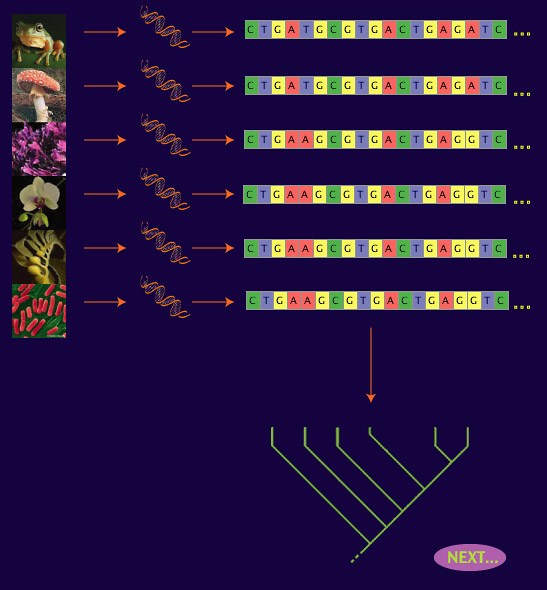
Two organisms that are closely related would have
a)
very similar DNA sequence
b)
exactly the same DNA sequences
c)
no proteins in common
d)
completely different DNA sequence
128.
Which of the following is a fossil?
a)
a plant that has recently died
b)
a group of organisms that can reproduce
c)
a structure or organ that no longer functions
d)
a trace of an organisms that existed in the past
129.
In natural selection, the selective agent is the
a)
humans
b)
mutations
c)
breeders
d)
environment
130.
Mutations are important because they bring about
a)
death of the organism in which they develop
b)
genetic variation needed for a population to evolve
c)
benefits for the individual, not for the population
d)
Hardey-Weinberg equilibrium within a population
131.
Who is the father of evolution?
a)
Darwin
b)
Mendel
c)
Newton
d)
Einstein
132.
What is another name for natural selection?
a)
survival of the smartest
b)
survival of the fastest
c)
survival of the biggest
d)
survival of the fittest
133.
Charles Darwin’s observation that finches of different species on the Galápagos Islands have many similar physical characteristics supports the hypothesis that these finches 
 
a)
have the ability to interbreed.
b)
acquired traits through use and disuse.
c)
all eat the same type of food.
d)
descended from a common ancestor.
134.
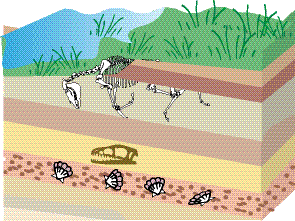
According to the law of superposition, the oldest fossils are found 
a)
At the top of the rock layers
b)
Near the bottom of the rock layers
c)
In the middle of the rock layers
d)
Somewhat near the surface
135.
The surroundings and conditions in which an organism lives and operates.
a)
Evolution
b)
Population
c)
Environment
d)
Biological diversity
136.

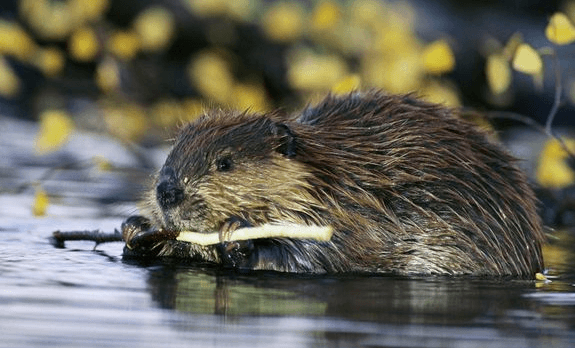
Gigantopithecus were very large primates that lived 500,000 years ago. Since none of these mammals are still today, they are said to be....

a)

Extinct

b)

Threatened

c)

Endangered

d)

Declining

137.
Members of a species in a defined area
a)
Ecosystem
b)
community
c)
biodiversity
d)
population
138.
Consumer that eats plants
a)
heterotroph
b)
herbivore
c)
producer
d)
community
139.
Series of steps in which organisms transfer energy by eating and being eaten
a)
foodweb
b)
consumer
c)
food chain
d)
omnivore
140.
Organisms that relies on other organisms for food; consumer
a)
herbivore
b)
decomposer
c)
heterotroph
d)
species
141.
All the organisms in a particular location, including their nonliving environment
a)
ecosystem
b)
carnivore
c)
niche
d)
population
142.
All the organisms in a particular location, including their nonliving environment
a)
ecosystem
b)
carnivore
c)
niche
d)
population
143.
What does fungi do to dead plants and animals?
a)
Leave them there
b)
Decompose them
c)
Wait for other animals to eat them
d)
Move away
144.
Which of the following leads to a decrease in biodiversity?
a)
protection of ecosystems
b)
pollution control
c)
selective cutting
d)
introduction of exotic or invasive species
145.
In the food web shown, the snail would be considered...
a)
primary consumer
b)
secondary consumer
c)
tertiary consumer
d)
producer
146.

What type of relationship is this?

a)

parasitism

b)

mutualism

c)

commensalism

d)

competition

147.

symbiotic relationship in which both organisms benefit

a)

competition

b)

mutualism

c)

predation

d)

commensalism

148.
What does a food web represent?
a)
All connections of energy flow throughout all organisms in a habitat.
b)
The specific ways that mutualism is carried out.
c)
A single pathway or energy flow between organisms. 
d)
How carnivores get their food. 
149.
Organisms that breaks down and absorbs nutrients from dead organisms 
a)
consumer
b)
trophic level
c)
decomposer
d)
species
150.
An organism that needs to eat other organisms to obtain energy is known as a:
a)
Autotroph
b)
Producer
c)
Consumer
d)
Mutualist
151.
Which one is NOT an example of a decomposer?
a)
mushroom
b)
leaves
c)
mold
d)
worm
152.
What is a producer?
a)
an organism that gets energy from eating other organisms
b)
an organisms that uses sunlight to make its own food
c)
an organism that gets energy from eating dead organisms, non-living material or waste
d)
an organism that uses chemical energy to make its own food
153.
The shrew provides energy for the _______?
a)
cricket
b)
grasshopper
c)
frog
d)
snake
154.

Ecology is the study of:

a)

only the living things in the environment

b)

only the nonliving things in the environment

c)

how living things interact with each other and the nonliving things in the environment

d)

scientists who perform research on living things

155.

What term do ecologists use to describe where an animal lives (an animal’s home)?

a)

Ecosystem

b)

Ecologist

c)

Habitat

d)

Population

156.

What term do ecologists use to describe where an animal lives (an animal’s home)?

a)

Ecosystem

b)

Ecologist

c)

Habitat

d)

Population

157.

What is a species?

a)

Different animals that compete for the same resources

b)

A group of similar organisms that can reproduce with each other

c)

A group of organisms that live together

d)

A group of organisms that are physically and functionally very different from each other

158.

Which of the following is NOT a nonliving thing? (which one is living?)

a)

Sun

b)

Rocks

c)

Milk

d)

Wood

159.

Organisms that can make their own food do so by the process of:

a)

decomposition

b)

respiration

c)

photosynthesis

d)

scavenging

160.

What type of organism can make its own food?

a)

A producer (an autotroph)

b)

A consumer (a heterotroph)

c)

A decomposer

d)

All of the above

161.

What type of consumer eats plants?

a)

Herbivore

b)

Omnivore

c)

Carnivore

d)

Both herbivore and omnivore

162.

What is a food chain?

a)

A representation of an organism’s life cycle

b)

A way to show the feeding relationships between organisms

c)

The sequence of events that occurs during photosynthesis

d)

A way to show how animals interact with nonliving parts of the environment

163.

The first organism in a food chain is ALWAYS a:

a)

producer

b)

consumer

c)

decomposer

d)

Any of the above

164.

How much energy is transferred between trophic levels?

a)

25%

b)

20%

c)

10%

d)

90%

165.

What is a niche?

a)

The habitat that an organism lives in

b)

An organism’s “role” in an ecosystem

c)

A type of consumer

d)

The relationship between a producer and consumer

166.

What happens when different species try to occupy the same niche?

a)

The species compete with each other

b)

The species cooperate with each other

c)

The species coexist with each other

d)

All of the above

167.

How does oxygen cycle between plants and animals?

a)

Plants and animals both release oxygen

b)

Plants and animals convert water into oxygen

c)

Plants take in oxygen that is produced by animals

d)

Animals take in oxygen that is produced by plants