
 Worksheets
Organisms and Environment TEKS 2026
Total questions: 171
Worksheet time: 5hrs 30mins
Which of the following is a biotic factor in an ecosystem?
Water
Grass
Sunlight
Soil
What is the basic unit of structure and function in all living organisms?
Atom
Cell
Tissue
Organ
Which abiotic factor is most likely to limit plant growth in a desert ecosystem?
Water availability
Number of herbivores
Amount of bacteria
Presence of fungi
Who were the scientists that contributed to the development of cell theory?
Newton and Einstein
Schleiden and Schwann
Darwin and Mendel
Curie and Pasteur
Which of the following is an example of organisms competing for a biotic factor?
Two deer eating from the same bush
Fish swimming in water
Birds flying in the sky
Worms burrowing in soil
According to cell theory, where do new cells come from?
Spontaneous generation
Pre-existing cells
Non-living matter
Chemical reactions
Which abiotic factor would most directly affect the types of plants that can grow in a particular area?
Soil composition
Number of predators
Amount of bacteria
Presence of insects
Which statement best describes a unicellular organism?
It is made of many cells
It is made of a single cell
It does not have any cells
It is made of tissues
If two populations of birds compete for the same food source, what is likely to happen?
Both populations will increase
One population may decrease
Both populations will disappear
Neither population will be affected
How does the availability of light affect the growth of plants in an ecosystem?
Plants grow faster with less light
Plants need light for photosynthesis
Light has no effect on plant growth
Plants only need water to grow
Explain how cell theory changed the way scientists view living organisms.
It showed that all living things are made of atoms
It established that all living things are made of cells
It proved that only plants have cells
It showed that cells are not important
Why is it important for organisms to compete for abiotic factors like water?
Water is unlimited in all ecosystems
Water is necessary for survival and may be limited
Organisms do not need water
Water is only needed by plants
Describe how the discovery of cells using microscopes contributed to the development of cell theory.
It allowed scientists to see atoms
It helped scientists observe cells and understand their structure
It proved that cells do not exist
It showed that only animals have cells
If the temperature in an ecosystem drops significantly, what might happen to the populations living there?
All populations will increase
Some populations may decrease or migrate
Temperature has no effect on populations
All populations will remain the same
A scientist observes that a pond ecosystem has fewer fish after a drought. What is the most likely explanation?
Fish do not need water to survive
The availability of water decreased, affecting fish populations
Fish populations are not affected by droughts
Fish only compete for food, not water
A student wants to investigate how soil composition affects plant growth. Which procedure would best help them test this?
Plant seeds in different types of soil and measure growth
Plant seeds in the same soil and measure growth
Water seeds with different amounts of water
Place seeds in sunlight and shade
A population of rabbits in a forest is decreasing. Using strategic thinking, what evidence would you look for to determine if competition for food is the cause?
Observe if there is less grass available and more rabbits competing for it
Count the number of trees in the forest
Measure the amount of sunlight in the area
Check the temperature of the soil
Given the cell theory, how would you explain the process by which a cut on your skin heals over time?
New cells are produced by existing cells to replace damaged ones
The skin grows back without any new cells
Atoms join together to form new skin
The cut heals by itself without any biological process
Imagine two plant species in a garden compete for sunlight. How could you design an experiment to determine which species is more affected by limited light?
Grow both species under different light conditions and compare their growth rates
Water both species equally and measure their height
Plant both species in the same soil and observe their color
Count the number of leaves on each plant
A scientist wants to test the cell theory by observing cell division in onion root tips. What evidence would support the theory?
Observing new cells forming from existing cells during division
Seeing cells form from non-living matter
Noticing that cells never divide
Finding that only animal cells divide


How much of the energy in each level of a ecological pyramid gets LOST as heat or used by the organism so that it CANNOT be passed on to the next trophic level?
80%
90%
10%
20%

What is the ultimate source of energy?
food
plants
sun
sugar
What is the primary consumer?
grass
grasshopper
mouse
snake
red hawk
What is the producer?
grass
grasshopper
mouse
snake
red hawk
What is the tertiary consumer?
grass
grasshopper
mouse
snake
red hawk
What is the decomposer?
sun
grasshopper
water
snake
mushrooms

Which of the following statements is true of this Waterbird Food Web?
The bald eagle preys upon the wading birds
Small Planktivorous Fish are omnivores
Wading Birds are herbivores
Sea Ducks are predators to Tundra

Which system is responsible for circulating blood, providing nutrients, and removing waste from cells?
Digestive system
Endocrine system
Circulatory system
Nervous system
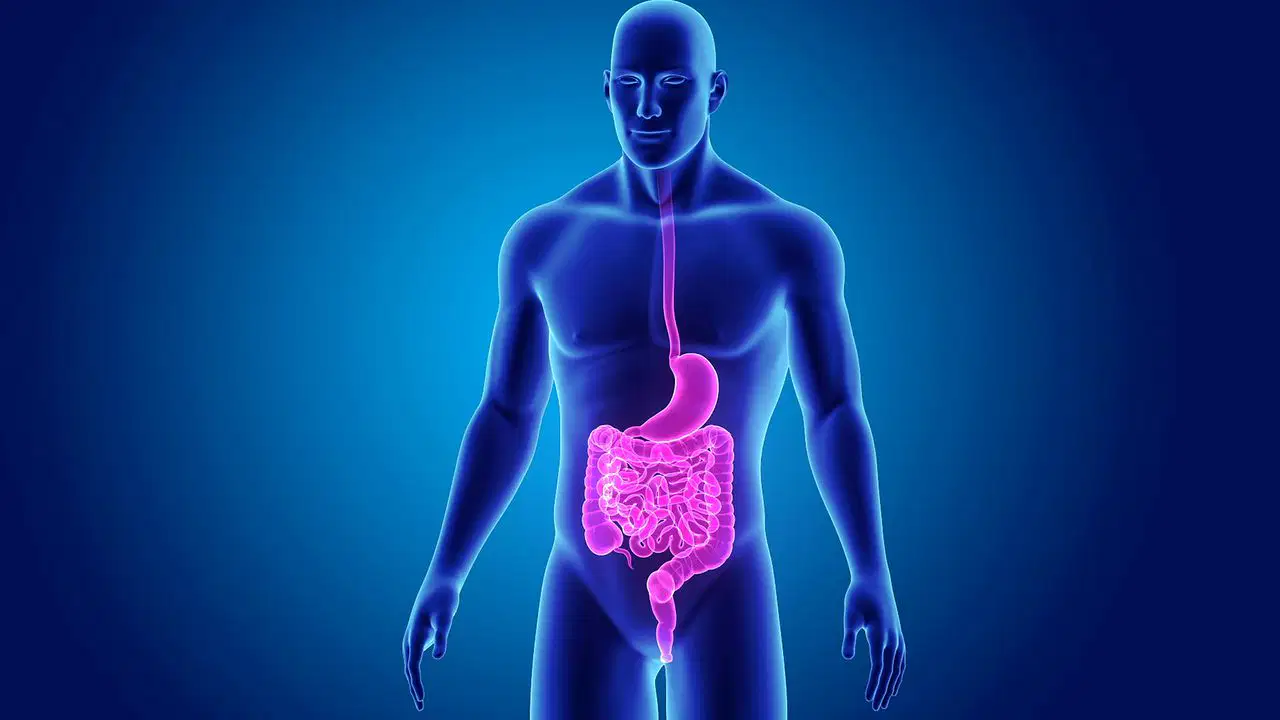
Which system is concerned with the ingestion, digestion, and absorption of food?
Immune system
Digestive system
Muscular system
Integumentary system
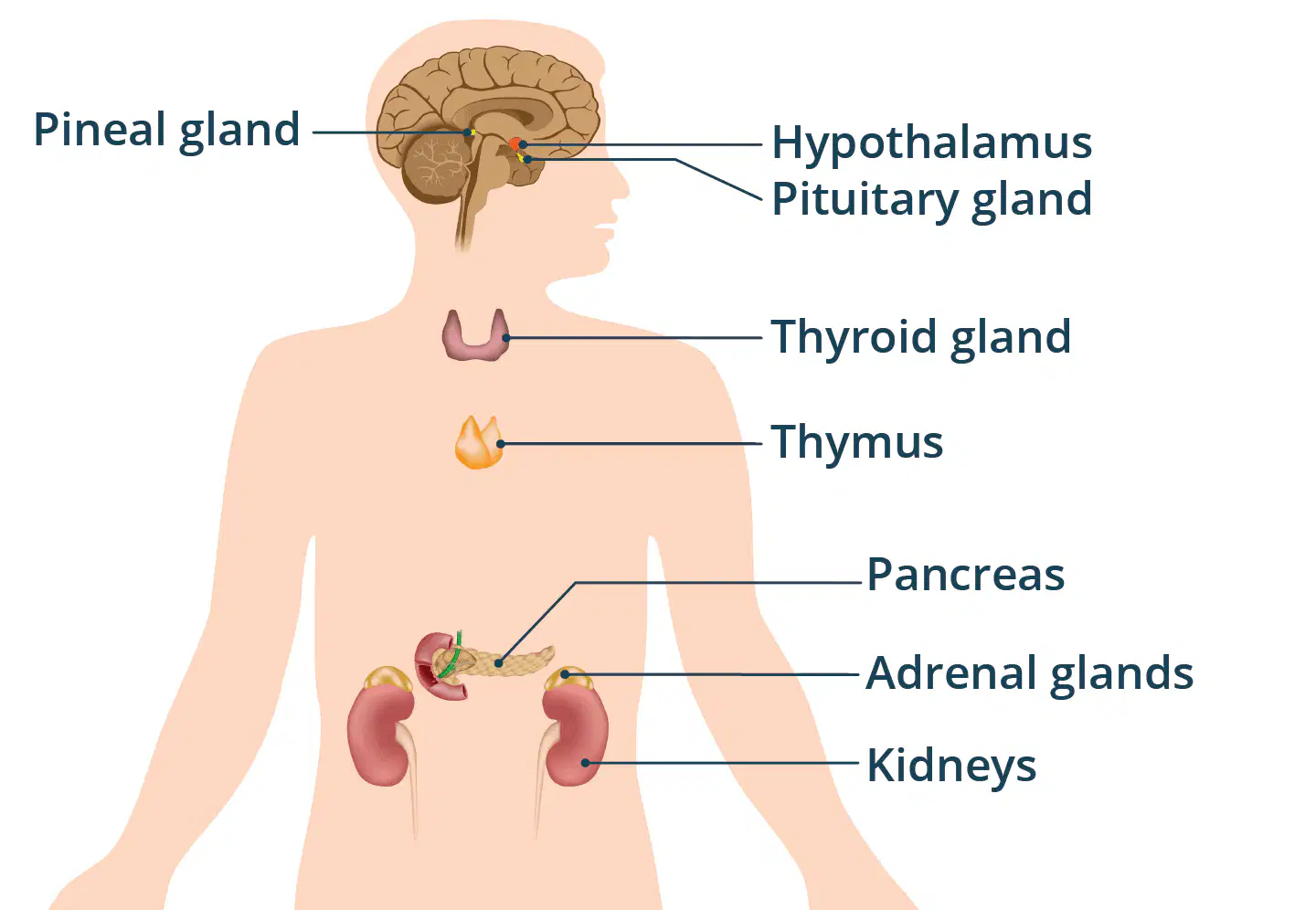
Which system includes glands that produce endocrine secretions and help to control bodily metabolic activity?
Nervous system
Circulatory system
Endocrine system
Integumentary system
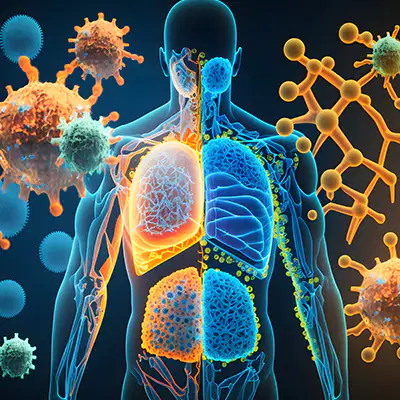
Which system protects the body from foreign substances, cells, and tissues by producing the immune response?
Immune system
Muscular system
Digestive system
Nervous system
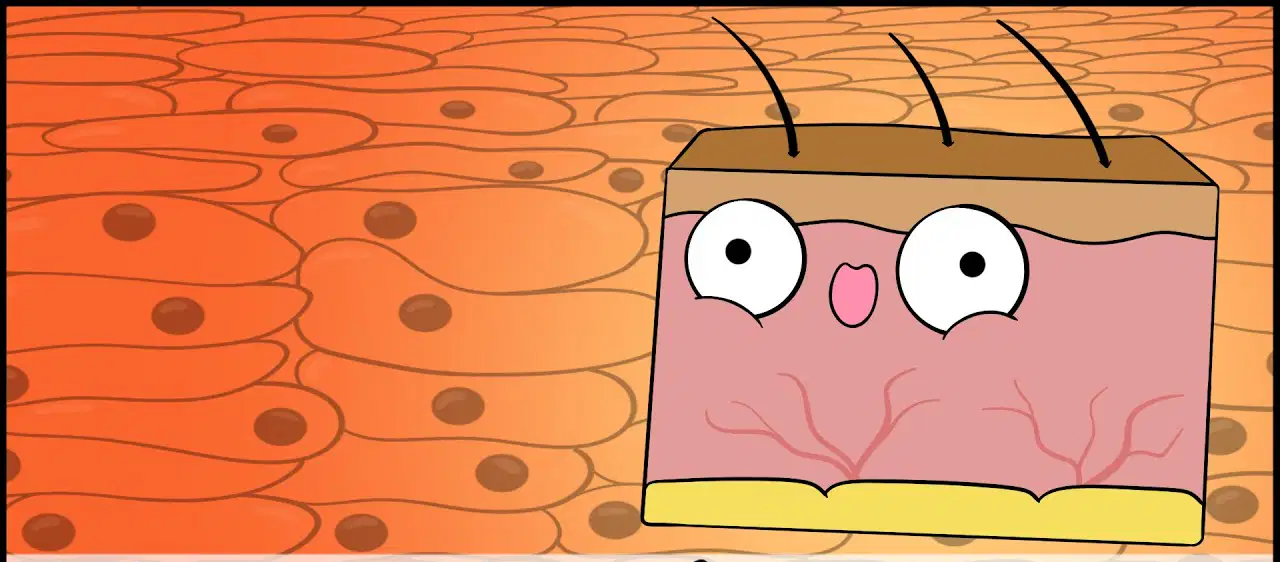
Which system functions as a barrier to protect the body and its organs?
Nervous system
Integumentary system
Muscular system
Circulatory system
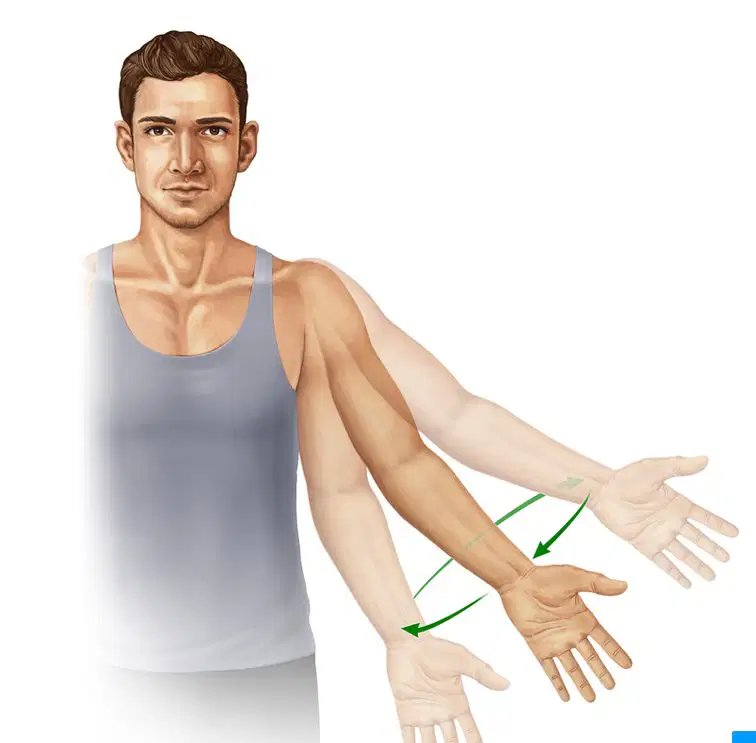
Which system allows movement of body parts for locomotion and other actions?
Muscular system
Digestive system
Endocrine system
Immune system
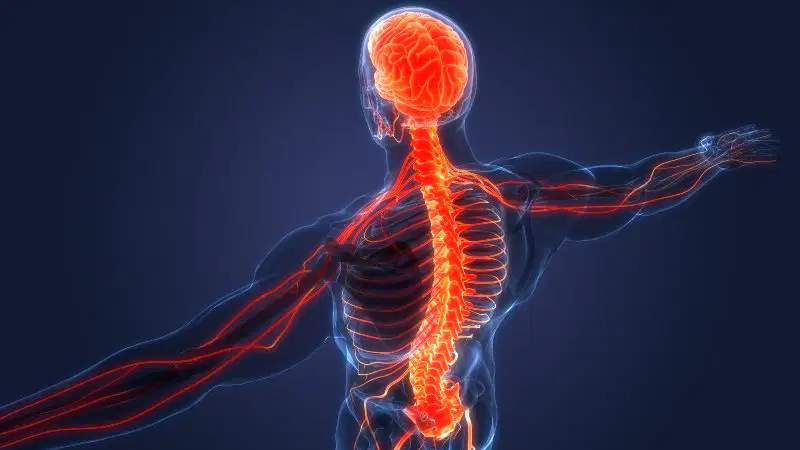
Which system is made up of the brain and spinal cord, nerves, and ganglia, and receives and interprets stimuli?
Circulatory system
Nervous system
Digestive system
Immune system
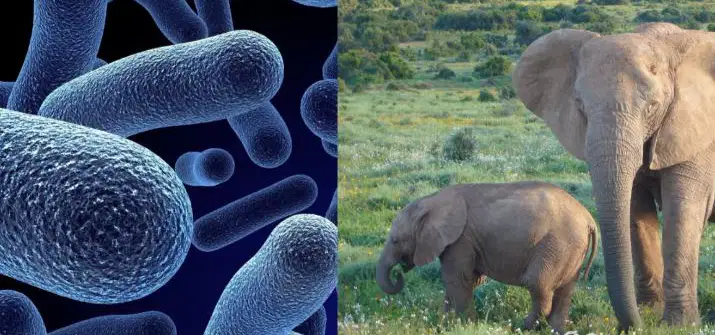
What term describes an individual form of life, such as a plant, animal, bacterium, protist, or fungus?
Inherited trait
Organism
Endocrine system
Integumentary system
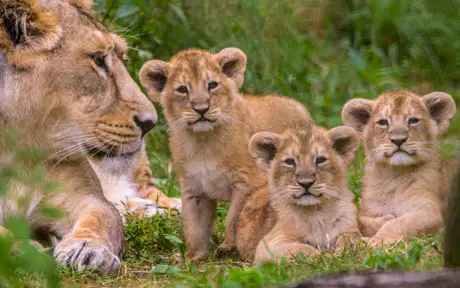
Which system produces offspring?
Respiratory system
Skeletal system
Reproductive system
Urinary system

Which system consists of bones, cartilage, and ligaments and provides a supportive or protective structure for an organism?
Respiratory system
Urinary system
Reproductive system
Skeletal system
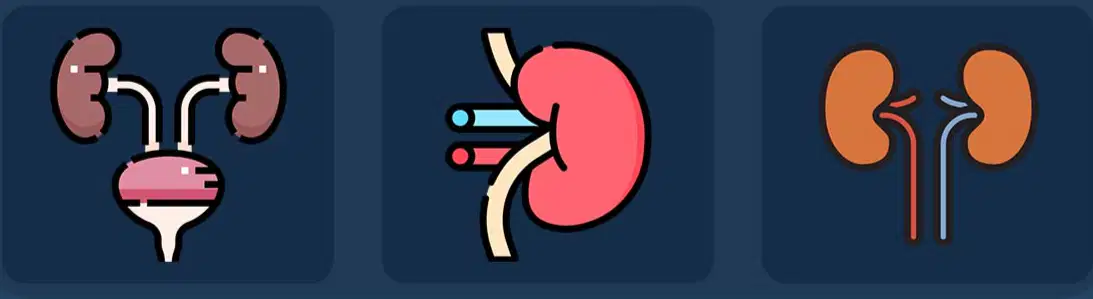
Which system includes the kidneys, ureters, urinary bladder, and urethra and functions to remove waste from the body?
Respiratory system
Skeletal system
Urinary system
Reproductive system
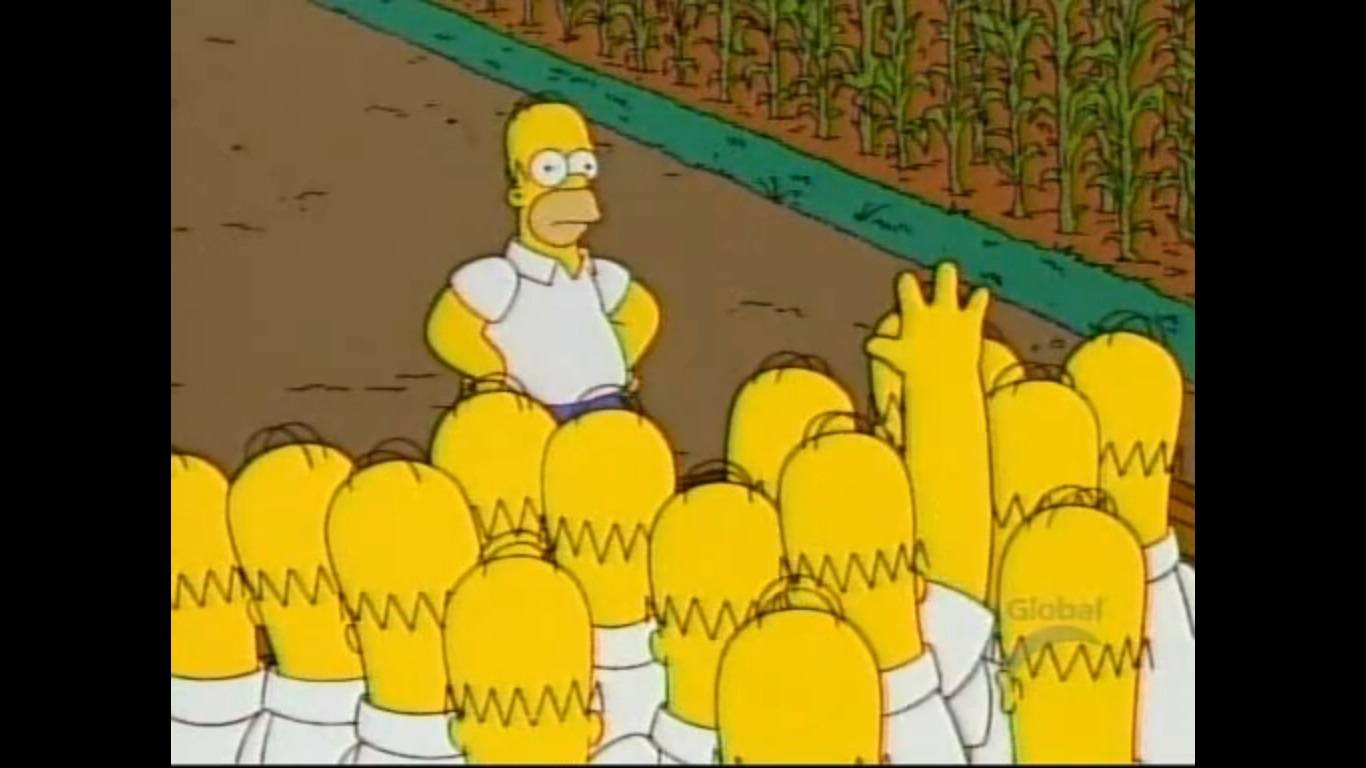
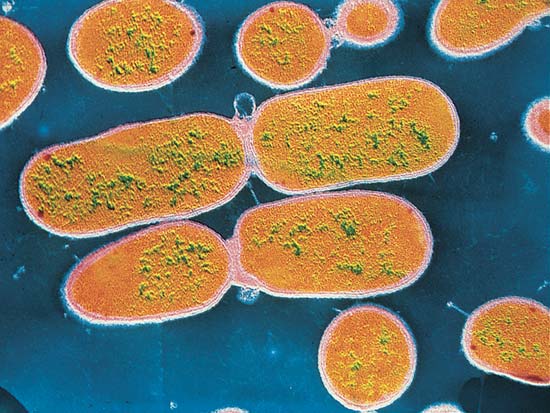
Which disadvantage is most related to asexual reproduction
slower process
requires more energy
produces less offspring
there is no genetic diversity

What is the process called where humans identify desirable traits in plants and animals and take steps to enhance those traits in future generations?
Natural selection
Artificial selection
Genetic mutation
Evolution

What is a group of interbreeding organisms of the same species within an environment called?
System
Population
Trait
Organism
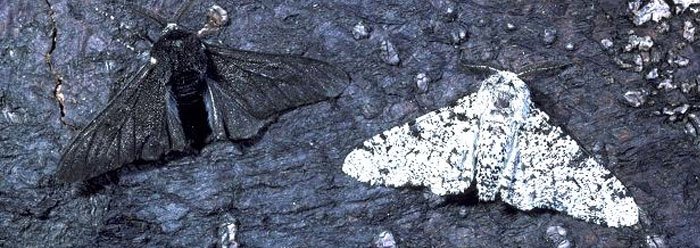
What word describes a trait that helps an organism survive in its environment?
natural selection
mutation
camouflage
adaptation
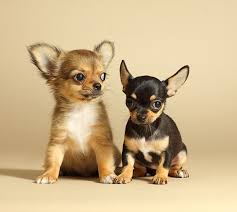
Dogs evolved from wolves as an example of....
Artificial Selection (Selective Breeding)
Natural Selection
Mutations
Extinction
To be able to eat the different food available
What is it called when humans decide which traits of an organism are the most desirable and only allow those organisms with the specific, desired traits to breed.
biological evolution
evolution by natural selection
Artificial Selection (selective breeding)
inbreeding
What is an example of artificial selection?
Letting dogs choose their own mate
Letting plants pollinate on their own
Crossing a labrador and a poodle to create a labradoodle
1. Artificial selection has been a big factor in the evolution of:
Dogs
Panda bears
Snakes
Jellyfish
Which statement is true comparing natural selection and artificial selection?
In natural selection, traits benefit humans and in artificial selection, the traits benefit the species
In natural selection, traits benefit the species and in artificial selection, the traits benefit humans
In natural and artificial selection, the process takes hundreds of years to occur
In natural and artificial selection, nature determines what traits will be passed down to offspring.
Primary succession occurs in an area that has:
soil
no soil
some soil
none of these
___ are the first organisms to colonize an area and begin the process of ecological succession.
foundational organisms
introductory organisms
primary organisms
pioneer species
What is the main difference between primary and secondary ecological succession?
Primary begins WITHOUT soil; Secondary begins WITH soil
Primary is the first state and secondary is the second stage
Primary builds plant community; secondary builds animal community
Primary begins WITH soil; Secondary begins WITHOUT soil
What is an example of a disturbance that could bring about secondary succession?
Humans cut down many trees in a small region
A volcanic eruption covers a village in lava.

During a forest fire most vegetation (plants) burn. Which ecological succession will take place after a forest fire?
Primary
Secondary

As ecological succession progresses, a pioneer community gradually changes into a climax community. What typically happens during this process?
The number of species increases
The number of species decreases
The organisms in an area decrease in size
The organisms in an area can no longer find food
Which of the following types of organisms would be present during the pioneer community stage of ecological succession?
Lichens and mosses
Grasses and shrubs
Small trees and wildflowers
Tall trees and thick brush
Which
As an ecosystem transitions from a grassland to a forest, grasses will begin to -
adapt to life in the forest.
be replaced by other plants.
multiply to establish dominance.
relocate to a nearby grassland.
What are the two types of ecological succession?
Primary and Secondary
Environmental and Natural
Habitat and Community
Population and Community
Which of the following is the correct order of ecological succession?
grass - shrubs - lichens - trees
lichens - shrubs - grasses - trees
lichens - grasses - shrubs - trees
grasses - lichens - shrubs - trees
What is an increase of biodiversity over time, after a natural or manmade disturbance?
ecological recession
climax recession
ecological succession
climax succession
True or false: Succession increases biodiversity
True
False
The final state of ecological succession is...
mature tree growth
climax community
pioneer community


An ecosystem that is not sustainable can break down when a natural disaster occurs. This can lead to organisms in the ecosystem either leaving the area or dying off.
Increased biodiversity results in a more sustainable ecosystem because -
F. A greater number of plant species means that there is less barren land
G. A greater variety of species present allows more organisms to adapt after changes occur
H. The transition area between two ecosystems is narrower.
J. There are fewer species to be affected by environmental stresses

Students in a science class visited four local ecosystems. The students observed the species present in each ecosystem and recorded their observations in the table.
Based on these observations, which ecosystem is likely to be the LEAST sustainable?
A. Ecosystem 1, because it has the fewest species.
B. Ecosystem 2, because it includes both aquatic and terrestrial species.
C. Ecosystem 3, because it has few predators.
D. Ecosystem 4, because it supports many animals.
Tropical rainforests have the greatest biodiversity of any type of land ecosystem. How does biodiversity contribute to the sustainability of an ecosystem?
F. The presence of more species with different adaptations makes it more likely that some organisms will survive an ecological disaster.
G. Greater genetic variation within species makes it more likely that some individuals will survive a disease outbreak.
H. The presence of a variety of herbivore species that can feed on a large number of different producer species helps ensure abundant prey for predators in the ecosystem.
J. All of the above.

The food webs below model relationships among the organisms in two ecosystems.
Which ecosystem would be more likely to survive if a disease killed the grasses?
A. The forest ecosystem, because most of the animals can eat other organisms.
B. The grassland ecosystem, because several predators compete for food.
C. The forest ecosystem, because it has three top predators.
D. The grassland ecosystem, because it has many herbivores.


Image "B" shows more biodiversity than image "A". Why?
Because "B" shows more different species than image "A"
Because image "B" has less different species than "A"
"A" has a greater number of same species plants so this statement is wrong.
Both images show the same biodiversity
Which ecosystem below has the HIGHEST biodiversity?


What two organelles are NOT in an animal cell?
Cell Membrane and Mitochondria
Nucleus and Ribosomes
Cell Wall and Chloroplasts
Golgi Body and Lysosomes
The tough outer barrier of some cells, holds the shape and protects the cell
Mitochondria
Cell Wall
Nucleus
Ribosomes
Controls what enters and exits ALL cells
Golgi Body
Lysosomes
E.R.
Cell Membrane

Name this organelle
Ribosomes
Vacuole
Nucleus
Chloroplast
Makes proteins
Ribosomes
Lysosomes
Golgi Body
Nucleus
Creates energy for ALL cells, the powerhouse of the cell
Nucleolus
Vacuole
Cytoplasm
Mitochondria
Creates energy for some cells using sunlight, the solar panel of the cell
Vacuole
Chloroplast
E.R.
Ribosomes
Holds the DNA, or genetic material, in ALL cells; the brain of the cell
Cell Wall
Mitochondria
Golgi Body
Nucleus

Name this organelle
Cell Wall
Mitochondria
Nucleus
Vacuole
Stores water in all cells
Cytoplasm
Ribosomes
Cell Membrane
Vacuoles
Jelly-like substance that fills ALL cells
E.R.
Cell Membrane
Cytoplasm
Ribosomes

What is the LARGE blue circular organelle named?
Nucleus
Golgi Body
Cell Wall
Vacuole
Three things a plant cell has that an animal cell does NOT have are:
Cell wall, cytoplasm, and ribosomes
Lysosomes, Chloroplasts, and Mitochondria
Cell wall, Large Vacuole, and Chloroplasts
Cell Wall, Lysosomes, and Chloroplasts
The structures which perform specific functions inside cells are called...
organs
organisms
organelles
atoms

What is the process by which the traits of a population change over time to better fit the environment?
Photosynthesis
Adaptation
Respiration
Metabolism

Which classification of organisms have cells that are eukaryotic, do not have cell walls, and rely on consuming other organisms for food?
Plants
Bacteria
Animals
Fungi
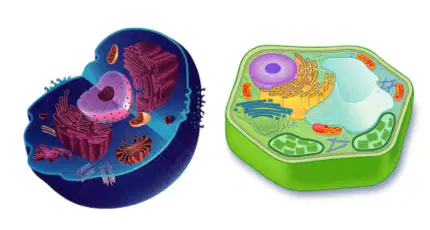
What is the basic unit of life that contains biomolecules such as DNA and proteins?
Cell
Nucleus
Mitochondria
Chloroplast
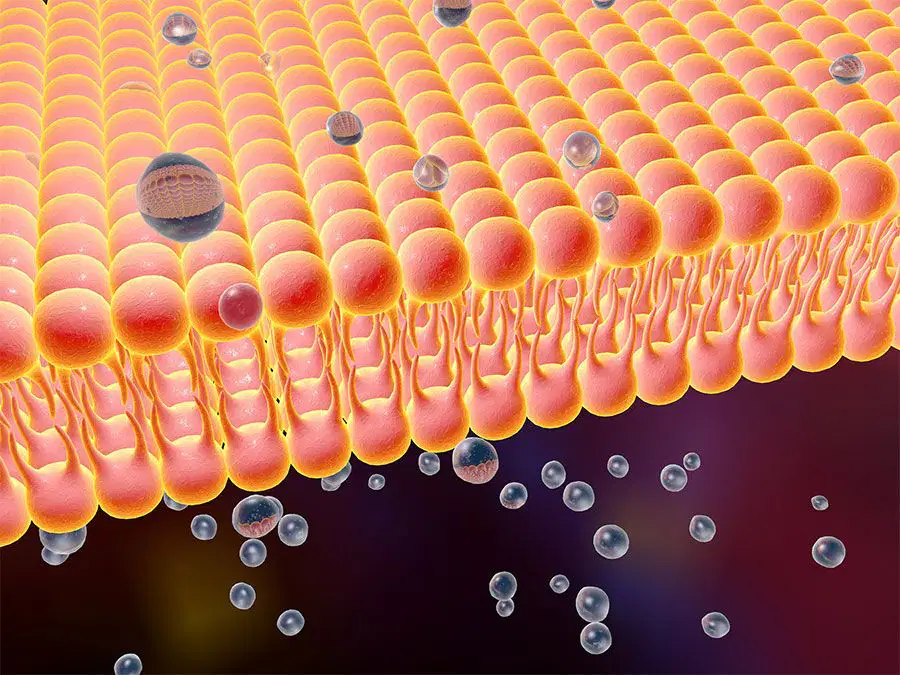
What is the semipermeable layer surrounding the cell that controls the movement of materials into and out of the cell?
Cell wall
Cytoplasm
Cell membrane
Nucleus
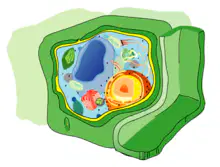
Which structure is usually rigid and supports the cells of most plants, bacteria, fungi, and algae?
Cell membrane
Cell wall
Cytoplasm
Chloroplast
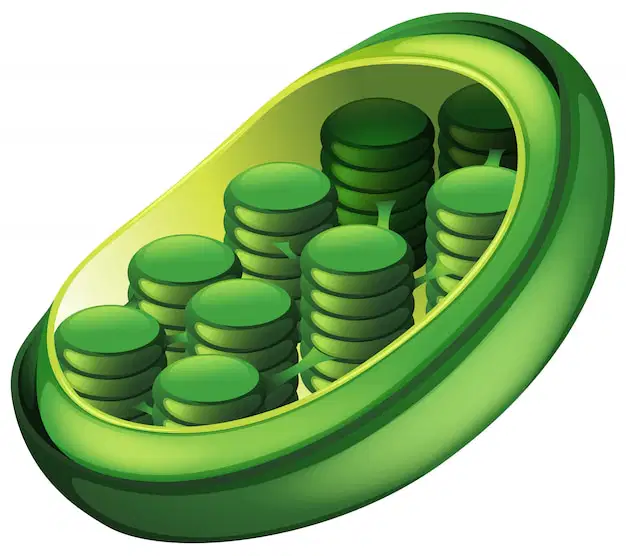
Which organelle contains chlorophyll and is the site of photosynthesis?
Mitochondria
Nucleus
Chloroplast
Cytoplasm

What is the gel-like complex of substances outside of the nuclear membrane of a cell called?
Cytoplasm
Cell wall
Nucleus
Mitochondria
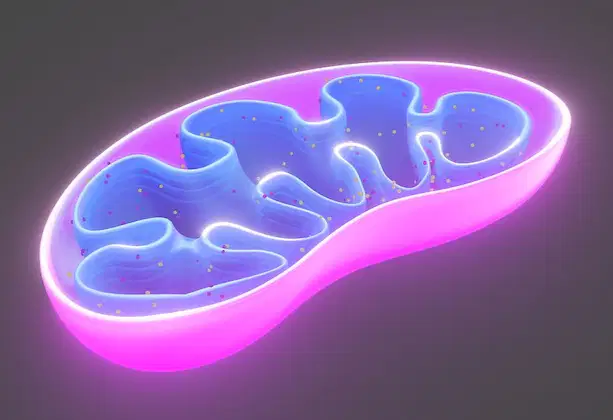
Which organelle produces energy for the cell through cellular respiration?
Nucleus
Mitochondria
Chloroplast
Cytoplasm
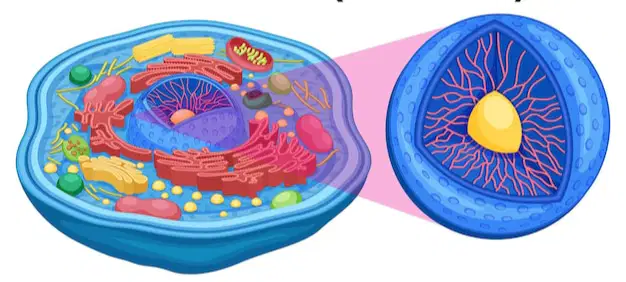
What is the cellular organelle that contains the genetic material (DNA) of the organism?
Cytoplasm
Mitochondria
Nucleus
Cell membrane
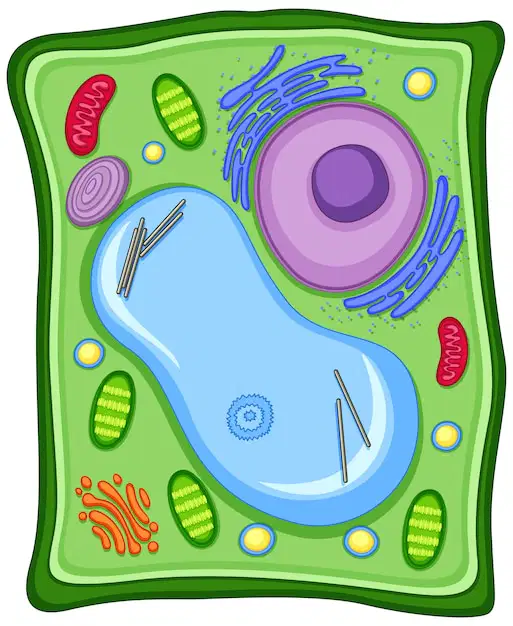
Which classification of organisms have cells that are eukaryotic, have a cell wall, and use chlorophyll to make their own food?
Animals
Bacteria
Fungi
Plants
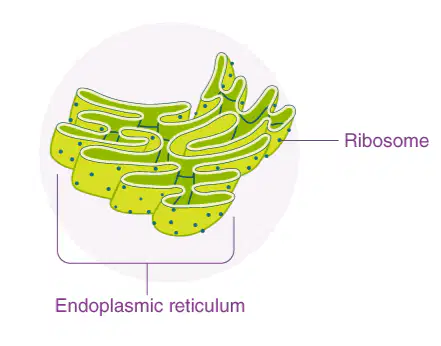
What do ribosomes make?
DNA
Protein
Lipids
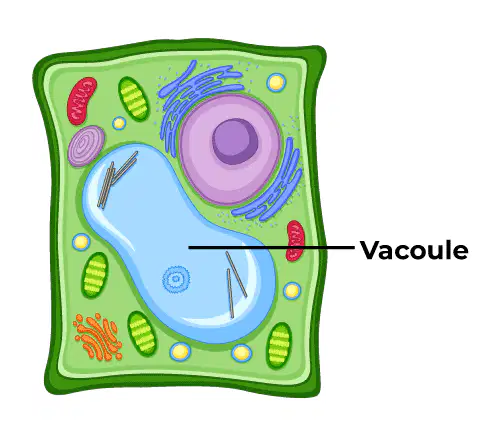
What is a vacuole?
A structure in the nucleus
A cavity or vesicle in the cytoplasm of a cell, usually containing fluid
A type of ribosome
A part of the cell membrane
Which statement about genes is always true?
Each gene is responsible for a single trait.
Many genes are required to determine a single trait.
Both inherited traits and acquired traits are determined by genes.
Genes are located on chromosomes within the cell nucleus.
Where is DNA found in a cell?
cell wall
Nucleus
cell membrane
chloroplast
Which of the following is the correct organization of genetic material from largest to smallest?
DNA → genes → chromosomes → nucleus
genes → DNA → chromosomes → nucleus
nucleus → chromosomes → DNA → genes
chromosomes → DNA → nucleus → genes

Three cousins have a similar appearance but have different face shapes. Which of these cell components are most involved in determining the basic shape of each girl’s face?
Genes, chromosomes, nucleus.
Cytoplasm, chloroplasts, and genes.
Vacuoles, nucleus, and chromosomes.
Chromosomes, chloroplasts, and vacuoles.

The two mice pictured below were produced by cloning. What do the mice have in common that makes them clones?
their diet
when they were born
their genetic material
the number of siblings they have

Bianca has blue eyes like her father. Where is the trait found?
genes within chromosomes in nucleus
chromosomes within genes in cytoplasm
nucleus within a gene in the chromosome
cytoplasm within a chromosome

The picture below shows three members of the deer family. Even though each animal is in the deer family, why do they look different from one another?
A . The animals inherited their genes from different parents.
B. The animals live in different environments.
C. The animals are at different age levels.
D. The animals feed on different sources of food.
A tiger cub has a pattern of stripes on its fur that is similar to that of its parents. Where are the instructions stored that provide information for a tiger's fur pattern?
A. In cytoplasm inside cells
B. On genes within chromosomes
C. On the cell membrane
D. In the mitochondria

The girl has a widow's peak because of her —
A. genes, which are located in chromosomes in her cells' nuclei.
B. environment, in which most people have a widow's peak.
C. parents, who decided which traits to pass on to their daughter
D. hormones, which are located in her glands.

A.
B.
C.
D.

A
B
C
D
An organism inherits its genetic instructions from the —
organism's offspring
organism's parents
organism's mating partner
organism's prey
Where is the genetic material that determines the inherited traits of an organism located
inside of a eukaryotic cell?
A.Cytoplasm
B.Vacuole
C.Nucleus
D.Ribosome
A tiger cub has a pattern of stripes on its fur that is similar to that of its parents. Where are
the instructions stored that provide information for a tiger’s fur pattern?
A . In cytoplasm inside cells
B. On genes within chromosomes
C. On the cell membrane
D. In the mitochondria
Two sisters are born from a father who has blue eyes and a mother who has brown eyes.
One sister has blue eyes, and the other has brown eyes. Which of the following explains this difference
in eye color?
A . Each sister inherited a different combination of genes from their parents that determined their eye
color.
B. The parents chose the sisters' eye color after their births.
C. The environment determined the sisters' eye color.
D. Each sister can only inherit traits from her mother, so the blue-eyed sister will likely have
brown eyes when she is older
What is the basic unit of heredity that is located on chromosomes?
Protein
Gene
Cell
Nucleus
Which of the following best describes the role of genes in determining traits?
Genes are responsible for producing energy in cells.
Genes carry the instructions for making proteins that determine traits.
Genes are the building blocks of DNA.
Genes are responsible for cell division.
Which of the following statements is true about genes?
All genes are identical in every organism.
Genes are segments of DNA that code for proteins.
Genes are only found in animals.
Genes are not involved in inheritance.
Describe how genes are passed from parents to offspring.
Genes are passed randomly without any pattern.
Genes are inherited from both parents, with one set from each.
Genes are only inherited from the mother.
Genes are only inherited from the father.
Analyze the impact of genetic variation on a population.
It decreases the chances of survival.
It increases the diversity and adaptability of the population.
It has no impact on the population.
It leads to the extinction of the population.
What is the primary function of chromosomes in cells?
To provide energy for cellular processes.
To store and organize genetic information.
To produce proteins directly.
To control the cell's movement.

The sharp teeth of lions are what type of adaptation?
Structural
Physilogical
Behavioral

Some kinds of birds migrate to the warmer places in the winter
Structural
Physilogical
Behavioral

The wings of a butterfly look like snake heads
Camouflage
Webbed Feet
Pretend Play
Mimicry

Octopus changes its own colors to blend in with the sand
Camouflage
Webbed Feet
Pretend Play
Mimicry

Skunk releases and sprays odor at predator
Structural
Behavioral
Physiological

Some animals pretend to be dead to protect themselves from predators
Structural
Behavioral
Physiological

Frogs use webbed feet to swim in water
Structural
Physilogical
Behavioral

Snake produces venom
Structural Adaptation
Behavioral Adaptation
Physiological Adaptation
Mimicry
What is a physical or behavioral trait that serves a specific function and improves an organism's fitness or survival?
Adaptation
Purebred
Hybrid
Mimicry
Migration, hibernation and nocturnal behavior are all
Physiological adaptations
Behavioral adaptations
Structural adaptations
All of the following are structural adaptations except:
Sharp Teeth
Ability to produce venom
Feathers
Porcupine quills

Physiological
Structural
Behavioral
What is an adaptation?
A trait that increases the survival of an organism.
A trait that an organism acquires without genetic influence.
A choice made by humans about what organisms breed for advantageous traits.
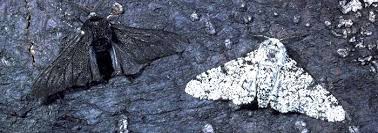


Plants grow towards sunlight to help them acquire as much sunlight as possible.
behavioral
structural

When threatened, some animals make warning sounds to help other animals escape a predator.
Behavioral Adaptation
Structural Adaptation
When an environment changes over time and a species adapts or changes to be better able to live and reproduce is called...
natural selection
offspring
behavioral adaptation
traits
During natural selection, an organism with successful traits will pass these traits to its __________________.
offspring
adaptation
camouflage
parents
A brown mouse lives in the mountains. It blends with the soil. Predators cannot see it. Some of its babies are born with grey fur. Predators easily see the grey mice and eat them.
Then, a volcano erupts and changes the environment. The ground is now a black or gray color.
After natural selection, which mouse will there be more of? Why?
A mouse with grey fur because it would blend in better to the environment
A mouse with brown fur because it would blend in better to the environment
A variation is . . .
when organisms have camouflage like spots or stripes
an organism from a different dimension
when you order different food than your friend
differences between organisms in the same species
Any change in the sequence of DNA is a
recombination
mutation
chromatin
independent assortment
A physical feature or behavior that helps an organism get food, protect itself, move, or reproduce
mimicry
natural selection
adaptation
Favorable traits are passed to future generations and unfavorable traits are not through ________.
mimicry
natural selection
adaptation
Adaptations that allow organisms to perform special functions within the body are called ____ adaptations. These are also known as functional adaptations.
behavioral
structural
physiological
learned

