wayground logo

Free Printable Worksheets

NEW

Font size

S
M
L
XL
Worksheets

Rocks & rock cycle

Total questions: 33

Worksheet time: 18mins
Name
Class
Date
1.
Formed by heat and pressure
a)
Sedimentary
b)
Metamorphic
c)
Extrusive Igneous
d)
Intrusive Igneous
2.
Formed by cooling & solidification of lava
a)
Sedimentary
b)
Metamorphic
c)
Extrusive Igneous
d)
Intrusive Igneous
3.
Formed by cooling & solidification of magma
a)
Sedimentary
b)
Metamorphic
c)
Extrusive Igneous
d)
Intrusive Igneous
4.
Formed by weathering & erosion
a)
magma
b)
sediments
c)
sedimentary rock
d)
intrusive igneous
5.
Has large crystals because of slow cooling
a)
sedimentary rock
b)
metamorphic rock
c)
intrusive igneous rock
d)
extrusive igneous rock
6.
Has small or no crystals because of rapid cooling
a)
sedimentary
b)
metamorphic
c)
extrusive igneous
d)
intrusive igneous
7.
Has wavy bands.
a)
sedimentary rock
b)
metamorphic rock
c)
extrusive igneous rock
d)
intrusive igneous rock
8.
Contains fossils. 
a)
sedimentary rocks
b)
metamorphic rocks
c)
extrusive igneous rocks
d)
intrusive igneous rocks
9.
The parent rock of Gneiss is
a)
Marble
b)
Granite
c)
Obsidian
d)
Biotite
10.
The three groups of rocks are classified by
a)
How they form
b)
Color
c)
Grain size
d)
Chemical Composition
11.
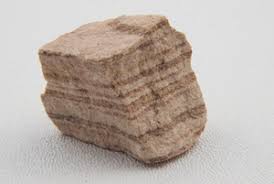
This rock formed when bits of other rocks became pressed into a solid. What type of rock is it?
a)
Sedimentary Rock
b)
Metamorphic Rock
c)
Igneous Rock
12.
This rock was formed when molten rock cooled into a solid. What type of rock is it?
a)
Igneous Rock
b)
Metamorphic Rock
c)
Sedimentary Rock
13.

The name of a person that studies rocks and the earth.

a)

veterinarian

b)

geologist

c)

podiatrist

d)

teacher

14.
When you watch a volcano erupt molten rock, you are seeing _____
a)
Lava
b)
Magma
c)
Mineral Crystals
d)
Igneous Rocks
15.
When sediments are pressed together tightly, this is called ____________.
a)
Compaction
b)
Cementation
c)
Weathering
d)
Erosion
16.
The process when rocks break into smaller pieces due to exposure to natural elements is called
a)
erosion
b)
weathering
c)
sediments
17.
True or False: Once a rock is sedimentary, it cannot become an igneous rock.
a)
True
b)
False
18.

Geologists have classified rocks into three major groups of rocks which are:

a)

inorganic, organic and chemical rocks

b)

igneous, sedimentary and metamorphic rocks

c)

metamorphic, chemical and non chemical rocks

d)

sedimentary, inorganic and igneous rocks

19.
What is process in which water, wind, and heat break down rock?
a)
weathering
b)
exfoliation
c)
cementation
d)
composition
20.

Rocks formed by heat and pressure deep below Earth's surface

a)

Igneous

b)

Metamorphic

c)

Sedimentary

21.
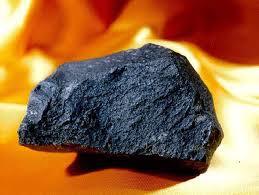
This rock was found near the mouth of a volcano. What type of rock is this?
a)
Sedimentary
b)
Igneous
c)
Metamorphic
22.

This rock started as lava that cooled and solidified. Then it was heated and put under pressure, which changed it chemically. What type of rock is this?

a)

Sedimentar

b)

Igneous

c)

Metamorphic

23.

The individual particles that make up a rock are known as _____

a)

Grains

b)

Textures

c)

Metamorphs

d)

Lava

24.

A slow cooling igneous rock will have _____ crystals

a)

large

b)

small

c)

average

d)

black

25.

Which part of an organism is LEAST likely to be found in a fossil?

a)

Claw

b)

Teeth

c)

Bone

d)

Muscle

26.

This is the continuous process of rock changing from one type to another.

a)

Igneous rocks

b)

Sedimentary rocks

c)

Metamorphic rocks

d)

Rock Cycle

27.

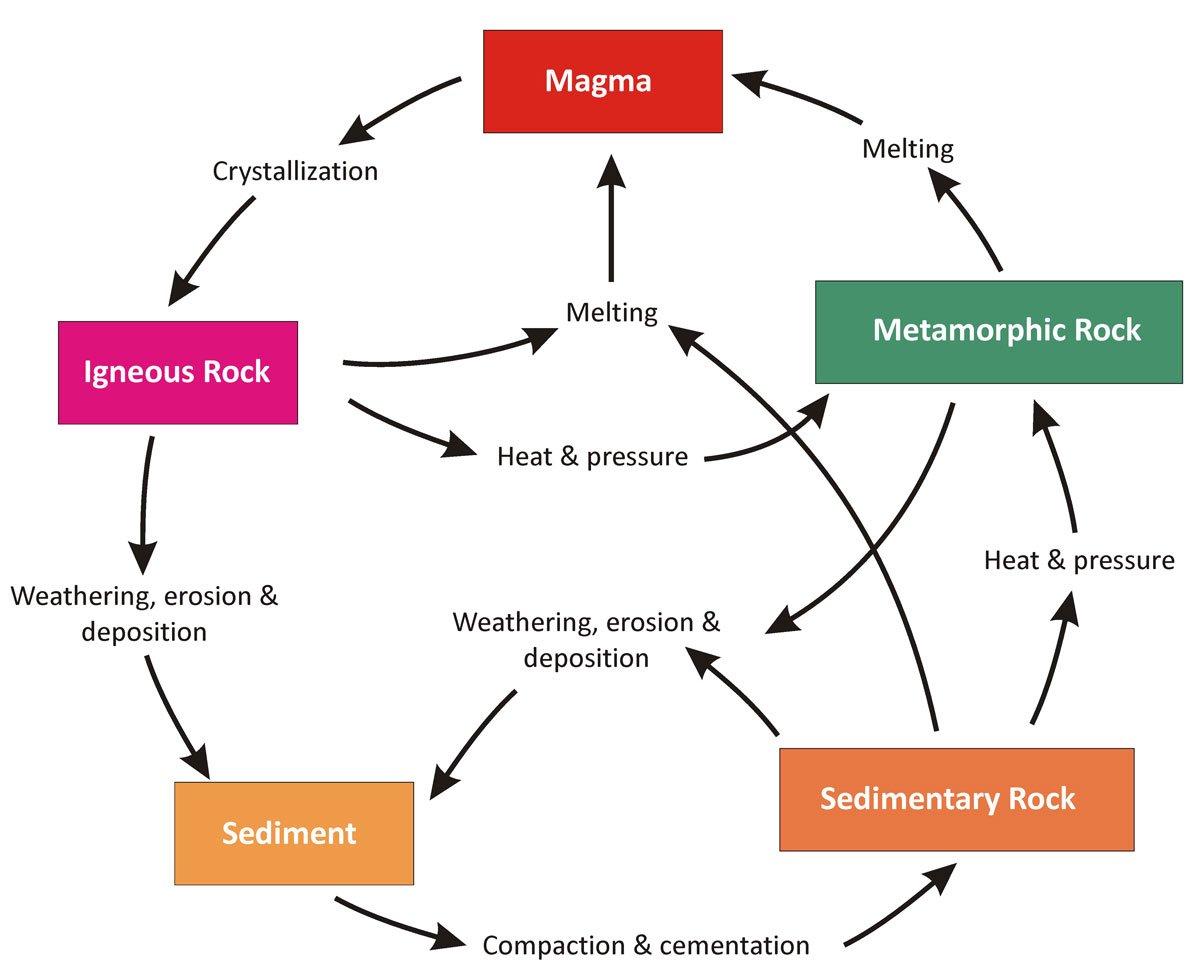
Which missing rock type is the arrow pointing at?

a)

Igneous

b)

Sedimentary

c)

Metamorphic

28.

Which missing rock type is the arrow pointing at?

a)

Igneous

b)

Sedimentary

c)

Metamorphic

29.

Which missing rock type is the arrow pointing at?

a)

Igneous

b)

Sedimentary

c)

Metamorphic

30.

Which statement is the best description of what

happens in the rock cycle?

a)

Rocks on old mountains are gradually weathered away, while mountain building and volcanism form new mountains.

b)

Once formed, rocks stay in place until rocks above them are weathered away and they reach the surface.

c)

As sedimentary rocks are buried deep below other rocks, they are changed by heat and pressure, eventually return to the surface, and are weathered again.

d)

Younger sedimentary rocks are always deposited on top of older metamorphic or igneous rocks.

31.

Fossils found in layers of sedimentary rocks help scientists understand

a)

why volcanoes exist

b)

why rocks are formed

c)

how igneous rocks are made

d)

how species change over time

32.

Once an organism has been dissolved away, this type of fossil is left behind.

a)

trace

b)

body

c)

cast

d)

mold

33.

This type of fossil is filled in and then turned to rock.

a)

trace

b)

body

c)

cast

d)

mold