
 Worksheets
GCSE Edexcel Psychology - Piaget Stages
Total questions: 11
Worksheet time: 6mins
How many stages are in Piaget's cognitive development theory?
1
6
3
4
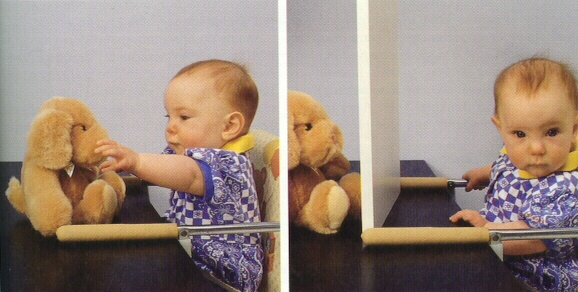

The sensorimotor age range is
birth to 2 years
2 to 7 years
7 to 12 years
12+years
What behaviours are seen in the sensori-motor stage?
Capability of symbolic play and egocentricism
Logical problem solving and ethical thinking
Reflex actions and object permanence
Ability to conserve quantities and put things in order
What behaviours are seen in the concrete-operational stage?
Capability of symbolic play and egocentricism
Logical problem solving and ethical thinking
Reflex actions and object permanence
Ability to conserve quantities and put things in order
What behaviours are seen in the pre-operational stage?
Capability of symbolic play and egocentricism
Logical problem solving and ethical thinking
Reflex actions and object permanence
Ability to conserve quantities and put things in order
What behaviours are seen in the formal-operational stage?
Capability of symbolic play and egocentricism
Logical problem solving and ethical thinking
Reflex actions and object permanence
Ability to conserve quantities and put things in order
What is object permanence?
Someone's ability to know an object is still there when it is hidden
Someone's ability to loose an object
Someone's moral development
Someone's ability to know an object like liquid can change shape but keep its volume the same
What is ego-centricism?
Someone's ability to know a liquid can change shape but still have the same volume
Someone's ability to put things in order of smallest to largest
Someone's ability to see something from someone else's point of view
Someone's lack of ability to see something from someone else's point of view
What is conservation?
The ability to understand weight, length and volume do not change despite adjusting the shape of it.
The ability to recognise that an object may have disappeared but it is still there
The ability to see from other people's points of view
The ability to create a schema and change and develop it as you grow older

