
 Worksheets
Science Diagnostic Test - MYP 1
Total questions: 47
Worksheet time: 47mins

The system represented in the adjacent figure is the :
Urinary

Urinary


My small and large ___________ break down the food so my body can use it for energy.
Intestines
Kidneys
Stomach
Bladder
What is the purpose of the Circulatory System?
Transports oxygen and nutrients
Removes extra water and wastes
Digests foods and absorbs nutrients
Collects, transfers and processes information
What is the purpose of the Skeletal System?
Transports oxygen and nutrients
Supports and protects the body, creates blood
Movement and heat production
Gas exchange in the body and lungs

Which bones protect the heart and lungs?
number 7
number 8
number 9
number 10

Which bone helps us chew our food by moving up and down?
number 7
number 8
number 9
number 10
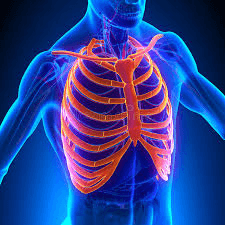
What bone is highlighted?
Ribs
Vertebrae
Clavicle
Femur
This system breaks down our food into a form that our body can use as fuel
Respiratory
Digestive
Nervous
Muscular
Which of the following is NOT a component of the circulatory system?
heart
blood vessels
blood
Brain
What is Photosynthesis?
The process of breathing
The process by which plants make food
The process of anchoring
Germination of seeds
What do plants need to make food ?
Sugar
Water
Oxygen
Chlorophyll

The stem:
Has no real purpose.
Supports the leaves.
Helps the plant stand upright.
Helps carry nutrients.

The roots are essential to the plant because they :
Support the plant.
Take in water.
Take in nutrients.
Make the plant look nice

The products of photosynthesis are:
soil and sunlight
hydrogen and carbon dioxide
oxygen and water
oxygen and sugar

The names of the labeled parts are :
(1) fruit
(2) stem
(3) roots
(1) seed
(2) trunk
(3) roots
(1) flower
(2) stem
(3) roots
(1) fruit
(2) plant
(3) stem
Parts of a plant that absorb mineral and water from the soil is____
stem
roots
leaves
Fruits
Parts of plant that prepare the food for the plant is____
flower
roots
leaves
stem
What is the first stage of the plant life cycle?
seedling
seed
adult plant
germination
The physical place where a population or organism lives is called .
Earth
Ecosystem
Ocean
Habitat

Many animals in an ecosystem depend on other animals for —
shelter
water and air
energy
support
All living things perform this action
Eat
Grow
Breathe
All of the above
Which of the following is a non-living thing?
Flower
Seeds
Table
Horse

Look at the picture given below:
Living things breathe
Living things move
Living things feel
Living things grow
Which one is a characteristic of a living thing?
Living things do not grow.
Living things need food to live.
Living things cannot move from place to place.
None of the above.

All living things consist of tiny units called...
Organisms
Cells
Materials
Organs
Our planet earth is located between two planets which are :
Neptune

What spiral galaxy do we live in?
Andromeda Galaxy
Dwarf Galaxy Saggitarius
Milky Way Galaxy
Snickers Galaxy
The Sun and all the planets that orbit the sun are called :
Planet
Star
Gravity
Solar System
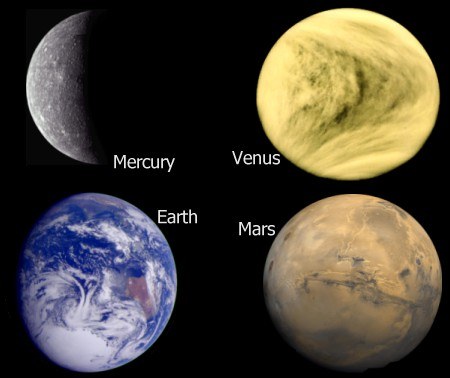
Earth and the other planets closest to the Sun are made mostly of :

The Sun is a ________, that is a huge ball of glowing gases.
planet
asteroid
star
comet


