
 Worksheets
Recap of Year 10 Biology
Total questions: 80
Worksheet time: 1hrs 16mins

What is NOT a part of cell theory:
all cells come from existing cells
all cells have a nucleus
all living things are made of cells
cells are basic unit of structure and function in living things
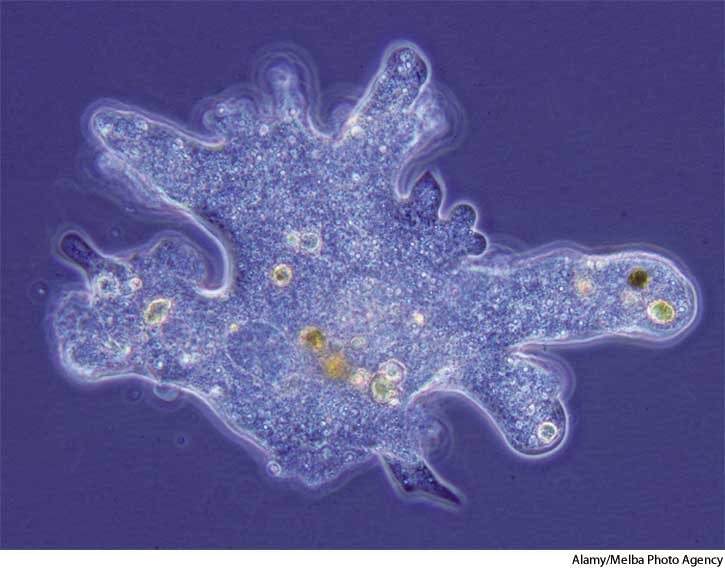


In what organelle is the genetic material (DNA) found inside?
Endoplasmic Reticulum
Golgi Complex
Nucleolus
Nucleus

What organelle is called the "powerhouse" of a cell because it breaks down food and converts it to energy.
Endoplasmic Reticulum
Nucleus
Mitochondria
Nucleolus

This organelles stores water, nutrients, and waste products
Vacuole
Mitochondria
Ribosomes
Cell membrane

The two kinds of cells are Prokaryotes and Eukaryotes. How are they different?
Prokaryotes have a nucleus.
Eukaryotes have a nucleus.
There is no difference.
Only eukaryotes have DNA
Which organelle surrounds a cell and holds it together?
Cell Wall
Nucleus
Cell Membrane
Ribosome
This organelle controls what goes in and out of plant and animal cells.
Cell Wall
Cell Membrane
Chloroplasts
Cytoplasm
The _____________ is a gel-like fluid that fills plant and animal cells. It holds the organelles in place and gives each cell its shape.
Cytoplasm
Cell Membrane
Cell Wall
Chloroplast
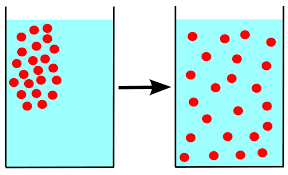

Diffusion is the net movement of molecule from a region of ...1...to region of ...2....
1: lower concentration, 2: higher concentration
1: higher concentration, 2: lower concentration
1: lower concentration, 2: lower concentration
1: higher concentration, 2: higher concentration
Osmosis is the passage of ...1... molecules from a region of their higher concentration to a region of their lower concentration through a ... 2 ... permeable membrane
1: sugar, 2: completely
1: sugar, 2: partially
1: water, 2: completely
1: water, 2: partially
Which of the following is a sample of osmosis?
plant root absorbing mineral ions from the soil
the scent from a bunch of flowers spreads throughout a room
carbon dioxide move from air into leaves through stomata.
plant root absorbing water from the soil
The word "selectively permeable" means ---
allows only certain substances to pass through
not allowing anything to pass through
allowing all substances to pass through
none of the answers are correct


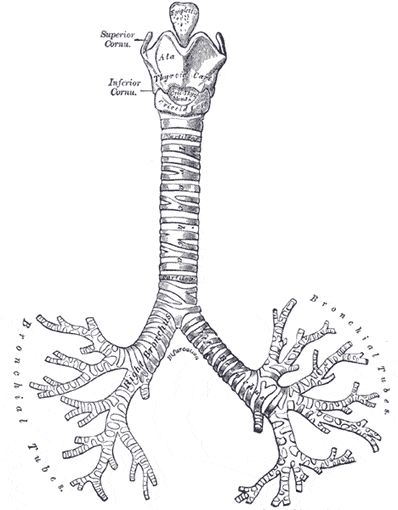

Name the structure labeled 8
lungs
trachea
diaphragm
alveoli
Bands of muscle between your ribs.
Intercostal muscles
Diaphragm muscle

1 is...
Mitral valve
Right ventricle
Aorta
Superior vena cava

4 is...
Right atria
Left atria
Inferior vena cava
Tricuspid valve

7 is...
Right atria
Pulmonary vein
Left ventricle
Superior vena cava

The superior vena cava is...
11
7
10
4

6 is...
Pulmonary vein
Superior vena cava
Left ventricle
Pulmonary artery

The left ventricle is...
3
9
8
12

2 is...
Tricuspid valve
Right ventricle
Right atria
Left ventricle

The main blood vessels are...
Arteries, capillaries and ventricles
Veins, arteries and capillaries
Capillaries, valves and arteries
Arteries have thick muscular walls?
true
false
Capillaries have what two features?
very thin walls
large surface area
small surface area
very thick walls
Veins have thick muscular walls?
True
False
Arteries carry blood back to the heart?
True
False
Veins carry blood back to the heart?
True
False
Arteries have valves?
True
False
Veins have valves?
True
False
Arteries flow at high pressure?
True
False
Food is (a) to our body.
Digestion starts when you place the food in your mouth and start chewing. Once the food is chewed into a paste and you swallow it, What organ does the food travel down first?
Medulla Oblongata
Lungs
Esophagus
Trachea
What kind of acid is inside our stomachs?
sulphuric acid
hydrochloric acid
angelic acid
temporal acid


Food tests are carried out on four solutions. Which solution contains only glucose and proteins?
( indicates a positive reaction; indicates negative result.)
A
B
C
D
Where do plants get the energy for photosynthesis to take place?
nutrients in the soil
the sun
chlorophyll
bee pollination
What part of the plant soaks up water for photosynthesis?
roots
petals
leaf
stem
Where do the leaves and stems of plants get their green color from?
glucose
oxygen
carbon dioxide
chlorophyll

The openings that are found in the leaves of plants are called:
Stomata
Chlorophyll
Xylem
Chloroplast
The process of photosynthesis takes place in the:
Leaves of the Plant.
Stem of the plant.
Roots of the plant.
All of the above.
What are the functions of the roots? (Select two answers)
Absorbing Water and Minerals
Attracting Insects
Anchoring the Plant
Performing Photosynthesis
Making Nectar

What is the cell on the right of this image?
A xylem cell
A guard cell
A palisade cell
A root hair cell
What does the Xylem transport?
Water and Minerals
Glucose
Blood
Chlorophyll
What does the Phloem transport?
Water and Minerals
Glucose
Blood
Chlorophyll
Phloem tubes transport substances..
From the roots to the stem and leaves
From the leaves to the rest of the plant
When photosynthesis takes place during the day, stomata will...
open
close
static
hot
What could happen if a plant's phloem does not work properly?
Photosynthesis will not take place
The plant might be short of water
The plant might be short of food
The plant will not be able to dissolve minerals

Under normal circumstances, what substances should be found in urine?
water, protein, salt
salt, white blood cells, platelets
glucose, urea, protein
water, salt, urea
Glucose in urine can indicate
atherosclerosis
diabetes
emphysema
chronic bronchitis
Tiny structures known as _________ are found in the kidneys to filter the blood.
alveoli
cilia
villi
nephrons

