wayground logo

Free Printable Worksheets

NEW

Font size

S
M
L
XL
Worksheets

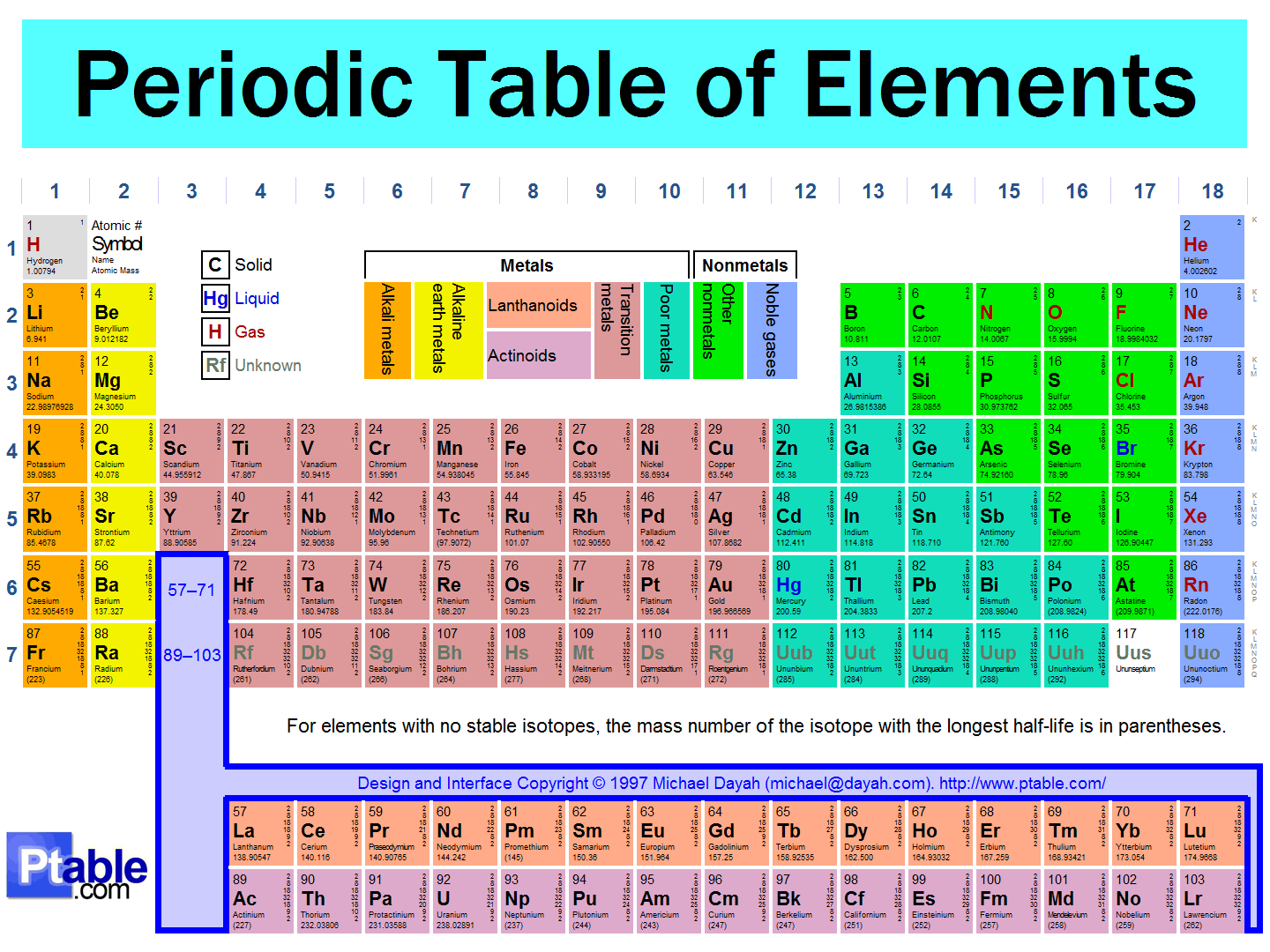
Atomic Structure/Periodic Table

Total questions: 42

Worksheet time: 26mins

Name
Class
Date
1.

Subatomic particles with a negative charge

a)

Electrons

b)

Neutrons

c)

Protons

d)

Quarks

2.
Subatomic particles with a positive charge
a)
neutrons
b)
atomic mass
c)
protons
d)
isotopes
3.
Measure mainly of the nuclear particles: protons + neutrons
a)
Subatomic Particles
b)
Atomic Number
c)
Atomic Mass
d)
Gluons
4.
Value representing the number of protons in an element
a)
Atomic Mass
b)
Mass Number
c)
Valence Electrons
d)
Atomic Number
5.
Subatomic particles that are neutral in charge
a)
Neutrons
b)
Protons
c)
Nucleus 
d)
Electrons
6.
A tiny but very dense, positively charged portion of the atom that holds most of the atomic mass
a)
Electron Shells
b)
Orbitals
c)
Electron Cloud
d)
Nucleus
7.
Arrangement of elements organized by atomic number
a)
Electron Cloud 
b)
Periodic Table 
c)
Electron Configuration
d)
None of these
8.

The smallest particle of an element.

a)

Element

b)

Molecule

c)

Atom

9.

What is one way Neutrons are different from electrons?

a)

they both are negative

b)

neutrons have no charge, while electrons have a negative charge

c)

Both are in the nucleus( center of atom)

d)

Electrons are inside nucleus and neutrons are outside the nucleus.

10.

What is the atomic number?

a)

35

b)

18

c)

17

d)

52

11.

What is the atomic mass of Neon?

a)

10

b)

20

c)

30

12.

What is the atomic mass of Arsenic?

a)

33

b)

107

c)

75

13.
What number indicates the nucleus?
a)
1
b)
2
c)
3
d)
4
14.
What number indicates an electron?
a)
1
b)
2
c)
3
d)
4
15.
All matter is made of 
a)
energy 
b)
atoms 
c)
air
d)
chemistry
16.

What are the subatomic particles?

a)

Protons, Electrons, Neutrons

b)

Molecules, and atoms

c)

Electrons, Protons, Nucleus

d)

Nucleus, and Electrons

17.

Where can we find the location of the Atomic Nucleus?

a)

Center

b)

Left Side

c)

Right Side

d)

Above

18.

What element has the abbreviation Te?

a)

Titanium

b)

Tellurium

c)

Tin

d)

Tennessine

19.

What group and period is Te in?

a)

Group 16, Period 5

b)

Period 16, Group 5

c)

Group 13, Period 5

d)

Group 16, Period 3

20.

What is the atomic number of Te?

a)

127

b)

5

c)

16

d)

52

21.

What is the mass number of Te (to the nearest whole)?

a)

52

b)

16

c)

128

d)

5

22.

Which element has the atomic symbol Hg?

a)

Hafnium

b)

Helium

c)

Hagart

d)

Mercury

23.

What is the atomic symbol for Iron?

a)

I

b)

Ir

c)

Fe

d)

In

24.

Which element has the atomic weight of 58.93?

a)

Zinc

b)

Tin

c)

Cobalt

d)

Arsenic

25.

Which element has an atomic # of 13?

a)

Nitrogen

b)

Yttrium

c)

Aluminum

d)

Carbon

26.

What is the atomic symbol for potassium?

a)

P

b)

Po

c)

Kr

d)

K

27.
Where are the Electrons found in the structure of an atom?
a)
In the nucleus
b)
In spaces around the nucleus
28.
The subatomic particles in green are...
a)
Protons
b)
Neutrons
c)
Electrons
29.
In this picture, the Electrons are found in which color?
a)
Blue
b)
Red
c)
Green
30.

The Atomic number is known as the _______

a)

Number of electrons in an atom

b)

Number of Protons in an atom

c)

Number of neutrons in an atom

d)

Number of Protons and electrons in an atom

31.

What charge do protons have?

a)

Positive

b)

Negative

c)

Neutral

32.
Which two subatomic particles make up the nucleus of an atom?
a)
Protons and Electrons
b)
Neutrons and Electrons
c)
Electrons and Protons
d)
Protons and Neutrons
33.

The mass of an atom is

a)

equal to the number of protons

b)

the protons + electrons

c)

the protons + neutrons

d)

the protons + neutrons + electrons

34.

What does the C represent?

a)

atomic mass

b)

atomic number

c)

element name

d)

chemical symbol

35.

What does the 6 represent?

a)

atomic mass

b)

atomic number

c)

element name

d)

chemical symbol

36.

What does 12.011 represent?

a)

atomic mass

b)

atomic number

c)

element name

d)

chemical symbol

37.

The Modern Periodic Table of Elements is arranged by

a)

atomic mass

b)

atomic number

c)

valence electrons

d)

number of isotopes

38.

The vertical (up and down) columns in the Periodic Table are called

a)

groups

b)

towers

c)

periods

d)

atomic numbers

39.
How many protons are in this element?
a)
79
b)
196
c)
117
d)
Cannot be determined
40.
The horizontal row on the periodic table is called a
a)
group
b)
family
c)
period
d)
atomic number
41.
What does the 1.00794 stand for?
a)
Hydrogen
b)
atomic number
c)
atomic mass
d)
atomic explosion
42.
These are found on the Periodic Table.
a)
Compounds
b)
Elements
c)
Mixtures