
 Worksheets
Biomolecule Review
Total questions: 36
Worksheet time: 38mins
1.) They act like gatekeepers, only let certain things in.
2.) Enzyme receptors embedded in the membrane.
Which of the following lists the most abundant elements in macromolecules
Carbon, Hydrogen, Oxygen, and Nitrogen
Carbon, Hydrogen, Nitrogen, Sulfur
Carbon, Hydrogen, Silicon, Phosphorus
Carbon, Hydrogen, Phosphorus, Osmium
Which biomolecule is made of a phosphate, a sugar, and a nitrogen base?
Protein
Lipid
Nucleic Acid
Carbohydrate
Which biomolecules both provide the cell with energy? SELECT TWO!
Carbohydrate
Lipid
Protein
Nucleic Acid
True or False: Carbohydrates provide more energy than lipids.
True
False
Nucleic Acids contain which elements?
CHO
CHON
CHONP
A polymer is a molecule made up of...
monomers, smaller subunits
dimers, smaller subunits
biomolecules, living molecules
polysaccharide, large units

The function of the nucleic acid is --
to store and transmit genetic information inherited from your parents
to maintain our body temperature
to build up muscles bones and other body parts
to regulate sugar in your blood and give your cells energy
Enzymes are an example of
Lipids
Carbohydrate
Protein
Nucleic Acid
If a molecule ends in -ose, then it is most likely a...
Lipid
Nucleic Acid
Protein
Carbohydrate
Which of the following are biomolecules?
RNA, DNA, proteins, lipids
Proteins, lipids, carbohydrates, polymers
Nucleic acid, lipids, carbohydrates, monomers
Proteins, lipids, carbohydrates, nucleic acids
Which of the following is a characteristic of carbohydrates?
Provides structure for cells
Provides energy for all cellular activities
Provide energy storage known as starches
All of the above

Enzymes help reactions take place in our body, what are they best classified as?
Lipid
Carbohydrate
Protein
Nucleic Acid
_________ are utilized as a form of fast energy source. ________ provide more energy and storage.
carbohydrates, lipids
lipids, carbohydrates
protein, carbohydrates
Which of the following are components of a nucleotide (monomer of a nucleic acid)? Select all that apply.
phosphate
sugar
nitrogen base
fatty acid
How can you tell nucleotides apart?
The type of phosphate
The type of sugar
The type of nitrogen base
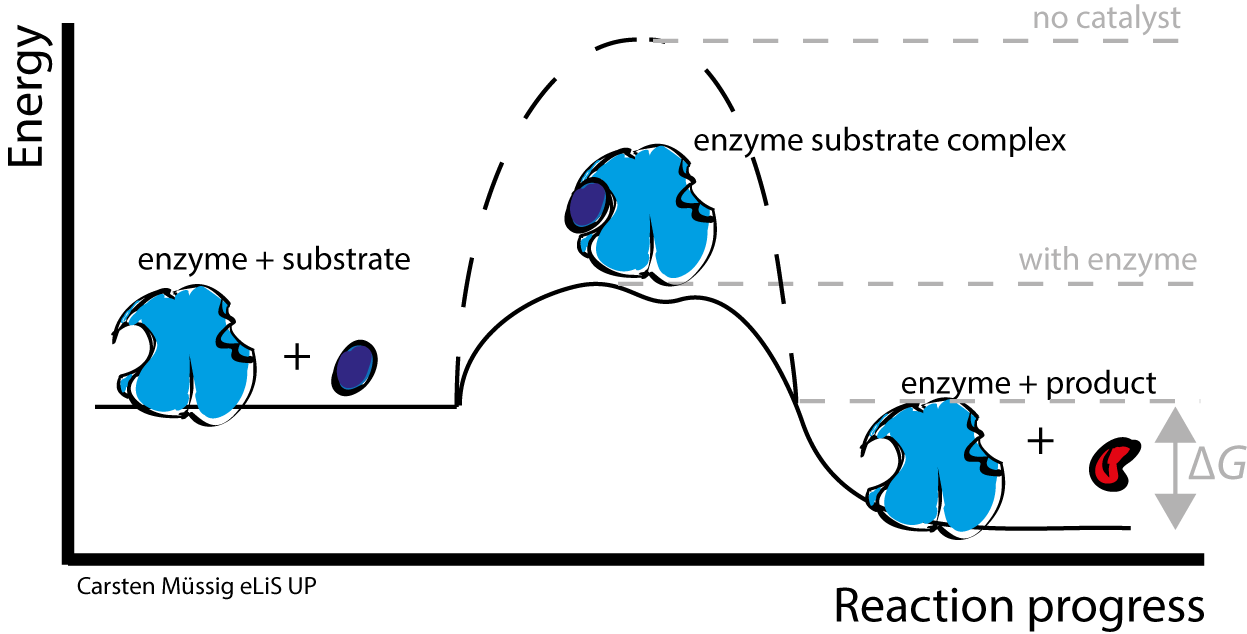
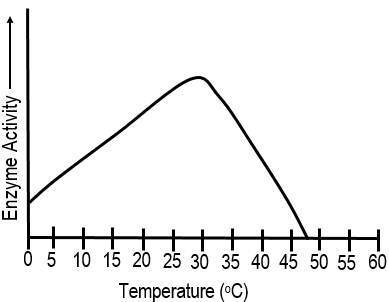
What happens when enzymes are heated to a high temperature?
The enzymes die.
The shape of the enzyme are changed and it denatures
The enzymes' amino acid sequence changes.
The enzymes remain the same
Enzymes are an example of
Lipids
Carbohydrate
Protein
Nucleic Acid
True or False: If an enzyme denatures (changes its shape) then it cannot perform its function.
True
False
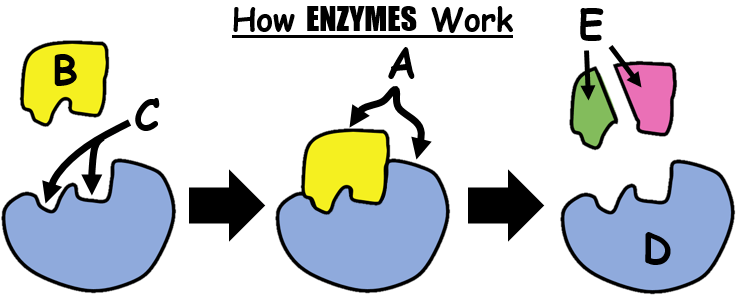
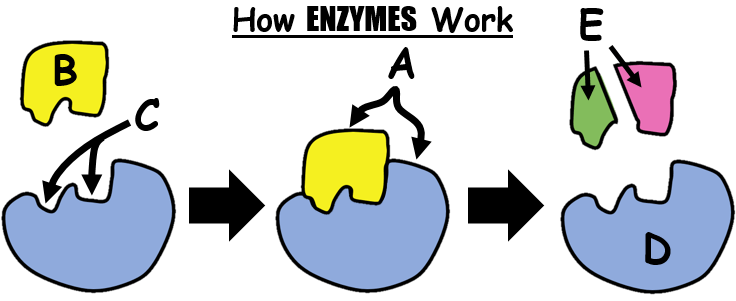
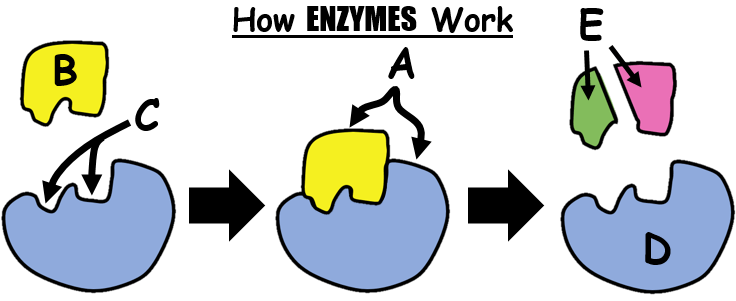
What does an enzyme need in order to work properly?
The right amount of oxygen & CO2
The right temperature & amount of water
The right temperature & pH
The right temperature & pressure
True or False: Lipids are hydrophobic which means it is nonpolar.
True
False

