
 Worksheets
1st Semester Biology
Total questions: 55
Worksheet time: 5hrs 35mins
Enzymes are
#biochemistry
nucleic acids
proteins
lipids
carbohydrates
Proteins are composed of what smaller building blocks?
#biochemistry
amino acids
nucleic acids
fatty acids
nucleotides
Glucose is a _____.
#biochemistry
carbohydrate
lipid
protein
nucleic acid
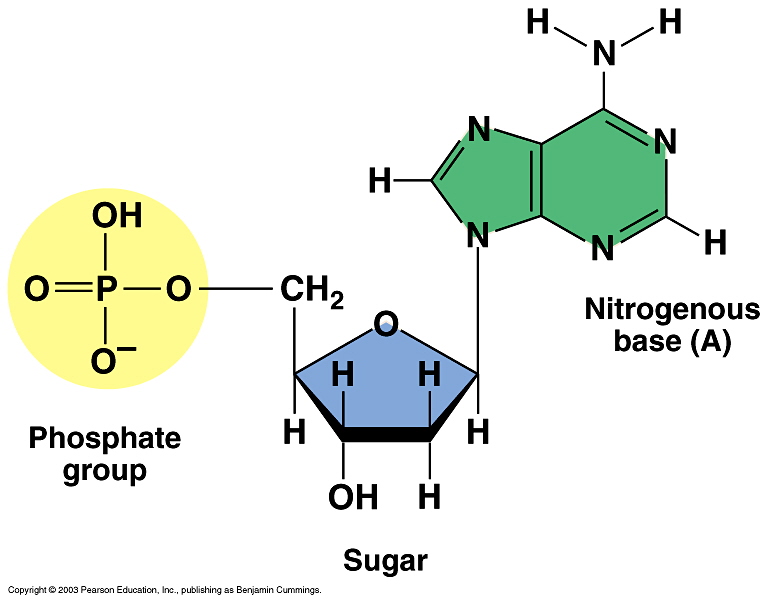
Identify the biomolecule
#biochemistry
Lipid
Protein
Carbohydrate
Nucleic Acid
What is the purpose of the nucleus?
#cells and viruses
It is the command center, contains DNA, and cell division
It protects the cell
It stores energy for the cell
It gets rid of waste in the cell
What are the "protein-makers" of a cell?
#cells and viruses
Ribosomes
Mitochondria
ER
Golgi Body
"Post office" of the cell that packages proteins and fats:
#cells and viruses
ER
Golgi Body
Nucleus
Cytoplasm
Moving from areas of LOW concentration to areas of HIGH concentration is called?
#Homeostasis and Cell Transport
Passive Transport
Active Transport
Diffusion
Osmosis
My cells are in an Isotonic solution, and are in a constant internal environment. What is this called?
#Homeostasis and Cell Transport
Homeostasis
Respiration
Evolution
Diffusion
What is it called when a cell is placed in a solution that has a greater concentration on the outside of the cell than inside?
#Homeostasis and Cell Transport
Hypotonic
Hypertonic
Isotonic
Osmosis
During _________________, carrier proteins grab glucose molecules, change shape, and flip to the other side of the membrane, like a revolving door.
#Homeostasis and Cell Transport
Osmosis
diffusion
facilitated diffusion
pump
Cells of organisms must replicate for what purposes?
#dna and the cell cycle
growth
repair of damaged cells
reproduction
All of the above
During what phase of the cell cycle is DNA replicated?
#dna and the cell cycle
G1 phase
S phase
G2 phase
M phase

Which of the following best describes the diagram?
#Energy in Cells
Photosynthesis occurs in the mitochondria and cellular respiration in the ribosome.
Photosynthesis occurs in the chloroplasts and cellular respiration in the nucleus.
Photosynthesis occurs in the nucleus and cellular respiration in the cytoplasm.
Photosynthesis occurs in the chloroplasts and cellular respiration in the mitochondria.
The main source of energy for all life comes from ____.
#Energy in Cells
the Earth
the moon
the sun
the food we eat/make
What is the correct equation for cellular respiration?
#Energy in Cells
6O2 + C6H12O6 -> 6CO2 + 6H2O + Energy
6O2 + C6H12O6 + Energy -> 6CO2 + 6H2O
6CO2 + 6H2O -> 6O2 + C6H12O6 + Energy
6CO2 + 6H2O + Energy -> 6O2 + C6H12O6
Base your answer to this question on the information below and on your knowledge of biology.
Organisms living in a bog environment must be able to tolerate nitrogen-poor, acidic conditions. Bog plants such as the Venus flytrap and sundew are able to obtain their nitrogen by attracting and consuming insects. These plants produce chemicals that break down the insects into usable compounds.
Which compounds present in insects are composed of the amino acids that provide the Venus flytrap and sundew with much of their nitrogen?
proteins
sugars
carbohydrates
fats

Identify the type of macromolecule this is
Lipid
Carbohydrate
Amino Acid

Identify the type of macromolecule this is
Lipid
Carbohydrate
Amino Acid
Athletes are often concerned with the question of how much protein they need in their diets because of the requirement of growing muscles for protein. Just as muscles need the basic building block of protein, protein itself has basic building blocks also. Which of the following are the basic building blocks of protein? (D.O.K. 2)
nucleic acids
amino acids
glycerol and 3 fatty acids
glucose molecules

The diagram shows how an enzyme (black) binds to a substrate (white) during a chemical reaction. When this reaction is complete, which of the following will be true? (D.O.K. 2)
The enzyme’s shape will be different.
The surrounding temperature will have increased.
The enzyme will be used up and no longer functional.
The substrate will be a different molecule.
Cells tend to be small, with sizes ranging between 1 and 100 mm. These small sizes help to ensure that cells have a favorable surface-area-to-volume ratio. Choose the statement that explains why a favorable surface-area-to-volume ratio is advantageous.
Higher surface-area-to-volume ratios improve the efficiency of transporting materials in and out of cells.
Lower surface-area-to-volume ratios improve the efficiency of transporting materials in and our of cells.
Higher surface-area-to-volume ratios speed up the flow of cytoplasm within cells.
Higher surface-area-to-volume ratios slow down the flow of cytoplasm within cells.
Plant and Animal cells share the following cell parts.
Chloroplast
Mitochondria
Cell/Plasma Membrane
Golgi Apparatus
Mitochondria that are not working can cause a number of disorders that affect homeostasis. Which statement best explains how mitochondrial problems can affect an organism?
Cells die when mitochondria are damaged because the cells have a problem transforming oxygen and nutrients into ATP.
Cells grow in an unregulated way when mitochondria are damaged because the usual checks on the cell cycle are absent.
Cells grow in an unregulated way when mitochondria are damaged because the process of creating and packaging proteins for cell use speeds up.
Cells die when mitochondria are damaged because the cells lose their ability to prevent dangerous substances from crossing the cell membrane.
You want to see if plants grow taller when given water or orange juice. What is the independent variable?
The height of the plant
What you are watering the plant with (Water or orange juice)
You want to see if plants grow taller when given water or orange juice.
What is the dependent variable?
The height of the plants
What you water the plants with (Water or orange juice)

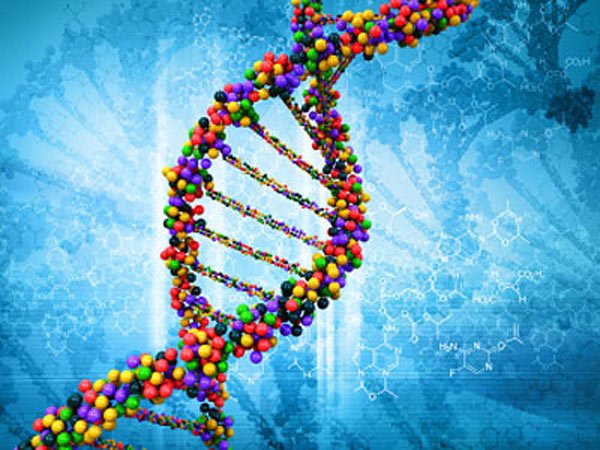
ATG TGA CAG



