
 Worksheets
Ecology Marathon
Total questions: 44
Worksheet time: 38mins
What is a relationship between two organisms
Symbiosis
Mutualism
Decomposers
Consumers
Johnathan collects bugs. Whether flying, crawling, or digging, he has a vast collection of organisms. When returning back from a family vacation, he finds half of his insects have died. What is an instant result from the death of his insects?
a reduction in biodiversity
increased CO2 emission
New insect species introduced
a decline the microorganisms in the insect ecosystem
It was discovered in recent times that a once thriving, ancient forest now has a low biodiversity and contains many species who's very existence is threatened. Which of these would cause the QUICKEST and most drastic decrease in biodiversity in this forest?
a virus that infects certain grass species
reduced daylight hours which reduce photosynthesis opportunities
deforestation
introduction of multiple predator species
Global warming is the buildup of excess carbon in the atmosphere. One of the main results of global warming is:
decrease in breathable oxygen with an increase in toxic oxygen
decreased Solar energy
warmer oceans leading to more hurricanes
decreased atmospheric temperature and weather changes

The removal of which organism would cause the least damage to the ecosystem's stability?
hawk
grass
rattlesnake
tarantula

Decomposers can be found where on the food chain?
1st level
2nd level
3rd level
Anywhere on the food chain.

The secondary consumer here is?
The snake
The Eagle
The mouse
The plant

What is an invasive species?
a species that is helpful to the environment
a species that has been introduced to an area and causes harm to the ecosystem
both a and b
neither a nor b
Both species benefit
symbiosis
parasitism
mutualism
commensalism
One species benefits, the other is unaffected
symbiosis
parasitism
mutualism
commensalism
One species benefits, the other species is harmed
symbiosis
parasitism
mutualism
commensalism
Barnacles create home sites by attaching themselves to whales. As the barnacle is a filter feeder, it also gets access to more water (and more food) due to the relationship. Whale is unaffected.
symbiosis
parasitism
mutualism
commensalism
Ostriches and gazelles feed next to each other. They both watch for predators. Because the visual abilities of the two species are different, they can each identify threats that the other animal may not see as readily.
symbiosis
parasitism
mutualism
commensalism
Mistletoe extracts water and nutrients from the spruce tree to the detriment (ill effect) to the spruce
symbiosis
parasitism
mutualism
commensalism
Honey guide birds alert and direct badgers to bee hives. The badgers then expose the hives and feed on the honey first. Next the honey guide birds eat.
symbiosis
parasitism
mutualism
commensalism
Tapeworms reside in human intestine and take nutrients from the human
symbiosis
parasitism
mutualism
commensalism
Epiphytes are a class of plants that grow in the crooks of tree branches. They simply use the tree branches as a way to be higher—closer to the sunlight needed for photosynthesis. The trees aren’t affected by this relationship.
symbiosis
parasitism
mutualism
commensalism
E. Coli is a bacteria that lives in the gut of humans. The human provides the ideal habitat for e coli reproduction and the e coli provides the extra vitamin K that we use.
symbiosis
parasitism
mutualism
commensalism
The tick feeds off the blood of the deer.
symbiosis
parasitism
mutualism
commensalism
Remoras attach themselves to a shark’s body. They travel with the shark and feed on the leftover food scraps after the shark has finished its meal, not taking any food from the shark or slowing it down when swimming.
symbiosis
parasitism
mutualism
commensalism
One organism hunts and eats another organism.
predation
mutualism
carnivore
parasitism
This occurs when niches overlap between species and they have to compete for resources.
competition
interspecific
parasite
intraspecies

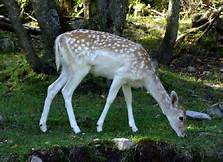


Which process removes carbon dioxide from the atmosphere?
deforestation
tree farms
burning fossil fuels
cellular respiration
Which of the following is correct?
There is as much carbon on earth as when it was formed
Carbon is being created whenever it is recycled
Carbon is lost every time it is recycled
Carbon changes to different forms and is never recovered

What organisms form fossils?
animals
plants and animals
CaCO2
sedimentary rocks
PREDATION is a form of interaction where......
the organism that benefits is the predator
the organism that benefits is the prey
both organisms benefit
neither organism benefits

