
 Worksheets
Atoms & Bonding
Total questions: 25
Worksheet time: 20mins
A substance in a solution that dissolves the other substance and is present in the greater amount is called the
solute.
acid.
solution.
solvent.
Water is polar because
the molecule has two poles, at which it is colder than the other regions of the molecule.
the water molecule is neutral.
the unequal sharing of electrons gives the water molecule a slight negative charge near its oxygen atom and a slight positive charge near its hydrogen atoms.
the unequal sharing of electrons gives the water molecule a slight negative charge near its hydrogen atoms and a slight positive charge near its oxygen atom.
The bonds found within a water molecule are
covalent.
hydrogen.
ionic.
van der Waal forces.
Which particle is found in the nucleus and has no charge?
Which negatively charged particle moves around the nucleus of an atom?
The number of protons that an atom has is the
atomic symbol.
atomic number.
atomic mass.
mass number.
What are the smallest basic units of matter?
molecules
atoms
elements
ions
A substance formed by two or more different elements defines a/an
Isotope
Ion
Compound
Elements
What type of bond is formed between atoms of different charges? (gain or lose electrons)
Covalent
Compound
Ionic
Hydrogen
What subatomic particles are found in the nucleus and have a positive charge?
Protons
Elements
Neutrons
Electrons
Atoms share pairs of Electrons in what kind of bond
Covalent
Ionic
Electrical
Cohesive
In an Ionic bond, if an atom loses an electron, it becomes a
cation.
anion.
_____________ is an atom that has gained one or more electron.
An anion
A cation
An atom has an atomic number of 15 and a mass number of 31. How many protons are there in the atom?
15
31
16
47
The number of protons in an atom is equal to the number of _ .
neutrons
electrons
ions
atomic mass
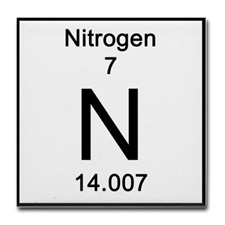

What is the mass number of "F"?


Which number here is the atomic number?
5
10.811
Unknown
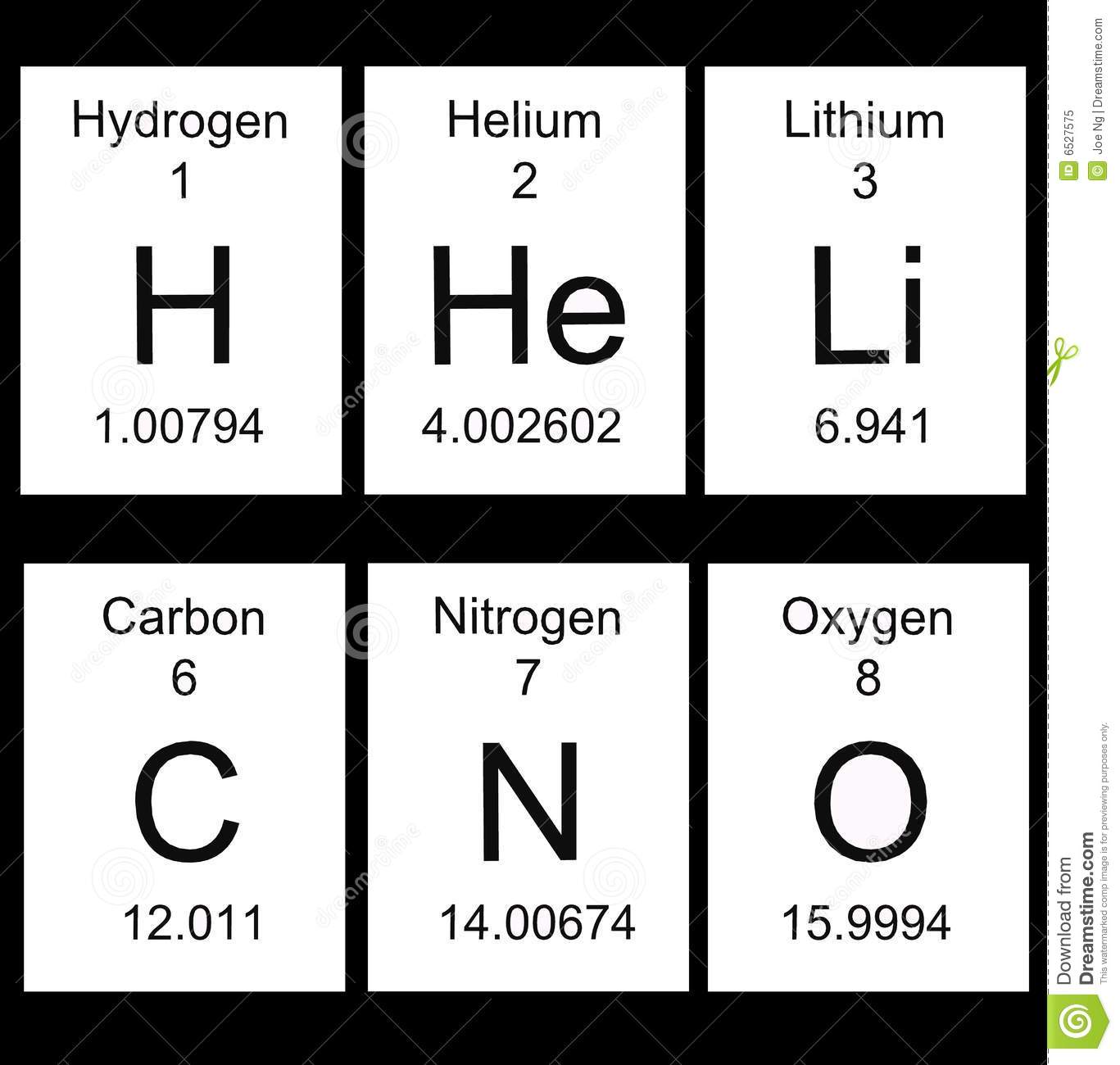
An isotope has
the same number of protons but different number of neutrons.
the same number of protons and neutrons.
the same number of neutrons but different number of protons.
a different number of protons and neutrons.
An example of a van der Waals force is a(n)
covalent bond.
ionic bond.
hydrogen bond.
oxygen bond.
Van der Waals forces occur between
atoms.
molecules.
ions.
atoms and molecules.

