
 Worksheets
Biomolecules
Total questions: 40
Worksheet time: 33mins
What is the function of lipids?
provides quick energy
stores energy
helps with growth and repair of tissues
stores genetic information
What is the function of nucleic acid?
provides quick energy
stores energy
helps with growth and repair of tissues
stores genetic information
What is the function of proteins?
provides quick energy
stores energy
helps with growth and repair of tissues
stores genetic information
What is the monomer for carbohydrates?
Monosaccarides
Fatty Acids
Amino Acids
Nucleotides
What is the monomer for Lipids?
Monosaccarides
Fatty Acids
Amino Acids
Nucleotides
What is the monomer for proteins?
Monosaccarides
Fatty Acids
Amino Acids
Nucleotides
What is the monomer for nucleic acid?
Monosaccarides
Fatty Acids
Amino Acids
Nucleotides
Which are examples of a carbohydrate?
glucose, pasta, bread
fats, oils, waxes
meats, enzyme, lactase, eggs
DNA, RNA
Which are examples of lipids?
glucose, pasta, bread
fats, oils, waxes
meats, enzyme, lactase, eggs
DNA, RNA
Which are examples of proteins?
glucose, pasta, bread
fats, oils, waxes
meats, enzyme, lactase, eggs
DNA, RNA
Which are examples of Nucleic Acids?
glucose, pasta, bread
fats, oils, waxes
meats, enzyme, lactase, eggs
DNA, RNA

What type of biomolecule contains carbon, hydrogen, oxygen, and nitrogen?
carbohydrate
lipid
nucleic acid
protein

The following statements are TRUE regarding lipids, EXCEPT:
they store energy for later use
they are insoluble in water
they are composed of carbon, hydrogen, oxygen and phosphorus
they can be found in fats and oils
Enzyme is a/an...
carbohydrate
lipid
protein
nucleic acid
Cholesterol is a/an...
carbohydrate
lipid
protein
nucleic acid
Which of the following is a monosaccharide?
Chitin
Sucrose
Starch
Glucose
What biomolecule serves as structural materials in hair, nails and connective tissues?
protein
lipid
carbohydrate
nucleic acid
Which of the following elements is present in Nucleic acid but not in other biomolecules?
Carbon
Phosphorus
Nitrogen
Hydrogen
What is the smallest piece of matter that still has properties of that matter?
element
atom
proton

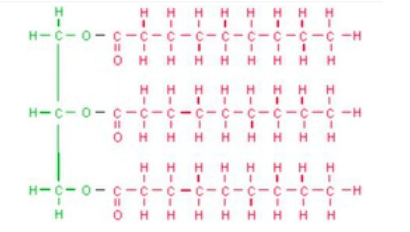



What is the name of this monomer?
Nucleotide
DNA
Amino Acid
Estrogen

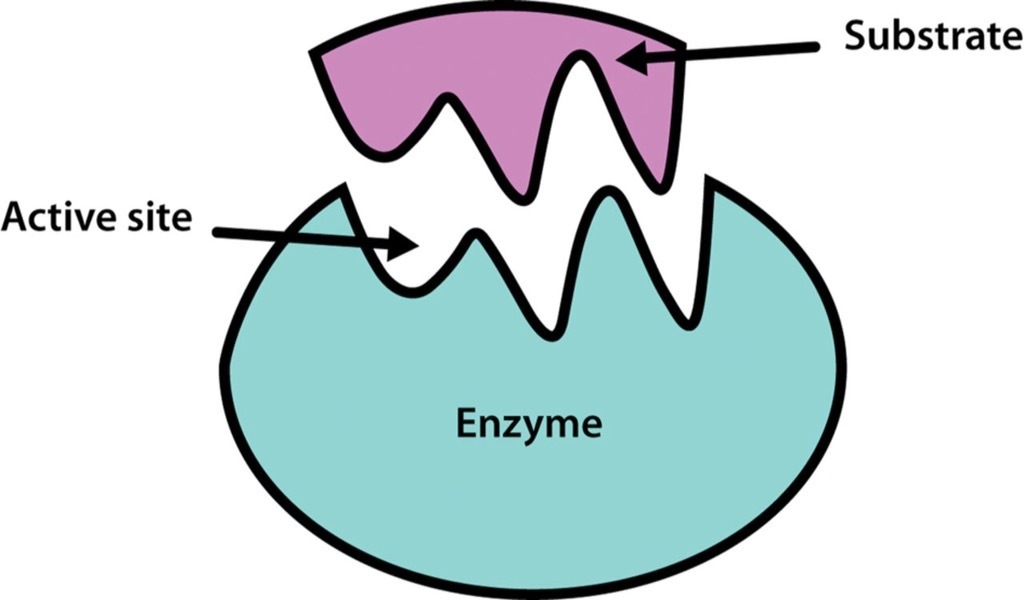

This is what part of the nucleotide?
phosphate group
nitrogen base
sugar
fatty acid

This is what part of the nucleotide?
phosphate group
nitrogen base
sugar
fatty acid

This is what part of the nucleotide?
phosphate group
nitrogen base
sugar
fatty acid
This is what part of the nucleotide?
phosphate group
nitrogen base
sugar
fatty acid


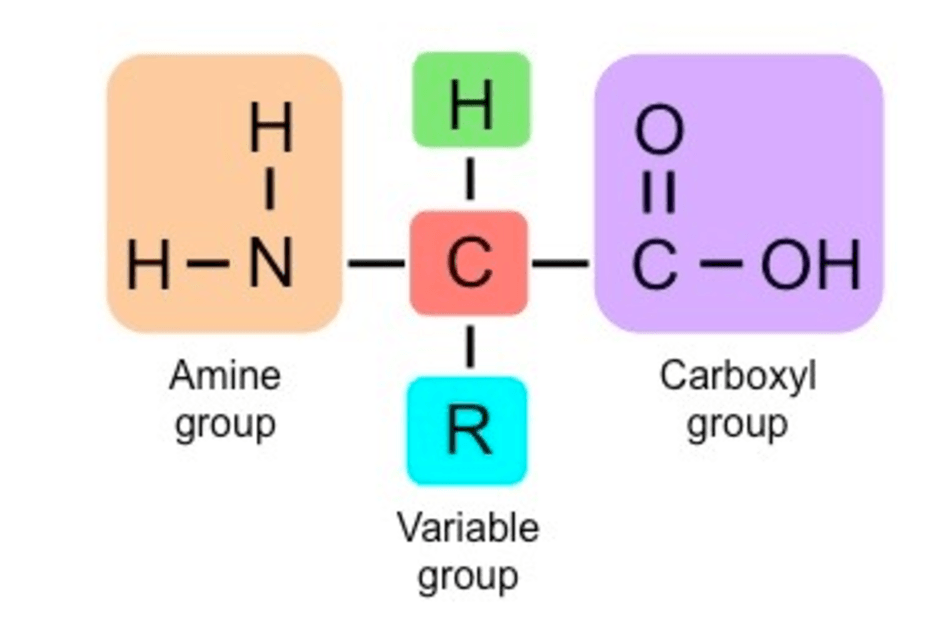
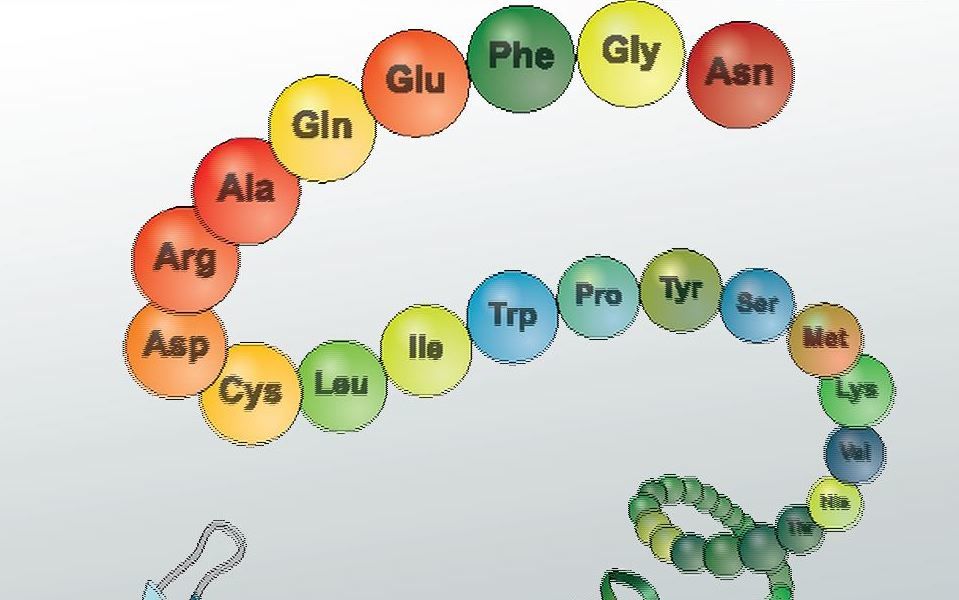
What is the function of carbohydrates?
provides quick energy
stores energy
helps with growth and repair of tissues
stores genetic information

