
 Worksheets
Meiosis vs mitosis and viruses review
Total questions: 35
Worksheet time: 1hrs 10mins
Ends with diploid number of chromosomes
Mitosis
Meiosis
Both
Involves crossing over
Mitosis
Meiosis
Both
Chromosomes condense
Mitosis
Meiosis
Both

Name this phase of Meiosis:
Telophase I
Prophase II
Telophase II
Anaphase II

Which phase is shown here?
metaphase
prophase
anaphase
telophase
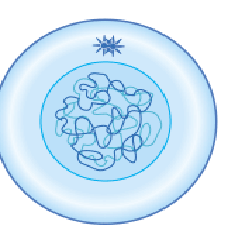
What stage am I?
Interphase
Prophase
Metaphase
Anaphase
Telophase
could produce an egg cell
mitosis
meiosis
both
Has one cell division
Mitosis
Meiosis
Both
Forms body cells
Mitosis
Meiosis
begins with diploid parent cell
Mitosis
Meiosis
Both
involves two divisions of the nucleus
Mitosis
Meiosis
Both
forms gametes
Mitosis
Meiosis
Both
Cells undergo a round of DNA replication, forming duplicate chromosomes
Interphase
Prophase II
Anaphase II
Prophase I
Each chromosomes pairs with its corresponding homologus chromosome to form a tetrad
Metaphase I
Telophase I & Cytokinesis
Prophase I
Anaphase II
Spindle fibers attach to the chromosomes that are arranged across the middle of the cell
Interphase
Anaphase II
Metaphase I
Telophase II & Cytokinesis
The fibers pull the homologous chromosomes toward opposite ends of the cell
Metaphase I
Prophase I
Anaphase I
Interphase
Nuclear membranes form; the cell separates into two cells
Interphase
Telophase I & Cytokinesis
Prophase II
Metaphase I
Meiosis I results in two haploid daughter cells; Meiosis II starts when the cells once again lose their nuclear membranes, chromosomes condense
Metaphase II
Prophase II
Anaphase II
Interphase
The chromosomes line up across the middle, in a similar way to the metaphase I
Metaphase II
Anaphase II
Prophase II
Telophase II & Cytokinesis
The sister chromatids separate and move toward opposite end of the cell
Metaphase I
Prophase II
Anaphase II
Prophase I
Meiosis II results in four haploid daughter cells
Prophase II
Anaphase II
Telophase II & Cytokinesis
Metaphase II

What phase is shown here? Hint: you are starting to see the nuclear membrane again!
Metaphase II
Telophase I
Telophase II
Metaphase I


Viruses are bacteria.
True
False

Which of the following pictures is NOT a example of a virus?
a
b
c
d
All viruses are different, but what are two parts that a virus must have?
Genetic Information (DNA or RNA)
a lipid membrane
a nucleus
a capsid
A viruses are considered
Living
Non-living
When a virus attaches to a host, what does it inject into the host
protein coat
Capsid
DNA/ RNA
Envelope
Which processes allows for the viruses DNA to lay "dormant" or hide in the host DNA while the cell reproduces?
Lytic
Lysogenic
Enveloped
Capsid
What is a host?
An organism that eats another organism
An organism or a cell that the virus needs to reproduce in
Something that causes harm to the cell
The person that greats you at a resturant

