
Font size
 Worksheets
Chemistry Ch. 1 Quiz
Total questions: 77
Worksheet time: 40mins

TRUE or FALSE: In order to change the state of matter, you need increase or decrease the energy (heat).
TRUE
FALSE

TRUE or FALSE: The particles in solids move around a lot and spread out.
TRUE
FALSE

TRUE or FALSE: Liquids have a fixed volume but not a fixed shape.
TRUE
FALSE

TRUE or FALSE: Gases have the least kinetic energy out all 3 states of matter.
TRUE
FALSE

Phase change from liquid to gas is called:
Freezing
Condensation
Vaporization
Sublimation
Phase change from solid to gas is called:
Freezing
Condensation
Vaporization
Sublimation
Phase change from liquid to solid is called:
Melting
Freezing
Deposition
Condensation
Phase change from gas to liquid is called:
Melting
Freezing
Deposition
Condensation
Phase change from gas to solid is called:
Sublimation
Freezing
Deposition
Vaporization

When changing a substance from liquid to solid, the energy has to...
INCREASE
DECREASE
When changing a substance from gas to liquid, the energy has to...
INCREASE
DECREASE
When changing a substance from liquid to gas, the energy has to...
INCREASE
DECREASE

Which of the following statements is true about liquids?
Particles do not move around much, but vibrate
Particles have a lot of free space and spread out
Liquids have fixed shape & volume
Particles are less closely packed than solids

Which of the following statements is true about phase changes?
Solid turning into liquid is called freezing
When ice melts, the kinetic energy is decreased
Liquid turning into gas is called condensing
When water boils, the kinetic energy is increased

Which of the following statements is true about solids?
Particles do not move around much, but vibrate
Particles have a lot of free space and spread out
Solids have fixed shape but not volume.
Particles are less closely packed than gas.

Look at the picture. Which state of matter is in beaker C?
Solid
Liquid
Gas
Blue thingys
Look at the picture. Which state of matter is in beaker A?
Solid
Liquid
Gas
Blue thingys

What is melting? (Definition)
When liquid turns in solid.
When solid turns into gas.
When gas turns into liquid.
When solid turns into liquid.

What is sublimation? (Definition)
When liquid turns in solid.
When solid turns into gas.
When gas turns into solid.
When solid turns into liquid.
Which of the following are examples of a Chemical Change?
Iron Rusting
Gas Burning
Breaking a glass
Boiling water
Burning Wood

A physical change _____________ the identity of the substance.
changes
maintains
A chemical change _____________ the identity of the substance.
changes
maintains
Color change like in a drop of food coloring in water, is a _________ change.
physical
chemical
Copper tarnishing is an example of a ___________ change.
physical
chemical

which of these example is a physical change?


Physical Change
Chemical Change
Which process is an example of a physical change?
Cutting Carrots into pieces and mixed in a salad
A peanut butter and jelly sandwich being digested
Sodium metal and water combining to form a compound and a gas
Sodium metal and chlorine gas combined to form table salt
Which process is a sign of a chemical change?
A rotting potato gives off a bad smell
A melting block of ice leaves a large puddle
A cloud quickly changes shape when blown by wind
A plaster statue breaks when it falls onto the floor
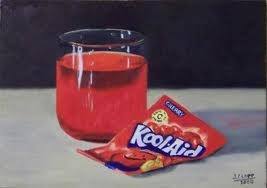
How would you classify this image?
homogeneous mixture
heterogeneous mixture
What is a type of mixture in which different parts can easily be seen (Ex. Vegetable soup)?
Heterogeneous mixture
Homogeneous mixture
Solution
Colloid

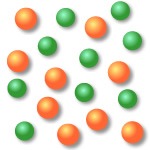
What is the smallest unit of matter?
A cell
An atom
A particle
A compound
Matter can be classified as either a __________ or a _____________.
Element or a Compound
Compound or a Solid
Pure Substance or a Mixture
Mixture or a Solid
Matter made up of one kind of atom is called a ___________.
Element
Mixture
Compound
Elements and Compounds are classified as _______.
Heterogeneous mixtures
Homogeneous mixtures
Pure substances
Unpure substances
__________ are when elements or compounds mix together in a substance but DO NOT chemically combine.
Pure Substances
Compounds
Mixtures
X is a substance made of only one type of atom. What type of matter is this?
homogeneous mixture
compound
element
heterogeneous mixture
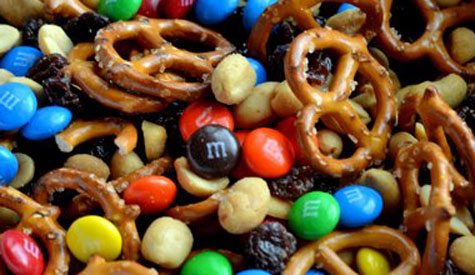
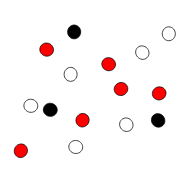
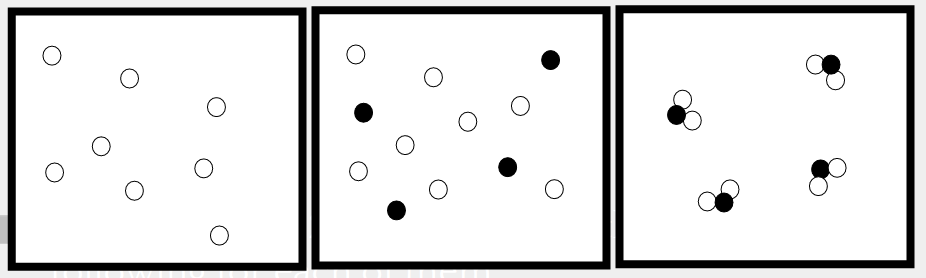
A pure substance containing two or more types of elements that are chemically combined is called?
Mixture
Element
Compound
Solution
A material made up of two more more substances that can be easily separated by physical means is called?
Mixture
Element
Compound
Pure Substance
A mixture that is not evenly blended is called?
Element
Compound
Homogenous
Heterogeneous
A mixture that is uniformly mixed is called?
Element
Compound
Homogeneous
Heterogenous
This is when heat is absorbed, it is an
Exothermic reaction
endothermic reaction
both
none
When heat is released it is an
exothermic reaction
endothermic reaction
both
none
The temperature increases outside of this reaction
exothermic
endothermic
both
none
The temperature decreases outside of this reaction
exothermic
endothermic
both
none

Evidence of a chemical reaction is when 2 substances react, they
stay the same
form a new substance
both
none

Fire is an example of
exothermic reaction
endothermic reaction
none
both

Fireworks are an example of
exothermic
endothermic
both
none

A melting ice cube is an example of
exothermic
endothermic
none
both

An ice pack in an example of
exothermic
endothermic
both
none

photosynthesis is an example of
Exothermic reaction
Endothermic reaction
both
none

Frying an egg is an example of
exothermic reaction
endothermic reaction
both
none
In an endothermic reaction, heat is ...
taken in
given out
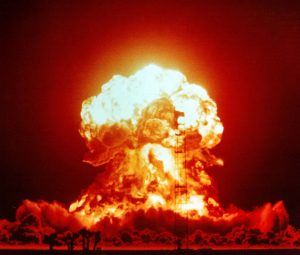
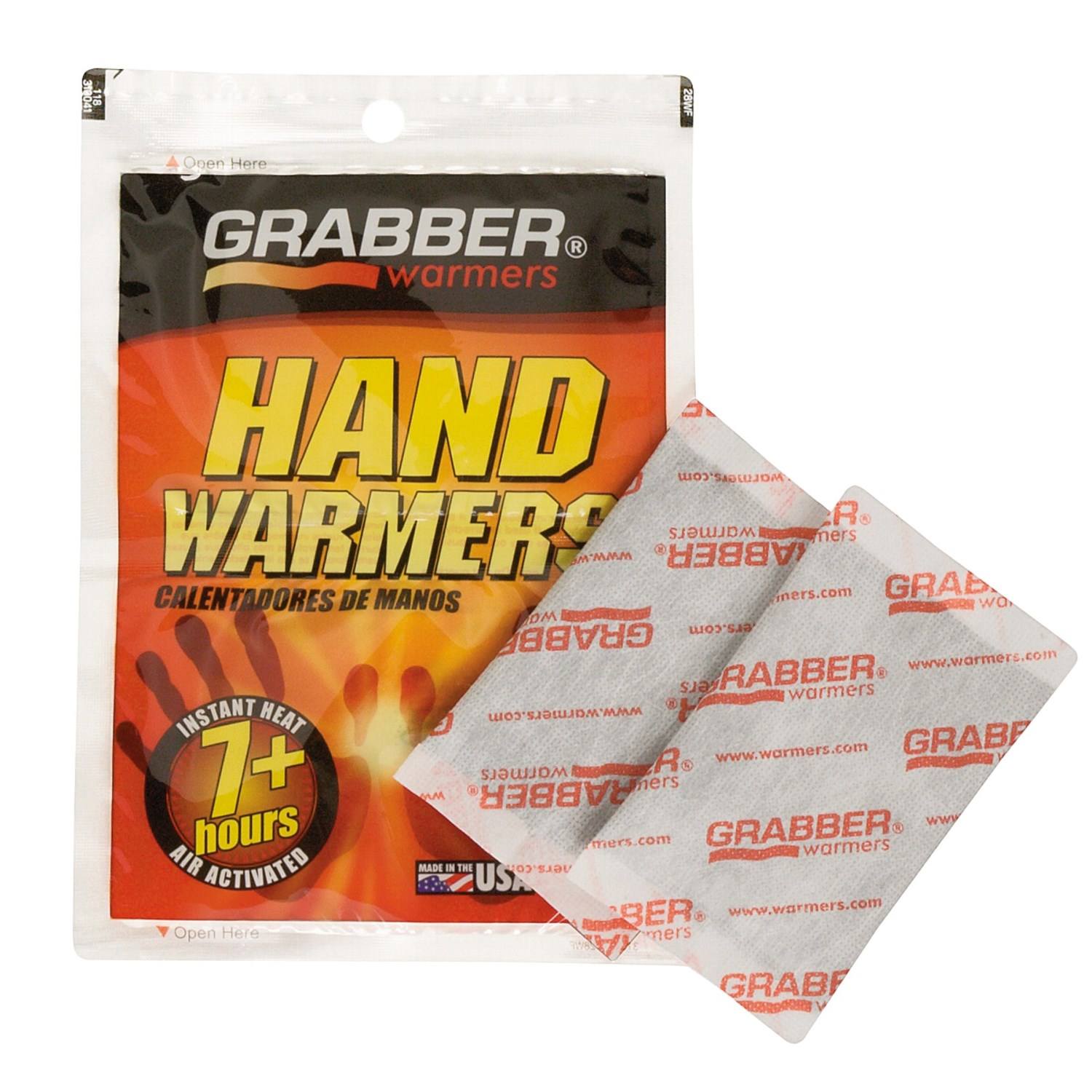
What type of reaction occurs in a hand warmer?
exothermic
endothermic

