
 Worksheets
Levels of organization/ Organ system/Homeostasis
Total questions: 61
Worksheet time: 2hrs 32mins
The ____ is the place where oxygen jumps into the bloodstream and where CO2 leaves the bloodstream and enters the Lungs
Respiratory
Alveoli
Raveoli
trachea
This organ is where nutrients are absorb into the bloodstream
Kidney
Liver
Large Intestine
Small Intestine
Babies are born with more bones than adults because some of their bones haven't _____________ yet
fused
calcified
ossified
developed

The 2 minerals stored in bones are
Vitamin D

What bone is highlighted?
Radius
Ulna
Humerus
Carpals


Which bones are highlighted?
Ribs
Phalanges
This attaches your muscle to bone
Tendons
Ligaments
Aponeurosis
A baby has ... bones.
200
206
270
more than 300
What is the function of red bone marrow?
Produces oxygen
“Makes blood cells.”
“Stores fat.”
“Supplies minerals.”
This system cleans the blood and gets rid of wastes from the body
Urinary
Which system brings in oxygen (O2) and takes out carbon dioxide (CO2) ?
digestive system
respiratory system
nervous system
immune system
Which system provides support for the body, protects vital organs like the brain and lungs, and is where new blood cells are made?
nervous system
respiratory system
circulatory system
skeletal system
Which system includes the kidneys which filter the blood of waste to make urine?
Urinary system
Reproductive system
Endocrine system
Circulatory system
Keeping the internal condition at equilibrium/balanced is called __________.
Homeostasis
Anatomy
Physiology
Metabolism
The organ that breaks food down chemically is _____
Homeostasis
Stomach
mouth
Small Intestine
Which organ produces bile and what does bile do?
Kidney; Urine
Liver;Breaks down fat
Liver;Makes waste
Kidney;Breaks down fat
Which gland releases adrenaline
Pineal Gland
Adrenal Gland
Testis
Ovary
What is the normal range of body temperature?
97.7-99.5
98.6
99.9-103
80-120

which organ will balance the glucose level in the blood by releasing hormones like insulin or glucagon?
Stomach
Small intensine
large intestine
Pancreas

Excess of glucose will be stored in the _______
insulin
Liver
glucagon
glucose

Which hormone is released when blood sugar gets too high?
glucose
glucagon
glycogen
insulin
diabetes is a disease that affects your body's ability to produce or use ___.
energy
insulin
glucose
negative feedback
Which list gives the correct order of food traveling
through the digestive system after it is swallowed?
stomach, esophagus, large intestine, small intestine
small intestine, large intestine, esophagus, stomach
esophagus, stomach, large intestine, small intestine
esophagus, stomach, small intestine, large intestine
Which three human-body systems coordinate the most to cause an arm to move?
nervous, muscular, skeletal
respiratory, muscular, digestive
skeletal, circulatory, immune
digestive, nervous, circulatory
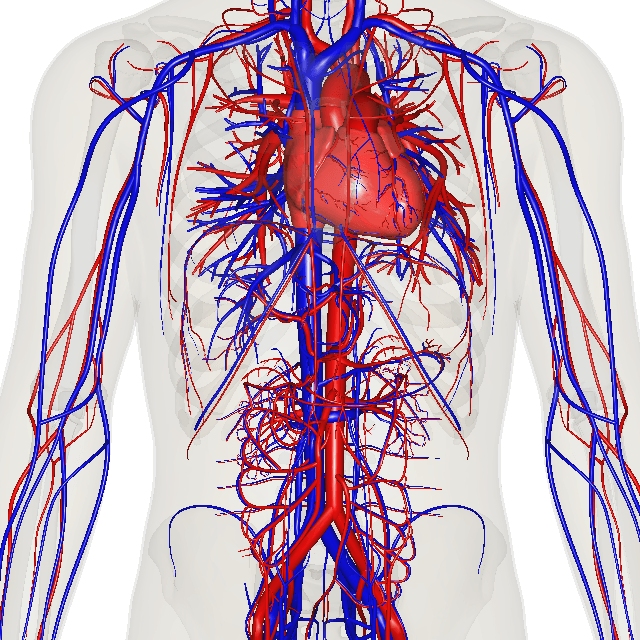
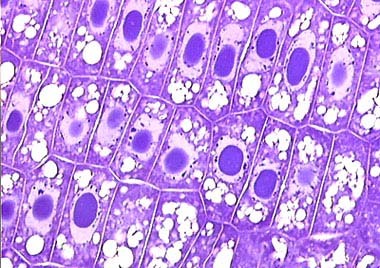
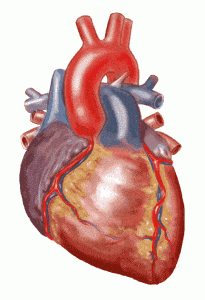


Where does digestion begin:
nose
mouth
esophagus
stomach
This is where digestion ends:
large intestine
rectum
anus
small intestine

The organ in orange represents the:
Breaking food down with the use of enzymes is known as:


Which of the following organs is not part of the digestive system?
gallbladder
pancreas
kidneys
rectum
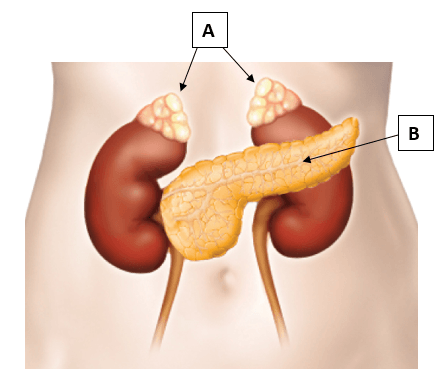
Name gland A
Pancreas
Adrenal glands
Renal calyx
Ovaries
Name gland B
Pancreas
Adrenal glands
Spleen
Thymus
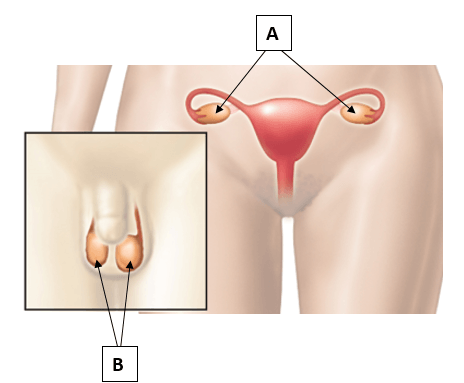
Name glands A
Uterus
Ovaries
Adrenal glands
Fallopian glands
which Hormone is produced in glands B.
Estrogen
Adrenal glands
Testosterone
Reproductive calyxes
multiple populations
of different species
living together
community
population
ecosystem
biodiversity
community PLUS all
of the abiotic factors
in the environment (climate/weather)
organism
population
community
ecosystem
the zone
of life on Earth,
encompassing all of
Earth’s ecosystems
biosphere
biome
ecosystem
community
How many different organ systems are in the human body
5
7
11
12
The smallest unit of matter that cannot be broken down
cell
atom
molecule
tissue

Which pelvis belongs to a female? how can you tell?
A; Arch is larger than 90*
B; Arch is larger than 90*
A; Arch is smaller than 90*
B; Arch is larger than 50*
Which Chemical is found in the stomach?
Hydrofluoric acid
Hydrochloric acid
Insulin

