wayground logo

Free Printable Worksheets

NEW

Font size

S
M
L
XL
Worksheets

ENERGY

Total questions: 60

Worksheet time: 34mins

Name
Class
Date
1.
The Theory of the Conservation of Energy states -
a)
Energy can be created, just not destroyed. It changes its form from one type to another.
b)
Energy can never be created nor destroyed. It can only change its form from one type to another.
c)
The total energy in our Universe changes, as different forms of energies can be transformed from each other under certain circumstances.
d)
Energy transformations do not passively occur in our lives, rather we actively make use of energies and transform energies.
2.
Which type of energy transformation occurs when a flashlight shines?
a)
chemical → thermal → electrical
b)
chemical → electrical → light
c)
thermal → chemical → light
d)
chemical → electrical → chemical
3.
A lamp that plugs into a wall socket draws energy which flows through a thin wire in the bulb causing it to glow. What energy transformations are taking place?
a)
chemical → light → electrical
b)
mechanical → sound → light
c)
thermal → solar → electrical
d)
electrical → thermal → light
4.
Which of the following best describes the energy transformations that occur when a flashlight that runs on batteries is turned on?
a)
chemical → light → electrical
b)
electrical → light → chemical
c)
light → electrical → chemical
d)
chemical → electrical → light
5.
Some students observing a classroom device being used, noticed the below energy transformations. 
Electrical → Mechanical → Sound
Which device were the students most likely observing?
a)
A triple beam balance measuring an object’s mass.
b)
A pencil sharpener plugged into a wall outlet.
c)
A projector displaying a diagram on the screen.
d)
A working flashlight used to light up a dark corner.
6.
Which of these is an example of light energy being transformed into chemical energy?
a)
A glow stick lights up when broken.
b)
Water heated by the sun evaporates.
c)
A plant makes sugar in the sunlight.
d)
A battery causes a buzzer to vibrate.
7.
Which kind of energy change occurs when a candle is burning?
a)
Chemical to light.
b)
Light to electrical.
c)
Solar to heat.
d)
Chemical to electrical.
8.
When water falls through a dam and turns a turbine connected to a generator, electricity is produced. This electricity is often used to light our homes and offices. Which of the following shows the energy transformations that occurs?
a)
electrical → light → mechanical
b)
chemical → mechanical → electrical
c)
mechanical → chemical → light
d)
mechanical → electrical → light
9.
Which of the following shows the correct order of the energy transformations that occur when green plants produce their food from the Sun’s energy?
a)
chemical → thermal
b)
light → chemical
c)
thermal → light
d)
chemical → electrical
10.
The picture shows a light bulb attached to a hand generator. What energy transformation occurs as the handle of the generator is turned?
a)
thermal → solar → light
b)
solar → light → electrical
c)
mechanical → electrical → light
d)
electrical → mechanical → light
11.
What is the energy transformation?
a)
Electrical to Electromagnetic
b)
Mechanical to Electrical
c)
Electrical to Thermal
d)
Kinetic to Sound
12.
What is the energy transformation?
a)
Electromagnetic to Electrical
b)
Mechanical to Electrical
c)
Electrical to Thermal
d)
Kinetic to Sound
13.

What is the energy transformation?

a)

Chemical to Electrical to Light

b)

Mechanical to Electrical to Light

c)

Electrical to Thermal to Mechanical

d)

Kinetic to Sound to Potential

14.
What is the energy transformation?
a)
Mechanical to Kinetic to Sound
b)
Mechanical to Electrical to Light
c)
Electrical to Thermal to Mechanical
d)
Kinetic to Sound to Potential
15.
Chemical Energy is transferred to _____ Energy.
a)
Thermal
b)
Solar
c)
Mechanical
d)
Chemical
16.
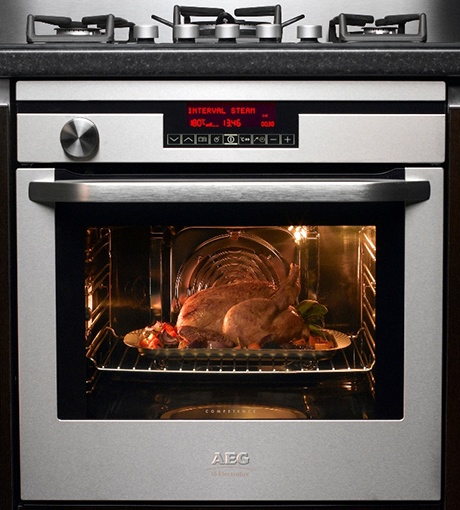
The Electrical Energy of the stove is transferred to _____ Energy.
a)
Solar
b)
Thermal
c)
Potential
d)
Electrical
17.
Energy transformations occur when...
a)
energy is created through conduction
b)
energy changes from one form to another
c)
two forces slide together that are touching
d)
a chemical reaction takes place
18.
Any form of energy can change into _____ other form of energy.
a)
any
b)
two
c)
one
d)
uno
19.
A television works by transforming electrical energy into what other kinds of energy?
a)
Light, thermal, and sound
b)
Thermal, chemical, and solar
c)
Sound, mechanical, and electrical
d)
Light, chemical, and mechanical
20.
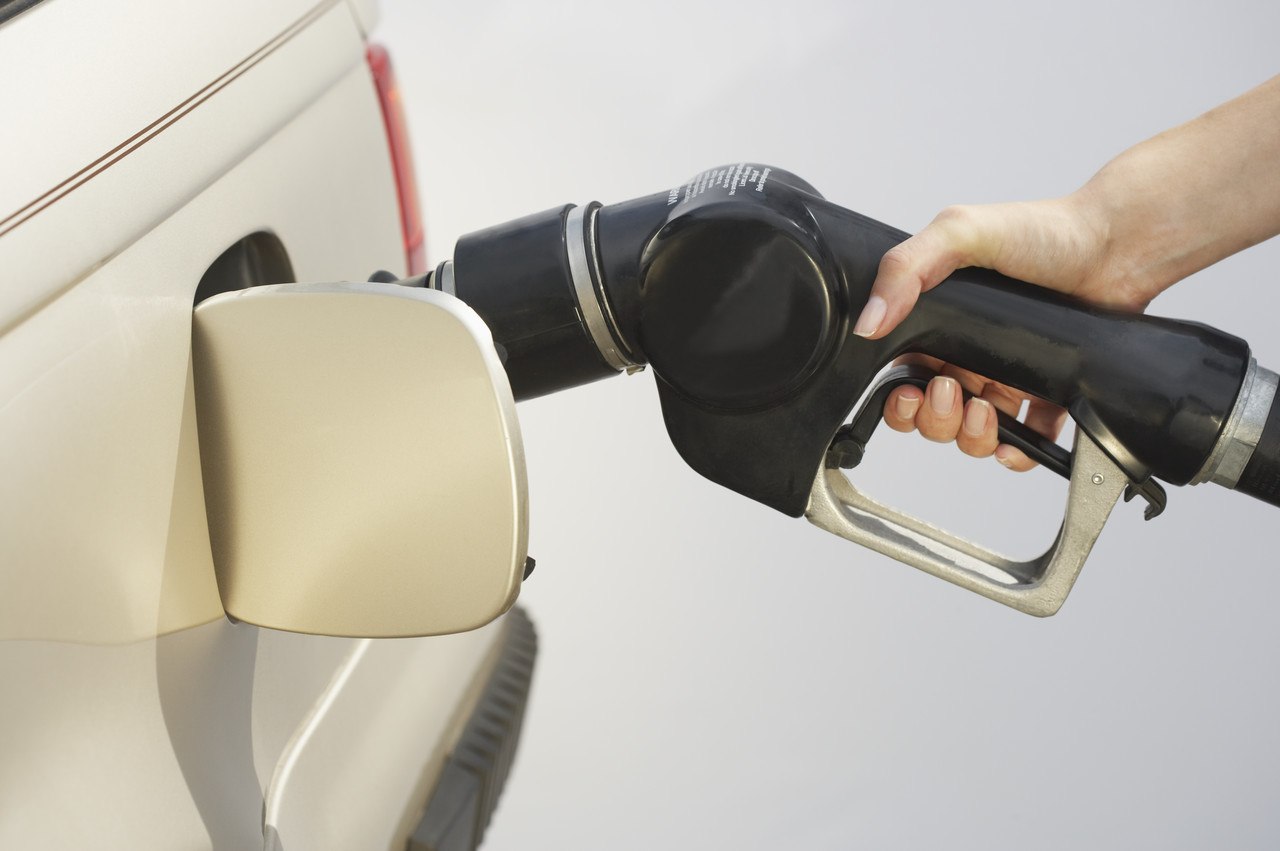
Which energy conversion is taking place when you put gasoline in a car?
a)
thermal -> electrical
b)
mechanical -> electrical
c)
chemical -> mechanical
d)
mechanical -> electromagnetic
21.

Which of the following is not a type of energy?

a)

Mechanical

b)

Gravitational

c)

Electrical

d)

A wave

22.

What are the two type of mechanical energy?

a)

Kinetic & Potential

b)

Potential & Thermal

c)

Kinetic & Electrical

d)

Electrical & Thermal

23.

Energy of an object due to its high position compared to a low one is called...

a)

Gravitational

b)

Potential

c)

Elastic

d)

Chemical

24.

Energy released when atoms split or join together is called

a)

Gravitational

b)

Nuclear

c)

Elastic

d)

Chemical

25.

Sound is a type of energy

a)

True

b)

False

26.

When atoms split it is called...

a)

Fission

b)

Fusion

27.

When atoms join together it is called...

a)

Fission

b)

Fusion

28.

Energy transferred through a medium by a longitudinal wave is called...

a)

Sound

b)

Elastic

c)

Radiant

d)

Electrical

29.

Energy carried by light and other types of electromagnetic radiation is called...

a)

Sound

b)

Elastic

c)

Radiant

d)

Electrical

30.

Energy made available through the flow of electric current is called...

a)

Sound

b)

Elastic

c)

Radiant

d)

Electrical

31.

Energy stored in the bonds of chemical compounds that is released during certain reactions is called...

a)

Sound

b)

Elastic

c)

Radiant

d)

Chemical

32.

Energy stored in an object when it is compressed or stretched like in a spring or rubber band is called...

a)

Sound

b)

Elastic

c)

Radiant

d)

Chemical

33.

Energy of an object due to the kinetic energy of its atoms is called...

a)

Thermal

b)

Elastic

c)

Radiant

d)

Chemical

34.

Energy of an object or a particle due to its motion is called...

a)

Kinetic

b)

Potential

c)

Elastic

d)

Electrical

35.

Energy of an object due to its position or stored energy is called...

a)

Kinetic

b)

Potential

c)

Elastic

d)

Electrical

36.

The sum of energy associated with motion and position of an object is called

a)

Kinetic

b)

Potential

c)

Mechanical

d)

Electrical

37.

Which object shows an energy transformation from electrical to mechanical?

a)
b)
c)
d)
38.

A solar power plant converts _____________ to ____________.

a)

Electrical energy to solar energy

b)

radiant energy to electrical energy

c)

chemical energy to electrical energy

d)

mechanical energy to thermal energy

39.
Electrical Energy is transferred to _____ Energy.
a)
Thermal
b)
Solar
c)
Electrical
d)
None
40.
What energy transformations take place when a battery-operated radio is in use?
a)
Electrical to chemical to light
b)
Sound to chemical to mechanical
c)
Chemical to electrical to sound
d)
Light to electrical to thermal
41.

The energy associated with motion is called

a)

kinetic energy

b)

potential energy

c)

sound energy

d)

nuclear energy

42.

Thermal Energy is

a)

the energy of motion

b)

energy of nuclear processes

c)

an indication of a physical change

d)

heat energy

43.

At higher temperature

a)

Particles in an object have less kinetic energy

b)

particles in an object move faster

c)

a gas contracts

d)

particles in an object move slower

44.

Hot objects begin to cool as

a)

cooler air is transferred to the hot object

b)

atoms in the object react with the oxygen in the air

c)

thermal energy in the object is transferred to the surrounding air

d)

thermal energy in the object cancels out the energy in the air

45.

Which of the following is TRUE when particles GAIN thermal energy?

a)

particles move more slowly

b)

particles stop moving

c)

particles move further apart

d)

particles move closer together

46.

What happens to particle movement/speed when energy is removed?

a)

particles slow down

b)

particles go faster

c)

particles don't move

d)

particles stay the same speed

47.

The temperature of a substance increases as

a)

the substance expands

b)

the substance's volume increases

c)

the substance's mass increases

d)

the average kinetic energy of its particles increaes

48.

Potential energy depends on the _______ and _________ of an object.

a)

Height and friction

b)

position and composition

c)

Height and mass

d)

Mass and friction

49.

Unlike Kinetic energy, Potential energy is __________.

a)

distributed

b)

stored

c)

destroyed

d)

created

50.

When you are stretching a rubber band, you are storing __________ energy.

a)

Kinetic

b)

Potential

c)

Gravitational

d)

Spring

51.

The Law of Conservation of Energy states that ...

a)

Energy can be created but not destroyed

b)

Energy cannot be created or destroyed but can be transferred or transformed.

c)

Energy cannot be created but can be destroyed.

52.

Energy and work are measured in _________.

a)

Newtons

b)

Joules

c)

m/s

d)

Meters

53.

What happens when a ball is dropped?

a)

PE decreases and KE decreases

b)

PE increases and KE decreases

c)

PE decreases and KE increases

d)

PE increases and KE increases

54.

Roller coasters slow down when going up because . . .

a)

Someone stops it

b)

Kinetic energy gets converted to Potential energy as you are gaining more height.

c)

Kinetic energy increases because more height at the top.

d)

Velocity is increasing thus roller coaster slows down

55.

What are the two type of mechanical energy?

a)

Kinetic & Potential

b)

Potential & Thermal

c)

Kinetic & Electrical

d)

Electrical & Thermal

56.

Energy released when atoms split or join together is called

a)

Gravitational

b)

Nuclear

c)

Elastic

d)

Chemical

57.

Energy stored in the bonds of chemical compounds that is released during certain reactions is called...

a)

Sound

b)

Elastic

c)

Radiant

d)

Chemical

58.

Energy stored in an object when it is compressed or stretched like in a spring or rubber band is called...

a)

Sound

b)

Elastic

c)

Radiant

d)

Chemical

59.
Gas molecules can easily be compressed  because ___________. 
a)
gas molecules are soft
b)
gas molecules are far apart
c)
gas molecules follow the shape of the container
60.
In which state of matter are the particles moving the least random
a)
Gas
b)
Liquid
c)
Solid
d)
Plasma