
Font size
 Worksheets
Earths spheres
Total questions: 34
Worksheet time: 26mins

What main sphere is this shown in this picture?
Hydrosphere
Atmosphere
Biosphere
Geosphere
Pick all examples down below that have to do with biosphere.
Ocean
Human
Sunflower
limestone
What does Hydro stand for?
Rock
Air
Water
Living things
What is an example of geosphere?
Creek
clouds
Human
Sand

What sphere is mainly represented in this picture?
Hydrosphere
Atmosphere
Biosphere
Geosphere

What is the main sphere represented in this picture?
Hydorsphere
Atmosphere
Geosphere
Biosphere
Select all that apply. What are examples of geosphere?
soil
Limestone
oceanfloor
flower
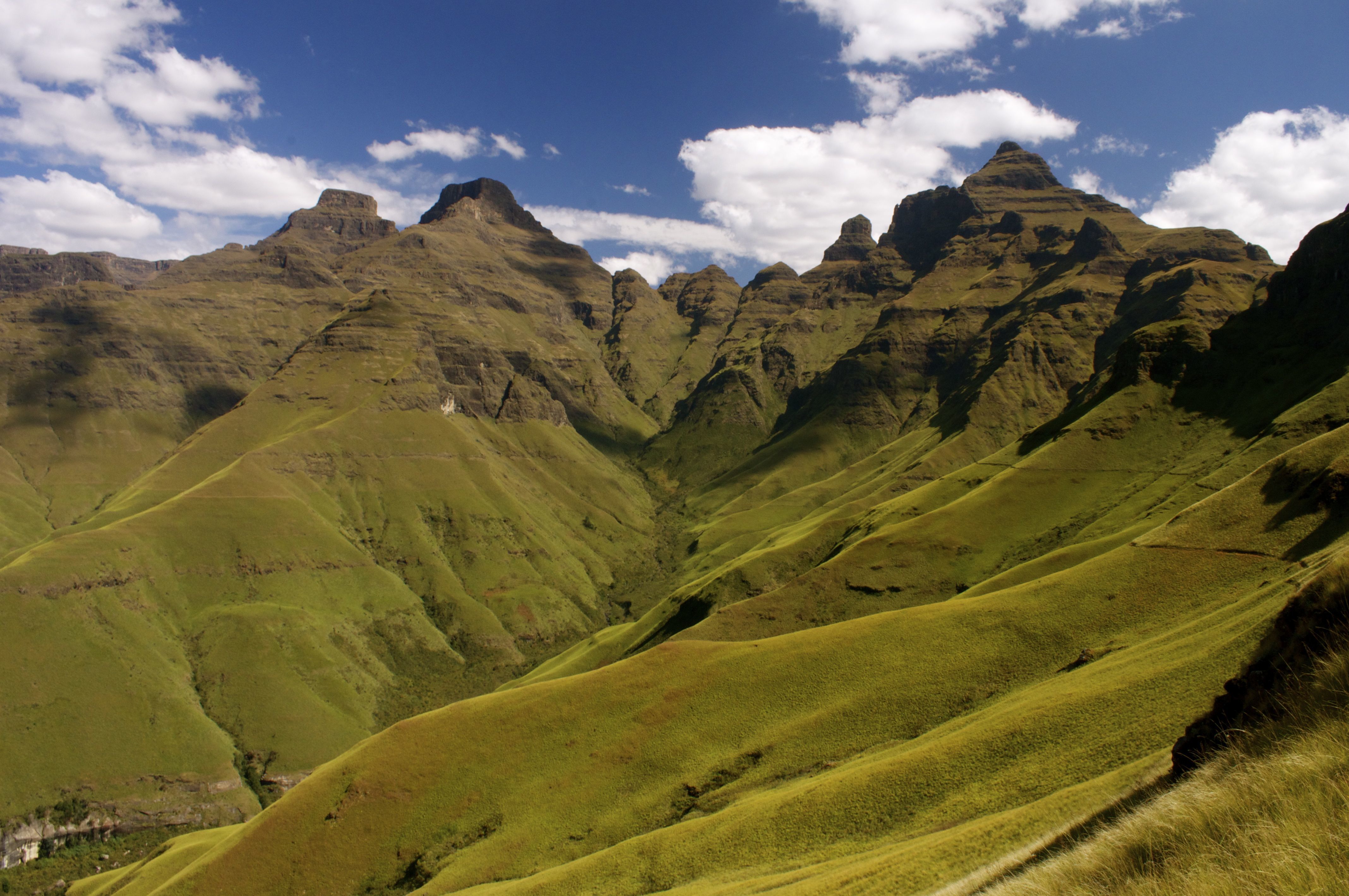

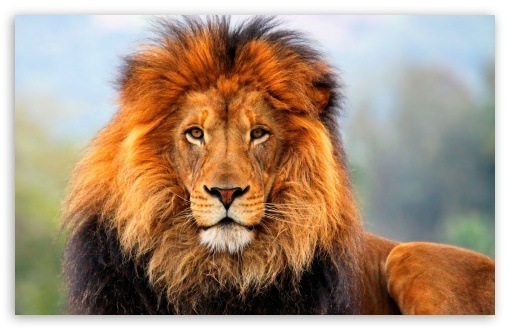


This is part of the....
Geosphere
Atmosphere
Hydrosphere
Biosphere

This is part of the....
Geosphere
Atmosphere
Biosphere
Hydrosphere

How much of the planet is covered by water?
20%
50%
70%
90%
What do we call scientists who study the EARTH?
Archaeologist
Geologist
Biologist
Astronomers
Which of the following is found in the earths Geosphere
Soil
Rocks
Minerals
All of the Above
What is the order of the Earth's interior layers starting from the Earth's surface?
Crust; mantle; inner core; outer core
mantle; crust; inner core; outer
crust; mantle; outer core; inner core
inner core; outer core; mantle; crust
Which crust is thicker, the continental crust (land we stand on) or the oceanic crust (land under the ocean)?
Continental crust
Oceanic crust
The mantle adds up to about ______ % of the Earth's total mass.
67
10
3
90
Which layer of the Earth's interior layers is the largest layer?
Crust
Mantle
Outer core
Inner core
Which layer is made up of super hot LIQUID molten metal?
Crust
Mantle
Outer core
Inner core
The inner core of the Earth is believed to be _____.
Solid
Liquid
Gas
How can geologists know what inside the Earth looks like? [Choose TWO]
Using super big X-ray!
Using seismic waves
Looking at rock samples
Using technology that allows us to go to the center of the Earth
Which seismic wave can travel through liquid?
P wave
S wave
The pressure _______ deeper in the Earth's interior.
Increases
Decreases
Stays the same
"Inorganic" means the things that are
alive and once alive
not alive
happy
sad
What does "crystallize" mean?
Rocks melting
Rocks forming
Rocks breaking
Rocks crying
Which is NOT how minerals can form?
From solutions crystallizing
From magma cooling
From rocks melting
From lava cooling

