wayground logo

Free Printable Worksheets

Font size

S
M
L
XL
Worksheets

WHI 4.5 Benchmark Review

Total questions: 50

Worksheet time: 35mins

Name
Class
Date
1.
In what part of the world do scientists believe Homo-sapiens first emerged?
a)
Africa
b)
Europe
c)
Asia
d)
America
2.
What is an artifact?
a)
Remains of a human
b)
Man-made object left behind
c)
Skeleton
d)
Dinosaur bones
3.
People who move from place to place in search of food is known as?
a)
Homo-sapien
b)
Artifact
c)
Nomad
d)
Clan
4.
What is the time period before history was recorded known as?
a)
Bronze Age
b)
Iron Age
c)
Renaissance
d)
Pre-history
5.
What rivers are located in the Fertile Crescent?
a)
Tigris & Euphrates
b)
Ganges & Indus
c)
Huang He & Yangtzee
d)
Nile & Liimpopo
6.
What monotheistic religion was practiced by the Hebrews?
a)
Christianity
b)
Judaism
c)
Islam
d)
Zoroastrianism
7.
What are the first two written law codes?
a)
The Ten Commandments & The Twelve Tables
b)
Hammurabi's Code & The Twelve Tables
c)
The Ten Commandments & Justinian's Code
d)
Hammurabi's Code & The Ten Commandments
8.
The Phoenicians created what ancient language?
a)
Hieroglyphics
b)
Cuneiform
c)
Alphabet
d)
Cyrillic Alphabet
9.
What language did the Sumerians create?
a)
Cuneiform
b)
Alphabet
c)
Heiroglyphics
d)
Cyrillic Alphabet
10.
What ancient civilization created the "Concept of 0"?
a)
Mauryans
b)
Guptas
c)
Aryans
d)
Egyptians
11.
What is NOT a basic belief of Hinduism?
a)
Vedas & Upanishads
b)
Monotheistic
c)
Karma
d)
Reincarnation
12.
Who is the founder of Buddhism?
a)
Muhammad
b)
Jesus
c)
Siddartha Gautama
d)
Aryans
13.
The Yin & Yang represent which two religions?
a)
Hinduism & Buddhism
b)
Confucianism & Taoism
c)
Christianity & Islam
d)
Zoroastrianism & Judaism
14.
Asoka was a King from which civilization?
a)
Gupta
b)
Mongol
c)
Roman
d)
Mauryan
15.
Harappa & Mohenjo Daro are located where?
a)
Indus River Valley
b)
Chinese Civilization
c)
Fertile Crescent
d)
The Nile River Valley
16.
If a person travels from place to place, without a permanent home, what are they?
a)
Domesticated
b)
Landform
c)
Archaeologist
d)
Nomad
17.
____________________ was how early people controlled the flow of water to be sure that the crops they planted had enough to grow until they were harvested.
a)
Climate
b)
Environment
c)
Irrigation
d)
Community
18.
What are the basic teachings of Buddhism called?
a)
Ten Commandments
b)
Shar'ia Law
c)
The Four Noble Truths
d)
The Five Noble Truths
19.

Paleolithic people got their food from:

a)

farming

b)

hunting and gathering

c)

Cavemart™

d)

Fishing onlly

20.

Neolithic people got their food from:

a)

farming

b)

hunting and gathering

c)

Cavemart™

d)

Fishing onlly

21.

Which of these is not part of the Fertile Crescent?

a)

Egypt

b)

Mesopotamia

c)

Nile, Euphrates, and Tigris Rivers

d)

Rome

e)

Sumeria

22.

Why was the Nile River was important to Egyptians?

a)

Yearly flooding made the land fertile

b)

It led directly to China

c)

They used it for sea battles against the Romans

d)

Too many Egyptians didn't care they were in denial

23.

Where did civilization start in India?

a)

Along the Heather River

b)

Along the Tuna Creek

c)

Along the Yellow River

d)

Along the Indus River

24.

The class system in India is called:

a)

System of a Down

b)

Caste system

c)

Crass system

d)

System of Indian Conditionaries

e)

Clase de la Sistemia

25.

What was the Silk Road?

a)

A trade route between Asia and North America

b)

A sea route between Hawaii and the Mainland

c)

A trade route between Asia and Europe

d)

A road made of silk that connected Tokyo and Hanoi City

26.

Which comes first on the historic timeline?

a)

BC/BCE

b)

AD/BCE

c)

AC/DC

d)

AC/BC

27.

Cuneiform was

a)

the first writing used by the Christians

b)

the first writing used by the Romans

c)

the first writing used by the Egyptians

d)

the first writing used by the Sumerians

28.

man-made objects left behind by people

a)

fossils

b)

artifacts

c)

paleontology

d)

shark teeth

29.

Early river valley civilizations practiced

a)

monotheism

b)

Buddhism

c)

polytheism

d)

Hinduism

30.

The Egyptians built _____ to protect their pharaoh’s body

a)

temples

b)

ziggurats

c)

pyramids

d)

churches

31.

The first legal code of laws written in Mesopotamia was the

a)

Code of Hammurabi

b)

Twelve Tables

c)

Legalism

d)

dynasty

32.

BC =

a)

before communism

b)

before Christ

c)

bad civilization

d)

best city

33.

AD

a)

after the birth of Christ

b)

after dynasties

c)

after death

d)

awesome defense

34.
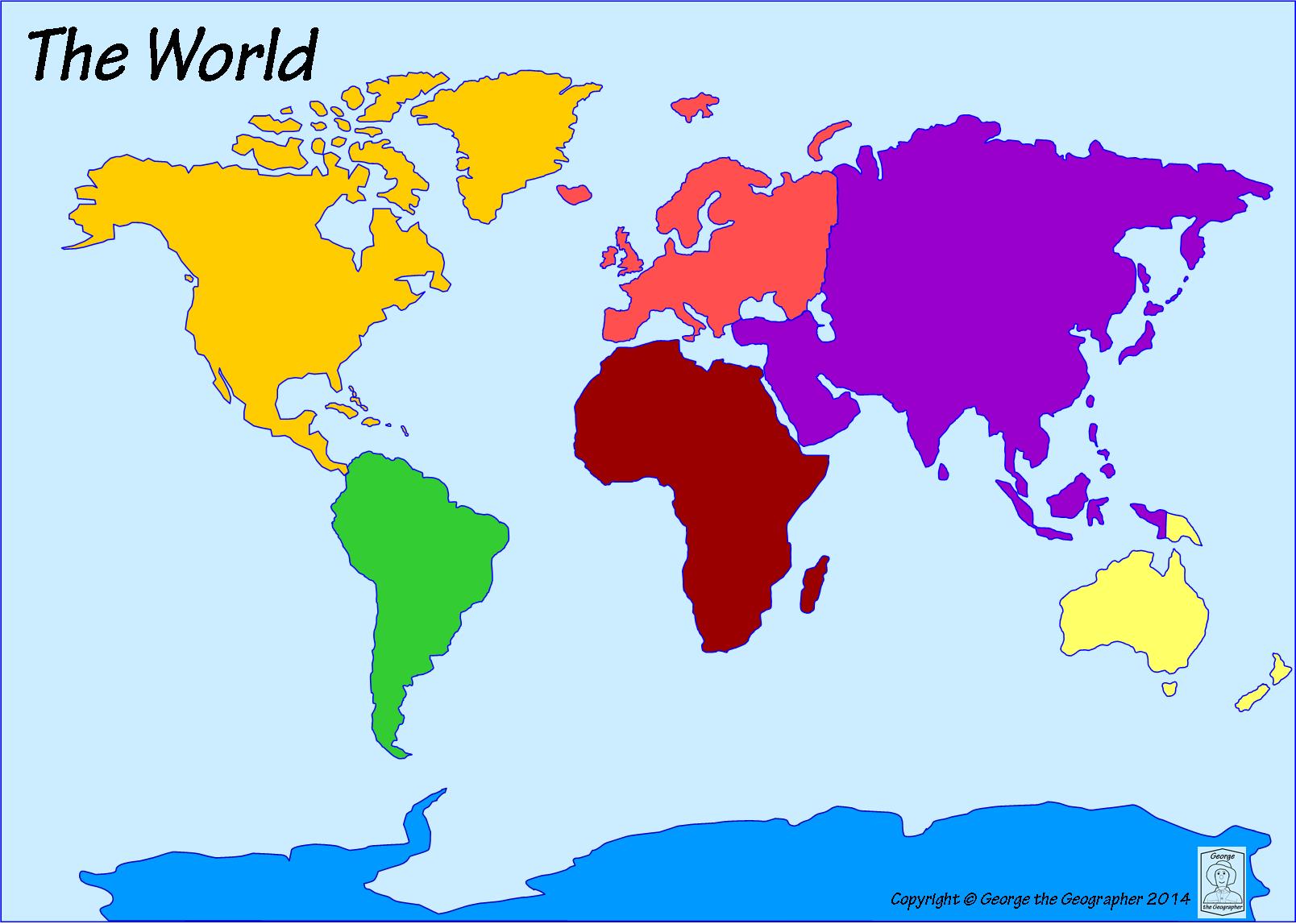
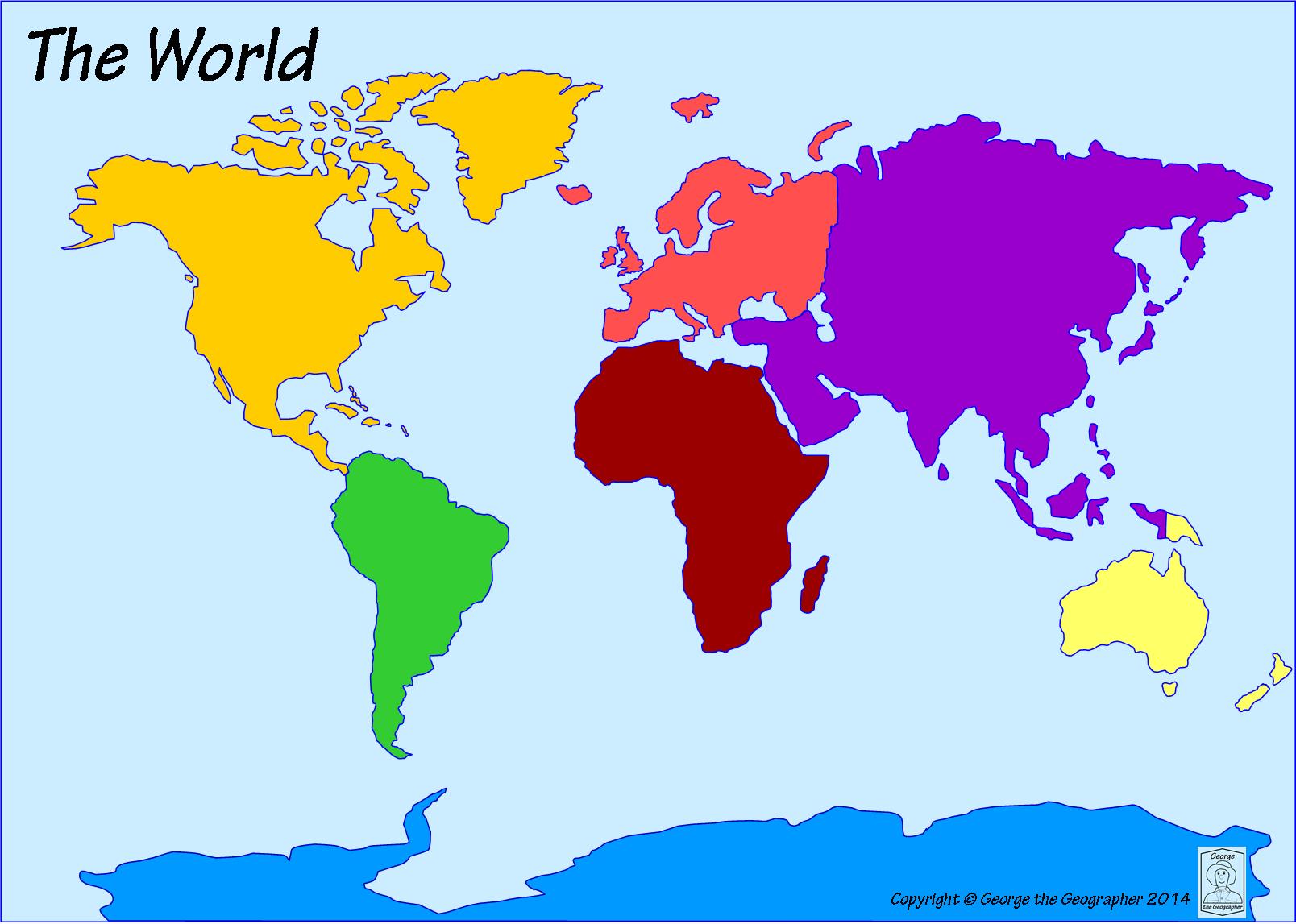
How many continents are on the Earth?
a)
7
b)
4
c)
5
d)
2
35.
How many oceans are on the Earth?
a)
7
b)
4
c)
5
d)
2
36.
What is the name of the object by number 1?
a)
North America
b)
South America
c)
United States
d)
Europe 
37.
What is the name of the object by number 2?
a)
North America
b)
South America
c)
United States
d)
Europe 
38.
What is the name of the object by number 3?
a)
North America
b)
Antarctica 
c)
South Pole 
d)
Europe 
39.
What is the name of the object by number 4?
a)
North America
b)
Europe
c)
South Pole 
d)
Africa
40.
What is the name of the object by number 5?
a)
Australia  
b)
Africa
c)
Asia
d)
Europe 
41.
What is the name of the object by number 6?
a)
Australia  
b)
Africa
c)
Asia
d)
Europe 
42.
What is the name of the object by number 7?
a)
Australia  
b)
Africa
c)
Asia
d)
Europe 
43.

Which ocean is located off the east coast of North America?

a)

Pacific Ocean

b)

Atlantic Ocean

c)

Indian Ocean

d)

Southern Ocean

44.

Which ocean is located to the east of Africa and to the west of Australia?

a)

Atlantic Ocean

b)

Indian Ocean

c)

Pacific Ocean

d)

Arctic Ocean

45.

Which number represents the region of South East Asia?

a)

5

b)

4

c)

3

d)

2

e)

1

46.

Which number represents the region of South Asia?

a)

5

b)

4

c)

3

d)

2

e)

1

47.

Historians can learn about ancient civilizations by studying items such as weapons, tools, and pottery, which are called

a)

fossils.

b)

species.

c)

artifacts.

d)

treasure.

48.

The first historical era, more than 5,500 years ago, is called ___ and refers to a time before people developed writing.

a)

prehistory

b)

fossils

c)

decade

d)

artifacts

49.

Paleolithic Era- Nomads, first tools, clans, discovered fire, oral languages.

a)

New Stone Age

b)

Old Stone Age

c)

Bronze Age

d)

Medieval Age

50.

Neolithic Era- Agriculture, domesticated animals, advanced tools, pottery, weaving.

a)

Old Stone Age

b)

Dark Ages

c)

New Stone Age

d)

Bronze Age