
 Worksheets
Science 9 Unit A Section 1 & 2 Review Quiz
Total questions: 75
Worksheet time: 50mins
The "sapiens" part of the Homo sapiens refers to the ________ of humans
Family
Class
Genus
Species

Why is biodiversity in an ecosystem so important?
Because it can help humans where to determine good places to develop farm land.
Because places that have a healthy biodiversity are unaffected by major disturbances.
Because having a high biodiversity allows ecosystems to withstand major changes.
Because having a high biodiversity allows for fewer opportunities of competition for similar resources.


Look at each picture carefully. Decide if the picture shows a population or a community.
The Emperor penguins in Antarctica.
Population
Community

Look at each picture carefully. Decide if the picture shows a population or a community.
All the animals in the grasslands.
Population
Community
Define ecosystem diversity
variety of environments and their organisms in a given area
variation of genes within a species or population in a given area
variety of life in Earth's land, freshwater, and marine ecosystems
changes to an ecosystem that affect how the parts of it interact
Define genetic diversity
variation of DNA within a species or population in a given area
variety of ecosystems in a given area
system made up of all the living and nonliving things in a given area
disturbance in the environment conditions that cause genetic changes to occur in organisms
Which statement best describes an example of low species diversity?
A population of frogs has a wide variety of skin colors
A marsh ecosystem is covered by a single species of cattail bulrushes
A state park includes multiple forest, wetland, and freshwater ecosystems
A group of organisms that are similar enough to be in the same category that can reproduce together to pass on their genes.
Organism
Species
Breed
Which region of the globe has the highest biodiversity?
equator
North Pole
South Pole
None, biodiversity is equally distributed
As you increase the latitude (get closer to the poles), what happens to the biodiversity?
increases
decreases
does not change

Levels get increasingly specific from?
kingdom to species
phylum to genus
mammalia to family
order to family


The ecological role an organism performs in their specific environment is considered the organism's...
Habitat
Population
Biome
Niche
A relationship in which two different organisms live in close association with each other
interspecific competition
Mutualism
Symbiosis
Commensalism
a relationship between two species in which both species compete for limited resources such that both species are negatively affected by the relationship
predator-prey
interspecific competition
mutualism
parsitism
the differentiation of niches that enables similar species to coexist in a community
character displacement
climax community
resource partitioning
pioneer species

Ostriches and gazelles feed next to each other and watch for predators, alerting each other to danger. Since the visual abilities of the two species are different, they each can identify threats the other animal would not as readily see. This is an example of -
Mutualism
Commensalism
Parasitism
Predation
Ticks live on dogs and feed off the dog’s blood. They may also infect the dog with a parasite that can cause the dog to become quite sick. Dogs also are sometimes found to be very tired because a large volume of their blood has been drained. This is an example of -
Mutualism
Commensalism
Parasitism
Predation
Cattle egrets eat the insects stirred up by cattle when they are grazing. The cattle are unaffected, while the birds gain food. This is an example of -
Mutualism
Commensalism
Parasitism
Predation
What type of species can withstand a wide variety of environmental conditions?
Generalist
Specialist
Fundamentalist
Realist
What type of species can withstand a narrow range of environmental conditions?
Generalist
Specialist
Fundamentalist
Realist

The trout is a source of food for the human and the eagle. When there are more than one organism vying for the same source we call this____?

The population of deer in a certain area is monitored over a period of six years. The data is represented in the graph provided.
(See Attached Diagram)
Which of the following is the most likely explanation for the change in population in 2009?
Wolves, which prey on deer, were being hunted more than usual.
Rainfall in the previous spring was higher than the yearly average.
Humans introduced grazing animals that feed on the same plants as the deer.
More insects that pollinate flowering plants move into the habitat.
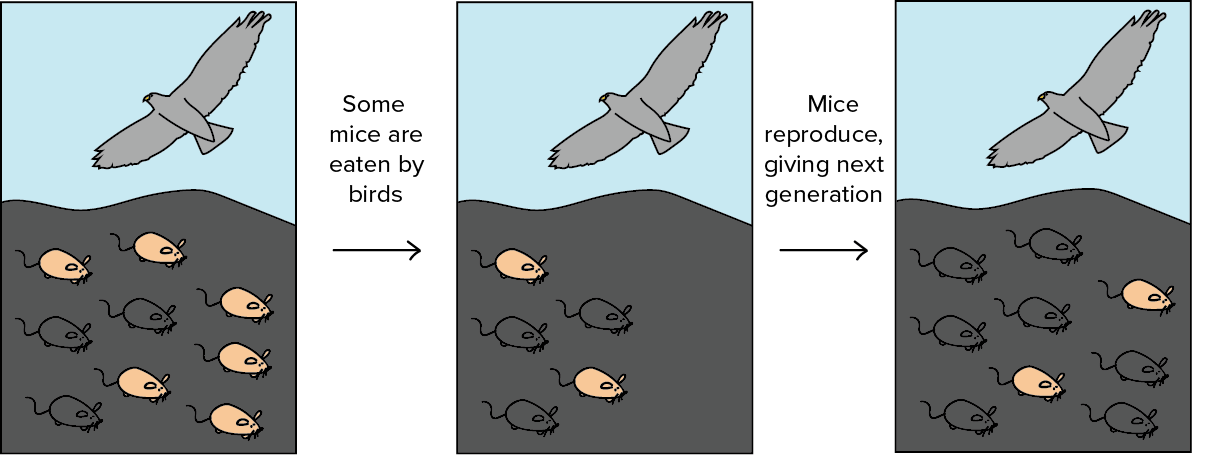
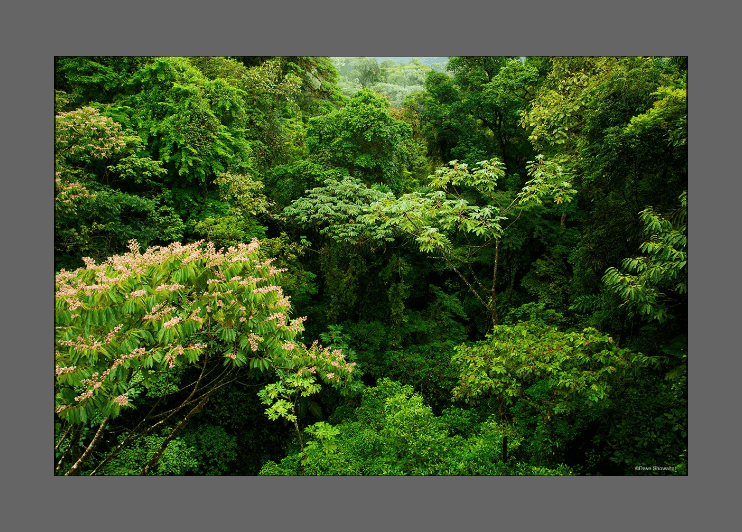
A yellow morph and green morph of an insect lives in the rainforest canopy. You would expect:
the green population to increase and the yellow to decrease
both populations should stay the same
both populations will increase
the green population to decrease and the yellow to increaseThis is a wrong answer

The graphs below show the changes in crab color at one beach.
Which of the following is most likely to have caused the change in the distribution?
A new predator arrived that preferred dark-tan crabs.
A new predator arrived that preferred light-tan crabs.
A change in beach color made medium-tan crabs the least visible to predators.
A change in beach color made medium-tan crabs the most visible to predators.

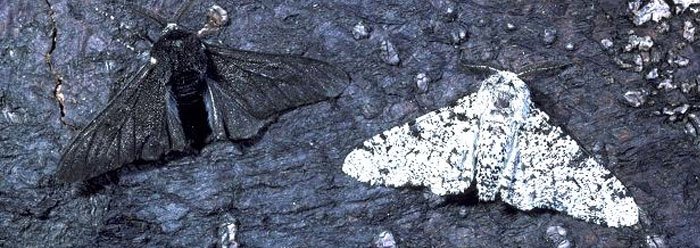
What is the most likely explanation of the data shown below?
There has been a drought in the area that is affecting all life forms.
The population of natural predators of the moths has gotten smaller.
The moths are living in an environment with light trees.
The moths are living in an environment with dark trees.

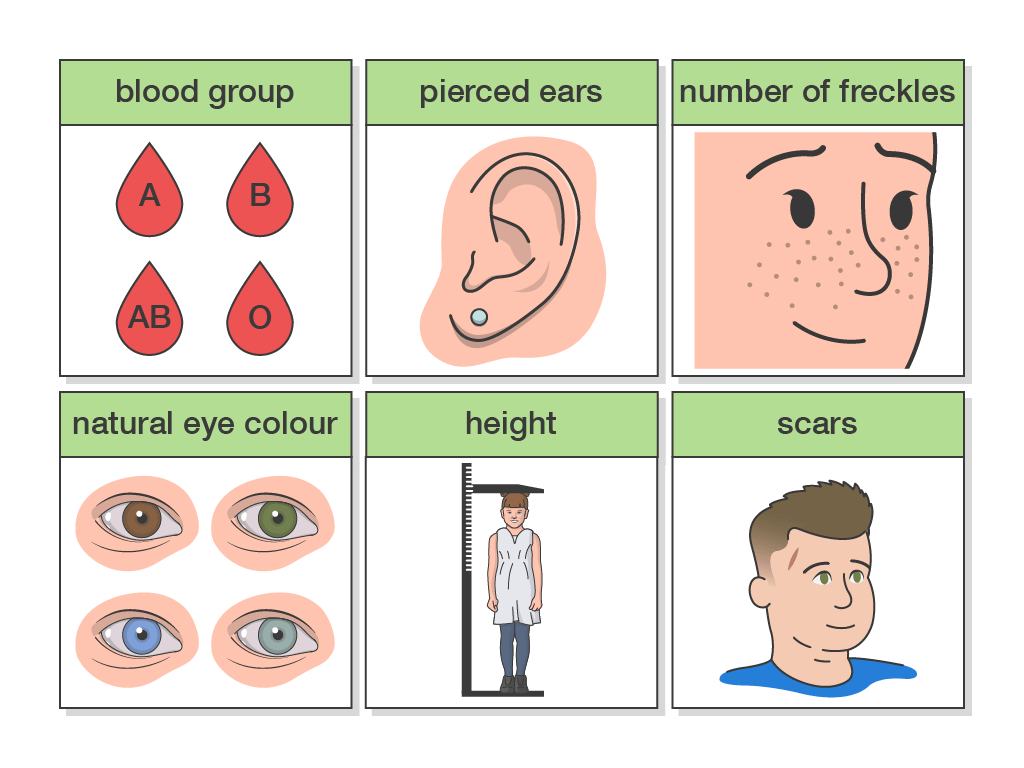
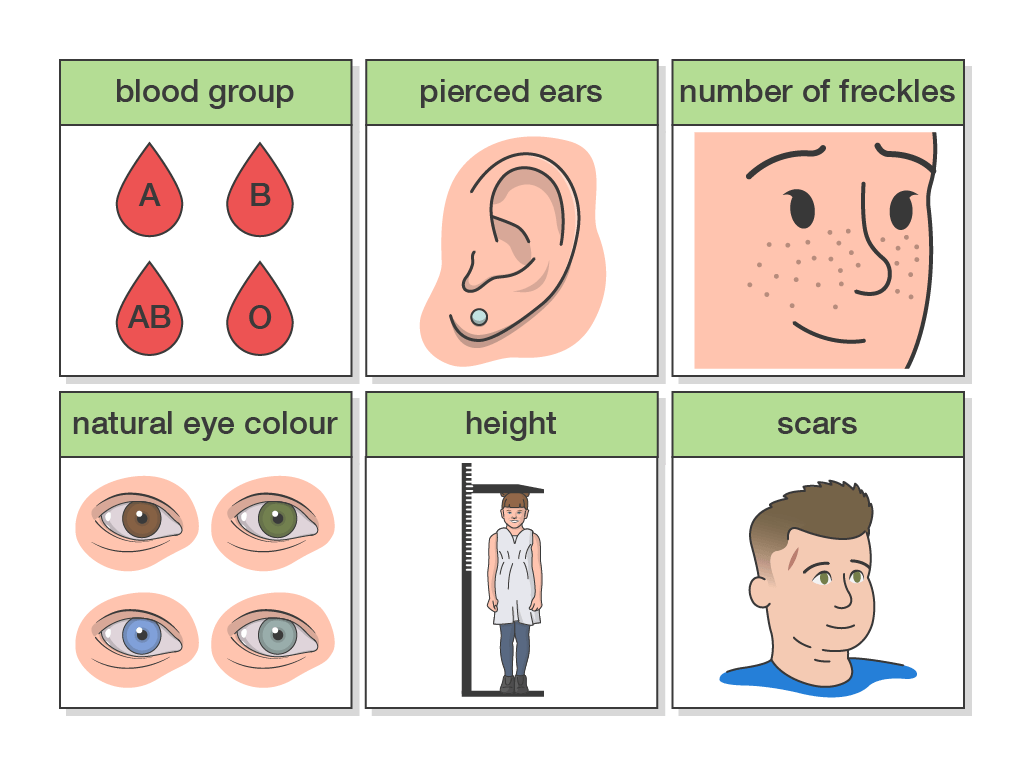
Which two characteristics show variation as a result of inherited factors only?
blood group
pierced ears
number of freckles
natural eye colour
height
Which two characteristics show variation as a result of environmental factors only?
blood group
pierced ears
Scar
natural eye colour
height
Which two characteristics show variation as a result of a combination of both inherited and environmental factors?
blood group
pierced ears
number of freckles
natural eye colour
height
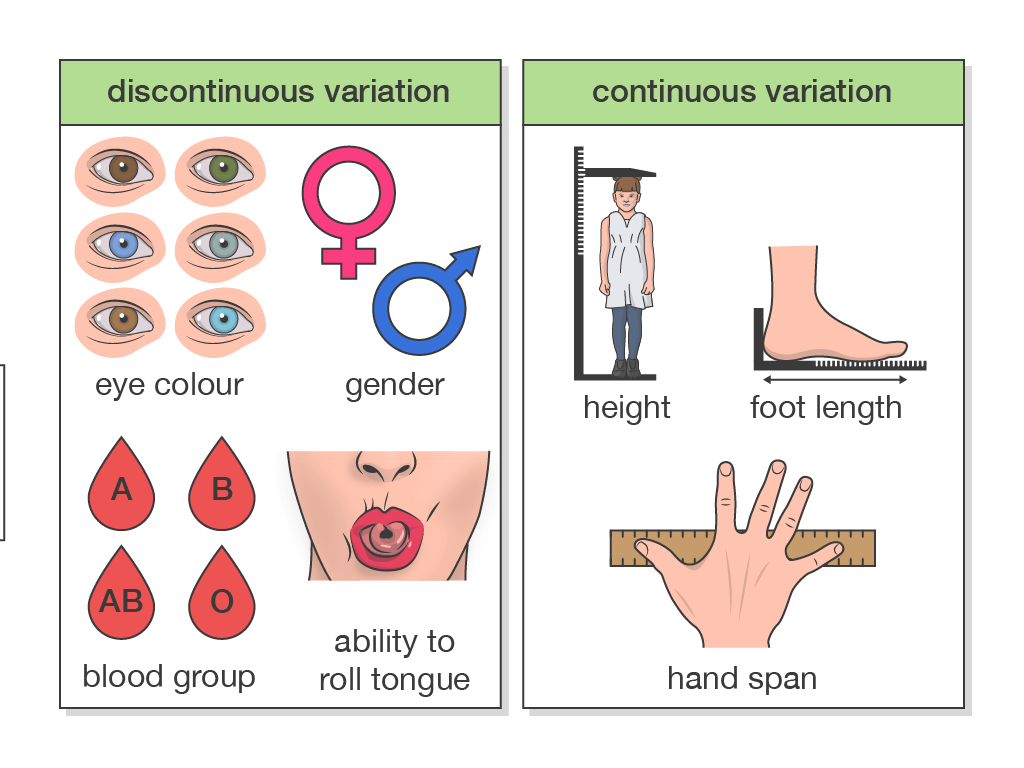
For which type of variation can a measurement have any numerical value?
continuous variation
discrete variation
For which type of variation are differences grouped into categories?
continuous variation
discrete variation
If you were to investigate the height of everyone in your class, what type of data would you be gathering?
continuous variation
discrete variation
If you were to investigate the eye colour of everyone in your class, what type of data would you be gathering?
continuous variation
discrete variation
Which three features show discrete variation?
blood group
height
foot length
eye colour
gender
Which of these features of butterflies is an example of discrete variation?
Area of wings
Length of body
Length of legs
Presence of spots
A small growth on an organism that splits and grows into a new organism
regeneration
mitosis
binary fission
budding
When an organism splits into an exact copy
fertilization
binary fission
regeneration
budding
Type of reproduction that makes an identical copy of a parent cell
sexual reproduction
asexual reproduction
internal fertilization
external fertilization
The movement of pollen from one flower to another flower
zygote
pollination
internal fertilization
fertilization
The joining of male and female sex cells
asexual reproduction
internal fertilization
pollination
fertilization
One cell that has both female and male reproductive cell
mitosis
clone
pollination
zygote
Which is an advantage of sexual reproduction?
It only needs one parent to produce offspring.
It is a rapid process.
It allows genetic variation.
It produces identical offspring.
The offspring of sexual reproduction:
receives half of its genetic material from each parent
receives all of its genetic material from one parent
receives genetic material from an outside source
develops genetic material independent of any other source
:
A scientist is observing a new species of organism. She observes that from generation to generation many of the organisms’ offspring have adaptations that their parents did not have. This organism is most likely reproducing through __________.
budding
asexual reproduction
sexual reproduction
binary fission

There are a couple thousand different species of brittle star. At certain times of the year, male and female stars release sperm and eggs into the ocean. They can also reproduce by simply splitting in half and grow new body parts. How does the organism reproduce?
Sexual reproduction
Asexual Reproduction
Both Asexual and Sexual reproduction
Can't reproduce

The sea horse is unique among fish: it mates for life with the same partner. It is the dad who gets pregnant. The female deposits her eggs in the male's pouch which are then fertilized.( The pouch is an external structure that grows on the body of the male) What type of reproduction?
Asexual reproduction
Sexual reproduction
Both Sexual and Asexual reproduction

Pollen grains produced by a flower are carried by a be to the stigma of another flower. What type of reproduction
Sexual reproduction
Asexual reproduction
Both sexual and asexual reproduction

A stem is cut from a plant and grows its own roots and leaves. A process called vegetative propagation (cutting)
What type of reproduction?
Sexual reproduction
Asexual reproduction
Both asexual and sexual reproduction

What is FALSE about the offspring in this image
will increase genetic variation in the population
required only 1 parent
will be genetically identical to 1 parent
the parent did not need to use energy to find a mate

The images are examples of which type of reproduction
Asexual
Sexual

What is true about the offspring in this image?
They will be genetically unique and not identical to their parents
They will share the identical DNA as their parent
Two parents were required to create offspring
The offspring will not carry the same diseases as the parent

What is FALSE about the offspring in this image?
Will have identical DNA to one of their parents
Will be a genetically unique individual
Will receive have their DNA from each parent
Requires 2 parents
Which disadvantage is most related to asexual reproduction
slower process
requires more energy
produces less offspring
there is no genetic diversity
Which advantage is most related to asexual reproduction?
produces many offspring quickly
increases genetic diversity
sometimes both parents help to raise the offspring
the health of the population increases overtime because of genetic variation
What is a disadvantage of sexual reproduction?
Requires more energy to find a mate
there is no genetic diversity in the offspring
if the parent has a genetic disorder the offspring will also have that disorder
requires one parent


What is the name of flower part #4 ?
stamen
ovary
anther
petal

What is the name of flower part #6 ?
pistil
style
ovary
anther

What is the name of flower part #10 ?
anther
ovary
petal
stigma
What is the name of flower part #12 ?
style
ovule
stamen
pistil
This part of the plant bears pollen?
anther
filament
pistil
stamen

