wayground logo

Free Printable Worksheets

NEW

Font size

S
M
L
XL
Worksheets

Space Science Review

Total questions: 75

Worksheet time: 2hrs 40mins

Name
Class
Date
1.
Which is the correct order of the planets?
a)
Mercury, Venus, Earth, Mars, Jupiter, Saturn, Uranus, Neptune
b)
Mars, Venus, Earth, Mercury, Jupiter, Saturn, Uranus, Neptune
c)
Earth, Venus, Mercury, Mars, Saturn, Neptune, Pluto, Uranus, Jupiter
d)
The Planets don't have an order. 
2.
What does Earth ROTATE (spin) around?
a)
Sun
b)
Moon
c)
It's Axis
d)
Other Planets
3.
Which is the correct order of the moon phases? Remember, "Wax On, Wane Off"
a)
New Moon, Waning Crescent, First quarter, Waxing Gibbous, Full Moon, Waning Gibbous, Third Quarter, Waxing Crescent, New Moon
b)
Full Moon, Waxing Crescent, First quarter, Waxing Gibbous, New Moon, Waning Gibbous, Third Quarter, Waning Crescent, New Moon
c)
Waxing Crescent, New Moon, First quarter, Waxing Crescent, Full Moon, Waning Gibbous, Third Quarter, Waning Crescent, New Moon
d)
New Moon, Waxing Crescent, First quarter, Waxing Gibbous, Full Moon, Waning Gibbous, Third Quarter, Waning Crescent, New Moon
4.
What number planet from the sun is Earth?
a)
1
b)
2
c)
3
d)
8
5.
The phase of the moon depends on...
a)
Where the Earth's Shadow is.
b)
How many clouds are in the sky.
c)
where the moon is in it's orbit around Earth. 
d)
Whether we are having day or night. 
6.
How does Earth have day or night?
a)
Magic
b)
The earth's rotation around it's axis, causing one side to face the sun, and the other to face away.
c)
By the moon creating night and the sun creating day.
7.
True or False: One day on Earth is caused by one REVOLUTION around the sun.
a)
True
b)
False
8.
True or False: One day on Earth is caused by one ROTATION around the Earth's Axis.
a)
True
b)
False
9.
True or False: The moon produces light.
a)
True
b)
False
10.
True of False: A lunar eclipse is when the moon passes into Earth's shadow, causing the light to not hit the moon. The order would be: Sun - Earth - Moon.
a)
True
b)
False
11.
True of False: A solar eclipse is when the moon passes between Earth and Sun, causing part of Earth to not see the sun's light. The order would be: Sun- Moon - Earth.
a)
True
b)
False
12.
When it is Winter in the Northern Hemisphere (Us), what season is it in the Southern Hemisphere?
a)
Winter
b)
Spring
c)
Summer
d)
Fall
13.
Does the moon rotate or revolve around Earth?
a)
Rotate
b)
Revolve
14.

In a diagram depicting the solar system as heliocentric, what is located at the center?

a)

Earth

b)

the sun

c)

the moon

d)

Mars

15.

Which of the following groups are all terrestrial planets?

a)

Venus, Mars, Mercury

b)

Mars, Venus, Saturn

c)

Jupiter, Mars, Neptune

d)

Mercury, Saturn, Jupiter

16.

Which of the following groups of planets are all gas giants?

a)

Neptune, Saturn, Jupiter

b)

Venus, Mars, Saturn

c)

Mars, Venus, Mercury

d)

Mars, Jupiter, Neptune

17.
The asteroid belt in our solar system is located between:
a)
Neptune & Saturn
b)
Earth & Mercury
c)
The Milky Way & Polaris
d)
Mars & Jupiter
18.

What phase of the moon is the one circled?

a)

New Moon

b)

1st Quarter

c)

Full Moon

d)

3rd Quarter

19.

When the moon is increasing in brightness, it is what?

a)

Waxing

b)

Waning

c)

Whaling

d)

Whirling

20.

What is the Milky Way?

a)

a candy bar

b)

a star

c)

a solar system

d)

a galaxy

21.
A stars color tells us about its
a)
Temperature
b)
Size 
c)
Rotation
d)
Distance from earth
22.
What is the term used for a cloud of gas and dust?
a)
gas giant
b)
solar dust
c)
solar cloud
d)
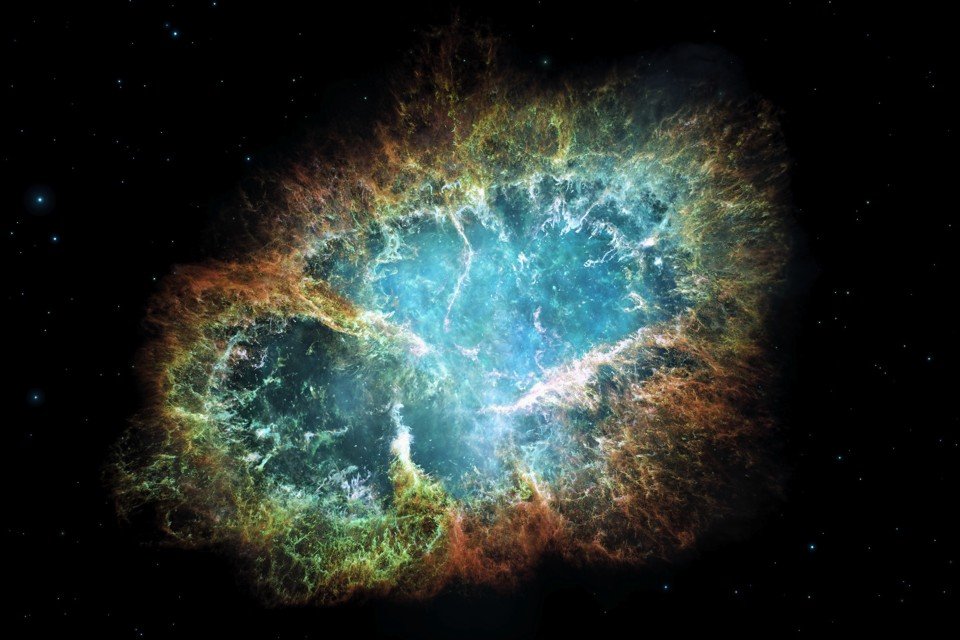
nebula
23.
What is the name of the explosion at the death of a massive star?
a)
Supergiant
b)
Supernova
c)
Black Hole
d)
Nebula
24.
What is a light-year?
a)
distance between two stars
b)
distance light travels in one year
c)
the time it takes light to travel 300,000,000 meters
d)
the time it takes light to travel to Earth from the Sun
25.
A star is born when
a)
a protostar begins to cool
b)
a nebula expands
c)
helium and oxygen combine
d)
nuclear fusion starts
26.

How long does the Earth take to complete one revolution?

a)

1 day

b)

27.322 days

c)

365.27 days

d)

30 days

27.

At what degree is the Earth tilted on its axis?

a)

45 degrees

b)

90.2 degrees

c)

23.5 degrees

d)

25 degrees

28.

The Earth is divided into a Northern and Southern ____________.

a)

Side

b)

Graphis

c)

Season

d)

Hemisphere

29.

What is a revolution when talking about Earth?

a)

One Earth day

b)

One day and night cycle

c)

One trip around the Sun

d)

One full season

30.

What is the first phase of the Moon?

a)

Waxing Crescent Moon

b)

Full Moon

c)

Waning Gibbous Moon

d)

New Moon

31.

The path on which the moon travels around the Earth is called the what?

a)

Orbit

b)

Elliptical orbit

c)

Lunar orbit

d)

Electron orbit

32.

The Earth and Moon both rotate in what direction?

a)

North to South

b)

East to West

c)

Clockwise

d)

Counter clockwise

33.

What holds the Moon in its orbit?

a)

The tides

b)

Orbit

c)

Gravity

d)

Dark matter

34.

The Moon is a _________________of Earth

a)

Planet

b)

Comet

c)

Star

d)

Satellite

35.

How long does it take the Moon to rotate on its axis?

a)

1 day

b)

27 days

c)

365 days

d)

24 days

36.

The side of the Moon we cannot see is known as the:

a)

Back side

b)

Bright side

c)

Dark side

d)

Lunar vacuum

37.

The brightest phase of the Moon is:

a)

New Moon

b)

Full Moon

c)

Waxing crescent Moon

d)

Waning gibbous Moon

38.

What causes the seasons?

a)

Sun's distance from Earth

b)

The sun's size

c)

The tilt of the Earth

d)

Earth's Revolution around the sun

39.

About how many days are in a moon cycle?

a)

30

b)

31

c)

29

d)

28

40.

The time in which Earth makes one rotation:

a)

~24 hours

b)

~365 days

c)

~28 days

d)

~one school year

41.

The Between which two points does the moon change from a new moon to a quarter moon?

a)

Q and R

b)

S and T

c)

R and S

d)

T and Q

42.

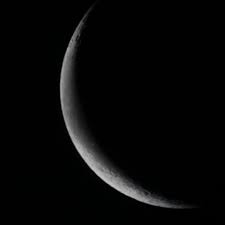
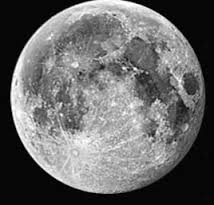
What phase is this moon?

a)

Waxing Gibbous

b)

Waning Gibbous

c)

Waxing Crescent

d)

Waning Cresenct

e)

Full Moon

43.

The two reasons for the season are:

a)

Tilt of the Earth and Revolution of the Earth

b)

How close the Earth is to the sun and Tilt of the Earth

c)

How close the Earth is to the sun and the Rotation of the Earth

d)

Tilt of the Earth and the Rotation of the Earth

44.
For a solar eclipse to occur, what has to happen?
a)
The sun must be directly between Earth and the moon.
b)
The moon must be directly between Earth and the Sun.
45.
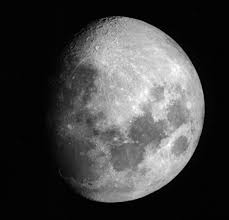
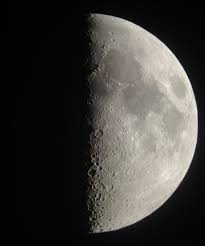
Name the moon phase
a)
waning crescent
b)
waxing crescent
c)
waning gibbous
d)
waxing gibbous
46.
Name the moon phase
a)
waning crescent
b)
waxing crescent
c)
waning gibbous
d)
waxing gibbous
47.
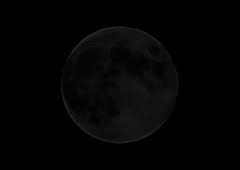
Name the moon phase
a)
First Quarter
b)
Last Quarter
c)
New Moon
d)
Full Moon
48.
Name the moon phase
a)
First Quarter
b)
Last Quarter
c)
New Moon
d)
Full Moon
49.
Name the moon phase
a)
First Quarter
b)
Last Quarter
c)
New Moon
d)
Full Moon
50.
Name the phase of the moon for letter a
a)
First Quarter
b)
Last Quarter
c)
Waxing Gibbous
d)
Waning Gibbous
51.
What is illuminating the Moon?
a)
Nuclear Fusion
b)
Sunlight
c)
Mirrors
d)
Flood Lights
52.
Name the moon phase
a)
waning crescent
b)
waxing crescent
c)
waning gibbous
d)
waxing gibbous
53.
In winter, the axis of the earth is pointed away or toward the sun?
a)
towards
b)
up
c)
down
d)
away
54.
In summer, the axis of the earth is pointed away or toward the sun?
a)
towards
b)
up
c)
down
d)
away
55.
In the diagram given, what happens as we move to the left?
a)
Stars Get Larger
b)
Stars get Colder
c)
Stars get hotter
56.
Which star is the coldest?
a)
Yellow Star
b)
Red Star
c)
Orange Star
d)
Blue Star
57.

Which moon phase is shown in this diagram?

a)

new moon

b)

first quarter

c)

full moon

d)

3rd quarter

58.

Name the phase of the moon for letter a

a)

First Quarter

b)

Third Quarter

c)

Waxing Gibbous

d)

Waning Gibbous

59.
Name the phase of the moon for letter f
a)
Waning Gibbous
b)
Waxing Gibbous
c)
Waning Crescent
d)
Waxing Crescent
60.
If the last full moon was on April 4th, when can you expect to see the next full moon? 
a)
April 29th
b)
July 4th
c)
May 4th
d)
September 12th
61.

What is the missing phase?

a)
b)
c)
d)
62.

What happens as the moon revolves around the earth?

a)

The shadow gets darker and darker.

b)

The illuminated (lit) side gets lighter and lighter.

c)

The shadow slowly disappears until it's fully lit, then the lit part slowly disappears until it's completely dark.

63.

The brightness of a star as seen from earth

a)

Apparent magnitude

b)

Awesome magnitude

c)

Absolute magnitude

d)

Amazing magnitude

64.

Brightness determined by DISTANCE from the earth

a)

Amazing magnitude

b)

Absolute magnitude

c)

Apparent magnitude

d)

Awesome magnitude

65.

A refracting telescope uses _______ to focus light.

a)

Lenses

b)

Mirrors

c)

Lasers

d)

Water

66.

Reflecting telescopes use _______ to focus light.

a)

Lenses

b)

Flat mirrors

c)

Curved Mirrors

d)

A lens and lasers

67.
The telescopes that receive long wavelengths from space. 
a)
Space probes
b)
Space satellites
c)
Space landers
d)
Radio 
68.
Which space equipment transports humans into space from Earth?
a)
space shuttle
b)
space prove
c)
satellite
69.

A vehicle designed to propel itself by ejecting exhaust gas from one end

a)

shuttle

b)

rocket

c)

satellite

d)

probe

70.

An object that revolves around another object in space

a)

revolving

b)

Meteoroid

c)

satellite

d)

vacuum

71.

A spacecraft that can carry lots of scientific instruments that can collect data, including visual images but does not hold any space crews on it.

a)

Math

b)

space probe

c)

escape velocity

d)

microgravity

72.
A white dwarf is the final stage for _________ mass stars like our Sun.
a)
small/medium
b)
large
c)
super massive
73.
Where does a star begin and end its life?
a)
Black Hole
b)
Galaxy
c)
Nebula
d)
Solar System
74.
What spectacular event follows the red super giant phase for a large or massive star when it starts fusing iron in its core?
a)
Big Bang
b)
Supernova
c)
Planetary Nebula
75.
A star spends most of its life in this stage.
a)
Main Sequence
b)
Red Giant
c)
White Dwarf
d)
Black Hole