
 Worksheets
Properties of Matter Test Review
Total questions: 76
Worksheet time: 3hrs 46mins
True or False: If you have the same volume of two different substances, they may have different densities.
True
False
a nail rusting

Mass is
The ability of an object to float
The amount of space an object takes up
Descriptions of matter
The amount of matter in an object

Which is a true statement about this picture?
Water is less dense than sugar syrup
Sugar syrup is more dense than honey
Edible oil is the most dense
Dishwashing liquid is less dense than edible oil
A balance scale tells us...
if an object is magnetic.
the mass of an object.
the temperature of an object.
if an object can float.

Density, boiling, or melting point.
Physical properties
Chemical properties

In this demonstration, an egg is placed in tap (fresh) water and then in salt water. Why does the egg float in salt water, but sink in tap water?
The salt water is denser than the tap water.
The fresh water is denser than the egg.
The buoyant force is less than the weight of the egg.
Flammability
Chemical Property
Physical Property

What is the volume of the glue stick?
10 mL
5 mL
1 mL
15 mL
Based on these densities, which would be in the middle?
milk - 1.03 g/mL
ice - 0.920 g/mL
mercury - 13.6 g/mL
Milk
Ice
Mercury
A group of students is conducting a density experiment with two blocks. Block 1 has more mass and less volume than Block 2. Based on this information, the student can correctly conclude that
Block 1 has a higher density than Block 2.
both blocks have densities less than water’s density.
both blocks have densities greater than water’s density.
Block 1 has a lower density than Block 2.
Two samples of gold must have the same
volume
density
mass
length

A student has two identical boxes. The student fills one box with bundled newspapers and the second box with shredded paper. Which statement about the boxes is most accurate?
The masses of the boxes are the same.
The volumes of the boxes are the same.
The full boxes have the same densities.
The full boxes contain the same amount of paper.

A student examined blocks made of different substances. The blocks all had the same length, width, and height.
Which statement MOST likely describes the blocks?
The blocks have the same hardness.
The blocks have the same density.
The blocks have different masses.
The blocks have different volumes.
Appearance, texture, and density are classified as
physical properties.
chemical properties.
magnetic properties.
thermal properties.
Paula determines a property of a marble using a balance and a graduated cylinder. What property is Paula MOST likely determining by using both tools?
density
length
mass
volume

A student measured the masses of four different-sized blocks. The student determined that each block had a mass of 50 grams. Which block has the LEAST density?
1
2
3
4


__ Al + __ FeO → __ Al2O2 + __ Fe
1, 1, 2, 3
2,1, 2, 1
2, 2, 1, 2
2, 4, 2, 3
Mg + ___ HCl → MgCl2 + H2
1
2
3
4
Which side of a chemical equation is the reactant side?
Left (before arrow)
Right (after arrow)
Which side of a chemical equation os the product side?
Left (before arrow)
Right (after arrow)
Which problem is balanced?
PbO2 + 2H2
SO2 + H20 → H2SO4
2Na + 2H2O → 2NaOH + H2

Balance this equation-
__SeCl6 + __O2 → __SeO2 + __Cl2
1,2,1,2
1,1,1,3
1,2,1,1
2,1,1,1
How many atoms of aluminum are on each side of the following equation: 4Al + 3O2 → 2Al2 O3
2
6
1
4
N2 + H2 → NH4
Balanced
Unbalanced
How many atoms of Hydrogen are in 4H2O?
6
8
2
4
What is a coefficient?
The small number on the right of the chemical symbol.
The large number to the left of a chemical formula.
The law of conservation of matter states that
chemical reactions change matter.
in chemical reactions, the identity of reactants and products is conserved.
there are the same number of atoms in the reactants and the products
a chemical equation must be unbalanced.
Why is the following chemical equation not balanced?
H2 + O2 → H2O
each side of the equation has a different number of oxygen atoms
each side of the equation has a different number of hydrogen atoms
each side has the same mass
Is the following equation balanced or unbalanced?
Fe + S → FeS
balanced
unbalanced
What is the part of the chemical equation in green called?
Fe + S → FeS
products
reactants
yield
chemical formula

Balance this equation.
__Mg + __Cl2 → __MgCl2
1, 2,1
already balanced
2,1,1
1,1,2
Example: H2
What is the arrow in a chemical equation...
H2 + O → H2O
Reactants
Products
Yields/Reacts to Produce
Chemical Equation

Balance this equation.
__CH4 + __O2 → __CO2 + __H2O
1,2,1,1
2,1,2,1
1,2,1,2
0,2,0,2

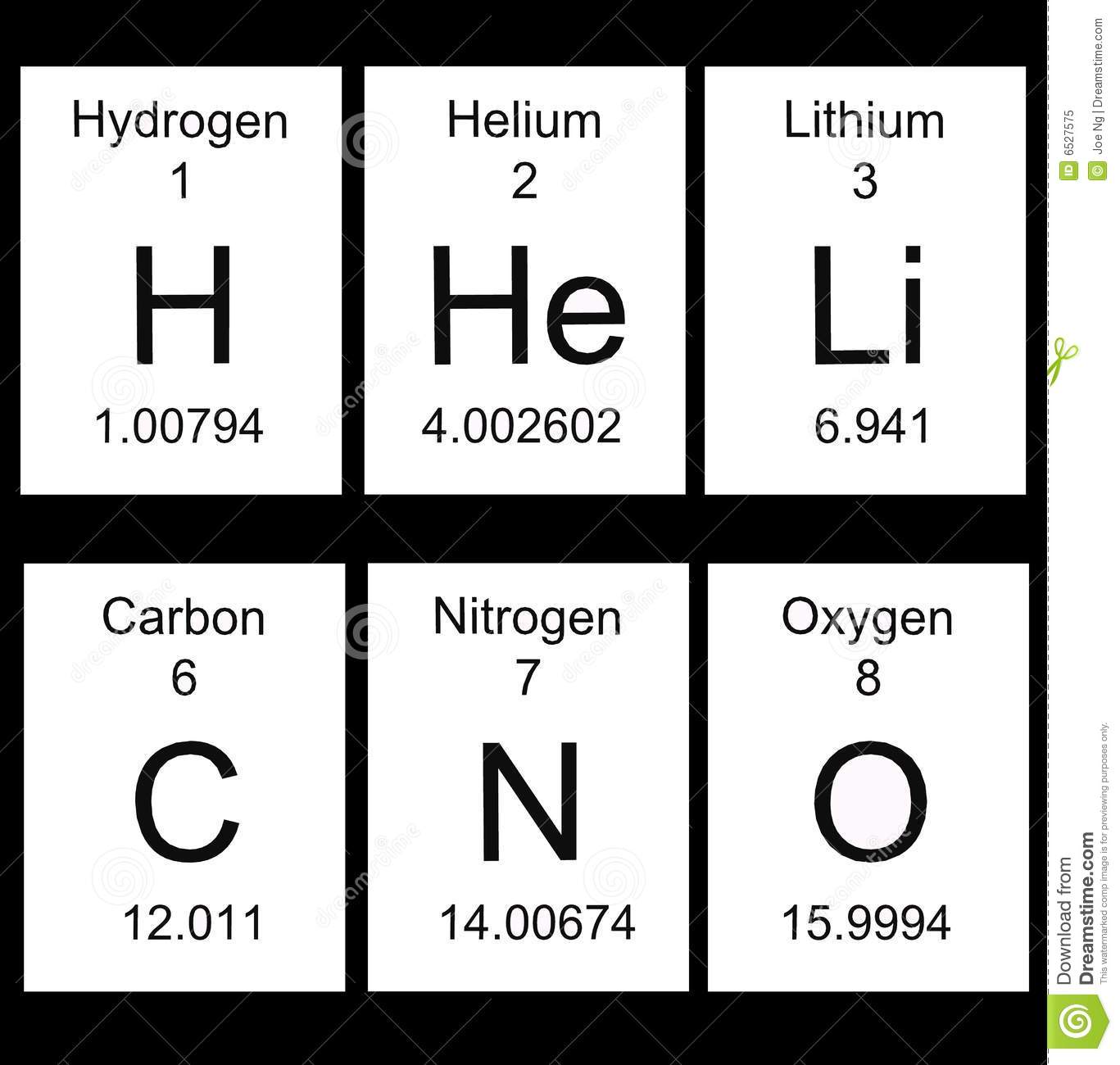
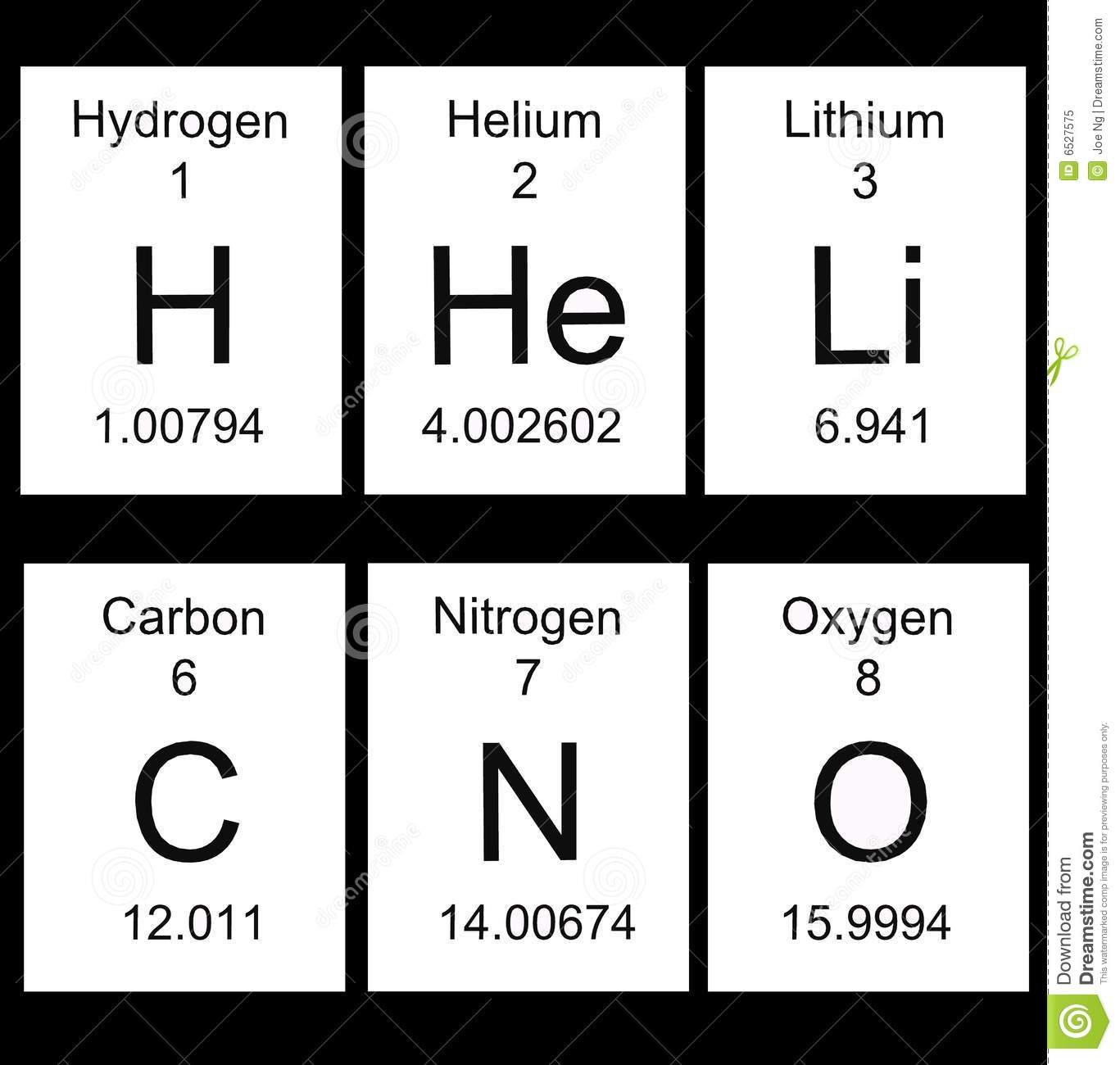

What is the atomic mass of Neon?
10
20.18
10.18
20


What is the atomic mass of Copper?
63.546
29
29.546
92


How many electrons does a Copper atom have?
63
29
92
34

What is the atomic mass of Gold?
79
196.97
79.97
275

What is the atomic mass of Helium
4.0026
2.0026
4
1

How many neutrons does a Hydrogen atom have?
1
2
3
0

How many electrons does an Iodine atom have?
53
126
73
179

How many electrons does an atom of Krypton have?
36
83.798
47.798
119.798

What does the topmost number (3) represent?
Mass Number
Atomic Number
Atomic Mass
Number of Neutrons

How many neutrons does an Oxygen atom have?
8
16
24
7.999

What is the atomic mass of Sodium?
11
22.990
33.990
11.990

