
 Worksheets
Earth's Layers, Rock Cycle, W.E.D.
Total questions: 71
Worksheet time: 47mins

Which letter correctly identifies the area of Earth called the mantle?
A
B
C
D
Which two layers make up the lithosphere?
A. Crust and the Mantle
B. Crust and the Inner Core
C. Mantle and Outer Core
D. Outer Core and Inner Core
Which of the following statements is true about the inner core?
A. It is mostly made up of copper
B. It is mostly made up of iron and nickel
C. It is mostly made up of calcium
D. It is mostly made up of magnesium
In which layer of the Earth would you find convection currents?
A. crust
B. mantle
C. outer core
D. inner core
This layer of the Earth has been described as having characteristics like plastic.
A. Lithosphere
B. Asthenosphere
C. Mesosphere
D. Inner Core
This layer of the Earth is made up of the Continental and Oceanic _________.
A. Mantle
B. Crust
C. Core
D. Mesosphere

Which letter correctly identifies the area of Earth known as the outer core?
A
B
C
D
What is the only layer of the Earth that is completely liquid metal?
A. Crust
B. Mantle
C. Inner Core
D. Outer Core

Which layer is # 20.
A: Mesosphere
B: Lithosphere
C: Asthenosphere

Which letter correctly identifies the area of Earth called the crust?
A
B
C
D
This layer of the Earth is made up of the crust and the strong ridged part of mantle.
A. Outer Core
B. Inner Core
C. Lithosphere
D. Mesosphere
As we travel deeper into the Earth which of the following is true:
A. Pressure goes up and temperature goes down
B. Pressure goes down and temperature goes up
C. Both pressure and temperature go up
D. Both pressure and temperature go down
This layer of the mantle is made up of the outer part of the mantle and the crust.
a. Mesosphere
b. Lithosphere
c. Asthenosphere
Which of the following statements is an opinion about the mantle?
A. it makes up the bulk of the Earth’s mass
B. heat churns through it
C. it is the most important layer of the Earth

Which layer is # 19?
A: Mesosphere
B: Lithosphere
C: Asthenosphere
The order of the layers of the Earth from the inside to the outside is
A. inner core, outer core, mantle, crust
B. outer core, inner core, mantle, crust
C. inner core, outer core, crust, mantle
D. mantle, inner core, outer core, crust
This layer of the mantle is made up strong lower part of mantle.
a. Mesosphere
b. Lithosphere
c. Asthenosphere

Which letter correctly identifies the area of Earth called the inner core?
A
B
C
D
This layer of the mantle is made up of a weak or soft part of the mantle where rocks flow like a thick liquid.
a. Mesosphere
b. Lithosphere
c. Asthenosphere

Which layer is # 18?
A: Mesosphere
B: Lithosphere
C: Asthenosphere
Flood pounding against a canyon wall and wearing it down.
weathering
erosion
deposition
Rain washing away soil from a hillside.
weathering
erosion
deposition
Layers of sediment forming at the bottom of the ocean.
weathering
erosion
deposition
Deltas forming at the mouth of a river.
weathering
erosion
deposition
Caves being formed by acid rain dissolving underground limestone.
weathering
erosion
deposition
Wind blowing sand from one location to another.
weathering
erosion
deposition
Wind blasting sand at rock and carving out arches.
weathering
erosion
deposition
Flood waters moving soil from one location to another.
weathering
erosion
deposition
Ponds filling up with sediment and becoming marshes.
weathering
erosion
deposition
Wind and water cause small pieces of rock to break off at the side of a mountain.
weathering
erosion
deposition
Rain washing away soil from a hillside is an example of what?
Weathering
Erosion
Deposition
Compaction
Waves dropping sand on the beach is an example of what?
Weathering
Erosion
Deposition
Compaction
Deltas forming at the mouths of rivers are examples of what?
Weathering
Erosion
Deposition
Compaction


What causes the greatest erosion effect on our beaches?
Waves
Gravity
Glaciers
Wind
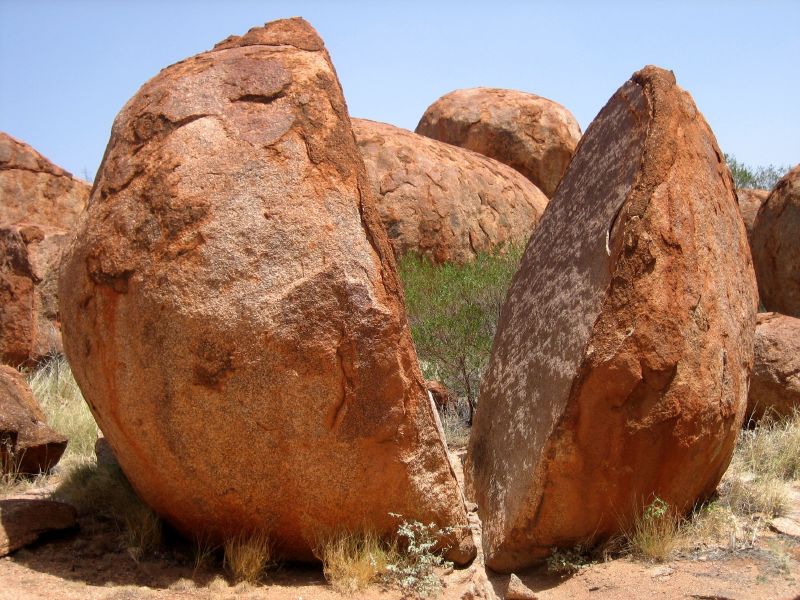
What is the wearing away or breaking down of rocks called?
Deposition
Erosion
Glaciers
Weathering
Glaciers scraping rocks across the earth's surface.
Weathering
Erosion
Deposition
Glacialation
Wind blasting sand at rock and carving out arches.
Mechanical Weathering
Erosion
Deposition
Chemical Weathering


Which of the following actions causes the deposition of sand at a delta?
river water slowing as it enters the ocean
salt water & fresh water mixing together
ocean waves transporting sand toward land
ocean water slowing as it reaches the coast

Waves wash sand onto land until a beach is formed
Physical Weathering
Chemical Weathering
Erosion
Deposition

Caves, sinkholes, cenotes and aquifers go through mechanical weathering by being underground rivers. What kind of weathering changes the composition of materials?
Physical Weathering
Chemical Weathering
Biological Weathering
Anatomical Weathering


Any rock that forms from another rock as a result of changes in heat or pressure (or both) is a:
chemical rock
igneous rock
sedimentary rock
metamorphic rock
This is the continuous process of rock changing from one type to another.
Igneous rocks
Sedimentary rocks
Metamorphic rocks
Rock Cycle
What type of rock might contain evidence of past life?
Sedimentary Rock
Igneous Rock
Metamorphic Rock
Which of the following lists the steps a rock undergoes in order to become sedimentary rock, in the correct order?
Deposition, erosion, melting, cooling
Erosion, weathering, eruption, cooling
Dissolving, deposition, cooling, fracture
Weathering, erosion, deposition, compaction
Limestone is a sedimentary rock. During the rock cycle, limestone is changed into marble, a metamorphic rock. The processes that act on limestone and change it into marble are
weather and erosion
heat and pressure
compacting and cementing
melting, cooling, and hardening
The process by which igneous rocks are formed
weathering and erosion
melting and cooling
heat and pressure
compaction and cementation

You found a rock that seems to have ribbon-like bands across it, and it is multicolored. What type of rock is this?
Sedimentary
Igneous
Metamorphic

This rock formed when lava cooled very quickly on Earth's Surface. What type of rock is this?
Sedimentary
Extrusive Igneous
Intrusive Igneous
Metamorphic

Using your understanding of the Rock Cycle, what would the label A represent?
Metamorphic
Igneous
Sedimentary
Using your understanding of the Rock Cycle, what would the label B represent?
Metamorphic
Igneous
Sedimentary
Using your understanding of the Rock Cycle, what would the label C?
Metamorphic
Igneous
Sedimentary
The _______________ , which is semi-liquid, can be found beneath the lithosphere. This layer can flow and is thought to play a role in the movement of the lithosphere (plate tectonics).
Asthenosphere
Mesosphere
Outer Core
Inner Core
What is the name of the layer of the Earth that has convection currents?
Core
Crust
Mantle
Lithosphere

