
 Worksheets
Unit 2 - Microscopes & Cellular Biochemistry
Total questions: 75
Worksheet time: 1hrs 2mins
Organic compounds are always based on what elements?
Carbon & Hydrogen
Water & Oxygen
Carbon & Oxygen
Glucose & Water


What is the composition of a basic unit of fat?
One molecule of glycerol and one molecule of fatty acid
One molecule of glycerol and three molecules of fatty acids
One molecule of fatty acid and three molecules of glycerol
Three molecules of fatty acid and three molecules of glycerol


*GLUCOSE

Enzymes act as which of the following?
Inhibitor
Non-Inhibitor
Acid
Catalyst
This is a substance that speeds up the rate of a chemical reaction, but is not itself changed but the reaction.
Inhibitor
Non-Inhibitor
Catalyst
Base
The energy required to initiate a chemical reaction is known as which of the following?
Activation energy
Potential energy
Kinetic energy
Free energy
How do enzymes work?
Increase the rate of a chemical reaction by lowering the activation energy
Decrease the rate of a chemical reaction by lowering the activation energy
Increase the rate of a chemical reaction by increasing the temperature
Decrease the rate of a chemical reaction by lowering the temperature of a given environment
Which of the following are enzymes? Check ALL that apply!L
Sucrose
Sucrase
Starch
Lactose
Lactase
These molecules are the substances that bind to enzymes
Activators
Prohibitory molecules
Enzymatic molecules
Substrates
Active sites are where chemical reactions occur between enzymes and reacting molecules. Where are the active sites located?
On the reacting molecule
On the enzyme
On a separate molecule that binds to an enzyme temporarily, but leaves once the chemical reaction has started
The reacting molecule and the enzyme both have a active site
True of false: Enzymes can only be used once
True
False
Which of the following hypotheses explain that enzymes are specific for only one type of molecule
The enzymatic specificity hypothesis
The specific enzyme match hypothesis
The specific enzyme/molecule bond hypothesis
The lock and key hypothesis
Which of the following statements is true?
Sucrase will never break down lactose because it is specific for sucrose
Sucrase will only break down lactose in very specific conditions, such as a highly acidic environment
Lactase breaks down sucrose and lactose
Lactase breaks down sucrose and furctose
Why do reactions that occur in lower temperatures take longer than reactions that occur in higher temperatures?
The reaction is occurring slowly because enzymes will never work in cold temperature
The reactions is occurring slowly because there is no energy
The reaction is occurring slowly because energy is related to heat, so there is less energy in colder environments
Starch + Water -------> Glucose
Enzymes are an example of
Lipids
Carbohydrate
Protein
Nucleic Acid
In a chemical reaction, ________ are what you have at the end
Products
Molecules
Reactants
Substances

dehydration synthesis
hydrolysis

dehydration synthesis
hydrolysis

dehydration synthesis
hydrolysis

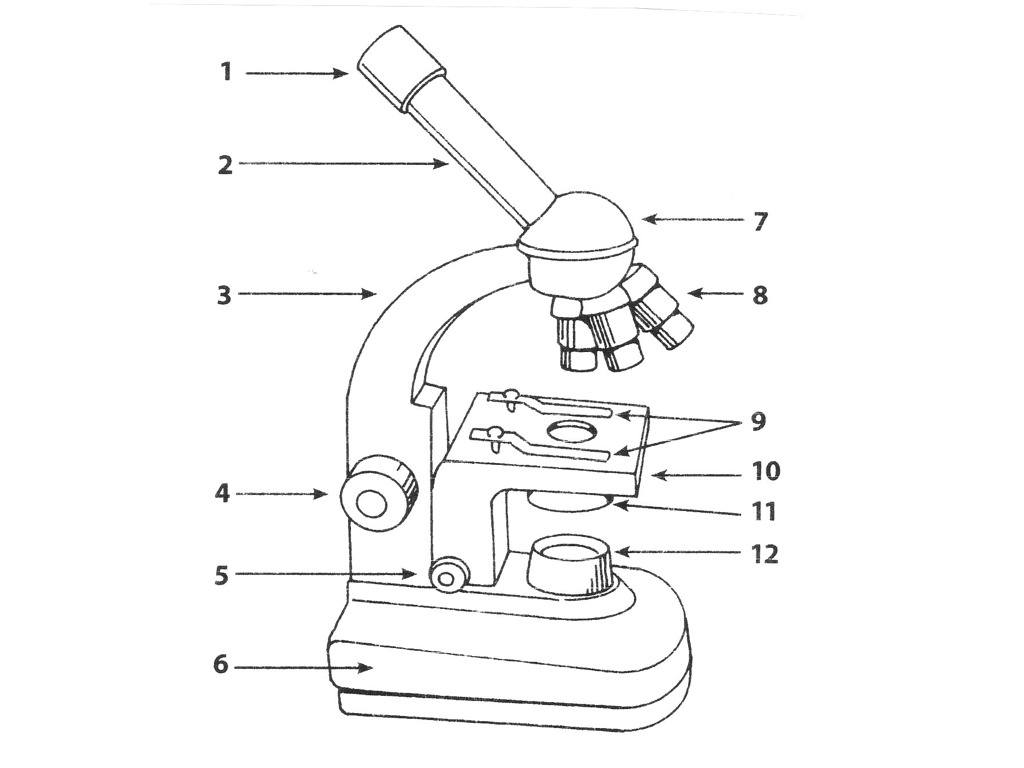


The greater the ___________________, the smaller the field you are actually viewing.
detail
objective
magnification
body

