
 Worksheets
S2 Forensics Part 1
Total questions: 72
Worksheet time: 55mins

MEMORIZE THIS IMAGE...
READY!
LET'S GO!
What is the colour of this flower?
yellow
blue
green
red

MEMORIZE THIS IMAGE...
READY!
LET'S GO!
What is the color of a car in this image?
Black
White
Blue
Red
MEMORIZE THIS IMAGE...
READY!
LET'S GO!
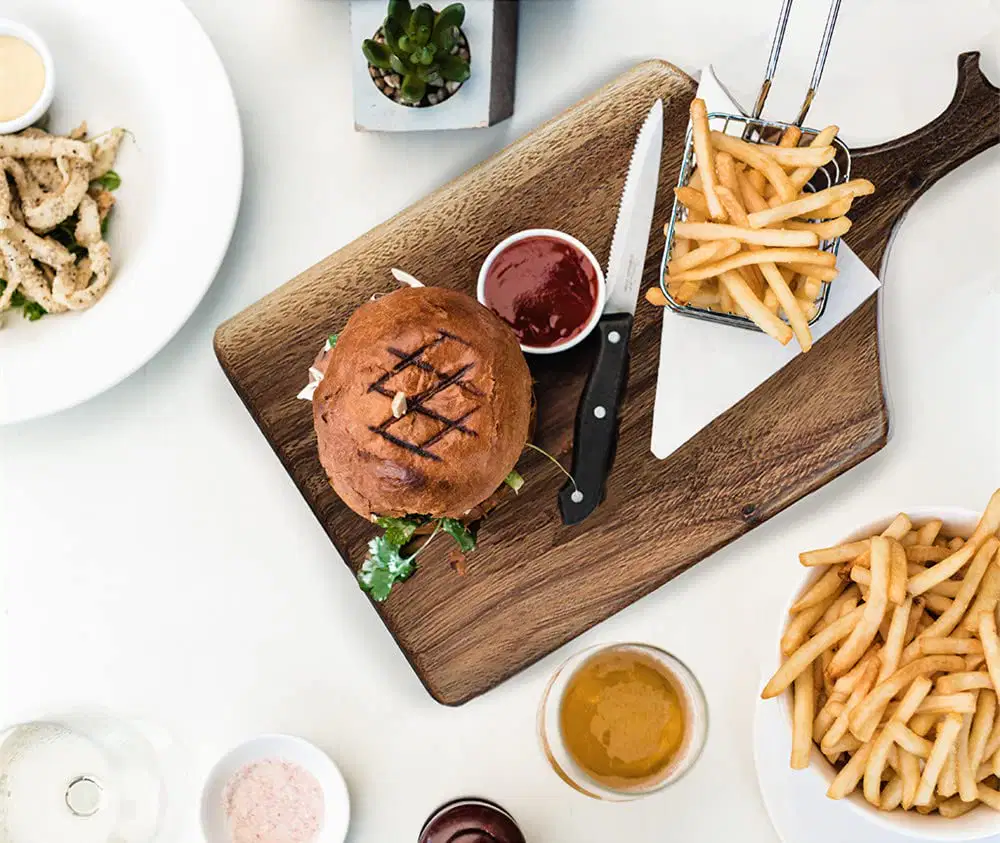
What colour was the knife handle?
Brown
Silver
Gold
Black

MEMORIZE THIS IMAGE...
READY!
LET'S GO!
What color are the flowers that grow on the lawn?
White
No flowers
Yellow
Red

MEMORIZE THIS IMAGE...
READY!
LET'S GO!
What color is the traffic light?
Black
Green
Yellow
Red

In reactions, products must be equal to..
Products
Reactants
Starters
Enders

This change is a
chemical reaction
physical change
musical change
all answers are correct

The reactants in the image above are:
CH4 and 2 O2
2 H2O and CO2
All of these are reactants
All of these are products
The products in the image above are:
CH4 and 2 O2
2 H2O and CO2
All of these are reactants
All of these are products
We know that there was a chemical reaction occurring when 2 clear liquids were mixed together. That is because we show the production of a _____________.
solid.
precipitate.
gas.
When zinc reacted with hydrochloric acid, what was the result of this reaction?
a white powder
a blue liquid
a brown precipitate
a gas
The result of the experiment between Iodine and Aluminum was the production of __________________.
clear liquid.
a white powder.
yellow precipitate.
bubbles.

A precipitate is a ___________ that forms when 2 liquids react together.
solid
liquid
gas
plasma
How is a chemical change different from a physical change?
there is no difference
a physical change creates a new substance
a chemical change creates a new substance


How many Hydrogens are on the product side of this chemical equation?
1
2
3
4
Complete the word equation for a chemical reaction.
reactants → .........................
reaction
chemicals
catalyst
products
Name the three states of matter
solid
liquid
fog
ice
water
steam
solid
liquid
gas
reactants
products
mass


Elements consist of only one type of what?
compound
atom
mixture
symbol
The symbol for carbon is?
Cu
Cr
C
Ca
When two or more different elements join together with a chemical bond, they are called ....
atoms
mixtures
elements
compounds
When different elements or compounds are combined but aren't joined with a chemical bond, they are called....
mixtures
products
molecules
atoms
The elements sodium and chlorine react together to produce what compound?
Sodium chlorine
chloride sodium
sodium chloride
chlorine sodium
The compound copper sulfate (CuSO4) contains how many of each element?
Cu = 0 S = 0 O = 4
Cu = 1 S = 1 O = 1
Cu = 4 S = 4 O = 4
Cu = 1 S = 1 O = 4
calcium carbonate (CaCO3) contains which elements?
Calcium
carbon
oxygen
all of the above
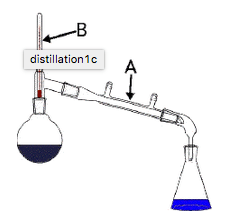
Distillation can used to separate out a mixture of a liquid and a dissolved solid (solution), for example getting pure water from sea water. It involves....
evaporation followed by condensation
condensation followed by evaporation
chromatography
filtration followed by condensation
Filtration is used to separate....
a solution from a solute
a solute from a solution
a soluble solid from a solution
an insoluble solid from a solution
Which statement is true?
Compounds are easily separated back into elements
Some mixture can be easily seperated
Magnesium + ________ --> magnesium oxide
What is missing?
Hydrogen
Sulphur
Oxygen
Oxide

Identify the product(s) in this word equation
Sodium
Sodium chloride
Sodium and Chlorine
Sodium and sodium chloride

What are the reactants in this word equation?
Carbon dioxide and oxygen
Carbon dioxide and water
Oxygen and glucose
Oxygen and water

In this chemical reaction zinc is a...
Product
Reactant
Neither

Magneisum reacts with oxygen to form magnesium oxide. The correct word equation is...
A
B
C
D
Identify the non-metal element in zinc chloride
Zinc
Chlorine
Zinc chlorine
zinc chloride
Identify the metal element in zinc chloride
Zinc
Chlorine
Zinc chlorine
zinc chloride
Identify the product when zinc and chlorine react together
Zinc
Chlorine
Zinc chlorine
zinc chloride

Which symbol shows a chemical reaction has occured?
A
B
C
D


Iron reacts with sulfur to produce iron(II) sulfide. Choose the correct word equation.
iron + solid → iron(II) sulfide
iron + sulfur → iron(II) sulfide
iron(II) sulfide + iron→ sulfur
sulfur + iron(II) sulfide → iron

Sodium + chlorine
sodium chloride
sodium hydroxide
sodium oxide
sodium
To separate a mixture of salt and water what separation method is used?
Filtration
Distillation
Chromatography
Evaporation to dryness

How would you separate the substances shown in the picture (oil and water)?
by sieving
by decanting
by distillation
by filtering
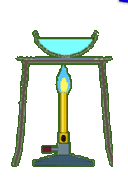
Dyes in a felt-tip pen may be separated by....
Distillation
Decanting
Chromatography
Centrifuge
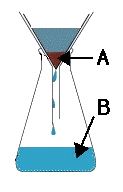
No matter what you do, sand will not dissolve in water, because sand is _________.
dissolved
soluble
insoluble
aqueous
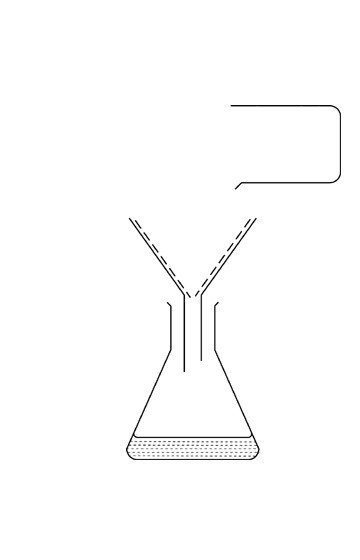
What is the name of this separation technique?
distillation
filtration
evaporation
chromatography
Charcoal powder is insoluble in water. When water is filtered, the charcoal powder becomes the _______.
solute
residue
filtrate
solvent

This process allows the fine flour particles to pass through the holes of the strainer while the bigger impurities remain on the strainer. What is this process called?
(a)

