
 Worksheets
Energy in Living Things
Total questions: 72
Worksheet time: 40mins
an organism that eats only animals
omnivore
carnivore
herbivore
energy pyramid
an organism that eats both plants and animals
omnivore
herbivore
food web
carnivore
an organism that eats only plants
food web
carnivore
omnivore
herbivore
the pathway of energy transfer as a result of the feeding patterns of organisms
food chain
food web
energy pyramid
herbivore
a diagram that shows the feeding relationships between organisms in an ecosystem
energy pyramid
food web
herbivore
food chain
Organisms that can make their own food from sunlight are called
decomposers
consumers
producers
carnivores
One food web arrow goes from a prairie dog to a coyote, showing that
the coyote is bigger
the coyote eats the prairie dog
the praire dog eats the coyote
the prairie dog is a producer
The decrease in the wolf population in Yellowstone National Park is an example of
how an energy pyramid works.
how abiotic factors effect animal populations.
how the availability of living resources affects all organisms.
how a food chain works.
An animal that hunts other animals for food
omnivore
consumer
predator
prey
The living components of an ecosystem
producer
biotic
abiotic
food chain
Break down and absorb nutrients from decaying organisms
prey
ecosystems
consumers
decomposers
An animal that is hunted and eaten by another animal
producer
consumer
predator
prey
Organisms that cannot make their own food. They eat other organisms to get energy.
consumer
predator
prey
omnivore
Animals that feed on herbivores, the primary consumers in a food web.
tertiary consumers
primary consumers
decomposers
secondary consumers
All of the living and nonliving things in an area that interact with one another.
food web
food chain
ecosystem
consumers
The non-living components or factors in an environment.
biotic
omnivore
prey
abiotic
An organism that can make its own food using sunlight and carbon dioxide.
biotic man
producer
consumer
Wish I could do this so I wouldn't get hungry!
Organisms that feed on producers
tertiary consumers
producers
decomposers
primary consumers
An animal that feeds on secondary consumers in a food chain.
secondary consumer
primary consumer
tertiary consumer
producer


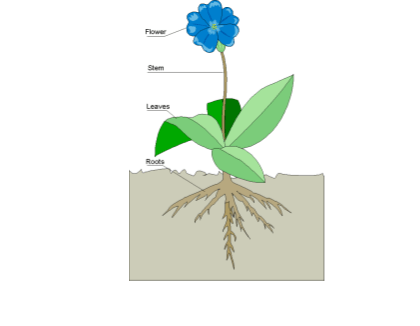


Which describes the relationship between plants and animals in the carbon cycle?
Plants produce and release oxygen that animals need
Plants produce and release carbon dioxide that animals need
Animals produce and release oxygen that plants need
Animals produce oxygen that plants turn into carbon dioxide
Which is a true statement?
Humans depend on oxygen, plants depend on carbon dioxide
Plants produce carbon dioxide
Humans depend on carbon dioxide, plants depend on oxygen
Humans don't depend on plants for the air they need
Plants use ____________ to make their own food
Water
Sunlight
Carbon dioxide
All of these
C6H12O6 is also known as glucose (sugar). Where is it found?
Plants
Animals
Both plants and animals
Neither plants or animals
Carbon molecules cannot be created or destroyed
True
False
Not enough information to answer
All of the carbon in existence is continually recycled in the carbon cycle.

The release in energy from the sugar that are in plant and animal cells is called...
photosynthesis
transpiration
cellular respiration
transition
Which of the following equation explains cellular respiration?
sugar+water -> salt+sunlight
sugar+oxygen -> water+carbon dioxide+energy
water+carbon dioxide+sunlight -> sugar+oxygen
Sugar+energy -> water+carbon dioxide+oxygen
Which of the following organelles is responsible for cellular respiration?
Mitochondria
Nucleus
Endoplasmic Reticulum
Ribosome
How can energy from the sun be transferred to animals?
The sun's energy is transformed into food by plants, animals eat plants as food so that they can transform that food into energy.
Plants produced energy through photosynthesis, animals that eat that energy can produce food.
Plants transformed energy of the sun into gases that animals can breath in to use as energy through respiration.
Animals are able to use energy from the sun by eating the plants that provides energy for the animals.
Where do animals get the oxygen and glucose they need for cellular respiration?
Plants
Mitochondria
Sun
other animals

