
 Worksheets
Unit 1 Test Review
Total questions: 70
Worksheet time: 58mins

What is an autotroph?
an organism that uses sunlight to make its own food
I have no idea!

An organism that gets energy from eating other organisms is a __________.
autotroph
heterotroph
I don't know! Should I know?


The original source of energy for a food web is...
plants
sun
producers
decomposers

In the food web shown, who is the secondary consumer?
grass
mouse
rabbit
fox
What does a primary consumer eat?
tertiary consumers
secondary consumers
producers
decomposers


Biotic factors in an ecosystem include...
people & animals
water resources
only members of the food chain
plants, animals, and other organisms

What does a decrease in the salmon population due to an increase in river temperature indicate?
an effect of predation
an unchanging biological community
an abiotic factor affecting a biotic factor
change in population but not in abiotic factors
The place where an organism lives is its:
home
territory
habitat
niche
An organism's role in its habitat is its:
job
niche
trophic level
purpose

An ecosystem consists of:
all of the biotic factors in a given area
the types of plants that inhabit a given area
abiotic factors such as the sun, salinity, temperature, and weather found in a specific area
all of the biotic factors and their interactions with the abiotic factors in a given area
Scientists have observed that different species of bats hunt insects at different times of night. Some of these bat species hunt insects high above lakes, and others hunt insects among the trees.
How does hunting at different times of night and at different locations most likely benefit the different bat species?
It prevents the bat species from breeding with each other.
It reduces competition among the bat species for food sources.
It protects the bat species from different types of flying predators.
It decreases the diversity of the insect populations bat species prey on.
Dandelions, common carpet grass, and grass burrs are all present in the same lawn. They all have access to the same soil nutrients and the same amount of water. All are striving to survive and reproduce. This is an example of:
Interspecific competition
Predation
Parasitism
Intraspecific competition
Competition between two or more species for the same resource
Intraspecific
Interspecific
Mutualism
Predation
A relationship in which one species benefits while the other is not affected.
Commensalism
Parasitism
Mutualism
Predation
An animal that hunts other animals for food
predator
parasite
prey
predation
An organism that is killed and eaten by another organism
commensalism
predation
prey
predator
What is species diversity?
The number or variety of species in the world or in a given area
Total genes in a population

Which community has higher species evenness?
Community A
Community B
Both Communities
Species richness is
a measure of how how close in numbers each species in an environment is
the total number of different species found in an ecosystem
Species with a lot of money!
I have no idea!
True or false: An ecosystem with high genetic diversity is healthier than an ecosystem with low genetic diversity.
True
False
I have no idea!

A relationship in which one organism
benefits and the other is harmed
Succession
Commensalism
Mutualism
Parasitism

Development of life in an area AFTER life was disrupted by humans or a natural disaster
Primary succession
Secondary succession
Pioneer species
Biomes

Development of life in an area where NO life was originally present
Primary succession
Secondary succession
Pioneer species
Biomes
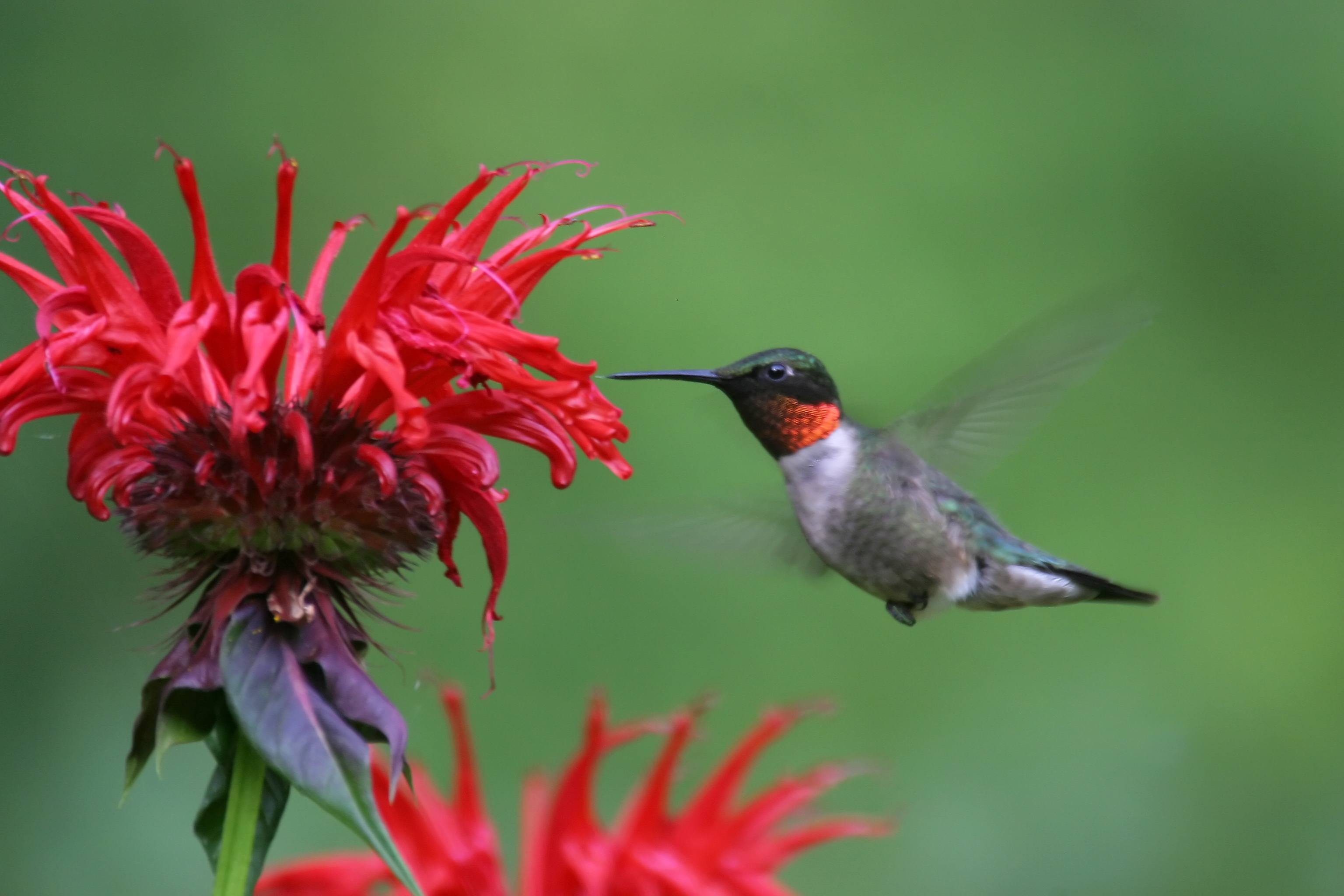
Hummingbirds feed on nectar from flowers. The flowers are pollinated by hummingbirds as they move from flower to flower. This is an example of
commensalism
mutualism
parasitism
predation
What prediction is correct about island biogeography?
Smaller islands have more resources, and will have more biodiversity
Larger islands have more space for resources, but will have less biodiversity due to competition
Islands closer to mainland will be more diverse due to more successful migration.
There is more diversity far away from the mainland because some species fly.
The theory of island biogeography suggests that species richness is affected by which of the following factors?
I. island distance from mainland
II. how the island is formed
III. island size
II only
III only
I and III
II and III
Speciation that occurs when populations are physically or geographically separated and there can be no interbreeding or gene flow between the populations
Sympatric speciation
Allopatric Speciation
Population bottleneck
Adaptive radiation
chaparral
Boreal Forest
Tundra
Deciduous Forest
Temperate grassland
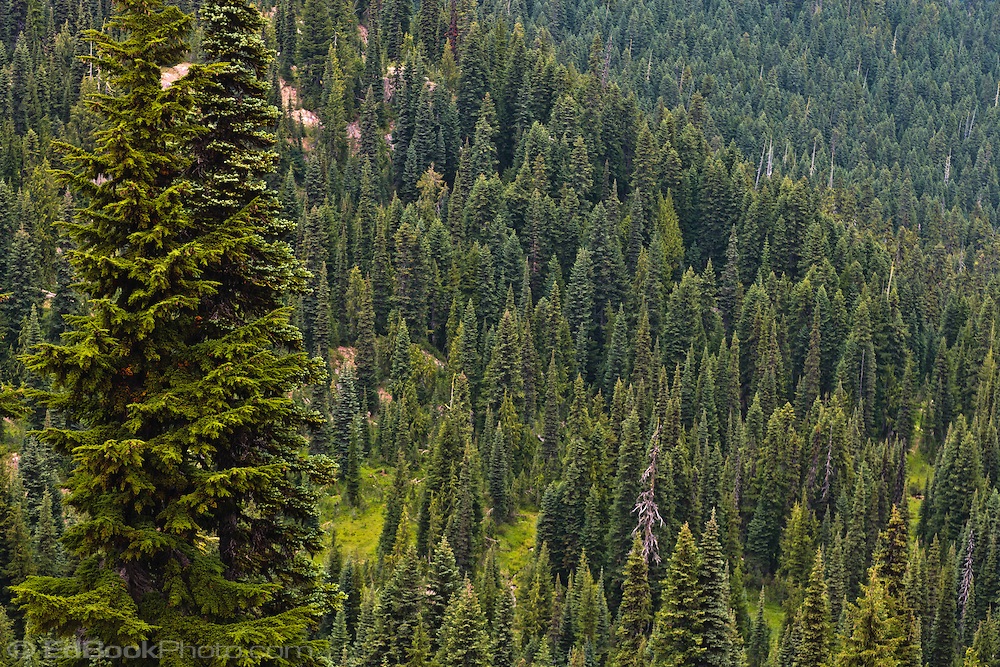
Which biome consists of very low precipitation and can be hot or cold?
savanna
tropical rainforest
tundra
desert
Which biome consists of diverse deciduous trees and has noticeable summers?
Taiga
Temperate forest
Tropical rainforest
Temperate grassland
Ecosystems found on marine shorelines alternating between high and low tide
Abyssal Zones
Coral Reefs
Intertidal Zones
Open Ocean
What are coral reefs often compared to?
forests
gardens
rainforests
deserts
The process that removes carbon from the atmosphere
Trees
Ocean
Converts nitrogen to ammonia
Nitrogen-fixing bacteria
Fungi
Rain
Nitrifying bacteria
Fossil fuels are part of the
Carbon Cycle
Oxygen Cycle
Nitrogen Cycle
Phosphorus Cycle
Where do we find the most nitrogen?
ocean
rocks and minerals
atmosphere
bacteria
By breathing
By eating other organisms
From rainwater
From lightning
Organisms that do not decompose can be buried and become
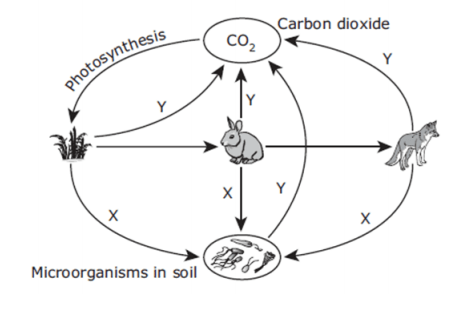
Y : Predation
Y : Decomposition
Y : Nitrogen Fixation
Y : Respiration
All answers are correct
I have no idea!
Decomposers make ammonium in the soil during the process of -
nitrification.
nitrogen fixation.
denitrification.
ammonification.
Select all answers below that are stages of the nitrogen cycle.
Nitrogen fixation
Diffusion
Ammonification
Nitrification
Which of these correctly shows the reservoirs where most of Earth's carbon atoms and nitrogen atoms are residing at any given time?


Too much nitrogen and phosphorus in bodies of water (rivers, lakes) can lead to _______.
eutrophication
photosynthesis
limiting nutrients
nitrification
_____ brings nitrogen and phosphorus into water.
Precipitation
Runoff
Transpiration
Condensation
Which nitrogen cycle process is occurring when plant roots absorb ammonium ions and nitrate ions for use in making molecules such as proteins?
nitrogen fixation
nitrification
ammonification
assimilation
The conversion of nitrates back to nitrogen gas is called _____
ammonification
denitrification
nitrogen fixation
decomposition
Burning fossil fuels coupled with deforestation increases the amount of _____ in the atmosphere
phosphorus
carbon dioxide
sulfur dioxide
all of these
Ammonium (NH4+) are converted to nitrate (NO3-) and nitrite (NO2-) through which process?
denitrification
nitrogen fixation
nitrification
ammonification
Which form of nitrogen is MOST usable to MOST plants?
nitrate
nitrogen gas
ammonium
ammonia
What is an independent variable?
What a scientist changes in an experiment to test their hypothesis
What scientist measure to see if it responded to a change
What happens when you do an experiment
What you keep the same throughout all experimental groups
What is an dependent variable?
What a scientist changes in an experiment to test their hypothesis
What scientist measure to see if it responded to a change
What happens when you do an experiment
What you keep the same throughout all experimental groups

At what temperature did bread mold the slowest?
20
40
60
80
What do all the biotic and abiotic factors in a given area make up?
a habitat
a community
an ecosystem
a population
Hummingbirds feed on nectar from flowers. The flowers are pollinated by hummingbirds as they move from flower to flower. This is an example of
commensalism
mutualism
parasitism
predation

If there is 2000 kcal of energy in this particular ecosystem, how many kcal of energy will be available for the hawk?
20 kcal
2 kcal
200 kcal
I have no idea!
Consumers that get their energy by feeding on the remains of other organisms.
consumers
omnivores
carnivores
detritivores

