
 Worksheets
Summative-Prokaryotes to eukaryotes protista
Total questions: 30
Worksheet time: 23mins
All answers listed below are true about bacteria except
all are prokaryotes
all are harmful
all are unicellular
they do not have nucleus
What material is found in most bacterial cell walls?
Cellulose
Chitin
Peptidoglycan
Amylose
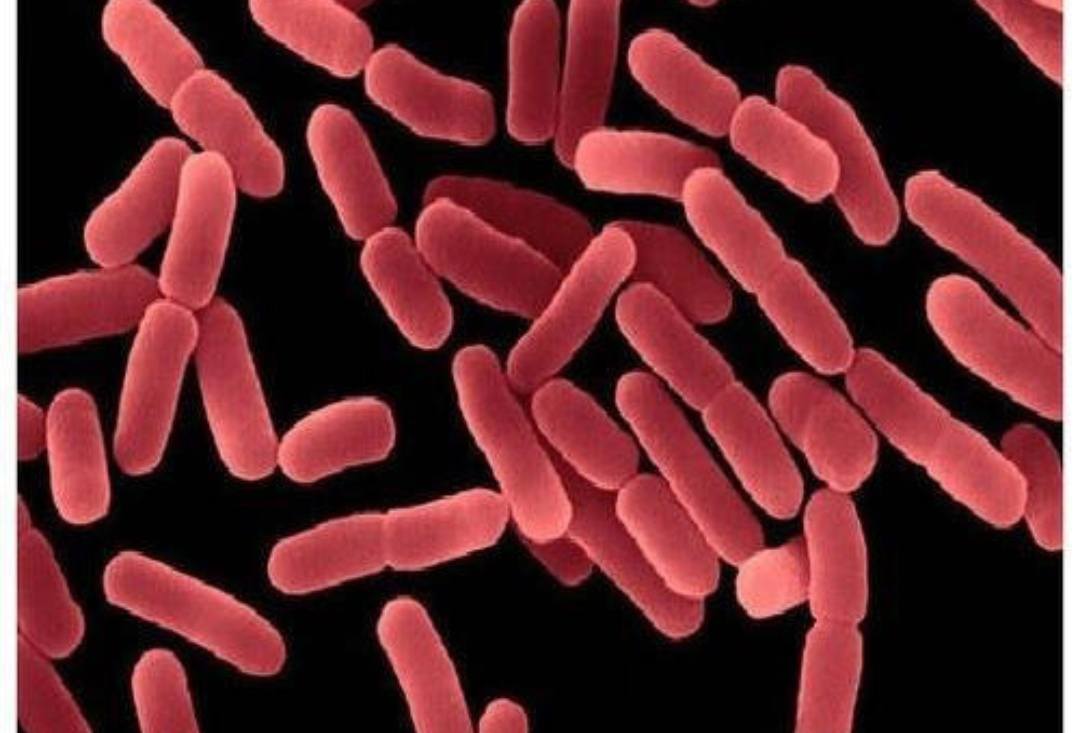
A rod-shaped bacteria is called
spiral
bacillus
coccus
vibrio
Bacteria and Archaea are both prokaryotes. How do they differ to each other?
Bacteria inhabit extreme environment while Archaea inhabit diverse environment.
Bacteria inhabit diverse environment while Archaea inhabit extreme environment.
Both inhabit diverse environment.
Both inhabit extreme environment.
Prokaryotes are differentiated from eukaryotes by
lacking of true nucleus and cytoskeleton
lacking of membrane bounded organelle
the flagella do not show 9+2 microtubule arrangement
All choices are true.
Endosymbiotic Theory is the idea that ______ cells could have evolved from_____cells
prokaryotic, eukaryotic
eukaryotic, animal
prokaryotic, plant
eukaryotic, prokaryotic
Both prokaryote and eukaryotes have a cell membrane
True
False
Only eukaryotes have a membrane
Only prokaryotes have a membrane
Which of the following statements are TRUE about organisms in the Domain Bacteria?
I. Consist of bacteria and cyanobacteria
II. Some are photoautotrophs
III. Genetic material is a single stranded DNA
IV. Organelles are not present
I and II
I, II and III
I, II and IV
I, II, III and IV
Symbiosis means
Feeding off of something
Using something for its ATP
Living in harmony
Producing sugars
In Endosymbiotic theory, the early bacteria that could make its own energy evolved into _________.
Mitochondria
Chloroplast
ATP
ADP
In endosymbiotic theory, the early bacteria that could perform photosynthesis evolved into _________.
Mitochondria
Chloroplast
ATP
ADP
Evidence for endosymbiosis includes
Mitochondria and Chloroplast are the same color
Mitochondria and Chloroplast are the same size
Mitochondria and Chloroplast are the same structure
Mitochondria and Chloroplast have the same pH
Evidence for endosymbiosis includes
Mitochondria and chloroplast have their own Lysosomes
Mitochondria and chloroplast have their own vesicles
Mitochondria and chloroplast have their own RNA
Mitochondria and chloroplast have their own DNA

The letter C is the ________
fine adjustment knob
eye piece
stage
objective lens

Letter A is the _______
slide clip
coarse adjustment knob
eye piece
objective lens

The letter D represents the__________
eye piece
stage
coarse adjustment knob
fine adjustment knob
If the eyepiece has a magnification of 10x and the objective lens we are using has a magnification of 4x, what is the total magnification?
40x
400x
4x
4000x
Which piece revolves to change the objective lenses?
eyepiece
stage
diaphragm
nosepiece
This part connects the eyepiece to the nosepiece.
arm
stage
body tube
diaphragm
How do you properly hold a microscope?
from the objective lenses and eye piece
from the stage and eye piece
from the base and the arm
from the stage and objective lenses
It is a salt loving group of archaeans.
Halobacterium
Extremophile
Sulfolobales
Thermophile
.
Which of the following, found ONLY in plant cells, provides structure?
cell wall
vacuole
mitochondria
chloroplast
Breaks down sugar molecules into energy (ATP)
Nucleus
Cell membrane
Mitochondria
Golgi bodies
Which of the following is the function of Chloroplast?
Make food for the cells
Keep all the organelles within the cell
Protect the cell and give it support
Make energy for the cell
The control center of the cell. It houses DNA.
nucleus
cytoplasm
mitochondria
cell membrane
What is the Scientific Name of Petchay?
Brassica rapa
Blumea balsamifera
Mimosa pudica
Colocasia esculenta
Colocasia esculenta is the scientific name of ________________
Narra
Taro leaves
Tarsier
Mahogany
Artocarpus heterophyllus is the Scientific name of_________
Langka
Cotton fruit
Star fruit
Papaya
What is the Scientific Name of Makahiya?
Helianthus annuus
Mimosa pudica
Lansium domesticum
Brassica rapa
Kalanchoe pinnata is the Scientific name of ________
wonder plant
Shame plant
Santan
Oregano

