wayground logo

Free Printable Worksheets

NEW

Font size

S
M
L
XL
Worksheets

Unit 2 Review

Total questions: 41

Worksheet time: 14mins

Name
Class
Date
1.

Body cells are also called _________ cells.

a)

normal

b)

prokaryotic

c)

pathogens

d)

somatic

2.
Any change in the DNA is called a/an
a)
mistake
b)
exon
c)
mutation
d)
intron
3.

This is a picture of a(n)

a)

animal cell

b)

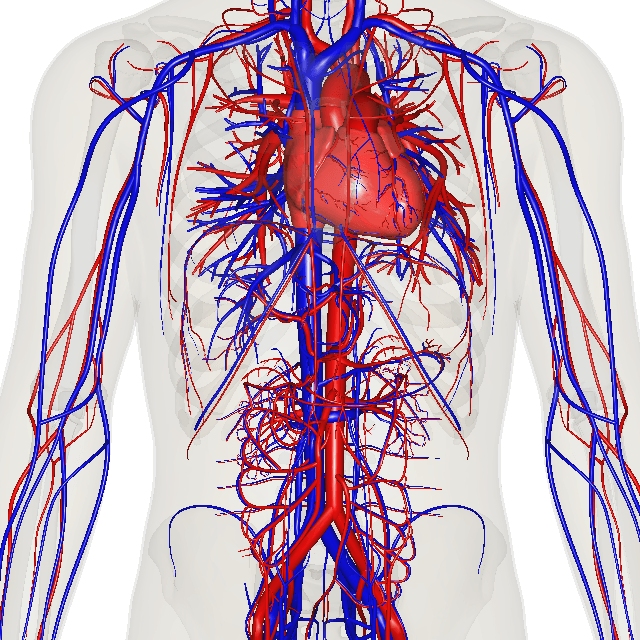
plant cell

4.

Where do the leaves and stems of plants get their green color from?

a)

glucose

b)

oxygen

c)

carbon dioxide

d)

chlorophyll

5.
The products of cellular respiration are
a)
carbon dioxide, water, energy
b)
oxygen and sugar (glucose)
6.
The process by which sugar is converted into energy (ATP) by living organisms is called
a)
photosynthesis
b)
cellular respiration
7.
Heredity is the passing of traits from _____________________ to _____________________
a)
predators to prey
b)
water to rain
c)
parents to offspring
d)
fungi to protists
8.
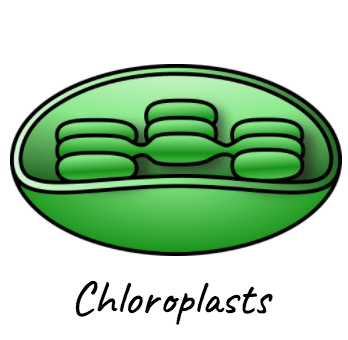
Chloroplasts are...
a)
A type of pigment used for photosynthesis
b)
The location inside a plant cell where photosynthesis happens
c)
The location where cellular respiration happens
d)
Green beans
9.
A permanent change in DNA is called what?
a)
Genetic disorders
b)
Mutation
c)
Gene Expression
d)
Mutagen
10.

Plant cells have these to provide support for plants, since plants don’t have bones.

a)

cell membranes

b)

cell walls

c)

nucleus

d)

cytoplasm

11.
What cell part is NOT found in all cells?
a)
Cell Wall
b)
Cell Membrane
c)
Cytoplasm
d)
Genetic Material
12.

Where is the main site of photosynthesis on a plant?

a)

Stem

b)

Leaves

c)

Petals

d)

Pollen

13.
Which is true about DNA?
a)
Only animals have DNA in their cells
b)
DNA research is simple and quick
c)
DNA contains many genes
d)
None of the above are true.
14.
ATP is...
a)
A form of energy the cell can use that is produced by cellular respiration
b)
A kind of sugar produced in photosynthesis
c)
A battery
15.

What are the 3 reactants of photosynthesis? The reactants are the things needed for photosynthesis to occur.

a)

oxygen, glucose, sunlight

b)

sunlight, oxygen, water

c)

water, oxygen, carbon dioxide

d)

carbon dioxide, sunlight, water

16.

What are the 2 products of photosynthesis? The products are the things made in the process of photosynthesis.

a)

water, sunlight

b)

glucose, carbon dioxide

c)

oxygen, glucose

d)

sunlight, oxygen

17.
DNA is inside your cells. What part of the cell is the DNA inside of?
a)
cell membrane
b)
cytoplasm
c)
nucleus
18.

DNA coils up into threadlike structures called______.

a)

traits

b)

chromatin

c)

chromosomes

d)

cells

19.
Chromosomes contain what?
a)
DNA
b)
RNA
c)
FBI
d)
GNC
20.

What organelle is called the "powerhouse" of a cell?

a)

Endoplasmic Reticulum

b)

Nucleus

c)

Mitochondria

d)

Nucleolus

21.

True or False: Plants make their own food and use the energy from the food that is made.

a)

True

b)

False

22.
True or False? The passing of traits from one parent to offspring is heredity.
a)
False
b)
True
23.
The two kinds of cells are Prokaryotes and Eukaryotes. How are they different?
a)
Prokaryotes have a nucleus.
b)
Eukaryotes have a nucleus.
c)
Prokaryotes are plant cells.
d)
There is no difference.
24.

Where do plants get the energy for photosynthesis to take place?

a)

nutrients in the soil

b)

the sun

c)

chlorophyll

d)

bee pollination

25.

Like a protective door, this lets good stuff enter the cell and bad stuff exit the cell.

a)

cell wall

b)

cell membrane

c)

lysosome

d)

cytoplasm

26.

What two organelles do plant cells have that animal cells do not?

a)

chloroplasts and cell walls

b)

chloroplasts and cell membranes

c)

cell walls and cell membranes

d)

chloroplasts and nucleus

27.
The traits of an organism are passed to its offspring on small coded strands of DNA material called
a)
meiosis
b)
recessive traits
c)
genes
d)
heredity
28.
Why are your chromosomes arranged in pairs?
a)
Scientists have no idea
b)
Because you get one from your mom and one from your dad
c)
Because pairs can divide easier
d)
Because DNA is awesome
29.
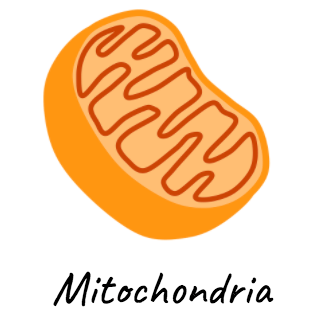
What is the name of the structure shown in the diagram where cellular respiration takes place?
a)
Chloroplast
b)

Mitochondria

c)
Nucleus
d)
Vacuole
30.

All of these statements are part of cell theory, EXCEPT

a)

All living things are composed of cells

b)

Cells are the basic unit of structure and function

c)

New cells come from existing cells

d)

Cells are really small

31.

The presence of which of the following characteristics differentiates prokaryotic and eukaryotic cells?

a)

DNA

b)

Ribosomes

c)

Nucleus

d)

Cytoplasm

32.

Which best describes the cell pictured?

a)

Animal Cell

b)

Plant Cell

33.
What is the relationship between DNA and chromosomes?
a)
Chromosomes are made of DNA
b)
DNA is made of chromosomes
c)
DNA and chromosomes are the same thing.
d)
All of the above are correct
34.
Mitochondria are...
a)
The location in cells where photosynthesis happens
b)
Kidney beans
c)
The location in cells where cellular respiration happens
d)
A type of pigment used for cellular respiration
35.

What are the levels of organization in correct order?

a)

Cells, Tissues, Organism, Organ System, Organ

b)

Organism, Organ, Organ System, Tissues, Cells

c)

Cells, Tissues, Organ, Organ Systems, Organism

d)

Cells, Organ, Organism, Tissues, Organ Systems

36.

Organisms that use energy from the sun to make their own food are called

a)

carnivores.

b)

consumers.

c)

omnivores.

d)

producers.

37.

In which organelle does photosynthesis occur?

a)

Cell Wall

b)

Chlorophyll

c)

Chloroplast

d)

Cytoplasm

38.
The basic unit of structure and function for the body.
a)
cell
b)
atom
c)
organelle
d)
nucleus
39.
An organism made of one cell is called
a)
unicellular organism
b)
multicellular organism
40.
This is a example of ........
a)
organ
b)
organ system
c)
tissue
d)
cell
41.

Which cell organelle is only found in plant cells?

a)

Cell Membrane

b)

Chloroplasts

c)

Cytoplasm

d)

Ribosomes