
 Worksheets
MP2 Midterm Exam Review #1
Total questions: 35
Worksheet time: 9hrs 45mins
Which action could humans take to slow the rate of global warming?
Cut down trees for more efficient land use.
Increase the consumption of petroleum
products.
Use alternate sources of energy such as wind.
Reduce the use of fuel-efficient automobiles.
The primary cause of invasive species introduction is
too much food
human actions
weather events
asteroids
Which list contains only abiotic conditions that might be found in a pond ecosystem?
temperature of the water, green plant populations, dissolved minerals in the water
temperature of the water, dissolved oxygen in the water, dissolved minerals in the water
bacteria, dissolved minerals in the water,
temperature of the water
dissolvedoxygeninthewater,fishpopulations,
insect populations

A ski resort installed a wind turbine similar to those represented below to supply some of its energy needs. This turbine was most likely installed because wind power is:
Renewable and does substantial damage to the atmosphere.
Renewable and does minimal damage to the atmosphere.
Nonrenewable and does substantial damage to the atmosphere.
Nonrenewable and does minimal damage to the atmosphere
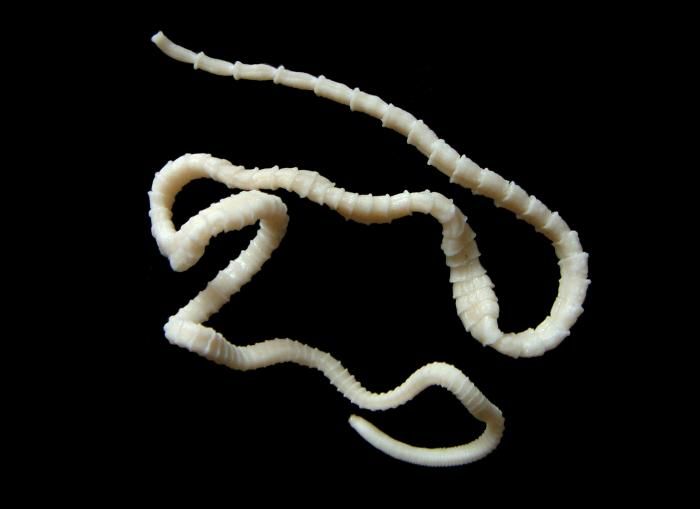
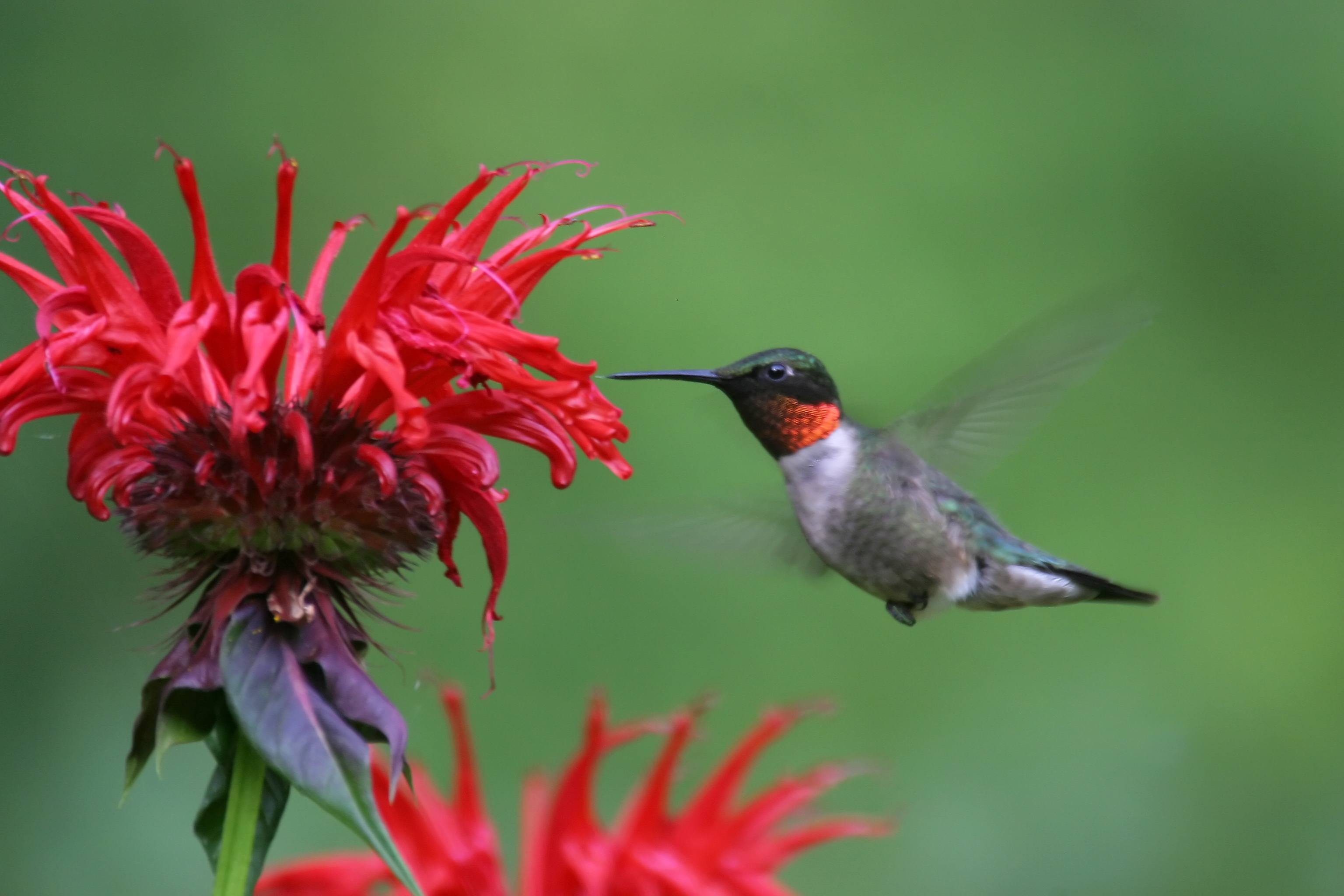
This is any close relationship between any two different species in an ecosystem
symbiosis
parasitism
mutualism
commensalism
Both species benefit
symbiosis
parasitism
mutualism
commensalism
Barnacles create home sites by attaching themselves to whales. As the barnacle is a filter feeder, it also gets access to more water (and more food) due to the relationship. Whale is unaffected.
symbiosis
parasitism
mutualism
commensalism
Biodiversity
The flow of energy patterns involving the feeding relationships
between producers and consumers in a community
The total number of animal and plant species in an ecosystem.
The living components of an ecosystem.
The nonliving, physical factors that affect the living components in an
ecosystem.
Which model below correctly represents the flow of energy in a food chain?
plants --> insects --> salmon --> bears
insects --> plants --> bears --> salmon
bears --> salmon --> insects --> plants
salmon --> bears --> plants --> insects

The food web below shows some of the feeding relationships among organisms in Arctic waters.
Which organisms would receive the least amount of total energy available?
seals
shrimp
baleen whales
toothed whales

The figure below shows a food chain that might exist in a meadow.
What would happen if the frog population decreased?
the snakes would have less to eat and the owls would eventually have less to eat
there would be fewer beetles
the plants would increase in number
owls would start eating beetles

Only part of the energy in one trophic level gets passed to the next level. In any energy pyramid, about _____________ is passed from level to
25%
10%
30%
50%
2. Which biomolecules contains your genetic information?
Proteins
Lipids
Carbohydrates
Nucleic Acids
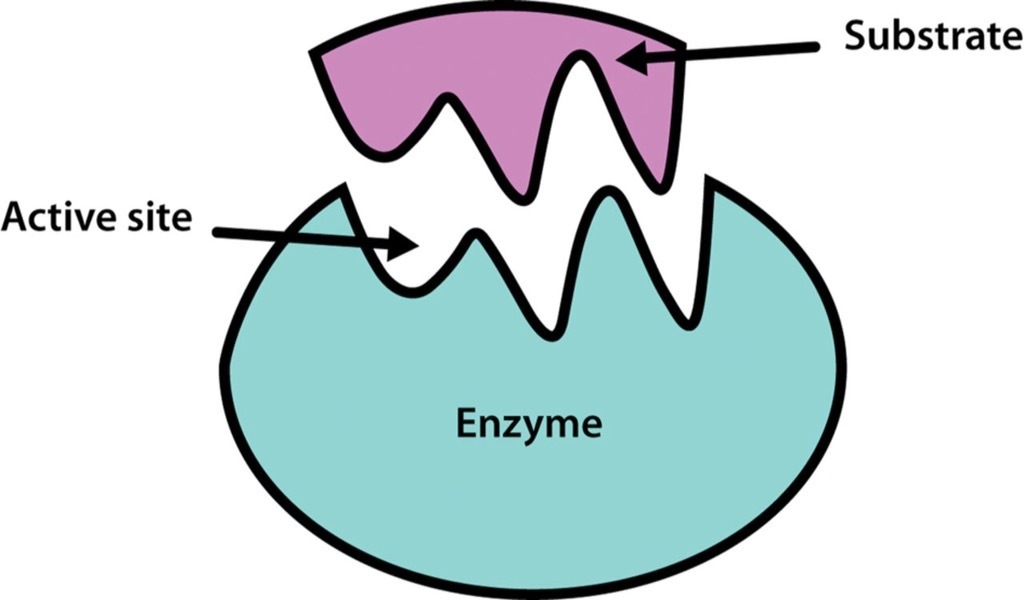
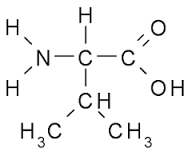

Which biomolecule makes up cell membranes?
Protein
Carbohydrate
Lipid
Nucleic acid
Which of the following elements are found in all macromolecules? (Select all that apply).


What does the x-axis measure?
Time (minutes)
Distance in City Blocks
Length of Stride
Speed of Walking
What does the y-axis measure?
Time (minutes)
Distance in City Blocks
Length of Stride
Speed of Walking
Hint: It may change as a result of your testing.

X axis is the _________ variable. This is the variable you, the scientist, controls.
independent
dependent
controlled
changing
Francis was recording plant heights for an experiment. Each time that she took a measurement, she wrote it down. Then, she measured the plant again and compared the new measurement to the one that she had recorded in her notebook. What was she most likely trying to do?
revise her hypothesis
check her memory
make the data more valid
form a conclusion
check her memory
make the data more valid
form a conclusion
What is the best definition of a conclusion?
a written description of events that occurred during an experiment
an act of recognizing and noting an occurrence by using the senses
a possible explanation of a scientific question based on observation
an explanation that uses data to support or reject a hypothesis
What is the chemical symbol of water?
H2O
CO2
O2
N2
What about the chemical structure of water causes many of the critical properties that support life on Earth?
Hydrogen Bonds
Cohesive behavior
Polarity
Expansion Upon Freezing

What characteristic is shown in the image?
Polarity
Hydrogen Bonds
Cohesion
Adhesion
What property of water allows for water to act as a temperature regulator for the world?
Cohesive Behavior
Expansion Upon Freezing
High Specific Heat
Universal Solvent



