
 Worksheets
Unit 3 Review
Total questions: 51
Worksheet time: 29mins
A __ mixture is a mixture in which the composition is not uniform throughout the mixture.
element
homogenous
heterogenous
compound
Which of the following is a homogeneous mixture?
sand in a bottle
lemonade
Mercury
salad
How many atoms are present in one molecule of glucose, C6H12O6
3
12
24
4
An element is a ___ that cannot be separated into simpler substances by physical or chemical means.
pure substance
mixture
solution
compound
__ is a pure substance containing two or more kinds of atoms.
Element
compound
mixture
solution
Water is made up of hydrogen and oxygen, two elements that were chemically combined. This makes water a(n)
atom
compound
element
mixture

What is an element?
A substance that is made up of one type of atom and can't be reduced to simpler substances.
A substance made of two or more different atoms chemically bonded to one another. They can only be destroyed by chemical processes.
A material containing two or more elements or compounds that are in close contact and are mixed in any proportion. They can be separated by physical means.
Which of the following is an example of an element?
Cu (copper)
H20 (water)
cereal
CO2 (carbon dioxide)

Which letter represents a mixture?
D
G
E
A
[check all that apply] Pure substances include:
Elements
Homogeneous Mixtures
Compounds
Heterogeneous Mixtures
An element is?
Chemically combined
Pure substances that can be broken down
Pure substances that cannot be broken down into simpler substances
One or more elements chemically combined.
The properties of a compound are different from the elements that make them up.
True
False
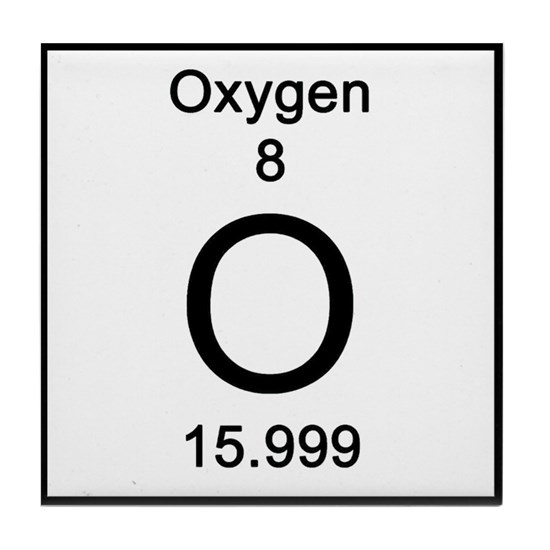
Oxygen is a
Element
Compound
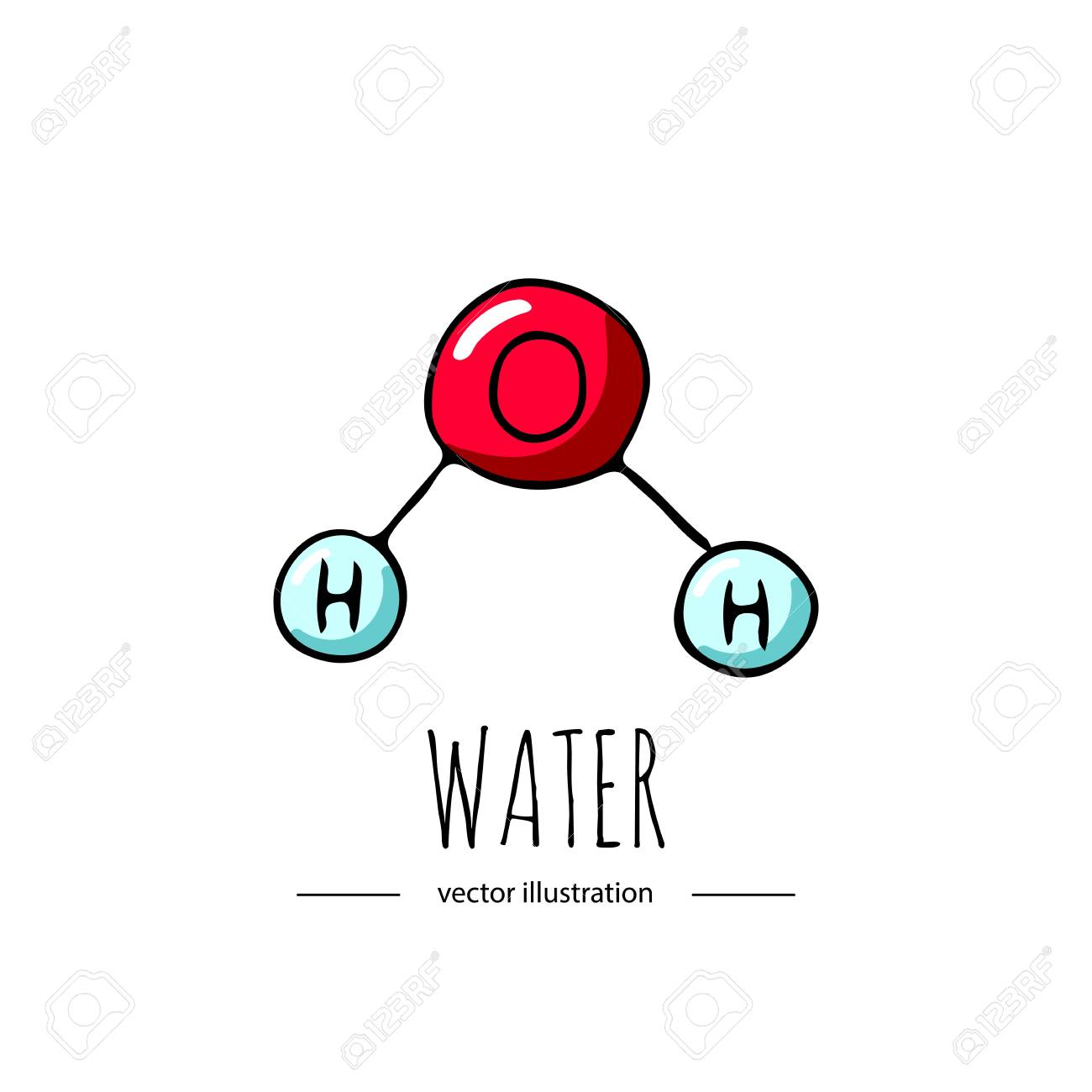
Water (H2O) is a
Element
Compound
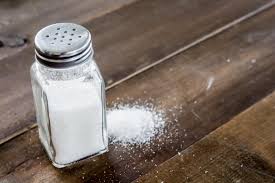
Salt (NaCl) is
Mixture
Compound

Saltwater is
Mixture
Compound

Chicken noodle soup is
Homogeneous mixture
Heterogeneous mixture



Which is the stronger acids ?
pH 1
pH 8
pH 13
pH 7
Which of the following is an acid ?
Shampoo
Baking soda
Orange juice
Water
Value from 0-14 that determine the acidity of a solution
pH scale
Base
Number line
Acid
Pure water has a pH of 7
is a base
is a neutral substance
is an acid
could be either an acid or a base
What is the range of pH values in an acidic solution?
pH = 7
7-14
0-7
0-14
Turns litmus red
Acids
Bases
All
Which has a pH below 7?
Acid
Base
What colour does a base turn red litmus paper?
Red
Blue
Which has a slippery texture?
Acid
Base
Tastes Sour
Acids
All
Bases
Salts
A chemical change is a change in
an item's properties such as size, shape, density
an item that creates a new substance, releases light or heat
an item's sound
an item's look or state of matter
A physical change is a change
in an item's properties like its shape, size or density.
that creates a new substance or emits light or heat
that creates a smell
that cannot be undone
Identify the change:
Glass breaking
Physical
Chemical
Identify the change:
Wood burning
Physical
Chemical
Bending metal
Physical Change
Chemical Change
Boiling Water
Physical Change
Chemical Change
Ice cream melting
Physical Change
Chemical Change
A Candle Burning
Physical Change
Chemical Change
Condensation on a glass
Physical Change
Chemical Change
Is a rusting bicycle a chemical or physical change?
When salt dissolves is water, that is a _____.
The Law of Conservation of Mass States
Energy cannot be created nor destroyed, it can only change form.
Mass cannot be created nor destroyed, it can only change form.
Mass can be created or destroyed, it cannot change form.

Which of the models of a chemical reaction best represents the Law of Conservation of Mass?
A
B
C
D
A student heated a 10 gram sample of a chemical in an open container. A chemical reaction occurred, and the mass of the sample was measured again. The mass of the sample was found to be less than before the reaction. Which of the following best explains the decrease in mass of the sample?
The heat caused the chemical to become less dense.
The reaction gave off more heat than was added.
Some of the lighter particles were destroyed.
Some of the particles escaped as a gas formed.
True or False
The mass of the reactants in a chemical equation must equal the mass of the products.
True
False

