
Font size
 Worksheets
Year 7 Textiles Autumn 2023
Total questions: 35
Worksheet time: 18mins
Where do Linen fibres come from?
Plants
Animals
Coal / oil
Trees
Where do cotton fibres come from?
Plants
Animals
Coal / Oil
Trees
Where do silk fibres come from?
Plants
Animals
Coal / oil
Trees
Where do Wool fibres come from?
Plants
Animals
Coal / oil
Trees
Where do polyester fibres come from?
Plants
Animals
Coal / oil
Trees
Where do acrylic fibres come from?
Plants
Animals
Coal / oil
Trees
Where do viscose fibres come from?
Plants
Animals
Coal / oil
Trees
In textiles, what is a fibre?
Very, thin hair like strands that get spun into yarn.
A type of fabric that is very warm to wear
A tool we use to sew.
A type of plant
What is the correct order for making fabric?
Fabric > Yarn > Fibre
Fibre > Yarn > Fabric
Yarn > Fabric > Fibre
Yarn > Fibre > Fabric
When discussing fabrics, what is a property?
What a fabric is like. E.g. How it feels, looks and acts.
How a fabric is made
Where the fibres come from. E.g. from animals.
What the fabric is made into. E.g. A shirt or hat.
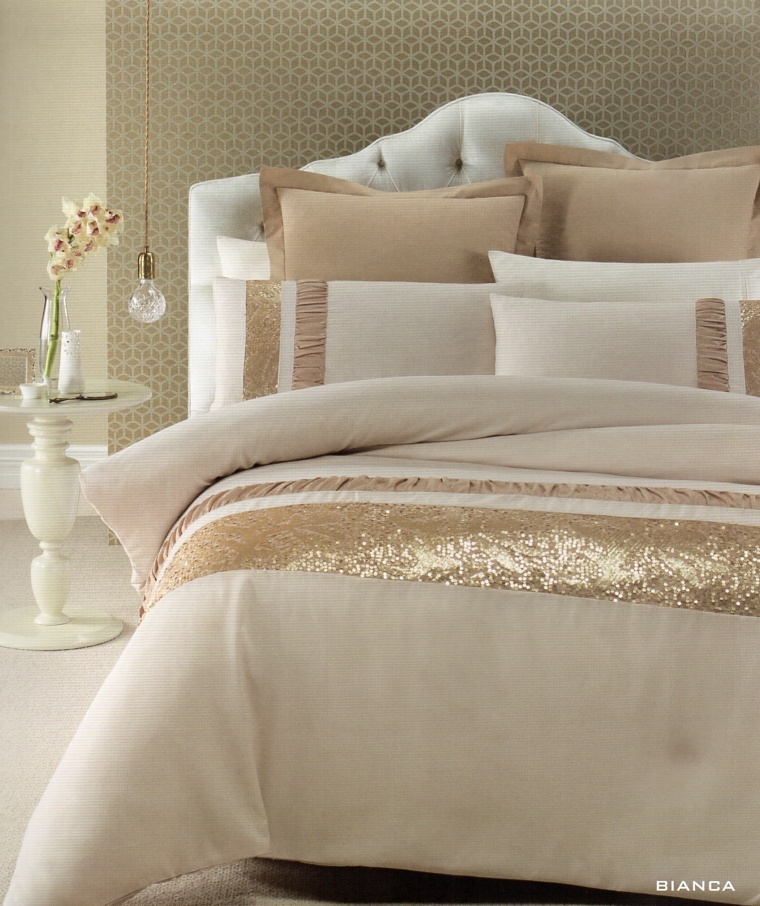
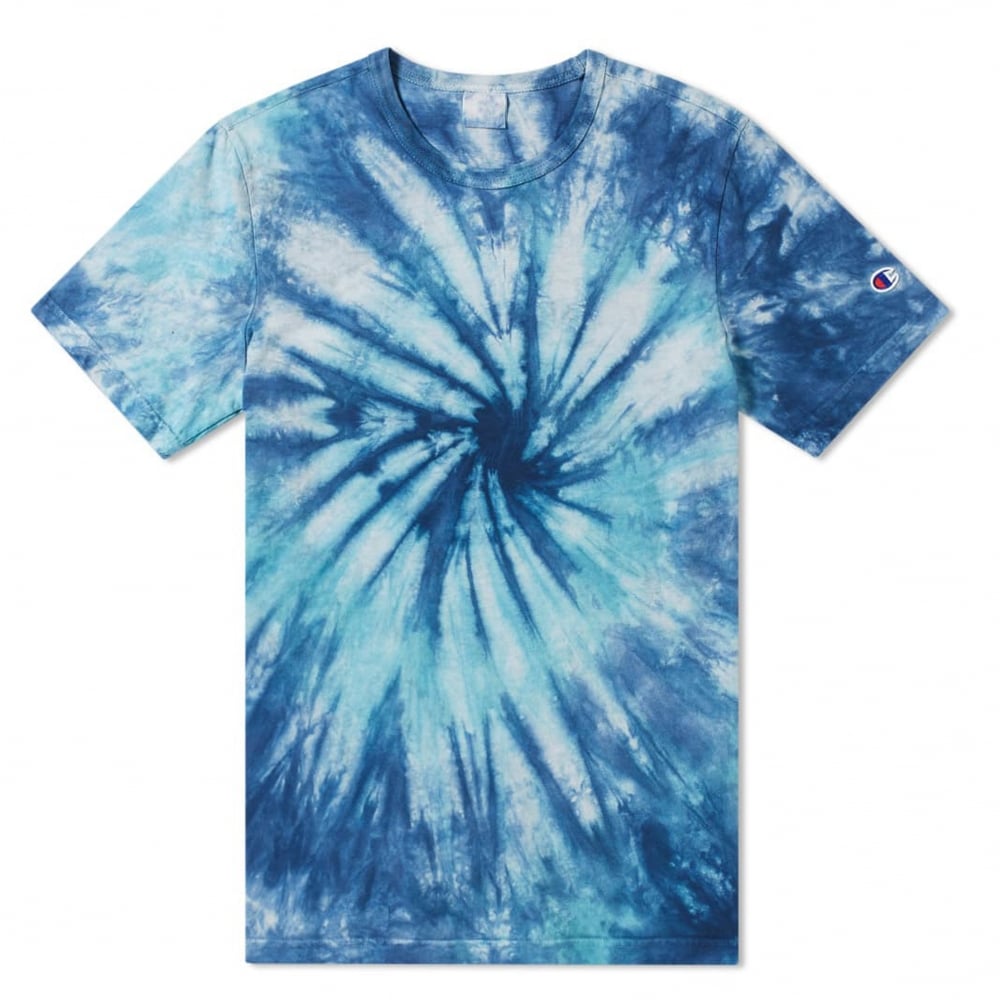
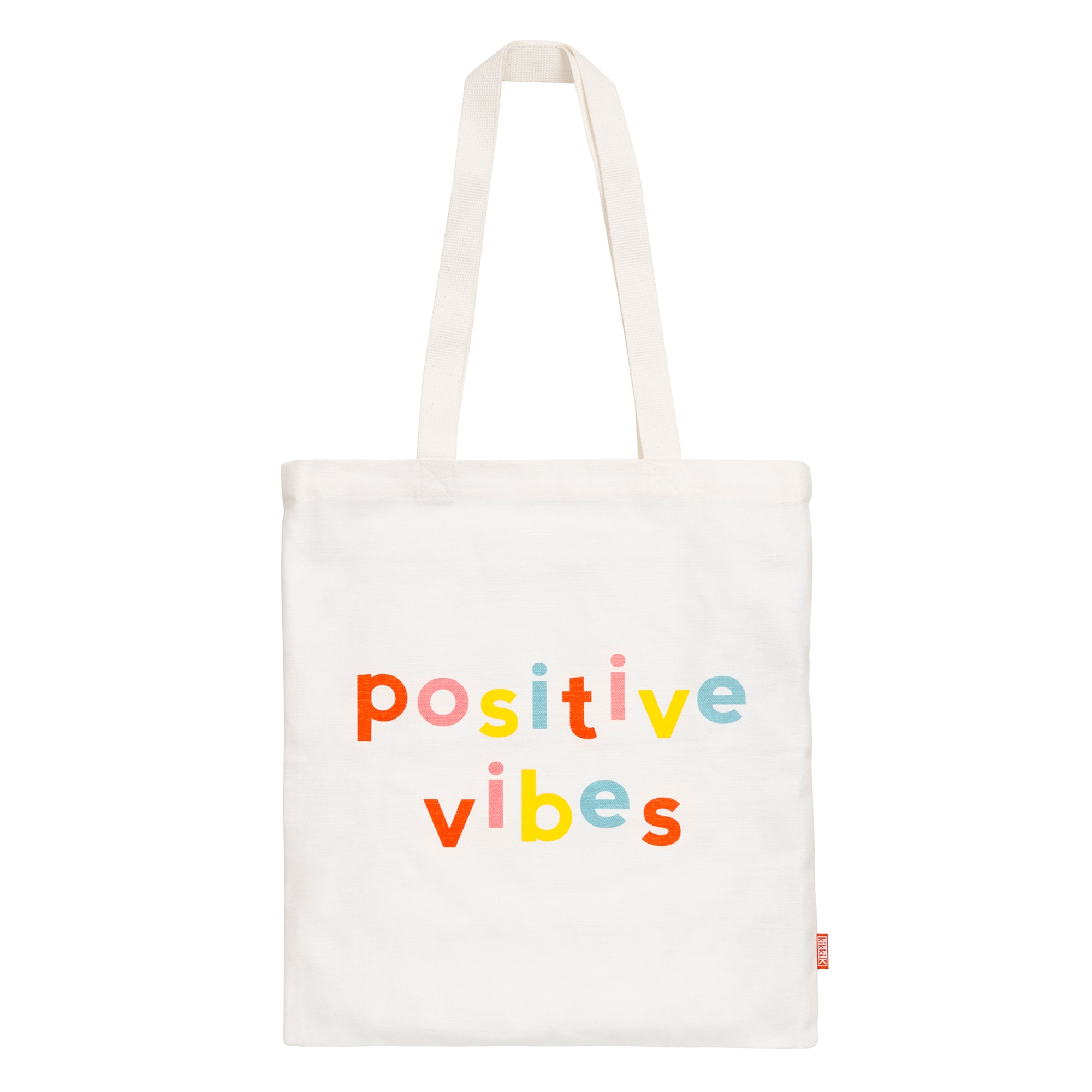
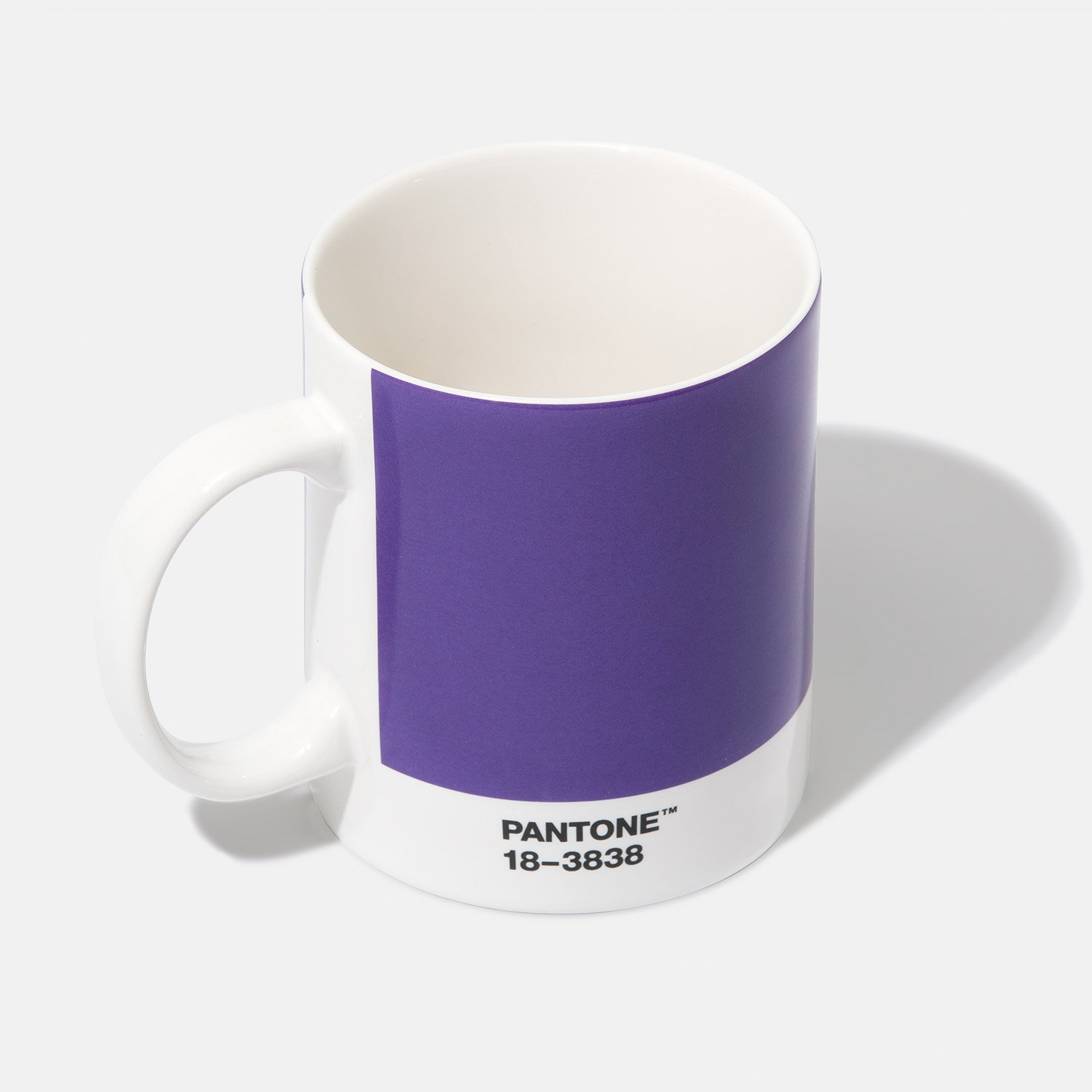
Select all of the images that show textiles products.

To create stitches by hand you need
A needle and thread
A needle and string
A needle and fred
String and a pin

What is this tool?
Unpicker
Needle threader
Stitch extractor
Crochet hook
What are pins used for?
To decorate the surface of the fabric.
To undo stitching that has gone wrong.
To sew layers of fabric together by hand.
To hold layers of fabric in place while you sew.
Select ALL the textiles products


Which of the following is a component used in textiles
pins
embroidery thread
fabric scissors
sewing machine
Which of the following is a tool used in textiles?
buttons
zip
needle
embroidery thread

What is this?
Embroidery hoop
Hat ring
Needle threader
Tape measure

What is this?
Needles
Unpickers
Pins
Points

What is this?
Thread clipper
Wire unpicker
A metal toggle
Needle threader

What is this?
String
Wool
Thread
Fibre

This is a fine, lustrous (shiny) fibre that comes from a cocoon spun by a worm.
Flax
Silk
Acrylic
Cotton
Natural fibers come from where?
Grass clippings
Wool products
Chemicals
Plants and animals
A clothing item made from cotton is
A wedding dress
A school blazer
A pair of jeans
A Christmas jumper
A clothing item made from wool would be
A wedding dress
A school blazer
A pair of jeans
A Christmas jumper
A clothing item made from polyester would be
A wedding dress
A school blazer
A pair of jeans
A Christmas jumper
This fabric can be made from recycled plastic bottles.
Nylon
Cotton
Polyester
Viscose
Textile fibres are spit into two main categories:
Natural and Man-made (synthetic)
Animals and trees
Old and new
Thick and thin
What does the word synthetic mean when talking about fabrics?
The fabric is from a natural source
The fabric is man made
The fabric is light weight
The fabric contains metal
Which of these answers contains ALL NATURAL fabrics?
Wool, acrylic, polyester
Polyester, cotton, silk
wool, viscose, nylon
Wool, linen, silk

Which contains all synthetic fabrics?
Cotton, wool, silk
Cotton, nylon, acrylic
Polyester, nylon, acrylic
Silk, nylon, viscose

What is the correct term for this?
Fibres
Yarn
Fabric
Fluff

What is this?
Fibres
Yarn
Linen
Fabric

What is this process called?
Knitting
Felting
Weaving
Sewing

What is this process called?
Knitting
Weaving
Cross hatching
Knotting

