
 Worksheets
DNA structure & function review
Total questions: 51
Worksheet time: 35mins

DNA is an acronym for _____
Diphosphorus Nucleic Acid
Ribose Nucleic Acid
Deoxyribonucleic Acid
Deoxyribonucleic Acetate

Primary functions of DNA are (mark all that apply)
Transmit information on heredity from one generation to the next
Control cellular respiration
Regulate homeostasis
Provide a blueprint for making proteins

A nucleotide is composed of
A phosphate, sugar and nitrogenous base
A protein, protein and Guanine
A phosphate, Adenine, and nitrogenous base
A protein, Adenine and nitrogenous base

Which of the following is a base pair?
Adenine - Cytosine
Cytosine - Thymine
Deoxyribose - Cytosine
Cytosine - Guanine

The weak bonds between base pairs is a ___
Covalent Bond
Polar Bond
Non Polar Bond
Hydrogen


Why must transcription occur in the nucleus?
because DNA can't leave the nucleus
because ribosomes are in the nucleus
because DNA polymerase is found there
because helicase unzips the DNA
How are DNA and RNA different? (CHECK ALL THAT APPLY)
Only DNA can leave the nucleus
RNA contains Thymine; DNA contains Uracil
DNA is double stranded, RNA is a single stranded
DNA contains Thymine, RNA contains Uracil
Which organelle contains rRNA and reads the mRNA to synthesize a protein?
Ribosome
Nucleus
Cytoplasm
Nucleotide
Choose the sequence of the mRNA strand that would match up with to the following DNA strand:
GTACAT
CATGTA
GAUCUA
CAUGUA
CUTGTU
Choose the sequence of the mRNA strand that would match up with to the following DNA strand:
GTACAT
CATGTA
GAUCUA
CAUGUA
CUTGTU

What brings the amino acids to the ribosome to assemble a protein?
DNA
How many nucleotides code for 1 amino acid?
1
2
3
4
When these bond together, they form a protein
Amino Acids
Peptide Bonds
Ribose
Nucleotides

Which process does this diagram illustrate?
transcription
DNA replication
translation
What determines the shape and function of a protein?
The sequence of amino acids
The type of ribosome that assembles the protein
The cell that manufactures the protein

True or False: mRNA contains anticodons and tRNA contains codons.
True
False

Which organelle is the location where protein is made?
Ribosome
Nucleus
Cytoplasm
Nucleotide
Which of the following types of RNA are involved in protein synthesis?
(Choose more than one!)
tRNA
(transfer)
eRNA
(endoplasmic)
mRNA
(messenger)
rRNA
(ribosomal)

Which type of RNA is a transcript made from DNA that travels to the ribosome?
tRNA
mRNA
rRNA
eRNA
What is the role of the ribosome in protein synthesis?
It assembles the amino acids into a protein chain
It transcribes DNA into mRNA
It transports amino acids to the nucleus
It replicates DNA
What is the function of mRNA in protein synthesis?
It carries the genetic code from DNA to the ribosome
It assembles the amino acids into a protein chain
It forms the structure of the ribosome
It replicates DNA
What is the role of tRNA in protein synthesis?
It carries the genetic code from DNA to the ribosome
It assembles the amino acids into a protein chain
It carries amino acids to the ribosome
It forms the structure of the ribosome
ATG TGA CAG
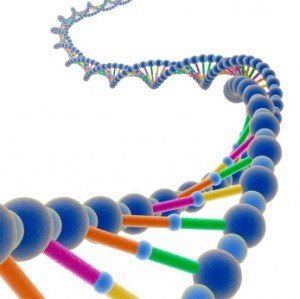

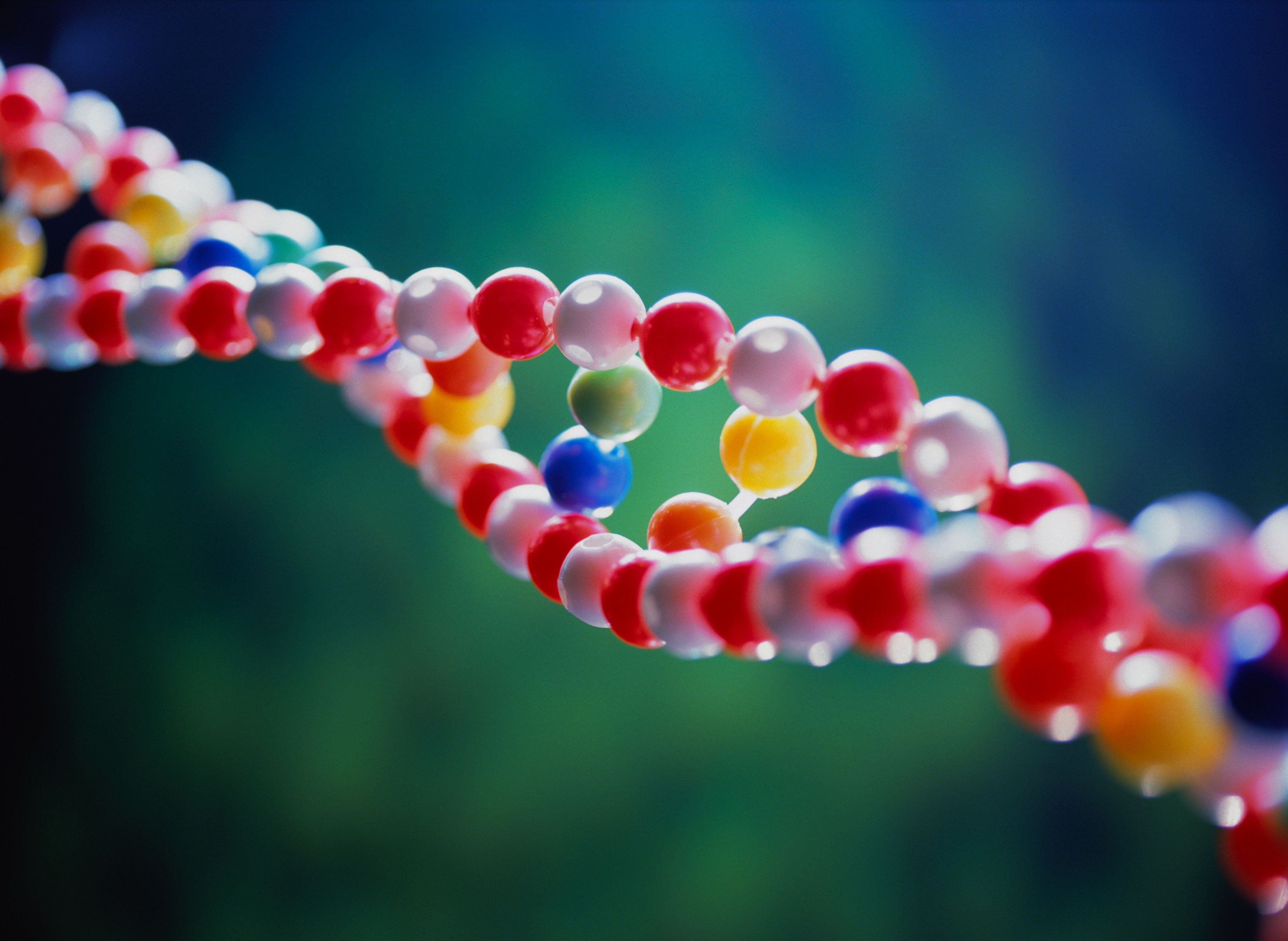
The two strands of DNA are
Parallel
Antiparallel
Perpendicular
At Right Angles
When your glucose levels are too high, what is the appropriate response?
urinate
release glucagon
eat sugar
release insulin
Which of the following correctly pairs the hormone and the response that it causes
Glucagon - makes body cells take in glucose
Insulin - makes body cells take in glucose
Pancreas - makes liver release stored glucagon
Liver - makes pancreas take in stored insulin
Glucagon causes muscles and the liver to release _____ back into the bloodstream
glucose
glucagon
glycogen
insulin

which organ will balance the glucose level in the blood by releasing hormones like insulin or glucagon?
Stomach
Small intensine
large intestine
Pancreas
What do cells need glucose for?
photosynthesis
energy
protein synthesis
combustion
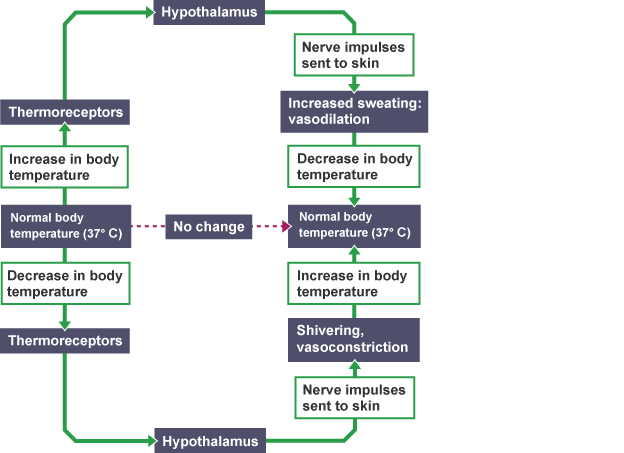
What is homeostasis?
Chemical reactions that happen in the body
Maintaining a constant internal environment
How information is passed to the next generation
The process of change and development

