wayground logo

Free Printable Worksheets

Font size

S
M
L
XL
Worksheets

World History B Final Review

Total questions: 46

Worksheet time: 45mins
Name
Class
Date
1.

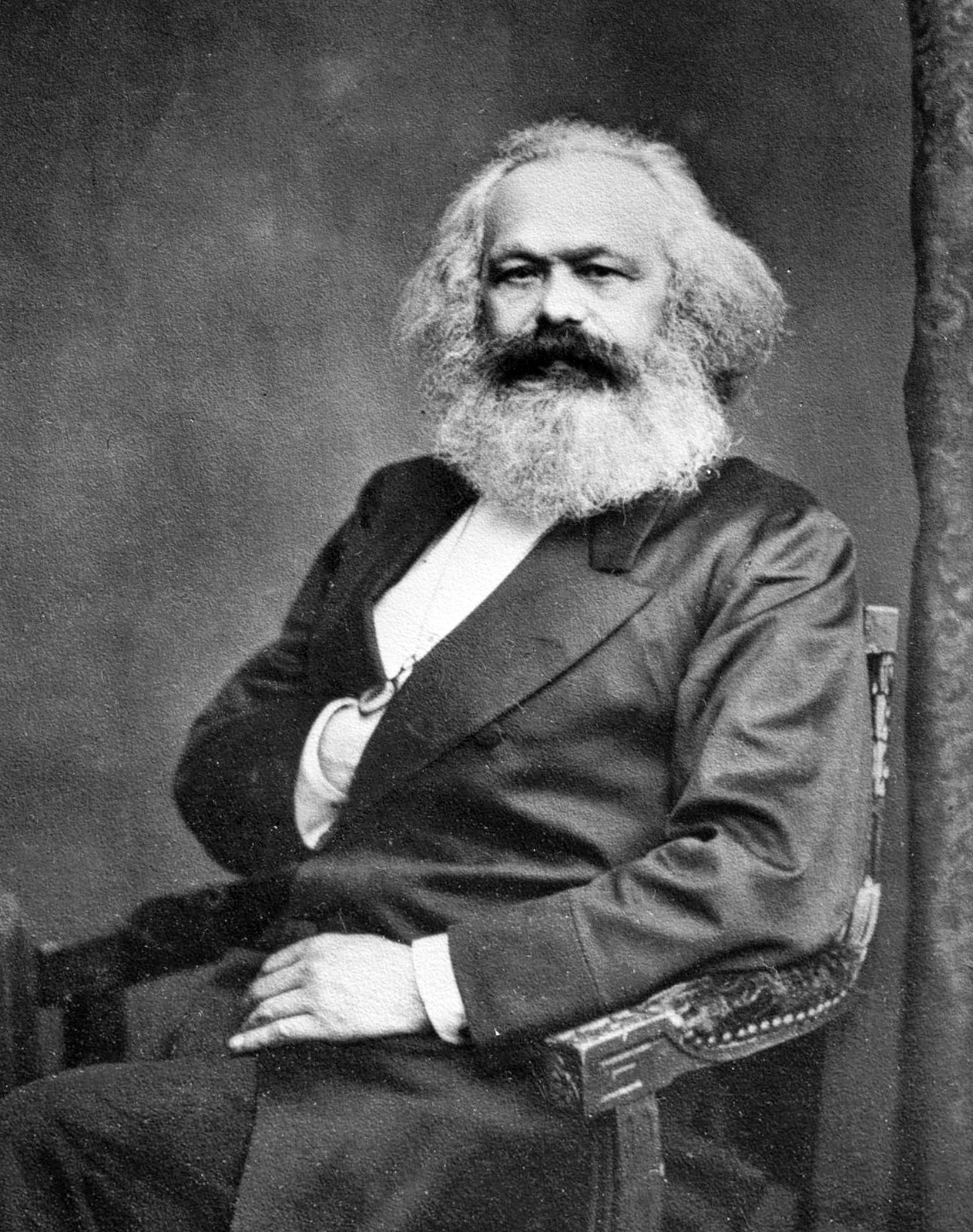
Which ideology is most closely associated with the ideas proposed by Karl Marx regarding the overthrow of capitalist systems by the working class?

a)

capitalism

b)

socialism

c)

communism

d)

command economies

2.

What is a territory settled and ruled by people from another land

a)

colony

b)

territory

c)

spoils

d)

Island

3.
The infamous "Scramble for Africa" referred to:
a)
A major race that was held across the plains of Africa
b)
A period when the European powers conquered and divided most of Africa amongst themselves
c)
A war that Britain launched against the Boers in South Africa
d)
A period when the European powers rushed to establish friendly relations with nations across Africa
4.
What happened as a result of the Berlin Conference of 1884-1885? 
a)
France and Britain agreed to govern their African colonies jointly. 
b)
There was less fighting between African leaders and European powers. 
c)
African leaders voiced their suggestions for better relations with European powers. 
d)
Europeans divided Africa into colonies without consulting African leaders. 
5.
 Imperialism was brought on as a result of 
a)
Democratic Revolutions 
b)
World War I 
c)
Industrialization 
d)
The Renaissance 
6.

When one country takes control of another for economic, political or military gain it is called?

a)

Colonialism

b)

Imperialism

c)

Manifest Destiny

d)

Nationalism

7.
Economic motives for imperialism include _________.
a)
a desire to spread Christianity
b)
a need for military bases around the world
c)
a need for raw materials to be used in factories
d)
a desire to gain glory
8.

What idea does this represent?

a)

Nationalism

b)

Militarism

c)

Imperialism

9.

Deep devotion to one's own country is called __.

a)

Nationalism

b)

Imperialism

c)

Alliance

d)

Militarism

10.

Nations building large armies as preparation for war is called __.

a)

Nationalism

b)

Imperialism

c)

Alliances

d)

Militarism

11.

The idea that countries need to join forces in order to defend each other is called __.

a)

Nationalism

b)

Imperialism

c)

Alliances

d)

Militarism

12.

Triple Alliance members included the countries of:

a)

Italy, France, Britain

b)

France, Britain, Russia

c)

Germany, Austria-Hungary, Italy

d)

Austria-Hungary, France, Russia

13.

Triple Entente members included the countries of:

a)

Italy, France, Britain

b)

France, Britain, Russia

c)

Germany, Austria-Hungary, Italy

d)

Austria-Hungary, France, Russia

14.
The League of Nations was created after World War One; as an international, world wide:
a)
peace keeping organization
b)
banking system
c)
health organization
d)
delivery system
15.
Who is to blame for the war according to the Treaty of Versailles?
a)
Great Britain
b)
France
c)
Germany
d)
Serbia
16.
What was the land between two enemy trenches called?
a)
No Man's Land
b)
His brother's land
c)
Auntie Anne's Land
d)
Pen Cattle
17.
The following countries make up which alliance system: Austria-Hungary, Germany, & Ottoman Empire
a)
Triple Entente
b)
Allies
c)
Central Powers
d)
Axis
18.
What is a dictator?
a)
Someone who helps a country in need
b)
Someone who gives control of the government to the people
c)
Someone who gains complete control of a country's government
19.
Who became the dictator of Germany and led that country into WWII?
a)
Winston Churchill
b)
Benito Mussolini
c)
Adolf Hitler
20.
What was the name of Hitler's form of government which denied individual freedoms took complete power of the Germany?
a)
democracy
b)
fascism
c)
dictatorship 
d)
monarchy 
21.
Who was Benito Mussolini?
a)
The fascist ruler of Italy
b)
The fascist ruler of Germany
c)
The fascist ruler of France
d)
The fascist ruler of England
22.
Who was the ruler of U.S.S.R?
a)
Joseph Stalin
b)
Winston Churchill
c)
Adolf Hitler
d)
Harry S. Truman
23.
Between WWI and WWII, Japan tried to solve the problem of its scarcity of natural resources by doing what?
a)
Exporting agricultural products in exchange for new technology. 
b)
Establishing a policy of imperialism.
c)
Building nuclear power plants. 
d)
Cooperating with the soviet union.
24.
Who was the military leader of Japan during WWII?
a)
Charles De Gaulle
b)
Winston Churchill
c)
Hideki Tojo
d)
Benito Mussolini
25.
What economic system is free-market and has no government interference?
a)
totalitarian
b)
communism
c)
fascism
d)
capitalism
26.
What is totalitarianism?
a)
Aggressive preparation for war.
b)
A government that aims to totally control all aspects of citizens’ lives.
c)
A government in which power is shared between many political parties.
d)
A government chosen by the people through elections.
27.

Which countries were Axis powers in WWII?

a)

Germany, Japan, Italy

b)

USA, Great Britain, Soviet Union

c)

France, USA, Italy

d)

Germany, USA, Great Britain

28.

Who was the leader of the USA during WWII?

a)

FDR

b)

Truman

c)

FDR and Truman

d)

Stalin

29.

Which event describes why America entered WWII?

a)

The sinking of the Lusitania

b)

The Zimmerman Telegram

c)

Political instability and failing economy

d)

The attack on Pearl Harbor

30.

Which group in America was treated with distrust and prejudice during WWII, resulting in the creation of internment camps?

a)

African Americans

b)

German Americans

c)

Japanese Americans

d)

Mexican Americans

31.

Which event occurred last during WWII?

a)

Germany surrendered

b)

Italy surrendered

c)

Japan surrendered

d)

Atomic bomb was used on Hiroshima

32.

Poland was invaded by which two countries at the beginning of WWII?

a)

Germany and the Soviet Union

b)

Germany and Japan

c)

Germany and Italy

d)

Germany and Austria

33.

What cities did the A-Bomb get dropped on at the end of WWII?

a)

Nagasaki

b)

Hiroshima

c)

Tokyo

d)

Berlin

34.

what is blitzkrieg?

a)

total war intended to cause swift victory

b)

slow and steady war

c)

trench warfare

d)

the use of poison gas

35.

The invasion of _______ started WW2

a)

Austria

b)

Finland

c)

Poland

d)

Czechoslovakia

36.

The Eastern bloc of Europe is alliend as the

a)

N.A.T.O

b)

Warsaw Pact

c)

S.A.L.T.

d)

Glasnost 

37.

A competition for supremacy in weapons and technology

a)

Cold War

b)

Nuclear War

c)

Mutually Assured Destruction

d)

Arms Race

38.

The U.S. pledge to support anti-communist was known as

a)

Diplomacy

b)

Containment

c)

Truman Doctrine

d)

Monroe Doctrine

39.

 A war in which there is no direct conflict between two sides

a)

Stale War

b)

Truce War

c)

Cold War

d)

Closed War

40.

This was a plan to strengthen democratic governments by providing food and economic assistance to war-ravaged European countries to help them rebuild after the war

a)

The Marshall Plan

b)

The Truman Plan

c)

N.A.T.O Plan

d)

Warsaw Plan

41.

British Prime Minister Winston Churchill declared what had “descended across the continent” dividing Europe into two hostile camps

a)

Communism 

b)

The Berlin Wall

c)

The Velvet Underground

d)

An Iron Curtain 

42.

The longest running between 1954-1975,most expensive and deadly proxy war of the Cold War

a)

Cuban Revolution

b)

Korea War

c)

Vietnam War

d)

War on Terror

43.

What was the term 'iron curtain' used to describe the division of?

a)

North and South Vietnam

b)

East and West Asia

c)

North and South Korea

d)

Eastern communist Europe and Western democratic Europe

44.
President Truman adopted a new foreign policy during the Cold War know as the Truman Doctrine. What was the main goal of the Truman Doctrine?
a)
To expand trade with Europe
b)
To limit the build up of nuclear weapons
c)
To stop the spread of communism
d)
to send financial aid to Europe
45.
Why did the United States become involved in the Korean War?
a)
to contain communism
b)
to colonize Korea
c)
to spread communism
d)
to Christianize Koreans
46.

What organization was formed by Democratic Western countries to stop the spread of Communism?

a)

NATO

b)

NAFTA

c)

WPA

d)

USA