
 Worksheets
4-1 "Our Dynamic Earth" Test Review
Total questions: 88
Worksheet time: 1hrs 15mins
What is the source of all energy on Earth?
the wind
the Sun
Earth's coal
Earth's oxygen
What causes the Tropics to experience hot, sunny weather most of the year?
the Earth's gravity
the direct sunlight
the elevation
the ocean currents
June 21 in the Northern Hemisphere is known as the ____ and is the longest day of the year.
summer solstice
summer equinox
longest day
winter solstice
An ____, when we have equal daylight and nighttime, occur during the spring and fall.
Equinox
Solstice
Half-day
Revolution
The Earth rotates on it's ____, an imaginary line running through the center of Earth.
axis
accurate
orbit
revolution
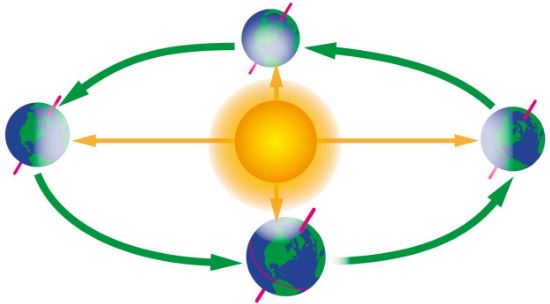
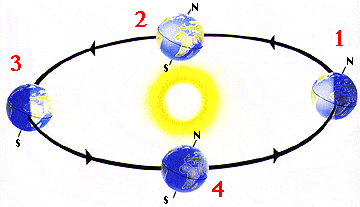
What causes the seasons to change on Earth?
the North and South Poles
Earth’s distance from the sun
the wind currents
the Earth’s tilt as it revolves around the sun


How long is a day on earth?

12.5 hours
365.25 days



What force has caused the fastest change in Earth’s environment in the last 50 years?
erosion
human actions
weathering
volcanic eruptions
How many continents are found on Earth?
10
4
7
15
Which of the following moves over Earth's mantle, creating changes of Earth's surface features?
faults
continents
tectonic plates
tsunamis
Where is the Ring of Fire located?
the Atlantic Ocean
the Pacific Ocean
the Caribbean Sea
Bay of Bengal
Tectonic plates grinding against one another creates a (a) .
We live in the (a) of North America
Earthquakes can trigger a (a) , a giant ocean wave.
The process in which parts of rock are moved elsewhere as the result of wind, rain, or ice is called (a) .
Earth's landforms wear away over time as a result of wind, rain, and flowing water in a process known as (a) .
How long does it take plates to move enough to create landforms?
thousands of years
hundreds of years
millions of years
about a hundred years
True or False: The Earth's crust is made up of seven enormous tectonic plates.
(a)
(a) form as cooled magma builds up and reaches the surface of the ocean.
Waves and ocean currents depositing sand along coastlines would be an example of what?
Weathering
Erosion
Sudden Changes
Deposition
The Appalachian Mountains in the United States have become rounded after millions of years of what?
Deposition
Weathering and Erosion
Plate movement
Hurricanes
What causes earthquakes and volcanoes?
plate movement
the moon’s pull on the Earth
solar flares
the Earth’s tilt
What percentage of Earth's water is salt water?
91%
97%
50%
71%
Salt water oceans make up about (a) of the Earth's surface, while land makes up about (b) .
True or False: Salt water is only found in oceans.
(a)
What percentage of Earth's water is freshwater?
1%
3%
6%
10%
Only about (a) of water is available as surface water.
Where is most of Earth's freshwater found?
frozen in glaciers and polar ice caps
underground in aquifers
in streams, rivers, and lakes
in Earth's oceans
Where is most of Earth's available (not frozen) freshwater stored?
glaciers
lakes
oceans
underground
Which of the following are common sources of surface water? (three answers)
bays
gulfs
lakes
rivers
streams
Groundwater often gathers in (a) .
(a) causes water vapor to gather into clouds of varying shapes and sizes.
(a) is happening all around us, at all times.
(a) allows water to fall back to Earth’s surface as rain, hail, or snow.
What is the name for the movement of water from Earth's surface into the atmosphere and back?
The water cycle
The oceans
The hydrological circle
Condensation
Which of the following statements about Earth's water is true?
It is always moving.
It is always safe to drink.
It is mostly in solid form.
It is mostly underground.
Put the steps of the water cycle in the correct order starting with evaporation.
The heat from the sun causes some water on the Earth's surface to evaporate
Water vapor rises into the air, cools, and condenses into droplets
Water droplets join together to form clouds.
Water droplets become heavy and precipitation occurs
Precipitation falls to Earth and is absorbed into the soil or runs off into bodies of water.
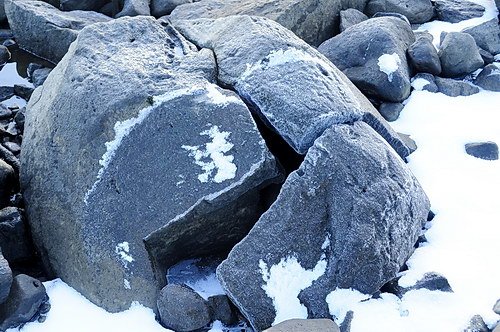
Extreme temperature changes in the desert cause the rock to expand and contract and eventually split.
weathering
erosion
deposition
Rock hits another rock as it is carried downstream causing both rocks to break
weathering
erosion
deposition
Sand settles on the beach after waves dropped it there. This is an example of...
weathering
erosion
deposition
Small islands made of sediment called deltas form at the end of rivers
weathering
erosion
deposition
Sand dunes are large piles of sand that can be found in the desert. What causes these sand dunes to form?
water
wind
ice
volcanoes
The wind picks up all the smaller particles leaving behind only bigger rocks.
weathering
erosion
deposition
Canyons are formed by
earthquakes breaking rock layers apart.
wind smoothing out rock formations.
lava flowing from nearby volcanoes.
rivers carrying sediments that weather and erode land.
How does freezing water cause the weathering of rocks? The freezing water
keeps the rocks in place
expands cracks and breaks rocks
makes the rocks last longer
causes rocks to fall in landslides
A cliff formed near the ocean. Which statement best describes how this cliff formed?
warm air melted the rock
sun rays evaporated the rock
ocean waves washed away rock
plant roots pushed away the rock
The breaking down of rocks and other materials on the Earth's surface.
Weathering
Erosion
Deposition
Exfoliation
The process by which rock and soil are moved from one place to another is called-
Weathering
Erosion
Deposition

An avalanche is an example of which process?
Weathering
Erosion


What is the process that picks up and moves weathered rocks?
Erosion
Weathering


The process by which water, ice, wind, or gravity moves weathered rock and soil from one place to another.
Weathering
Erosion

Which of these is an example of erosion?
Light shining onto a mountain.
Rain breaking down rocks on a mountain into smaller pieces.
Wind blowing away bits of dirt to a new place on the mountain.
All of the above.
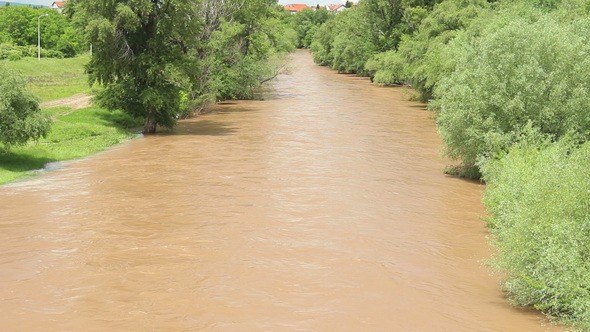

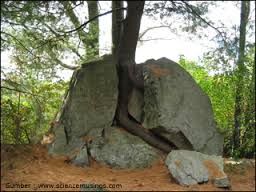
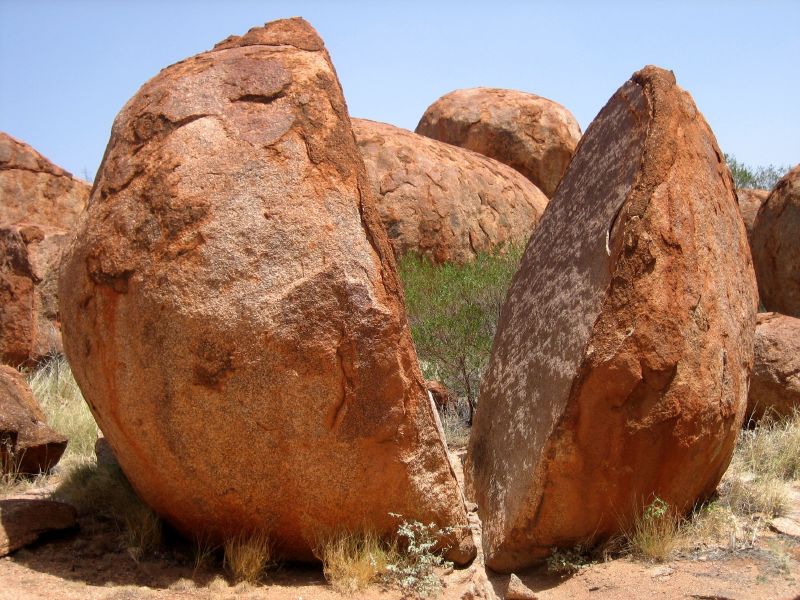
What is the wearing away or breaking down of rocks called?
Weathering
Erosion
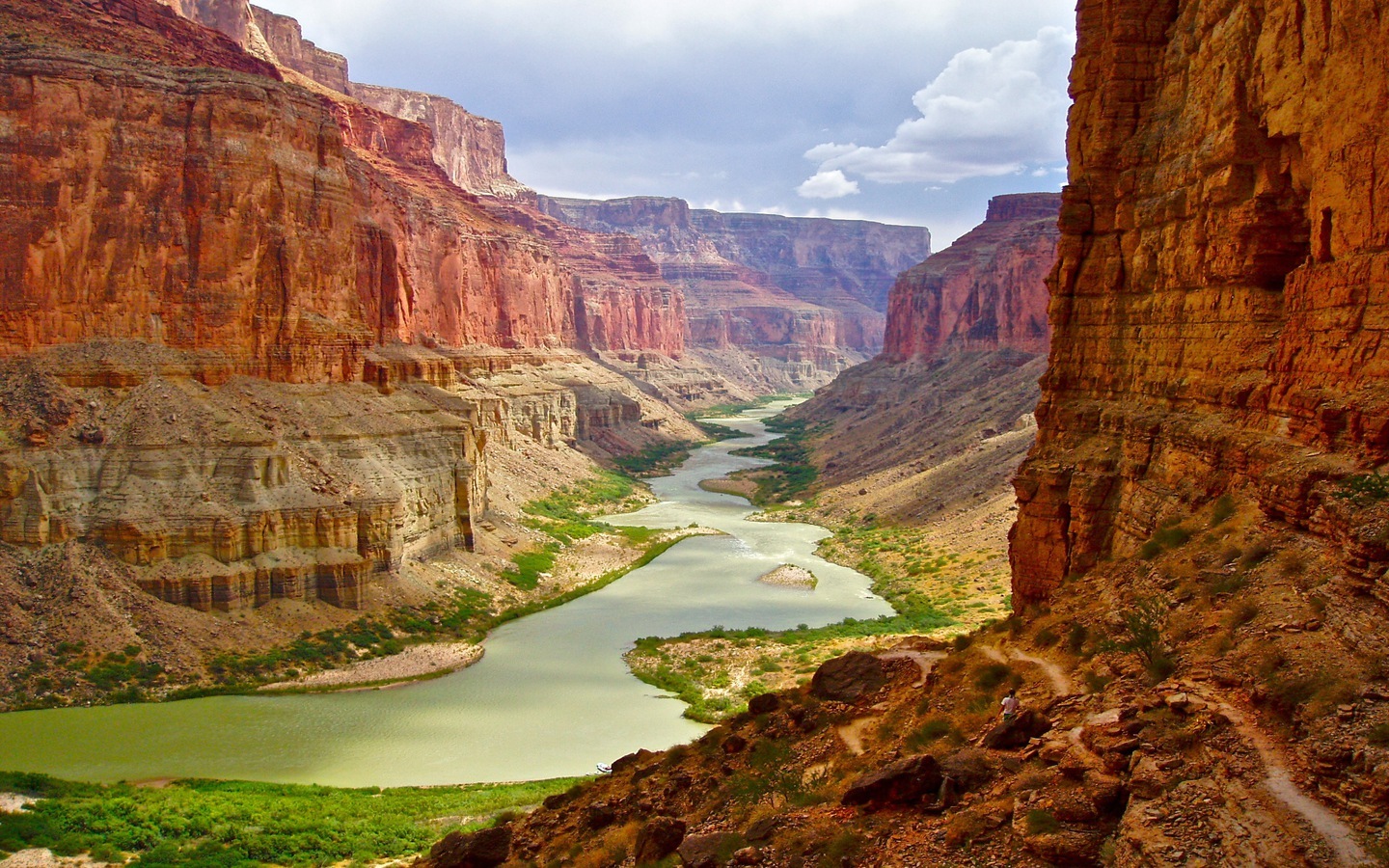
Flood water pounding against a canyon wall and wearing it down is an example of
Weathering
Erosion
Match each term with the correct sentence.
axis
Earth completes one rotation on its _______ every 24 hours.
equinoxes
The _______ are when day and night in both hemispheres are of equal length
orbit
Because the sun is so large, its gravity causes the planets to constantly _______ it.
revolution
Earth makes one _______ in 365¼ days.
solstice
The summer _______ is the day of the year that has the most hours of sunlight.
Match each term with the correct sentence.
deposition
The _______ caused by rivers can create coastal plains and wetland ecosystems.
fault
Earthquakes are caused by plate movement along _______ lines.
tectonic plates
Heat from deep within the planet causes the _______ to move.
weathering
Wind, rain, chemicals, the movement of ice and flowing water, and plants can cause _______.
erosion
_______ by the Colorado River caused the Grand Canyon to widen to how it is today.
Match each term with the correct sentence.
aquifers
Groundwater often gathers in _______.
freshwater
Most _______ stays frozen in the ice caps of the Arctic and Antarctic.
surface water
Less than 1% of Earth's freshwater supply comes from _______.
groundwater
_______ is an important source of drinking water, and it is used to irrigate crops.
salt water
About 97 percent of the planet’s water is _______.
Match each term with the correct sentence.
water cycle
The _______ keeps Earth’s water supply in balance.
precipitation
_______ allows water to fall back to Earth’s surface as rain, hail, or snow.
evaporation
_______ is happening all around us, at all times.
condensation
_______ causes water vapor to gather into clouds of varying shapes and sizes.
glaciers
Much of Earth's freshwater is frozen in _______.
Match each following landforms or waterways with the correct definition.
archipelago
a group or chain of islands
bay
a broad inlet of the sea where the land curves inward
coast
land lying next to a sea or ocean
continental shelf
the part of a continent that extends into the ocean, then drops sharply to the ocean floor
gulf
a deep inlet of the sea almost surrounded by land, with a narrow mouth
Match each following landforms or waterways with the correct definition.
delta
an area where sand, silt, clay, or gravel is dropped at the mouth of a river
island
a land area completely surrounded by water
isthmus
a narrow strip of land that connects two larger land areas
peninsula
a body of land surrounded on three sides by water
lake
a sizeable inland body of water
Match each following landforms or waterways with the correct definition.
mesa
an isolated flat-topped hill with steep sides
mountain range
a series of connected mountains.
plain
a large expanse of land that can be flat or have a gentle roll
plateau
plateau
valley
an area of low land usually between hills or mountains
Label the diagram with the correct event for the Northern Hemisphere.
Label the diagram with the correct season for the Northern Hemisphere.
Organize these details into the right categories
Causes day and night
Takes 24 hours to complete

Movement of Earth around the Sun
Spinning of Earth on its axis
Causes seasonal changes
Takes 365.25 days to complete

Organize these events into the right categories
Wind blasting sand
at rock and carving
out arches.
Water entering the
cracks of rocks,
freezing then
thawing.
Gravity causing a
landslide to take
everything in its
path.
Rain washing away
sand from a sand
dune.
Layers of sediment
forming at the
bottom of the ocean.
Sand dunes forming
at the desert.
Waves dropping
sand ashore;
forming sand bars.
Wind blowing sand
from one place to
another.
Acid rain dissolving
underground
limestone.
Correctly label each part of the water cycle
Put the steps of the water cycle in the correct order starting with evaporation.
(Start with this one)
The heat from the sun causes some water on the Earth's surface to evaporate
Water vapor rises into the air, cools, and condenses into droplets
Water droplets join together to form clouds.
Water droplets become heavy and precipitation occurs
Precipitation falls to Earth and is absorbed into the soil or runs off into bodies of water.

