
 Worksheets
Electricity 2
Total questions: 125
Worksheet time: 6hrs 15mins

2 V
5 V
10 V
20 V

1.85 J
2 J
3.7 J
7.4 J
The difference in electrical potential energy between two places is called …………...
resistance
friction
induction
voltage
How much work is required to move 3.0 coulombs of electric charge a distance of 0.010 meter through a potential difference of 9.0 volts?
3.0 x 10⁻² J
3.0 J
27 J
2.7 x 10³ J
Moving 4.0 coulombs of charge through a circuit requires 48 joules of electric energy. What is the potential difference across this circuit?
190 V
12 V
4.0 V
48 V
What is the voltage of a bulb which produces 20J of energy for 2 Coulombs of charge?
10V
40V
0.1V
15V
When work is done on a positive test charge by an external force to move it from one location to another, potential energy _________ (increases, decreases) and electric potential _________ (increases, decreases).
increases, increases
increases, decreases
decreases, increases
decreases, decreases
The quantity electric potential is defined as the amount of _____.
electric potential energy
force acting upon a charge
potential energy per charge
force per charge

Electric potential energy is greatest at point...
A
B
Moving an electron within an electric field would change the ____ the electron.
mass of
amount of charge on
potential energy of
As the resistance of a circuit increases, the current will
increase
decrease
stay the same
increase and then decrease
How many Volts would it take to push 5 Amps through a resistance of 10 Ohms
10 volts
1 volt
50 volts
5 volts
What equation links voltage, current and resistance
V = IR
V = CR
V = I/R
V = R/I
V = C/R
Which of these is correct for a test circuit
ammeter in series and voltmeter in parallel
ammeter in series and voltmeter in series
ammeter in parallel and voltmeter in parallel
ammeter in parallel and voltmeter in series


Voltage is measured in __.
volts.
watts.
ohms.

What 'flows' in a wire?
Protons
Neutrons
Atoms
Electrons

Which best describes a parallel circuit?
Electricity flows along one pathway.
The flow of electricity comes from one battery.
Electricity flows along more than one pathway.
The flow of electricity comes from more than one battery.

The movement of electrons from atom to atom in a line results in a flow of _____.
amperage.
electric current.
electromagnetic connectors.

In a parallel circuit, if one connection is broken, all of the connections stop working.
True.
False.

Which statement is true?
The light bulb will light up because the circuit is complete.
The light bulb will light up because the circuit is broken.
The light bulb will not light up because the circuit is complete.
The light bulb will not light up because the circuit is open.

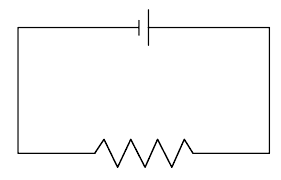
What type of circuit is the image showing?
Parallel
Series
No circuit

A Charging system producing 14.5 Volts with a current flow of 43.5 Amps, what is the circuit resistance
58 Amps
0.33 Amps
13 Amps
1 Amp

If the current through a circuit is 2 A and the resistance of a light bulb in the circuit is 10 Ohms, what is the voltage difference across the light bulb?
5 V
12 V
0.2 V
20 V

What would the circuit resistance be if a 7.5 Amp draw was present with the engine running and the charging system producing 15 Volts
15 Ohms
4 Ohms
0.3333 Ohms
2 Ohms

What is the current in an electric circuit?
The energy of the circuit
The flow of electrons in the circuit
The power of the circuit

What is the voltage in an electric circuit?
The power of the electrons
The charge of the electrons
The energy of the electrons

Where does the current get its voltage from?
The lightbulb
The battery
The wires

What is resistance in an electric circuit?
Using up of power of current
Stops or slows the flow of current

What is the role of a multimeter in an electric circuit?
To measure the amount of voltage, current, and resistance. It can also be used to test continuity between two points in an electrical circuit.
To measure the amount of light in an electric circuit
To measure the amount of sound in an electric circuit

Which of the circuits in the diagram are series circuits?
A
B
C
D

Which of the circuits in the diagram are parallel circuits?
A
B
C
D

Which of the circuits in the diagram will have lightbulbs that are lit?
A
B
C
D
________________ Law is a formula used to calculate the relationship between voltage, current and resistance in an electrical circuit.
Ohm's
Newton's
Criminal
If the battery produced 12.6 Volts what would be the current flow for a 6 Ohm resistor?
2.1 Amps
2.4 Amps
1.71 Amps
15 Amps
Calculate the VOLTAGE through a load, if a resistance of 500 Ω that has a current of 1.4 A flowing through it.
70 V
357 V
.0028 V
700 V
If one bulb goes out in a series circuit, the remaining bulbs...
also go out
get brighter
get dimmer
explode, leaving shards of glass everywhere

If the switch was opened, what would happen?
the ammeter would measure a current flowing
current would no longer flow, so everything would be off
the bulbs would stay on because they're connected to the cell
the bulbs would burn out and catch fire
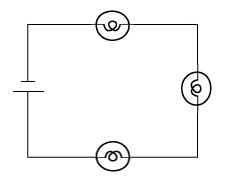

This is an example of a _______ circuit
open
series
parallel
switch
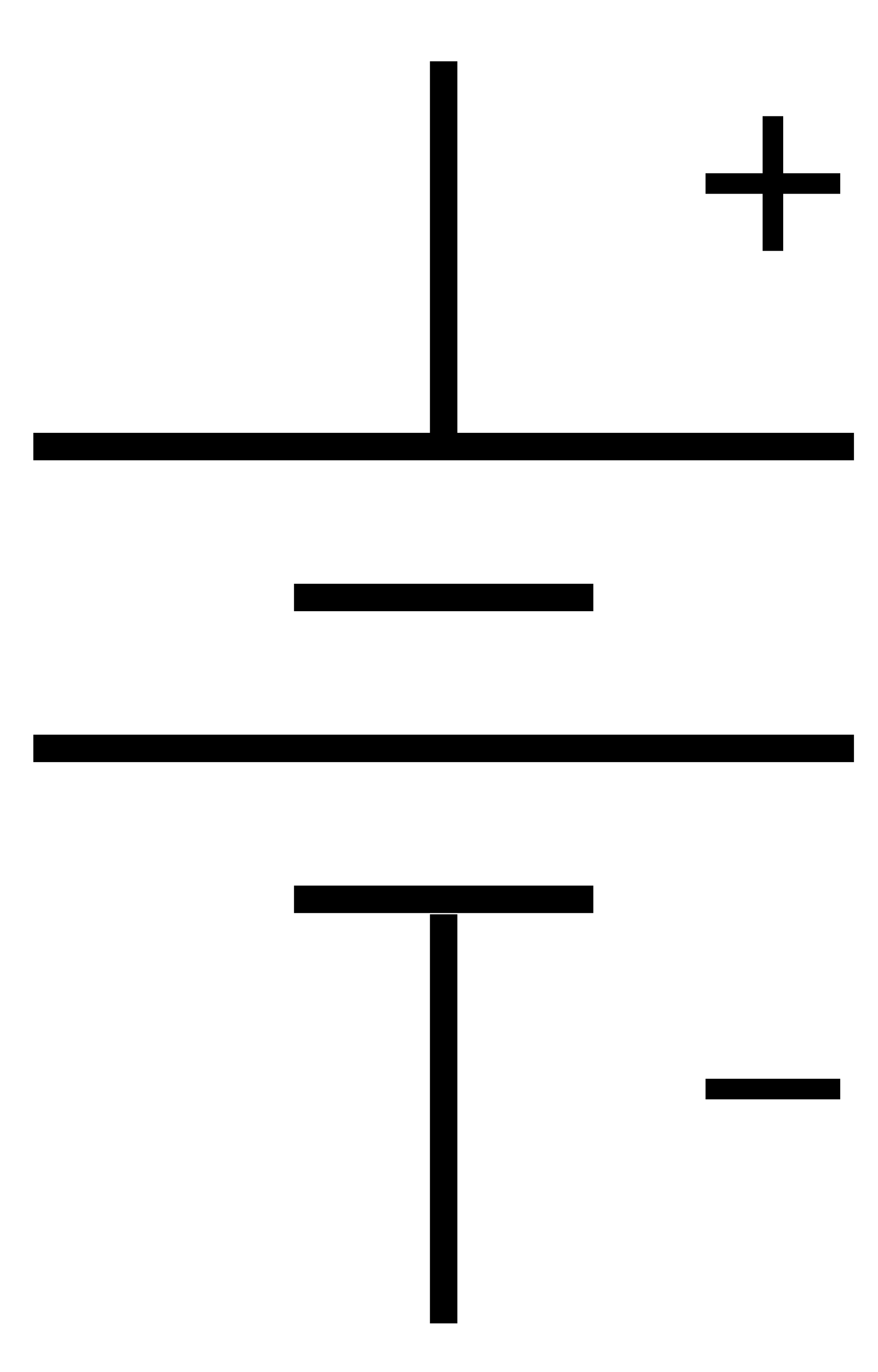
The voltages in the parallel section of a series-parallel circuit ?
a. are affected by the circuit equivalent resistance
b. are difficult to determine
c. are the same across the parallel components
d. decrease through the circuit from component to component

What is the Total Resistance in this circuit?
3 ohms
30 ohms
30 amps
90 volts
What stays the same throughout this whole circuit?
Resistance
Voltage
Parallel
Current

The current in the wires of a circuit is 120.0 milliAmps. If the battery was replaced by one with double the voltage (with no other replacements), then its new current would be _____ milliAmps.
60 milliAmps
120 milliAmps
240 milliAmps
No way to tell
The resistance of a light bulb is 30 ohms. If the current must double but the battery is remaining the same, the light bulb must be replaced by one with ____ ohms.
60 ohms
30 ohms (the light bulb resistance will not change)
15 ohms
More information is needed
The resistance of the light bulb is 15 ohms. If the battery was replaced by one with double the voltage (with no other replacements), then the light bulb resistance must _____.
Increase to 30 ohms
Not change
Decrease to 7.5 ohms
No way to tell
The current in the wires of a circuit is 60.0 milliAmps. If the battery was replaced by one with ⅓ of the original voltage (with no other replacements), then its new current would be _____ milliAmps.
20 milliamps
60 milliamps
180 milliamps
No way to tell
The voltage of the battery is 8 volts. If the current must double but the light bulb is remaining the same, the battery must be replaced by one with ____ volts
16 volts
8 volts (the battery voltage won’t change)
4 volts
More information is needed
The current in the wires of a circuit is 180.0 milliAmps. If the light bulb was replaced by one with one half of the original resistance (with no other replacements), then its new current would be _____ milliAmps.
90 milliAmps
180 milliAmps
360 milliAmps
No way to tell
The current in the wires of a circuit is 90.0 milliAmps. If the light bulb was replaced by one with triple the original resistance (with no other replacements), then its new current would be _____ milliAmps.
30 milliAmps
90 milliAmps
270 milliAmps
No way to tell
The voltage of a battery is 9 V. If the light bulb was replaced by one with triple the original resistance (with no other replacements), then the battery voltage must _____.
Increase to 27 volts
Not change
Decrease to 3 volts
No way to tell
The current in the wires of a circuit is 90.0 milliAmps. If the light bulb was replaced by one with double the original resistance and the battery is replaced by one with triple the original voltage, then its new current would be _____ milliAmps.
15 milliAmps
60 milliAmps
135 milliAmps
540 milliamps
The current in the wires of a circuit is 72.0 milliAmps. If the light bulb was replaced by one with one half the original resistance and the battery is replaced by one with triple the original voltage, then its new current would be _____ milliAmps.
12 milliAmps
48 milliAmps
108 milliAmps
432 milliAmps
The voltage of the battery is 18 V. If the light bulb is replaced by one with one half the original resistance, which of the following will triple the current?
Replace the battery with a battery voltage of 27 V.
Replace the battery with a battery voltage of 12 V.
Replace the battery with a battery voltage of 108 V.
Replace the battery with a battery voltage of 3 V.
The resistance of the light bulb is 24 ohms. If the battery is replaced by one with triple the original voltage and the current in the circuit must be quadrupled, then the light bulb must be replaced by one with ___ ohms.
2 ohms
18 ohms
34 ohms
288 ohms

A simple circuit has a single resistor of 6 Ω. The current flowing through the circuit is 2 A. What is the voltage of the circuit?
3 v
6 v
12 v
A simple circuit has a single resistor of 12 Ω. The current flowing through the circuit is 3.4 A. What is the voltage of the circuit?
40.8 v
36.6 v
29.2 v
A simple circuit has a single resistor of 4 Ω. The voltage of the circuit is 12 v. What is the current flowing through the circuit?
2 A
3 A
4 A
A simple circuit has a single resistor of 25 Ω. The voltage of the circuit is 10 v. What is the current flowing through the circuit?
0.2 A
0.3 A
0.4 A
A simple circuit with a single resistor has a voltage of 12 v applied to it, and the current through the circuit is 6 A. What is value of the resistor in the circuit?
0.5 Ω
2 Ω
3.5 Ω
A simple circuit with a single resistor has a voltage of 5 v applied to it, and the current through the circuit is 15 A. What is value of the resistor in the circuit?
0.3 Ω
0.6 Ω
0.9 Ω
A simple circuit has a single resistor of 1.2 Ω. The current flowing through the circuit is 8.5 A. What is the voltage of the circuit?
(a)
A simple circuit has a single resistor of 18.5 Ω. The voltage applied on the circuit is 10 v. What is the current flowing through the circuit? (Give your answer to 2 decimal places)
(a)
A simple circuit has a single resistor. The voltage applied on the circuit is 12 v and the current flowing through the circuit is 3.6 A. What the value of the resistor? (Give your answer to 2 decimal places)
(a)
A simple circuit with a single resistor of 3 Ω has 12 v voltage applied on it. What is the current flowing through the circuit? What is the electric charge in the circuit in 5 seconds? (Choose two correct answers)
3 A
4 A
15 C
20 C
The unit of measure for resistance
ohms
ampere
voltage
watts
This is the unit of measure for current
ampere
current
voltage
ohms
IF Current = 2A and R = 24 ohms, what is the value of E
26 V
48 V
12 V
22 V
A 3-V battery sends a current of 0.10 A through a light bulb. What is the resistance of the filament of the bulb?
.033 Ω
30 Ω
.3 Ω
300 Ω

Which of the following represents the opposition presented to the current by a material or device, measured in ohms?
current
resistance
voltage
electricity

If a charger for a tablet offers a voltage of 120V and has 240Ω of resistance, what is the amperage?
0.5A
2A
14,400A
28,800A

What is the formula for current?
I = V / R
I = R / V
I = V x R
I = (V x R) / 2
What is the formula for Ohm's Law?


According to Ohm's Law, if you were to triple the voltage of a circuit without changing the resistance, what would happen to the flow of current?
It would stay the same
It would increase by 2x
It would increase by 3x
It would decrease by 3x
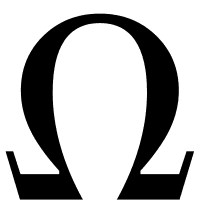
What do you call that symbol?
resistance
current
microfarad
ohm
What does "I" stand for with current?
Interference
Intensity
Insectology
Immunity
What does "E" stand for with regards to voltage? (sometimes you will see E in the formula for Ohm's Law)
Electricity
Ecology
Electromotive Force
Energy
Ohm’s law explains the relationship between ……………. in a circuit.
Voltage ,Current and Power
Voltage ,Current and Resistance
Voltage and Current
Only Voltage
What is the current in an electric circuit?
The energy of the circuit
The flow of electrons in the circuit
The power of the circuit
What is the voltage in an electric circuit?
The power of the electrons
The charge of the electrons
The energy of the electrons

Which statement is true?
The light bulb will light up because the circuit is complete.
The light bulb will light up because the circuit is broken.
The light bulb will not light up because the circuit is complete.
The light bulb will not light up because the circuit is open.
AC stands for ___.
Alternating Current
Attraction Connections
Cooling Current
None
_____ instrument is used to measure the voltage.
Ammeter
Ohmmeter
Voltmeter
Galvanometer


Ohms
Watts
The flow of protons

