
 Worksheets
YEAR 4 SCIENCE REVISION
Total questions: 60
Worksheet time: 35mins
The state of matter which takes the shape of its container is _______?
Gas
Solid
Plasma
Liquid
In flowering plants, the fertilization of egg cells to make
seeds happens in the (a) .

The Violet flower disperses its seeds by ________ ?
Wind
Explosion
Water
Animals
Sound is created by (a) ?

Coconuts are dispersed by (a) ?

The part labelled "E" is called (a) ?
The part labelled "H" is called (a) ?
The part labelled "F" is called (a) ?
The part labelled "A" is called (a) ?
The part labelled "J" is called (a) ?

Another name for Pinna is _______?
Ear Drum
Auricle
Ossicle
Cochlea
The frequency of sound is affected by (a) ?
The outer cover that protects the seed is
scar
seed coat
embryo
stem

The purpose of seed dispersal is for the seeds to __________.
germinate at the same time
move to the same place and grow
move further away from the parent plant
compete with one another for minerals in the soil

All the following are the plants dispersal method except.......
By wind
By water
By animals
By explosion
By fire
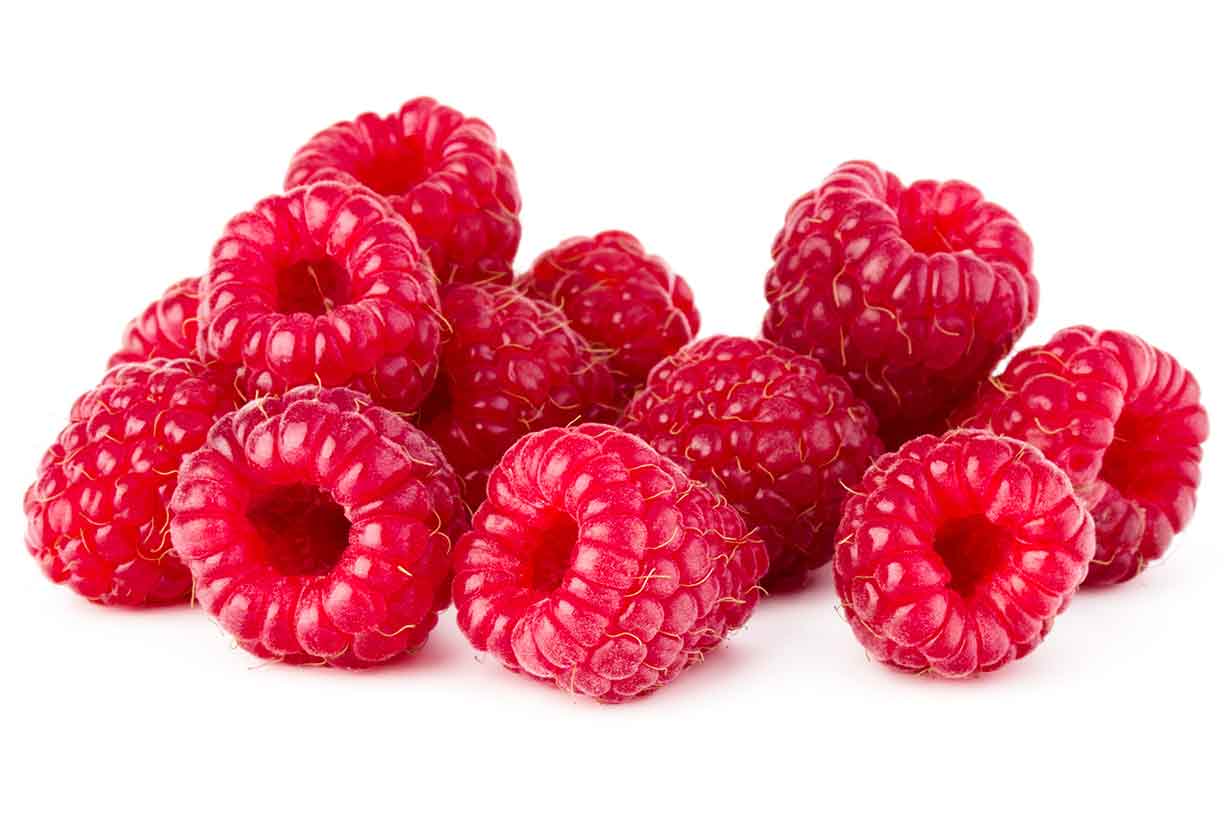
How are raspberry seeds dispersed?
by animals
by explosion or bursting
by water
by wind

My pod splits open and seeds are thrown out with a force. What is likely my dispersal method?
wind
water
animals
explosion

How are dandelion seeds dispersed?
by animals
by explosion or bursting
by wind
by water
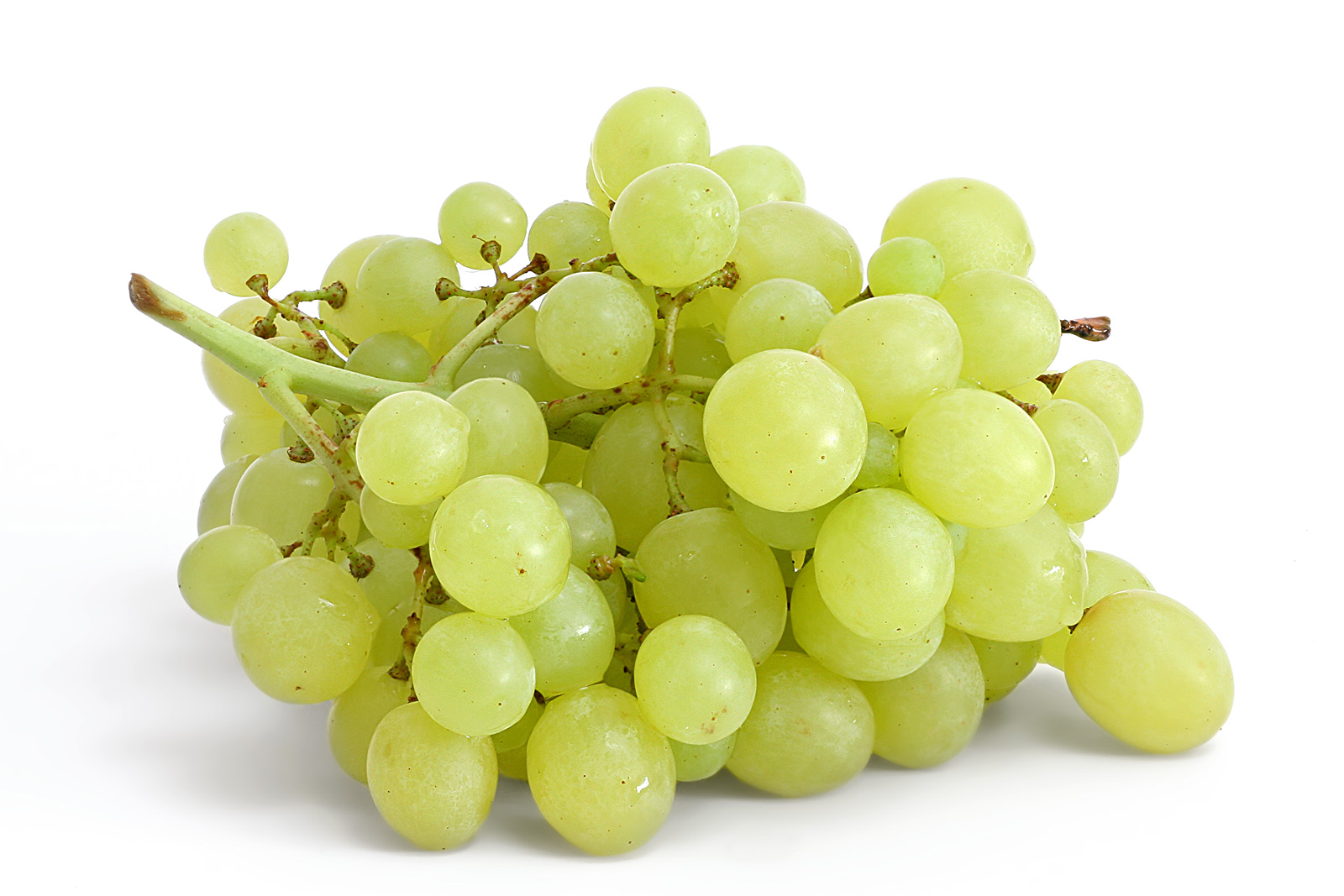
Why are grape seeds able to be dispersed by animals?
It is light and has wing-like structure
They are in fruit which is juicy and edible
It has a fibrous husk that makes it float
It has dry pods that split open

What structure of the plant holds the embryo from which a new plant can grow?

This image is an example of _______?
Germination
Self-Pollination
Seed Dispersal
Cross-Pollination

The process by which a seed begins to sprout and grow into a seedling, under the right growing conditions is called?
(a)
State the characters ideal for dispersion by wind.
Small, light and hair-like
Small, light and sharp hooks
Big, light and fibrous husk
Big, light and explode
Pollination is the transfer of pollen grains from the anther to the _________ of plants.
Stigma
Style
Filament
Stem

The _______ is the part of the flower that supports the anther.
Filament
Ovary
Style
Stigma

The _____ stage in a plant's life cycle happens after germination when the young plant grows.
seedling
adult
roots
flower
Which structure contains 15,000 tiny little hairs?
Anvil
Hammer
Stirrup
Cochlea
Ear drum
Define the term seed germination .
This is the growth of a shoot
process where an embryo sprouts from a seed
the growth of a plant
None of the above
The property of sound that varies with variation in the frequency of vibration is called _______?
vibrate
loud
decibel
pitch

Sound waves CANNOT travel through which of these:
liquid
gas
Outer space
The total number of waves produced in one second is called the ________ of the wave.
Vibration
Echo
Frequency
Amplitude

The pitch of sound increases with increase in _______?
Frequency
Amplitude
Energy
What are the characteristic of the seeds dispersed by man and animals?
A: Can float on water
B: Sweet and juicy
C: Have hooks or stiff hairs
D: Have wing-like structures and are light
A and B only
B and C only
C and D only
A, B and C only

Jeff grew his plant in a small pot. He placed the pot outside and watered the plants every day.
However, after a few weeks, the plants died. What is the likely reason for this to happen?
Unfertilised soil
Not enough water
Not placed under sunligt
Overcrowding
The following are methods of seed dispersal except_________?
Hanging
Water
Explosion
Humans
Which of the following is NOT an importance of seed dispersal?
Help plants grow in new places
Reduces competition among seedlings
Changes the specie of plants
Makes plants accessible by more people
How many states of matter are there?
1
2
3
4

What state of matter is this?
solid
liquid
gas
Which state of matter has particles (atoms) that are very close together?
solid
liquid
gas
Which is an example of a liquid?
table
milk
helium
Which is an example of a gas?
car
water
air
What are the 4 states of matter?
Solids, Liquids, Dust and Gases
Solids, paper, atoms and molecules
Liquids, Solids, Plasma and Gases
hot, cold, wet and dry
The life cycle of a many plants starts with a _____________.
fruit
flower
seed
ground
What is pollination?
all the stages a plant goes through as it grows and reproduces.
the carrying of seeds to a new place
the fertilization of the egg cells in the ovary
the movement of pollen from the stamen to pistil
a characteristic that is passed from parents to offspring
What is referred to as the life cycle of plants?
all the stages that plants go through as they grow and reproduce.
the carrying of seeds to a new place
a seed plant that reproduces with cones
the movement of pollen from a stamen to pistil
a characteristic that is passed from parents to offspring
Which of the following answers tells us about the importance of pollination ?
Pollination helps to reproduce and
produce enough seeds for dispersal.
Pollination preserves plant life and human life
The growth of many food crops depends on pollinators
All of the above
Which of the following are pollinators ?
Bees
Worms
Bats
Crabs
Sound begins with a vibration.
True
False
Which step occurs immediately after sound enters the pinna?
sound waves strike the ear drum
sound waves travel through the ear canal
sound waves get to the ossicles
sound waves reach the cochlea
What is the next step, after sound waves have traveled through the ear canal?
waves strike the eardrum, causing it to vibrate
sound waves get to the brain
sound waves move to the cochlea
After the ear drum, sound waves go to the _________?
Cochlea
Ossicles
Brain
Ear canal
After the ossicles, sound waves go to the _________?
Cochlea
Ear drum
Brain
Ear canal
After the Cochlea, sound waves go to the _________?
Ossicles
Brain
Ear canal
Ear drum

In the sound wave diagram shown, "A" represents the _________?
Wavelength
Trough
Peak
Amplitude
In the sound wave diagram shown, "B" represents the _________?
Wavelength
Trough
Peak
Amplitude
In the sound wave diagram shown, "C" represents the _________?
Wavelength
Trough
Peak
Amplitude
In the sound wave diagram shown, "D" represents the _________?
Wavelength
Trough
Peak
Amplitude
The part of the inner ear with hair cells is the _________?
Ear drum
Cochlea
Ossicles
Pinna

